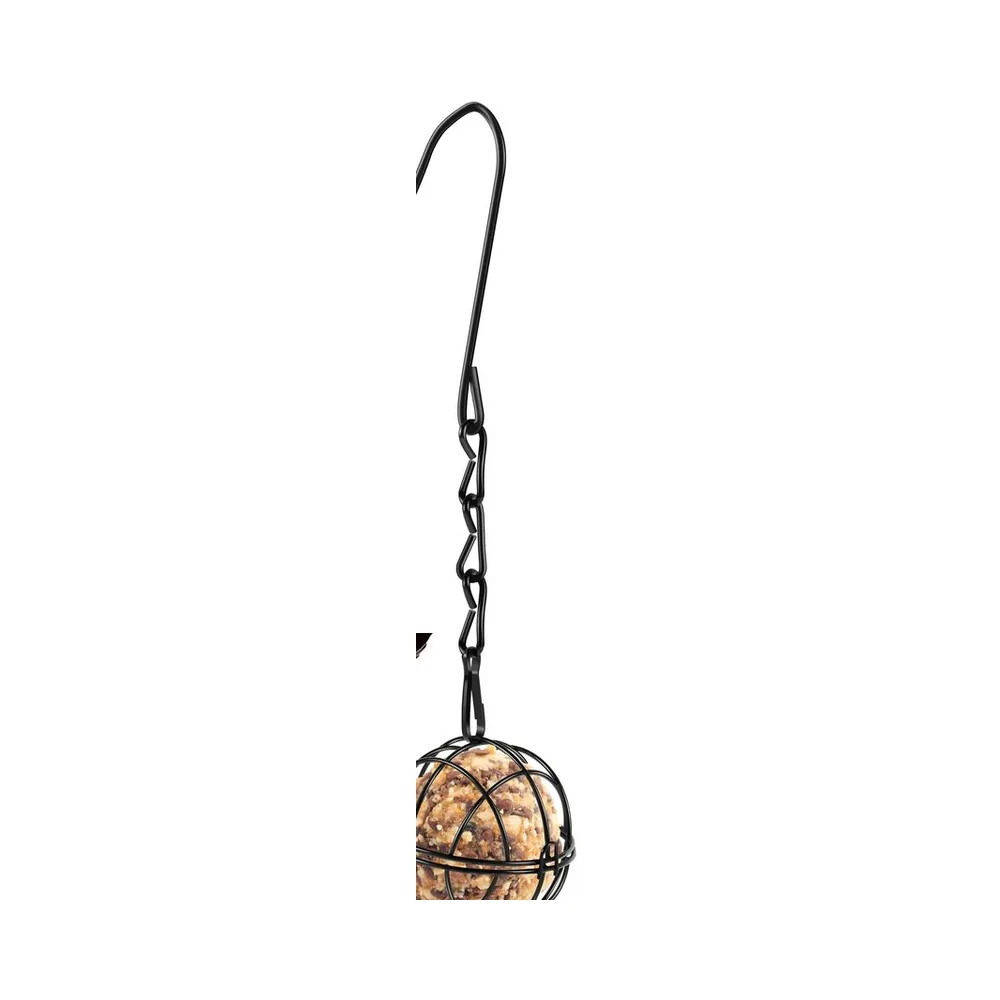
 Hanging Metal Fat Ball Feeders (Set of Four)
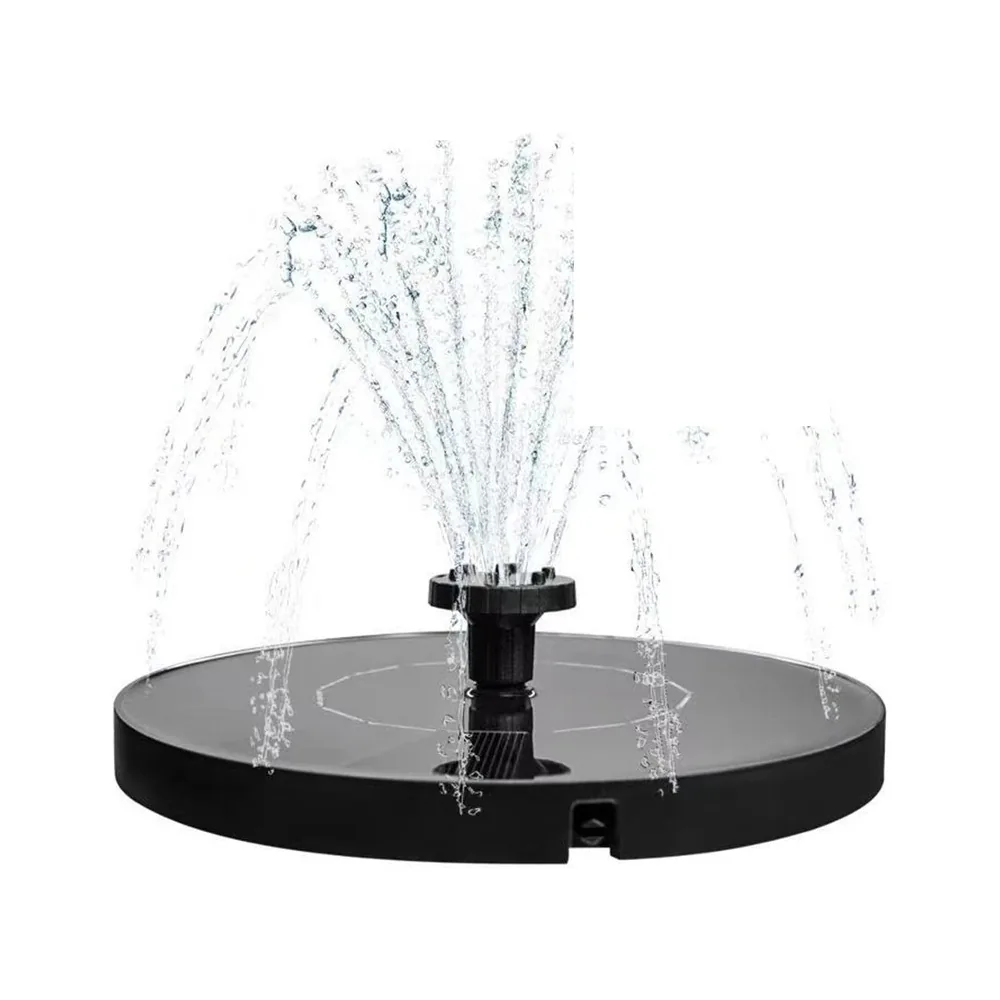 Solar Fountain for Your Bird Bath
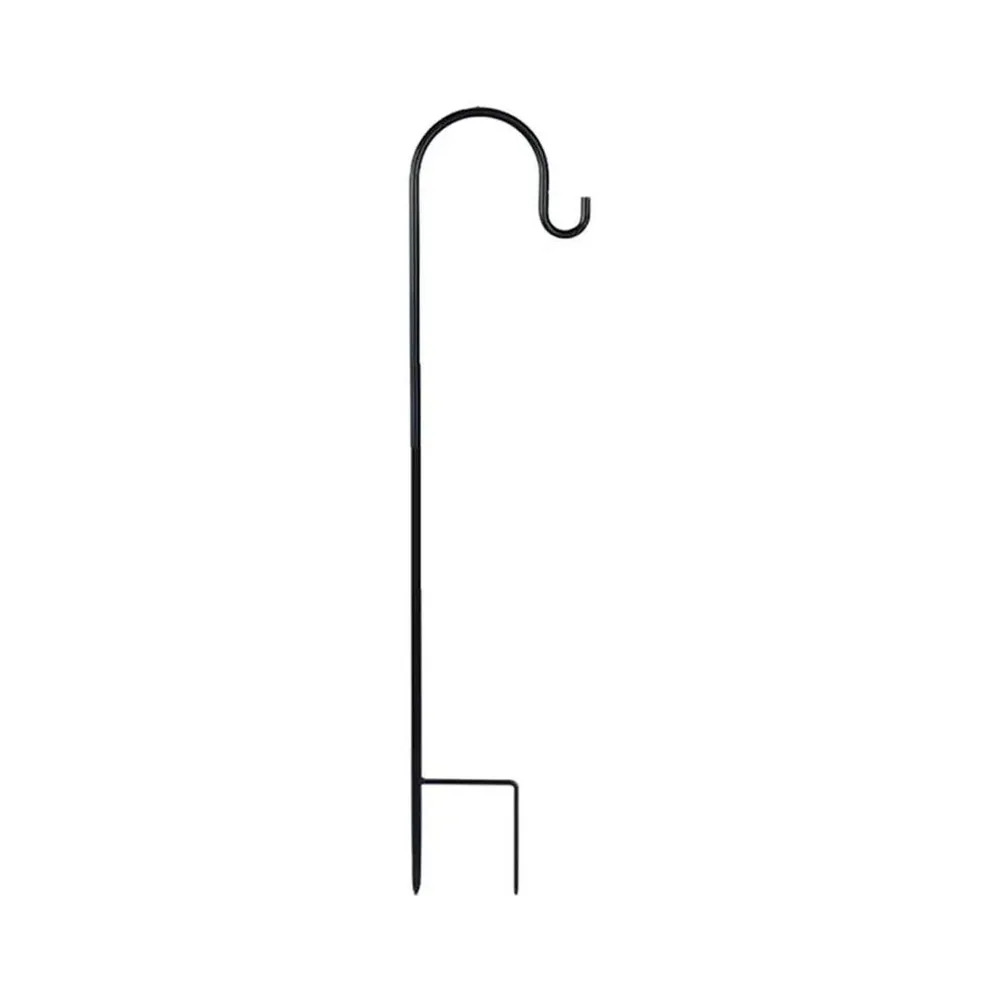 Shepherd Hook Feeder Pole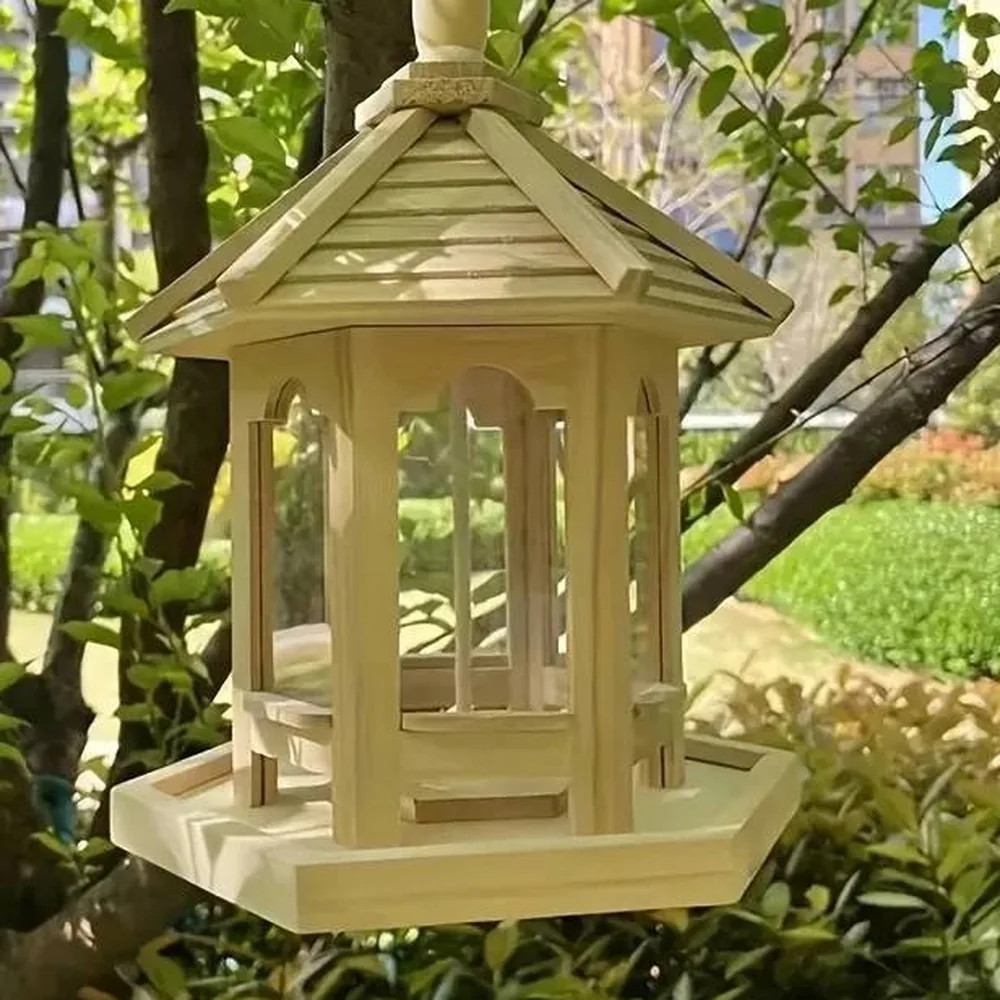
Feeding garden birds in Liverpool
Feeding birds in Liverpool is much less about the food than the position. A feeder two metres from a hedge is a different proposition to the same feeder in the middle of a lawn, because a blue tit will not cross open ground it cannot retreat from. Get the line of cover right and the food question mostly answers itself.
Window strikes are worth thinking about before you hang anything. A feeder either wants to be very close to the glass, under about a metre, so a startled bird cannot build up speed, or well beyond three metres so the window is not in the escape path. The dangerous distance is the middle ground, and window feeders sit deliberately at the safe end of it.
The Mersey and Dee estuaries hold internationally important wader flocks, and the same hard weather pushes redwings and fieldfares into city gardens.
Liverpool at a glance
Local ground, checked
Real places, with the distance measured from the city centre. We are an online shop, not a branch in Liverpool.
NationEngland
RegionMerseyside
PostcodesL postcode area
Nearest reserveRSPB Marshside
Also coversBootle, Crosby, Birkenhead, St Helens, Wallasey, Huyton
What should I feed garden birds in Liverpool?
Feed Liverpool gardens sunflower hearts all year, with peanuts in a mesh feeder and fat balls once the weather turns. Hang feeders about head height with cover two to three metres away, keep shallow water topped up through frost and drought, and wash everything every fortnight. Around Merseyside, watch for redwing.
- Wash feeders in hot soapy water every fortnight and dry before refilling
- Clear spilled seed from the ground before dusk to avoid rats
- Put feeders under a metre from glass, or over three metres from it
- Keep water out all year, shallow at the edge and topped up in frost
- Mix feeder types so several species can use the garden at once
Redwing around Liverpool
The Mersey and Dee estuaries hold internationally important wader flocks, and the same hard weather pushes redwings and fieldfares into city gardens.
The bath is half the job
Water gets forgotten far more often than food. Birds need it for drinking and for keeping feathers in condition, and in a hard frost a bath that is topped up is worth more to them than a full feeder. Shallow is the point: two to three centimetres at the edge, with a rough surface to grip, and a stone in the middle for the smaller ones.
The fortnightly wash
Watch what collects underneath as well as inside. A ring of wet, sprouting seed under a feeder is the sign the tray is missing or the mix is wrong, and it is what turns a feeding station into a rat problem. Sweep it, and switch to husk-free hearts if it keeps happening.
When to feed in Liverpool
Cold snaps here arrive hard and fast, and that is when a feeder earns its keep. Birds lose condition overnight in a frost, so the priority in January is simply that the food and the water are both there at first light, not that the range is impressive.
Our pick
What we would put up first in a Liverpool garden
- Bird Tables — an open surface suits the ground feeders a tube shuts out
- Hanging Feeders — a hanging feeder near cover is the simplest thing that works
- No-Mess & Easy-Clean — the feeder that comes apart is the one that gets cleaned
Common questions
Feeding birds in Liverpool
Usually a few days, sometimes two or three weeks. Birds are cautious about a new object and will watch it before they use it, so the commonest mistake is moving or removing a feeder that was about to work. Leave it in one place, keep it full, and give it a fortnight before you change anything.
A caged feeder is the reliable answer: small birds pass through the mesh and squirrels cannot. A pole with a baffle also works, as long as the pole stands well clear of fences, walls and overhanging branches, because a squirrel will happily jump a couple of metres to reach it.
Yes. Winter is the obvious time, but the spring hungry gap and the nesting weeks are just as demanding, and a summer drought closes off the water birds rely on. The one adjustment worth making is offering peanuts only in a mesh feeder during the nesting season, so nothing whole can be carried to a chick.
Also covering
Liverpool and the surrounding towns — Bootle, Crosby, Birkenhead, St Helens, Wallasey, Huyton. Delivery and returns are the same wherever you are in England.
Nearby cities
All cities we cover · Which bird visits you? · The feeding calendar