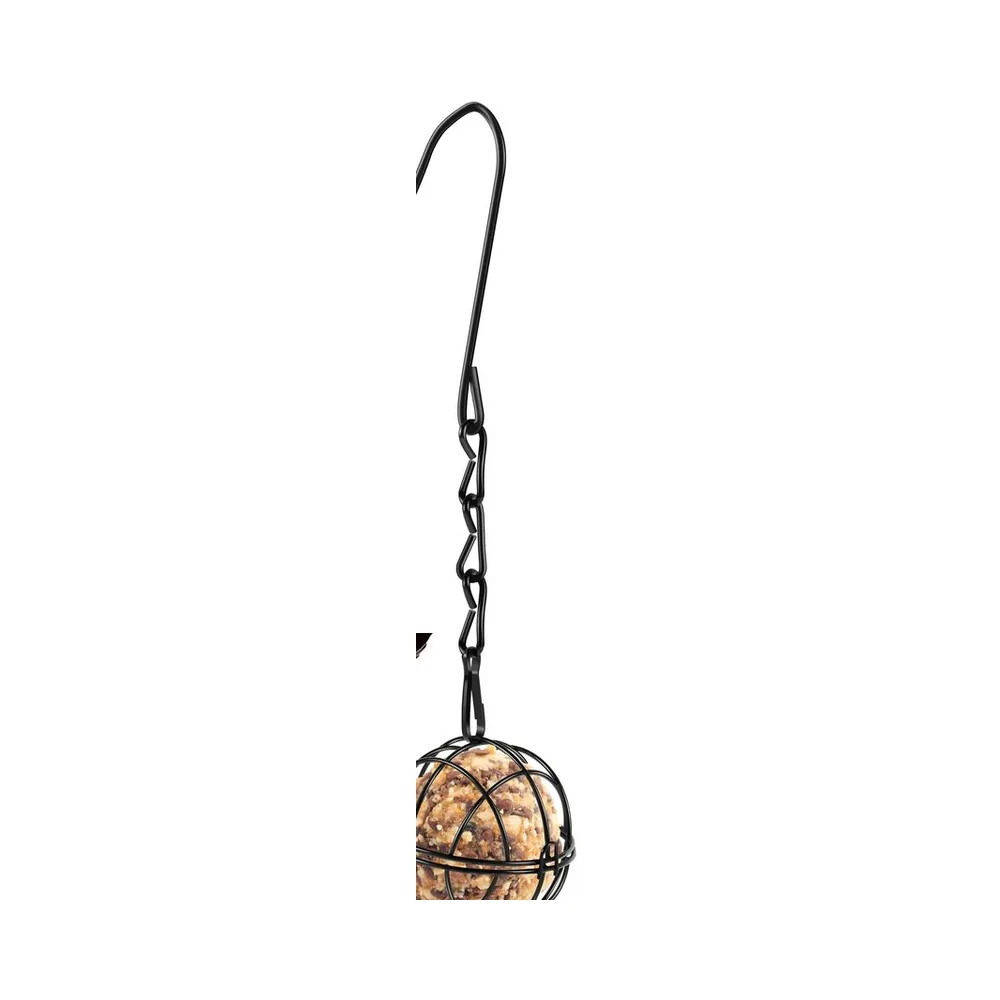
 Hanging Metal Fat Ball Feeders (Set of Four)
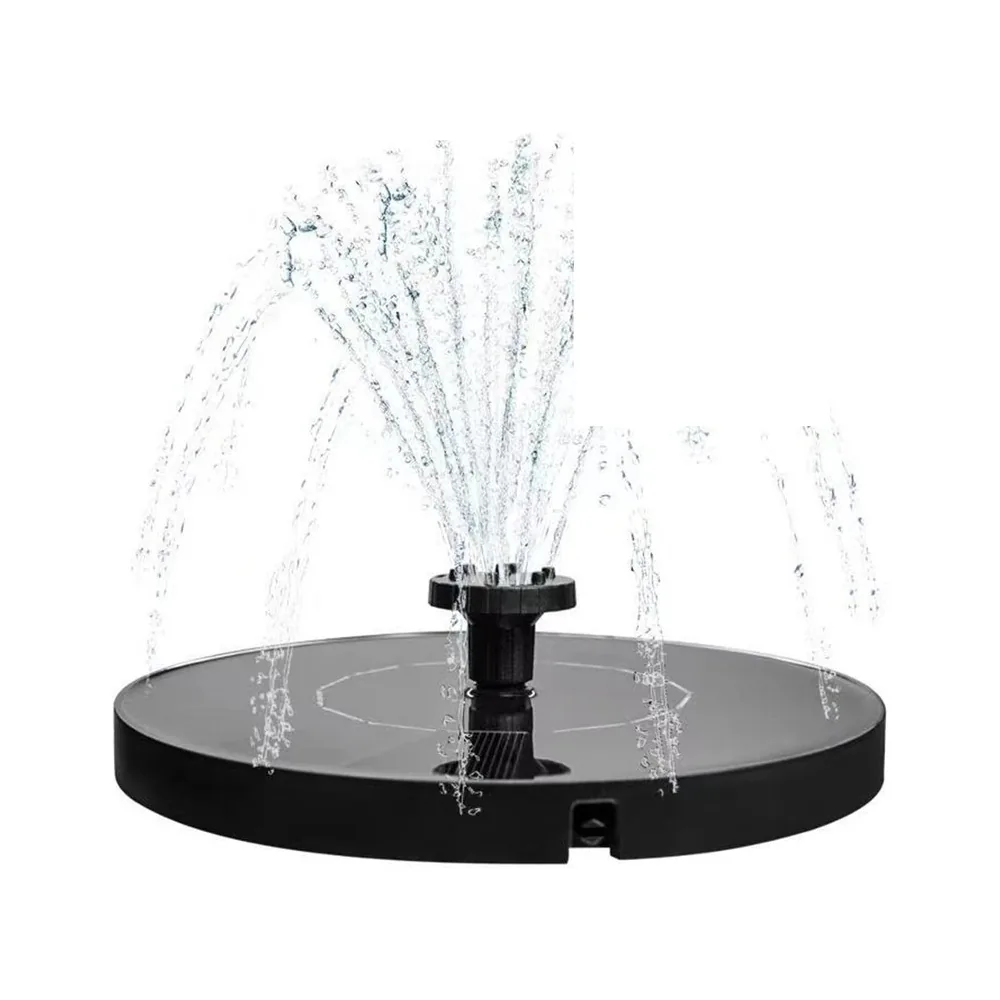 Solar Fountain for Your Bird Bath
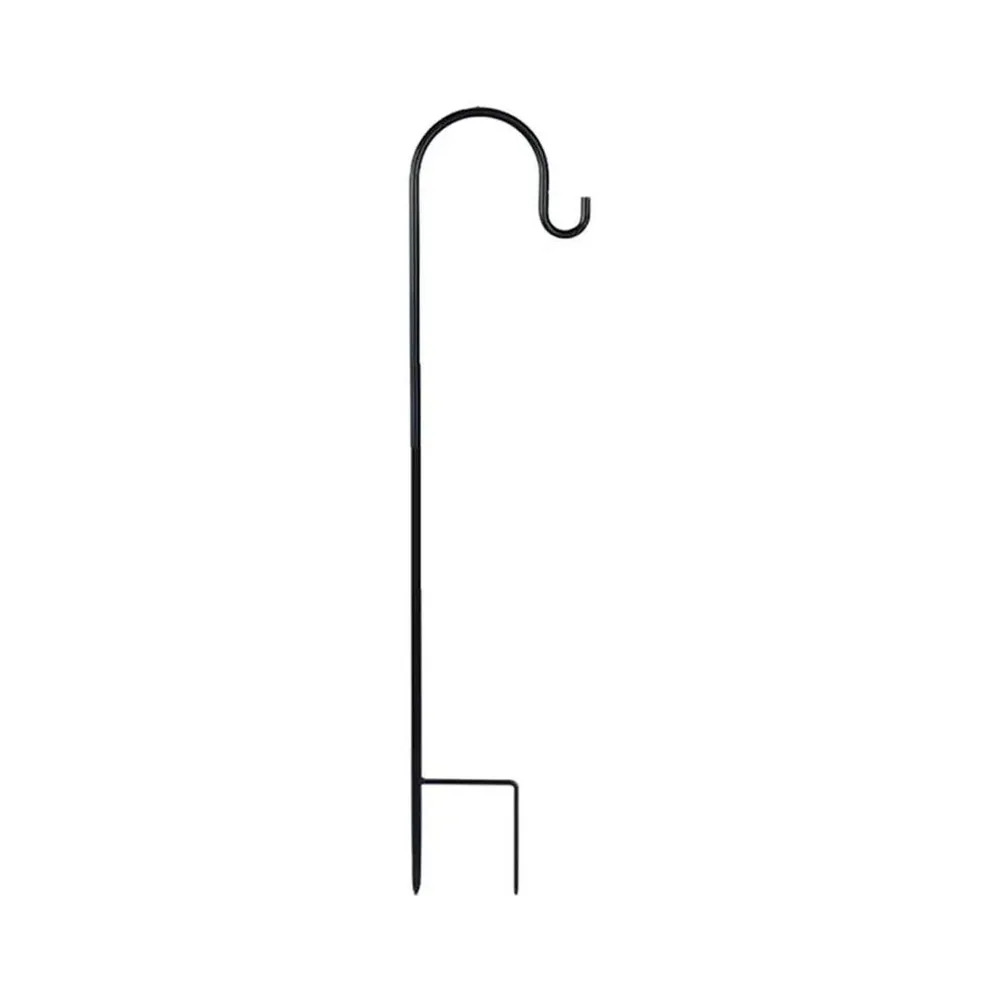 Shepherd Hook Feeder Pole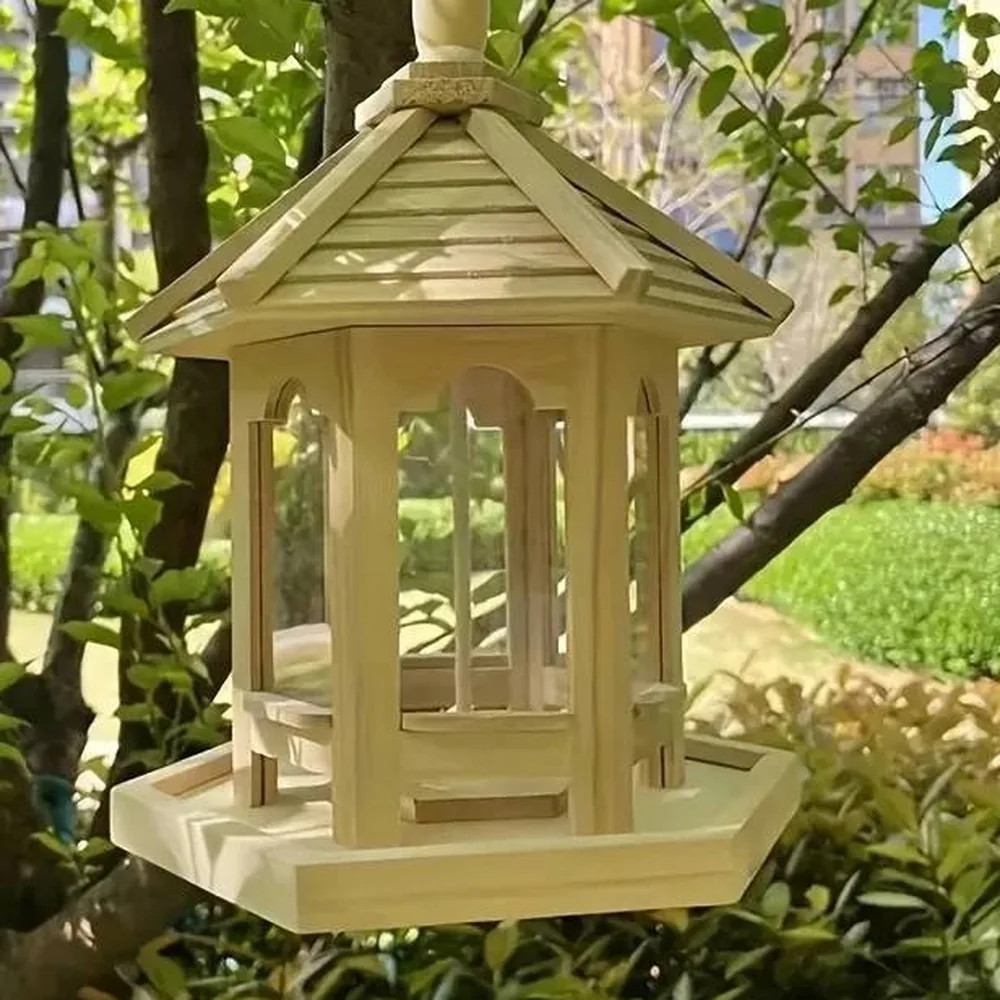
Wooden Feeders
Timber weathers into a garden rather than sitting on top of it, and a slatted roof sheds drizzle. Wooden feeders suit gardens where the feeder is part of the view.
1 item
No matches
Nothing in this range fits every filter at once. Clear one and try again.
Are wooden bird feeders any good in British weather?
Good, if the design sheds water. Timber weathers into a garden rather than sitting on top of it, and a sloped or slatted roof keeps seed dry through drizzle. British Bird Feeders stocks wooden feeders with open sides that suit robins, tits and finches and dry out quickly after rain.
- Wood looks settled in a garden in a way plastic never does.
- A sloped roof and open sides let the feeder dry between showers.
- Never treat a bird feeder with wood preservative or creosote.
- Raw timber will silver over time — that is weathering, not rot.
- Scrub with hot water only and let it dry fully before refilling.
Common questions
Questions about wooden feeders
Several seasons if it can dry out between showers and is not sitting in constant shade. Silvering is normal weathering, not decay. Feeders fail where water pools — check the base and the roof joint each spring, and keep it out of the dampest, darkest corner of the garden.
Do not use preservative, creosote or ordinary outdoor paint on any surface birds contact. The fumes and residues are harmful in an enclosed feeding space. If you must treat one, use a water-based product certified as safe for animal housing, and only on the outer roof, never inside.
Brush out old seed, scrub with hot water and a stiff brush, and let it dry completely before refilling — timber holds moisture far longer than metal. Avoid soaking it or using strong detergent. Cleaning every two weeks is enough, but never put fresh seed onto a damp surface.