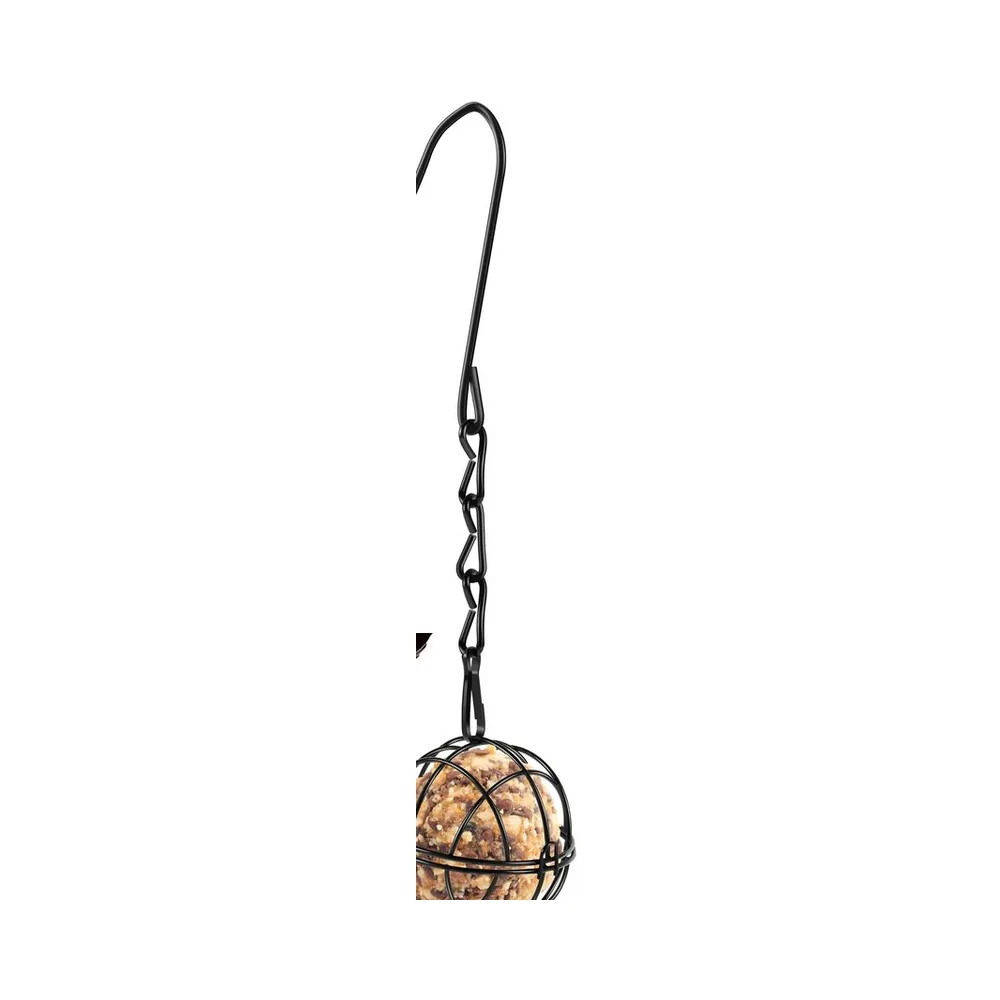
 Hanging Metal Fat Ball Feeders (Set of Four)
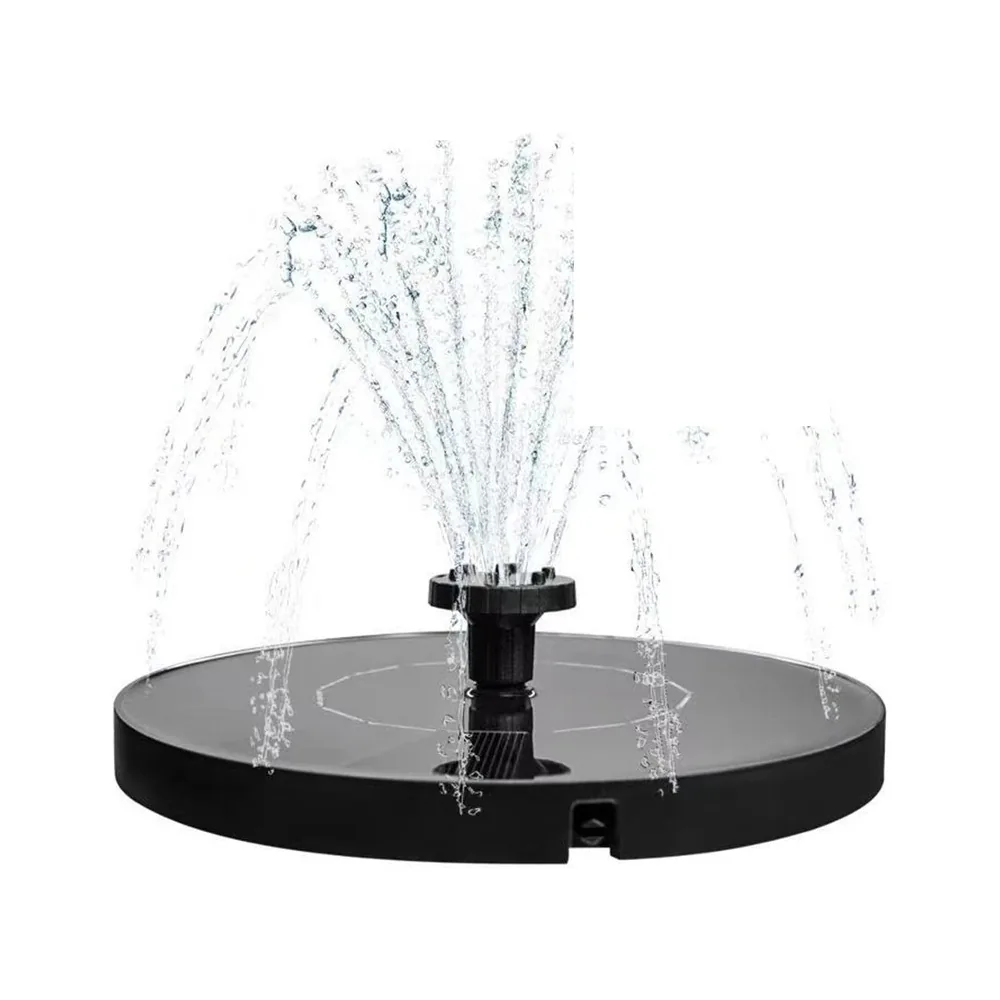 Solar Fountain for Your Bird Bath
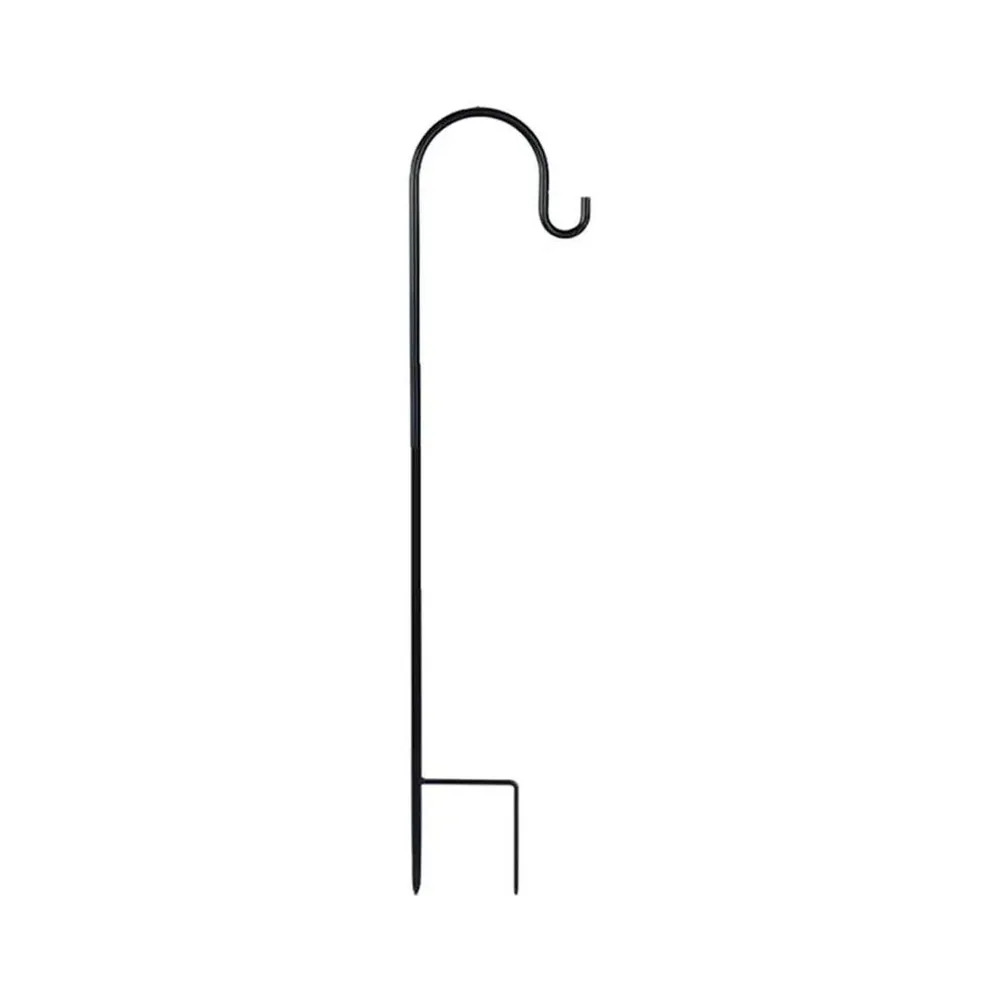 Shepherd Hook Feeder Pole
Quick answer: Match the food to the feeder and the birds follow: sunflower hearts in a tube feeder for tits and finches, nyjer in a fine-port feeder for goldfinches, peanuts in mesh, suet in a cage feeder, and mealworms in a dish for robins. The wrong pairing wastes food and attracts nobody.
A bag of nyjer seed poured into a wide-ported tube runs straight through onto the lawn, and the goldfinches never come. That one mismatch is the most common mistake I see, and it is pure waste: good food, wrong feeder, no birds. Get the pairing right and everything changes. When people ask me about bird feed and feeders, I give them the same plain-English map every time, so they never bin a bag of seed again. I am Priyanka, and here is the whole thing.
Think of it as a chain. The food decides the feeder, and the feeder decides the bird. Sort the middle link and the rest falls into place.
Seed Feeders and Sunflower Hearts
Sunflower hearts are the best all-round garden food in Britain, full stop. High energy, no husk mess, and eaten by almost everything: tits, finches, sparrows and more. They belong in a standard tube seed feeder with medium ports. The regulars here are blue tits, great tits, greenfinches, chaffinches and house sparrows, and a seed catcher tray underneath keeps the ground tidy and the rats uninterested.
Nyjer Feeders for Goldfinches
Nyjer, also spelled niger, is a tiny, oil-rich black seed. It needs a fine-ported nyjer seed feeder, because ordinary ports let it spill everywhere. It is the classic way to draw in goldfinches, and once a charm of them finds it, they rarely leave.
Peanut Feeders
Whole peanuts should never be offered loose in spring and summer, because a whole nut can choke a chick. A mesh peanut feeder forces birds to peck small fragments, which is exactly what you want. Great tits, blue tits and the occasional great spotted woodpecker are the regulars. The RSPB has clear guidance on safe peanut feeding, worth reading before you start RSPB, Feeding garden birds.
Fat Balls and Suet
In cold weather, fat is life. Fat balls and suet blocks deliver dense energy when birds need it most. Use a proper fat ball and suet feeder and always strip off any nylon nets first, as birds tangle their feet in them. Long-tailed tits in particular will pour in for suet.
Mealworms
Mealworms, live or dried, are the food that turns a robin into a regular. They work best in a shallow dish so they cannot be flicked out and lost. Dried mealworms are easier to store; soak them in warm water during dry spells to help with hydration.
Coconut and Peanut-Butter Feeders
Half-coconuts filled with suet, and bird-safe peanut butter, make brilliant winter treats. Never use salted or standard supermarket peanut butter, because salt harms small birds. Only ever offer products made for birds.
Window Feeders and Small Spaces
No garden? A window bird feeder gives balcony and flat dwellers a front-row seat, sticking to the glass and suiting tits and sparrows. It is also the surest way I know to get a child hooked on birds, because the first blue tit landing an inch from your nose is hard to forget.
Ground Feeders, Tables and the Shy Birds
Some birds simply will not use a hanging feeder. Blackbirds, robins, dunnocks and wrens prefer to feed low down. A ground feeder or a traditional bird table serves them, and a table also lets you offer a mix that hanging feeders cannot hold, such as mealworms and softbill mixes together.
Bird Feed and Feeders: The Pairing Chart
Here is the whole thing at a glance.
- Sunflower hearts, tube seed feeder, for tits, finches and sparrows.
- Nyjer seed, fine-port nyjer feeder, for goldfinches.
- Peanuts, mesh peanut feeder, for tits and woodpeckers.
- Fat balls and suet, suet feeder, for long-tailed tits and tits.
- Mealworms, dish or shallow feeder, for robins and blackbirds.
- Peanut butter and coconut, half-coconut, for tits and wrens.
- Mixed seed, bird table or ground feeder, for dunnocks, blackbirds and sparrows.
The British Trust for Ornithology's long-running Garden BirdWatch shows how varied a garden's visitors become once you offer more than one food type BTO, Garden BirdWatch.
The same pairings, laid out as a table you can check against the shed shelf.
| Food | Right feeder | Birds attracted | Worth knowing |
|---|---|---|---|
| Sunflower hearts | Tube seed feeder | Tits, finches, sparrows | Best all-round starter food |
| Nyjer seed | Fine-port nyjer feeder | Goldfinches, siskins | Runs straight through standard ports |
| Peanuts | Steel mesh feeder | Tits, great spotted woodpeckers | Never loose whole nuts in nesting season |
| Fat balls and suet | Suet cage feeder | Long-tailed tits, tits | Remove any netting before hanging |
| Mealworms | Dish or tray feeder | Robins, blackbirds | Soak dried worms in warm water |
| Mixed seed | Bird table or ground tray | Dunnocks, blackbirds, sparrows | Avoid mixes padded with cheap wheat |
Keeping It Hygienic
Whatever the food, cleanliness is not optional. Damp seed grows mould, and dirty feeders spread disease between birds. Choose feeders that come apart for washing, keep a couple on rotation so one can dry, and stock up on the basics from our cleaning and hygiene range. A clean feeder is a kind feeder.
Bringing It Together
Once you see bird feed and feeders as a matched pair, buying becomes easy and waste disappears. Start with sunflower hearts in a tube feeder, add a nyjer feeder for finches and a suet feeder for winter, and you will cover the vast majority of British garden birds.
To choose your very first feeder wisely, read our Best Bird Feeders buyer's guide. And to work out which food draws which species, the How to Attract UK Garden Birds guide takes it bird by bird.
Frequently Asked Questions
Can I put any seed in any feeder? No. Fine seeds like nyjer need a special fine-ported feeder, peanuts need a mesh cage, and fat balls need a suet feeder. Matching food to the right feeder prevents waste and keeps birds safe.
What is the best single food to start with? Sunflower hearts in a tube seed feeder. They are high-energy, leave no husk mess, and are eaten by almost every common garden bird, from blue tits to greenfinches.
Are peanuts safe for garden birds? Yes, when offered in a mesh peanut feeder that only allows small fragments. Never put out whole loose peanuts in spring or summer, as a whole nut can choke a nestling.
About the author Priyanka Shah - The right feeder for the right food Priyanka is a Reading-based garden writer with an RHS Level 2 qualification who came to birdwatching through wildlife gardening. She loves matching feeders to foods and species and testing what actually draws visitors in. Her small suburban garden hosts a surprising roll-call of finches and tits. Writing for British Bird Feeders.