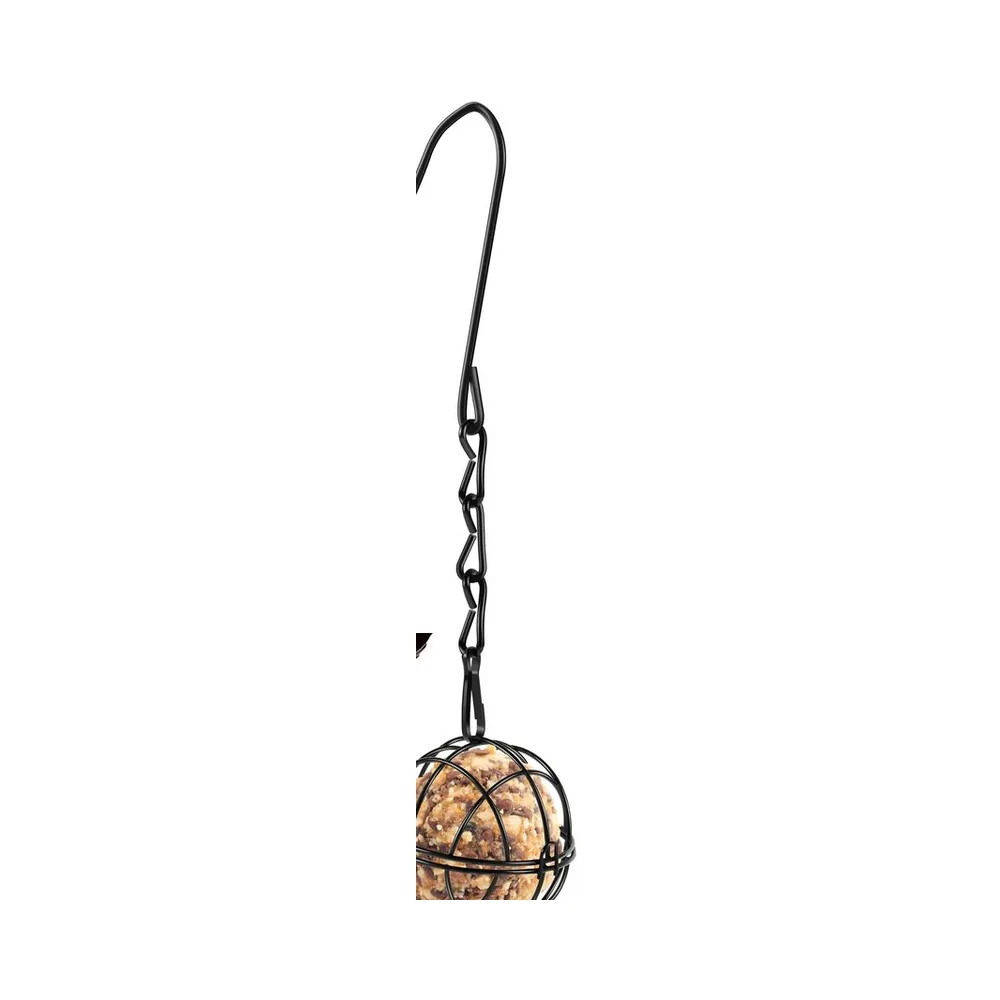
 Hanging Metal Fat Ball Feeders (Set of Four)
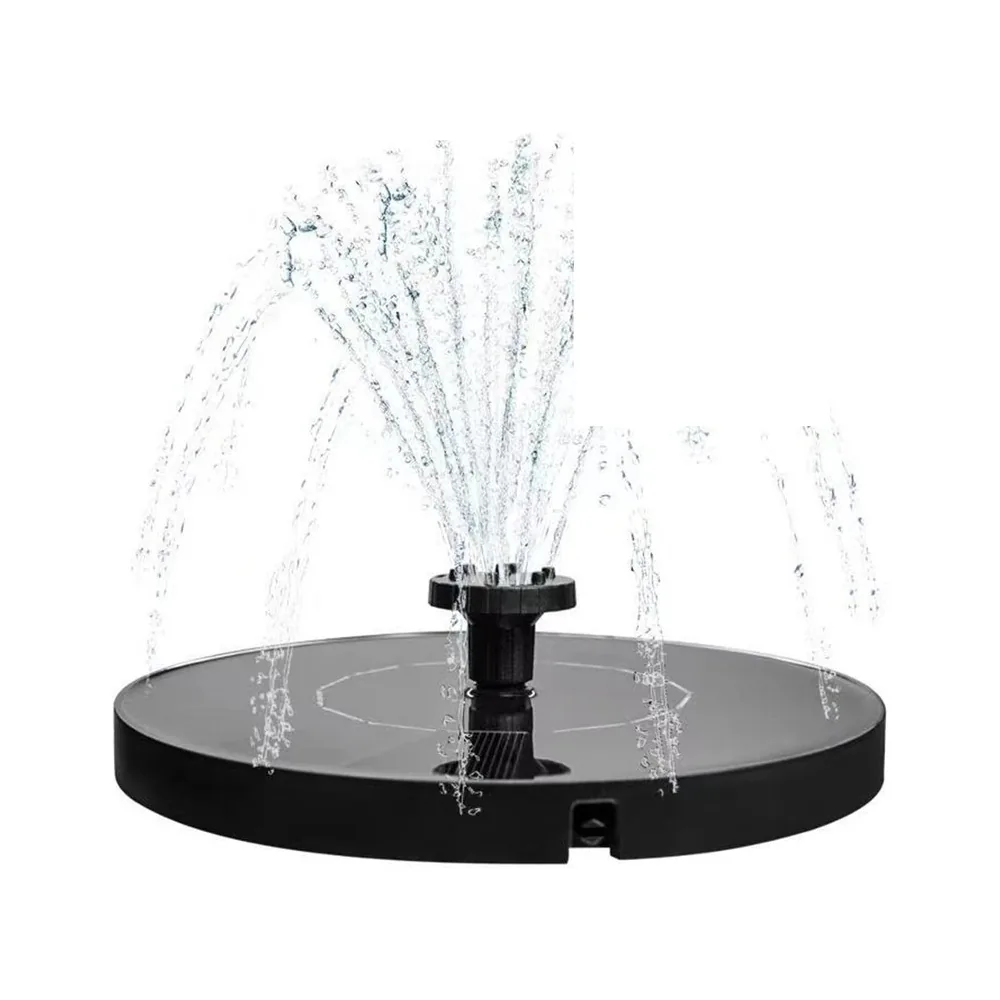 Solar Fountain for Your Bird Bath
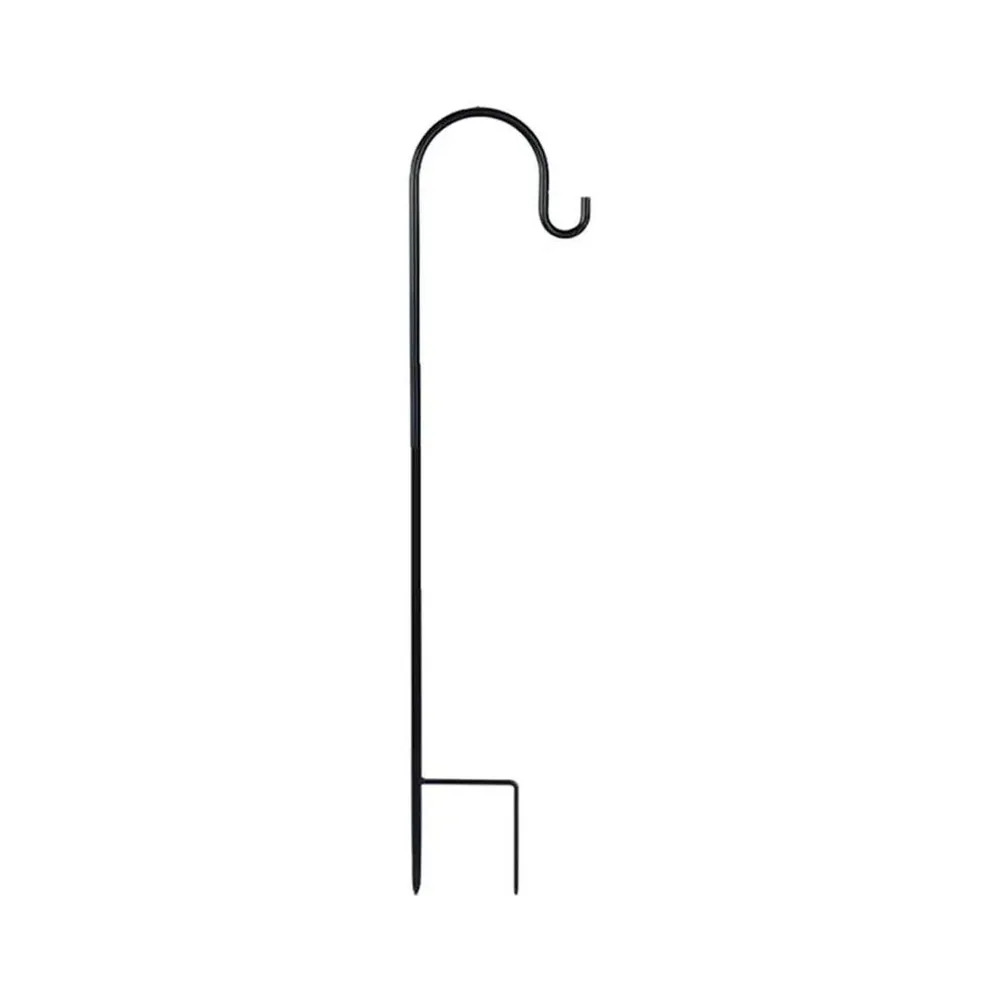 Shepherd Hook Feeder Pole
Quick answer: The best bird feeder for most UK gardens is a hanging tube seed feeder filled with sunflower hearts, which suits tits, finches and sparrows alike. Choose a metal, easy-clean model with good drainage, hang it near cover, and add peanut, suet or nyjer feeders once the first visitors settle in.
The best bird feeder is the one your birds actually use, and that is almost never the flashiest one on the shelf. I learned this the slow way. A clever six-port tube I was rather proud of hung empty for a fortnight while the goldfinches queued on a neighbour's plain little feeder. Choosing the best bird feeders for a UK garden comes down to three things fitting together: the feeder, the food, and the birds you actually have. I am Priyanka, and after years of testing feeders in my small Reading garden, I can save you that empty fortnight.
This guide covers what a beginner really needs. The main feeder types, how to spot build quality that survives a British winter, what to spend, and where to start if you have never hung a feeder in your life. No jargon, no upselling. Just the friend-who-already-read-the-reviews version.
Start With the Birds You Want to See
Before you buy anything, spend a week at the window. UK gardens draw a fairly predictable cast: blue tits, great tits, robins, house sparrows, blackbirds, goldfinches, greenfinches, chaffinches, dunnocks and wrens. Each has a preference, and matching it is half the job.
- Tits and finches cling happily to hanging tube feeders and love sunflower hearts and nyjer seed.
- Robins, dunnocks and blackbirds are ground feeders at heart and prefer a bird table or a low tray.
- Sparrows arrive in cheerful gangs and want room to squabble.
The RSPB's guidance on garden feeding is a sensible, free place to learn who eats what RSPB, Feeding garden birds.
The Main Feeder Types Explained
Here is the honest breakdown of what most people end up buying.
- Tube seed feeders. The classic hanging feeder with several ports, and the best all-rounder for tits and finches. If you want one workhorse to begin with, a good seed feeder is it.
- Peanut feeders. A mesh cage that lets birds peck fragments rather than take whole nuts. Great for tits and the odd woodpecker.
- Fat ball and suet feeders. Dense winter energy that long-tailed tits adore.
- Nyjer feeders. Fine-ported feeders for the tiny black seed that goldfinches cannot resist.
- Window feeders. Suction-cup feeders for balconies, flats and close-up watching.
- Bird tables and ground feeders. For the birds that will never touch a hanging feeder.
If you want the deeper detail on which feeder suits which food, our companion Bird Feed and Feeders guide works through every food type in turn.
Here is how the main feeder types compare at a glance.
| Feeder type | Best food | Birds attracted | Squirrel-proof option |
|---|---|---|---|
| Tube seed feeder | Sunflower hearts | Tits, finches, sparrows | Weight-activated or caged version |
| Peanut feeder | Peanuts | Tits, great spotted woodpeckers | Caged mesh version |
| Fat ball and suet feeder | Fat balls, suet blocks | Long-tailed tits, tits, starlings | Caged suet feeder |
| Nyjer feeder | Nyjer seed | Goldfinches, siskins | Rarely needed, squirrels mostly ignore nyjer |
| Window feeder | Sunflower hearts, mealworms | Tits, robins | Not usually needed on glass |
| Bird table or ground feeder | Seed mixes, mealworms | Robins, blackbirds, dunnocks | Ground guard cage |
What Makes the Best Bird Feeders Worth Buying
This is where beginners get caught out, so let me be blunt. A cheap feeder that cracks after one wet winter is not a bargain, it is landfill with a bird on it. When you compare options, check five things.
- Weatherproofing. UK weather is relentless drizzle broken by proper downpours. Metal and quality plastic outlast flimsy thin plastic.
- Easy cleaning. This is not optional. Feeders that come apart for washing keep birds healthy; sealed, fiddly ones grow mould you cannot reach. If low effort matters, start with no-mess and easy-clean feeders.
- Drainage. A base that lets rain escape stops seed turning to sludge.
- The right ports. Small ports for small seed, mesh for peanuts, wide trays for tables. A mismatch just makes waste.
- Somewhere to hang it. No tree or bracket? A pole solves it, and the sturdy Shepherd Hook Feeder Pole goes up in five minutes.
Budget: What to Spend and Where
You do not need to spend a fortune to start well. Put your money into one good feeder and good food rather than three cheap feeders that all disappoint at once. The British Trust for Ornithology notes that consistent, hygienic feeding matters far more than the number of feeders you own BTO, Garden BirdWatch.
A sensible first setup is one quality feeder, a bag of sunflower hearts, and a pole or bracket if you have nowhere to hang it. Add a second feeder and a bird bath once you see who turns up.
A Simple Starter Setup That Works
If you want a fool-proof beginning, here is what I tell friends every time.
- One hanging seed feeder filled with sunflower hearts.
- A seed catcher tray underneath to cut mess and deter ground pests.
- A pole if you have no tree.
- A shallow bird bath nearby, because water pulls in as many birds as food does.
Site it a few metres from cover such as a shrub, so birds feel safe but cats cannot ambush them. Keep it clean, keep it stocked, and be patient. It can take a fortnight for birds to find a new feeder, and then, all at once, your garden is busy.
Bringing It Together
The best bird feeders are the ones that suit your birds, survive your weather, and are easy to keep clean. Start small, watch who arrives, and build from there. Ignore the gimmicks until you have mastered one good feeder and fresh food, because that is the whole game in miniature.
When you are ready to see off the local grey acrobats, our Squirrel and Pest-Proofing guide is the next read. And if water is on your mind, the Bird Baths and Feeders guide will steer you right.
Frequently Asked Questions
What is the best bird feeder for a beginner? A single hanging tube (seed) feeder filled with sunflower hearts is the easiest, most reliable start. It suits tits, finches and sparrows, is simple to clean, and needs only a branch, bracket or pole to hang from.
Where should I put my bird feeder? Place it a few metres from a shrub or hedge so birds have quick cover, but not right against dense planting where cats can hide. Keep it away from windows birds might fly into, as mid-distance from glass is the riskiest spot of all.
How much should I spend on my first feeder? Spend on one good-quality feeder rather than several cheap ones. A durable, easy-clean feeder plus a bag of sunflower hearts is a better investment than a bargain feeder that cracks in its first winter.
About the author Priyanka Shah - The right feeder for the right food Priyanka is a Reading-based garden writer with an RHS Level 2 qualification who came to birdwatching through wildlife gardening. She loves matching feeders to foods and species and testing what actually draws visitors in. Her small suburban garden hosts a surprising roll-call of finches and tits. Writing for British Bird Feeders.