 Solar Fountain for Your Bird Bath
 Shepherd Hook Feeder Pole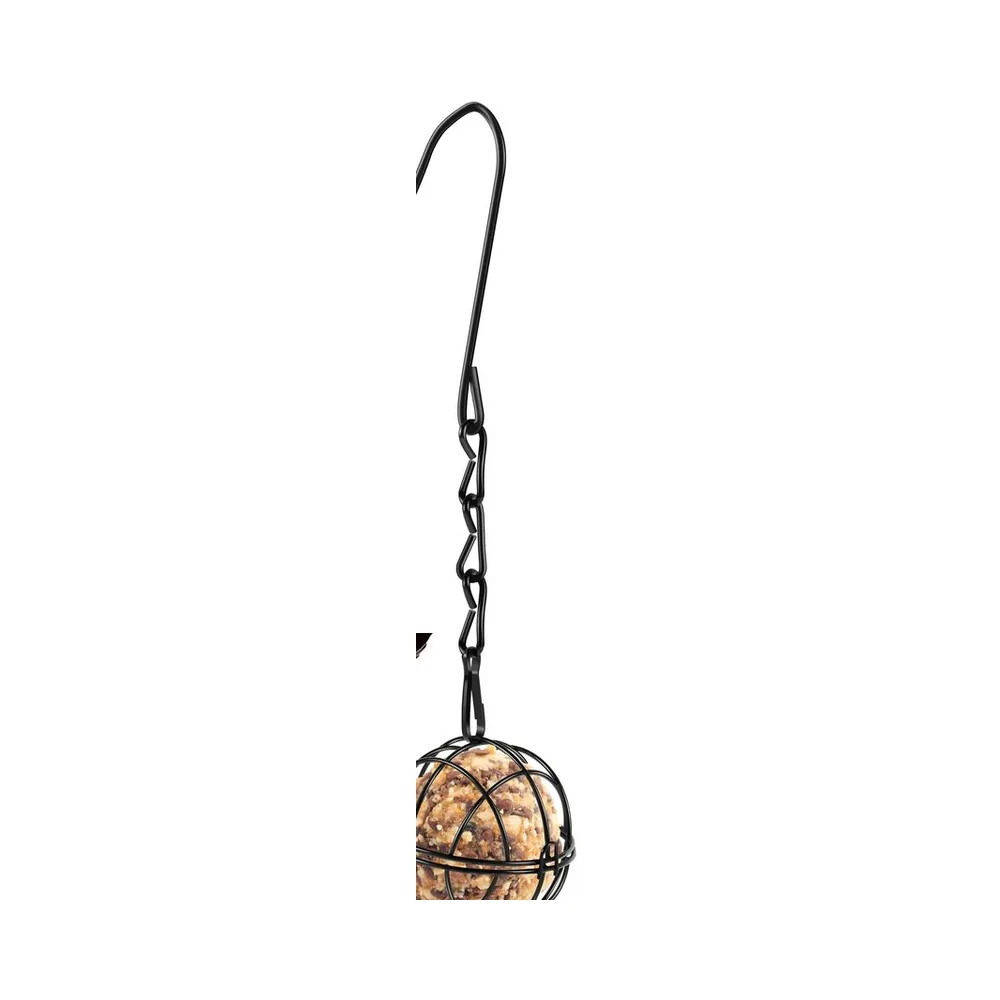
Fat Ball & Suet Feeders
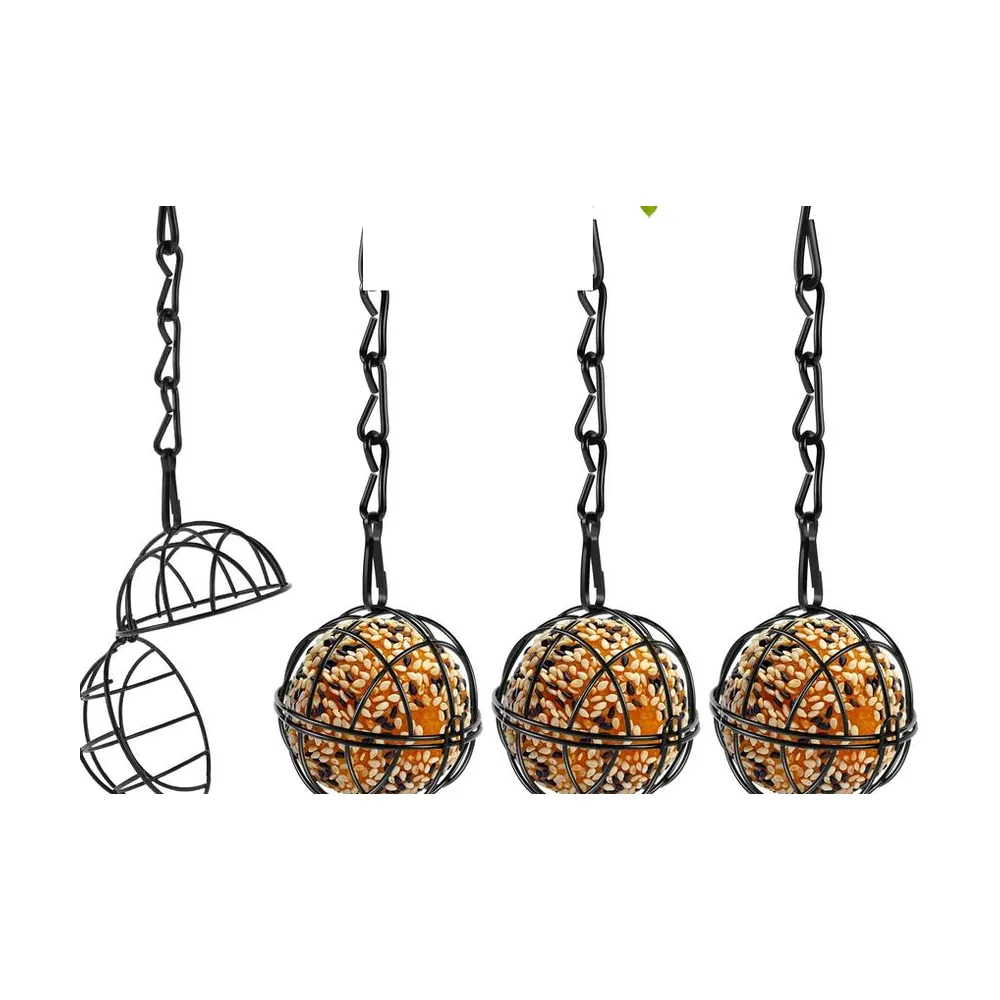
Fat and suet are the highest-energy food you can offer, and in a cold snap they are what keeps small birds alive overnight. These metal cage feeders hold standard fat balls, resist a determined beak, and let blue tits, great tits and long-tailed tits feed several at a time.
3 items
No matches
Nothing in this range fits every filter at once. Clear one and try again.
What is the best feeder for fat balls?
A metal cage feeder that holds the ball without its net. British Bird Feeders stocks hanging cage feeders that let blue tits, great tits and long-tailed tits feed several at a time, resist a determined beak, and keep the fat off the ground where it would otherwise draw rats.
- Always remove the plastic net — birds catch their feet and beaks in it.
- Fat and suet are the highest-energy food you can offer in a cold snap.
- Long-tailed tits arrive in flocks of eight or ten and go straight for fat.
- Cage designs keep starlings and woodpigeons off the ball.
- In hot weather soft fat can go rancid — put out less, more often.
Common questions
Questions about fat ball & suet feeders
Always. The plastic netting round supermarket fat balls traps birds' feet and can catch a beak, and birds have been badly injured by it. Cut the net off completely and put the bare ball into a metal cage feeder, which holds it just as well and lets several birds feed at once.
Blue tits, great tits, coal tits and long-tailed tits are the most enthusiastic, along with starlings, house sparrows and, at ground level, robins and dunnocks picking up crumbs. Fat is the highest-energy food you can offer, which is why a fat ball feeder empties fastest during a hard frost.
Yes, but choose good-quality hard fat balls and put out less at a time. Soft fat can go rancid in heat and may smear on adult feathers. Avoid loose fat and whole peanuts during the nesting season, when adults carry food straight back to chicks that cannot handle either.