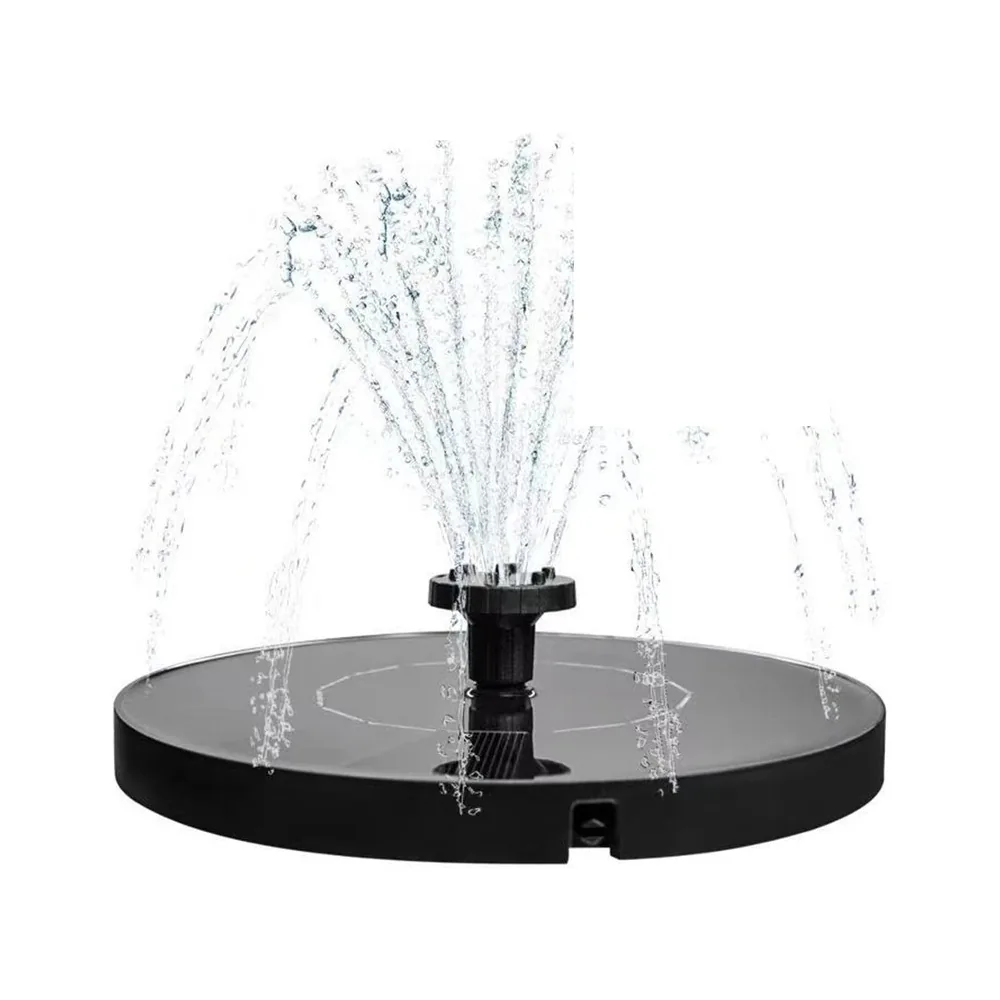
 Solar Fountain for Your Bird Bath
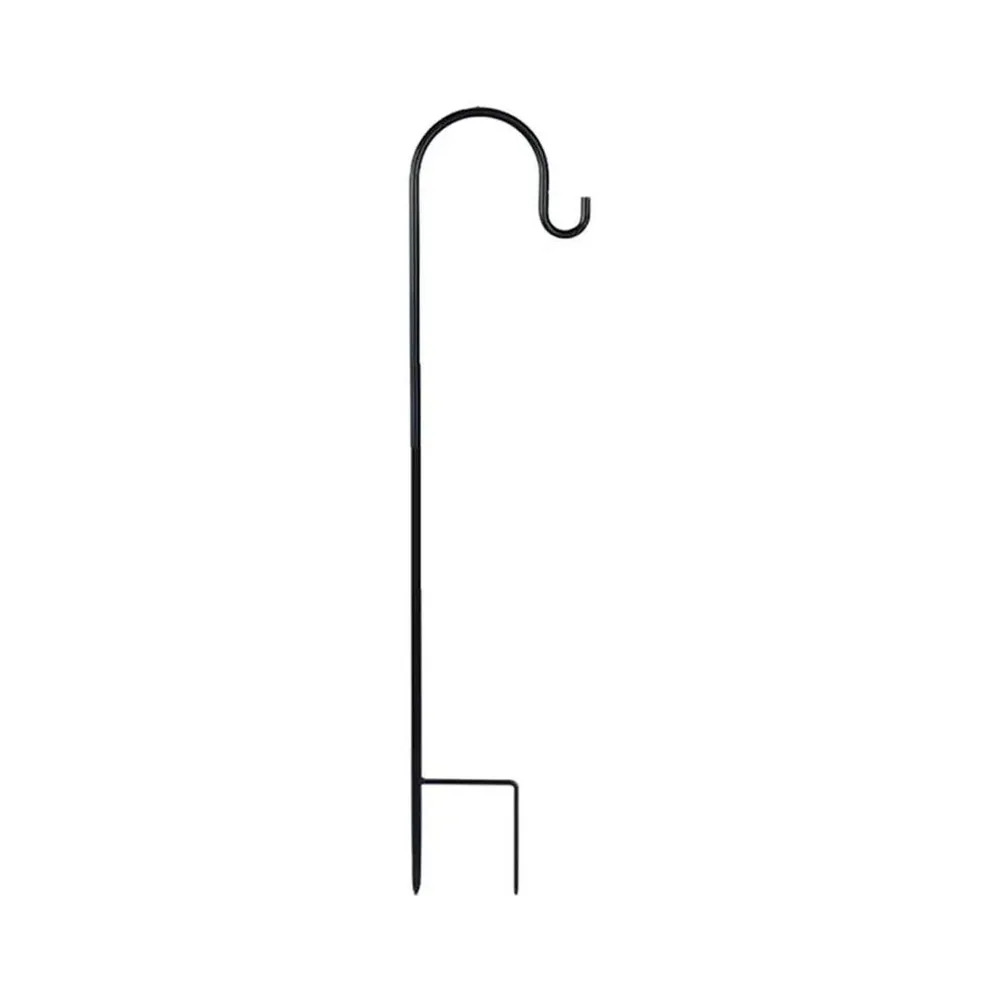 Shepherd Hook Feeder Pole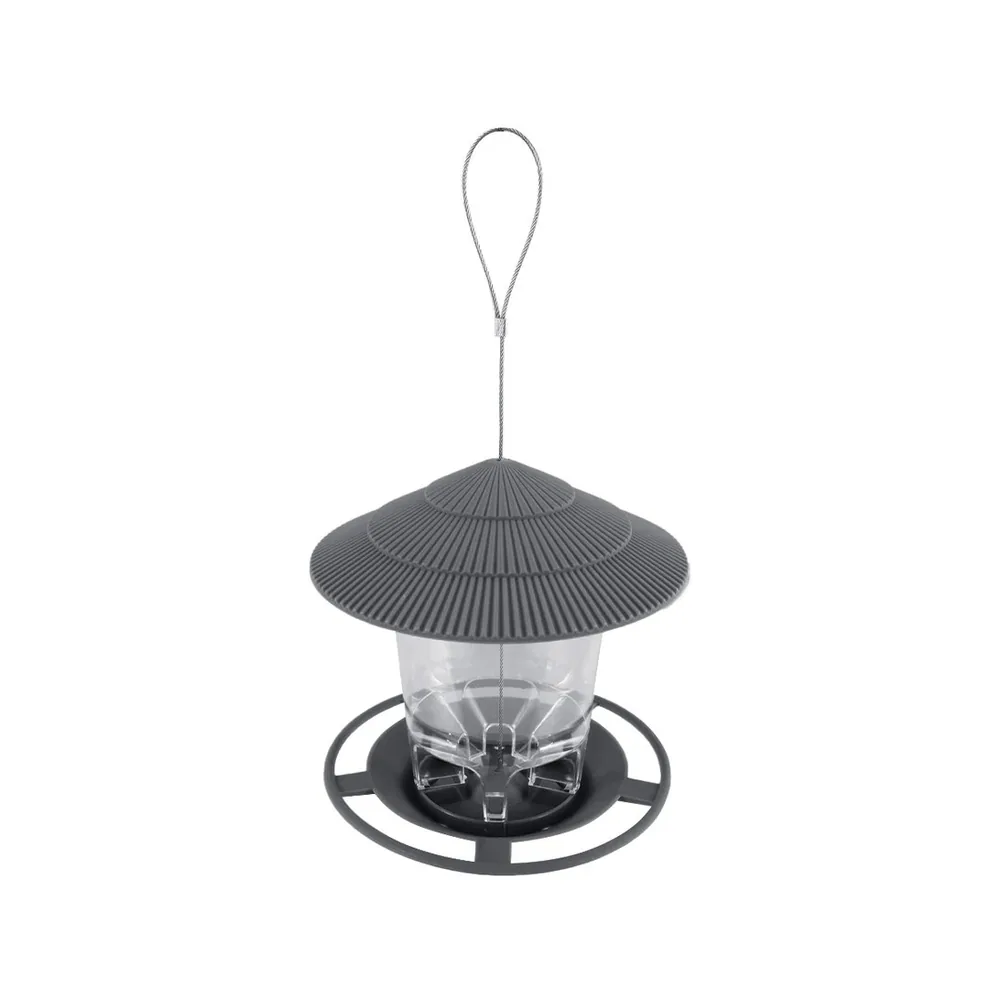
Hanging Feeders
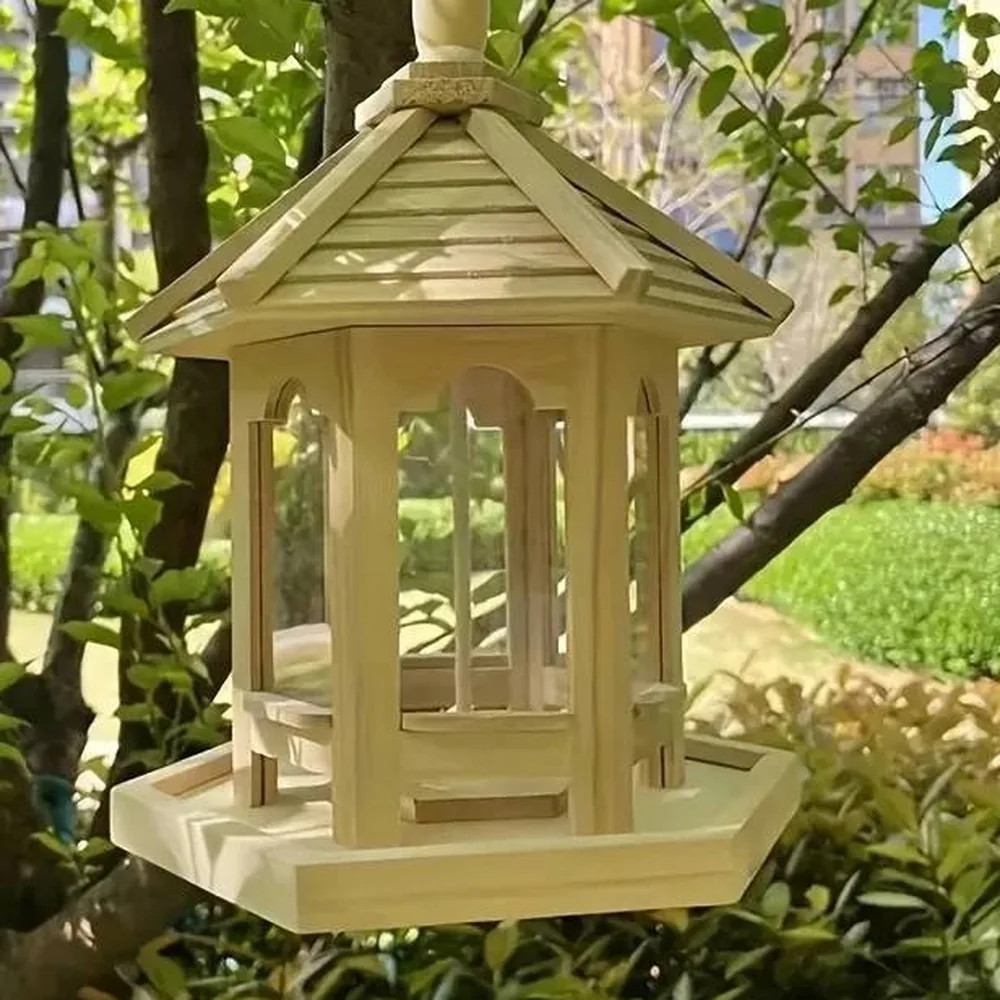
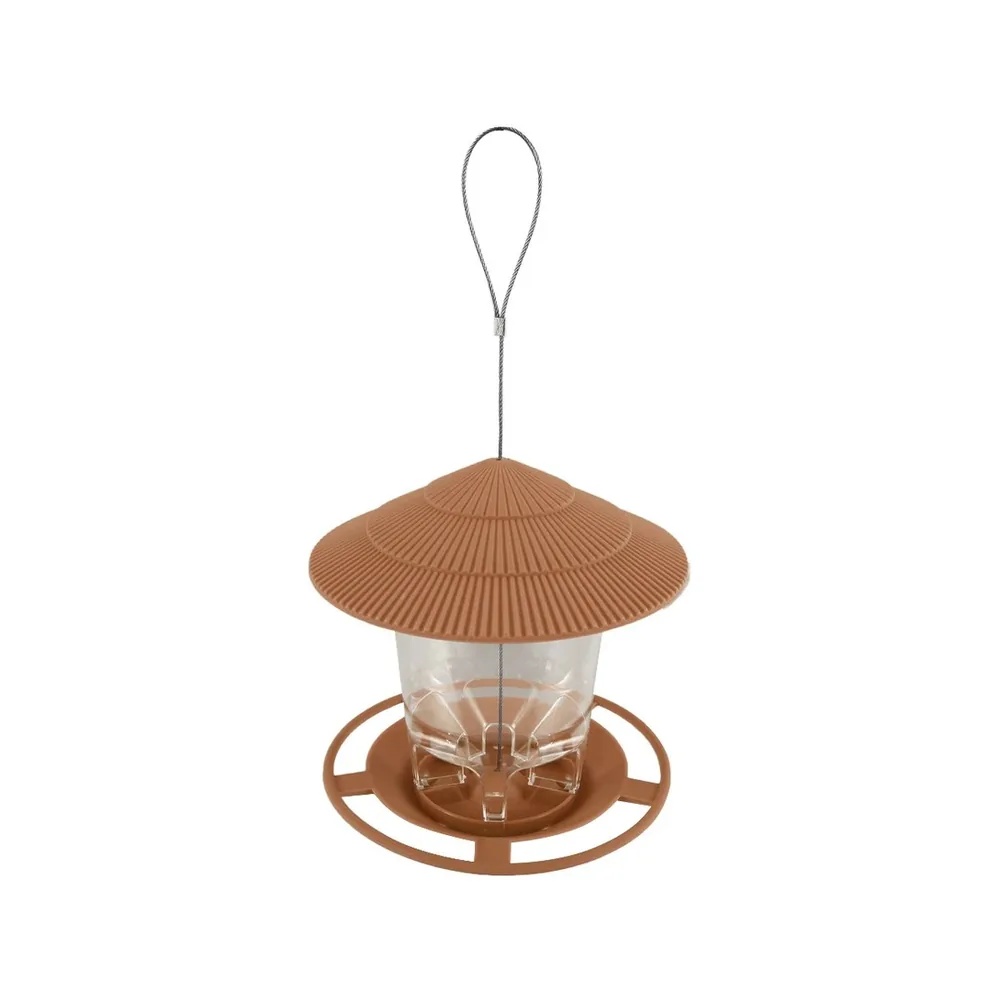
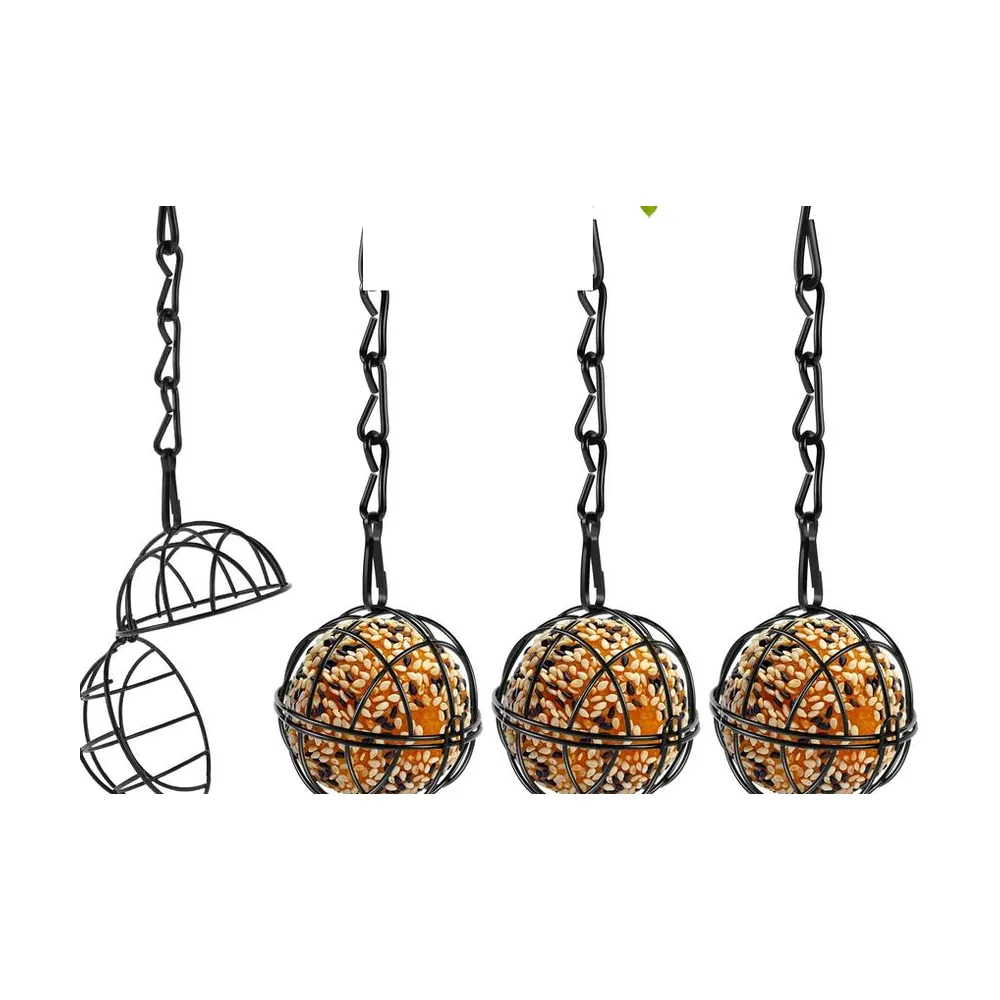
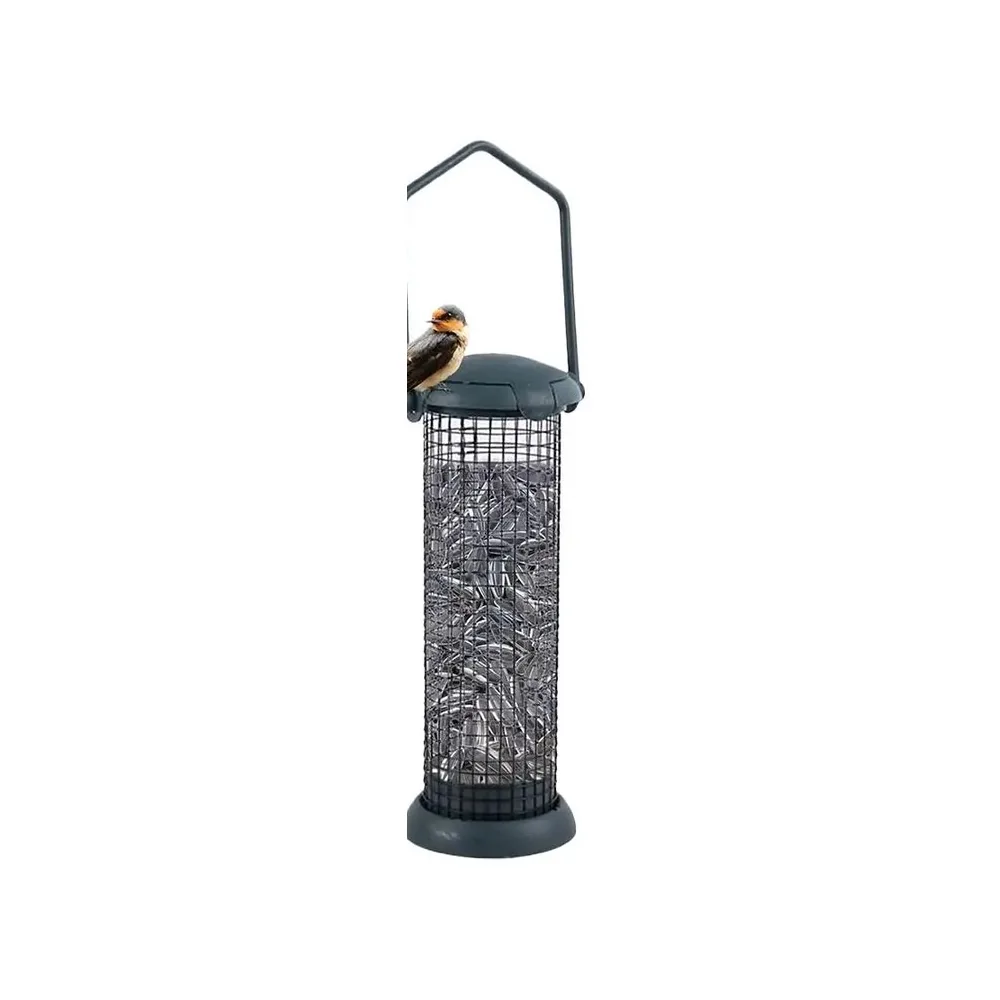
Anything that hangs from a branch, a bracket, a pole or a feeding station. Hanging is the format tits and finches prefer, because clinging is what they do best.
6 items
No matches
Nothing in this range fits every filter at once. Clear one and try again.
Why do most garden birds prefer hanging feeders?
Because clinging is what tits and finches do naturally, and a hanging feeder keeps food off the wet ground and away from the birds that would otherwise bully them off it. British Bird Feeders stocks hanging cages, sheltered seed feeders and peanut feeders that fit any branch, bracket or shepherd hook.
- Blue tits, great tits, goldfinches and greenfinches all cling to feed.
- Hanging keeps seed off wet ground, which matters more than cold in a British winter.
- A swinging feeder deters heavier birds like pigeons and some squirrels.
- Hang two metres from any launch point a squirrel could jump from.
- Fits branches, wall brackets, feeding stations and shepherd hook poles.
Common questions
Questions about hanging feeders
About 1.5 to 2 metres from the ground — high enough to be out of a cat's reach, low enough to refill without a ladder. What matters more is the horizontal clearance: keep at least two metres between the feeder and any fence, wall or branch a squirrel could launch from.
Yes, and birds like the nearby cover, but choose a thin outer branch rather than a thick limb next to the trunk. Squirrels run trunks and heavy branches easily. A slim branch that flexes under weight, or a shepherd hook out in open lawn, gives you far fewer problems.
Wind, usually, or a heavy bird landing. A little movement is fine and actually deters pigeons, but constant swinging spills seed and puts smaller birds off. Shorten the chain, hang it from a sheltered spot, or move it to a pole where the fixing point does not move with the tree.