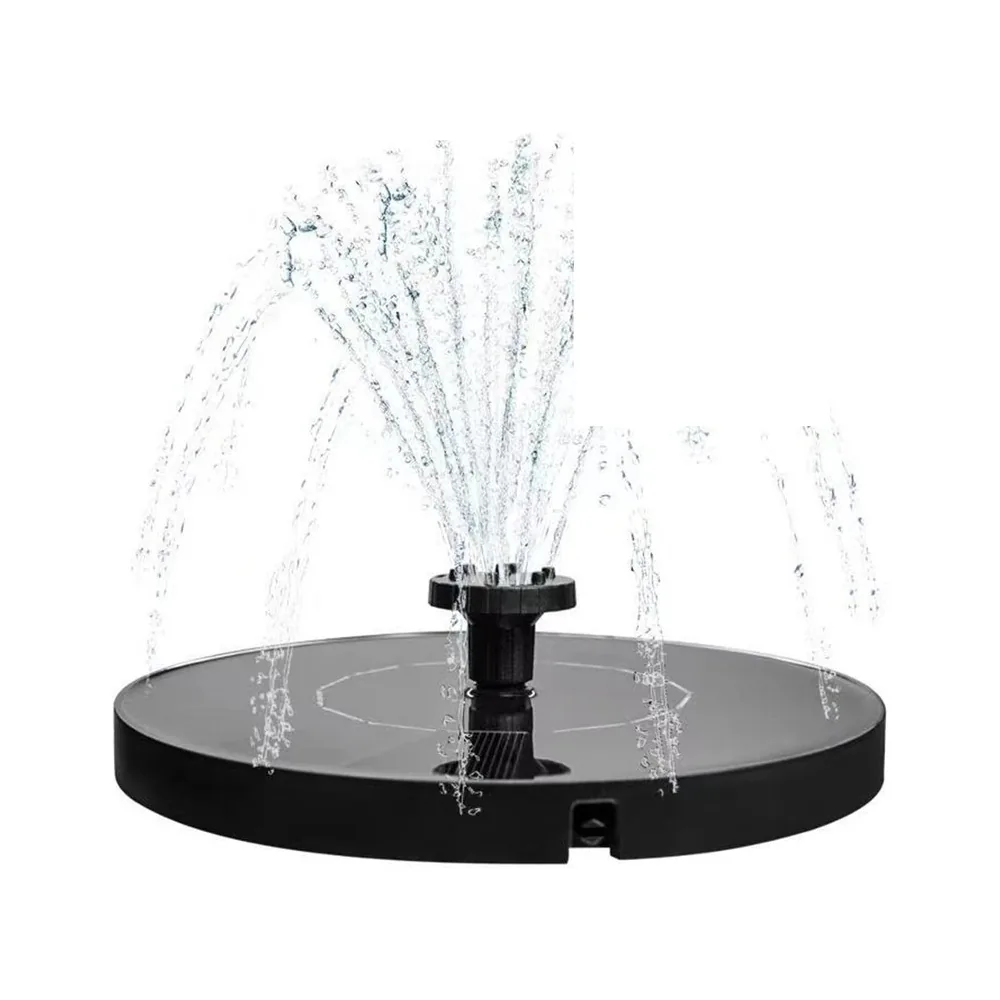
 Solar Fountain for Your Bird Bath
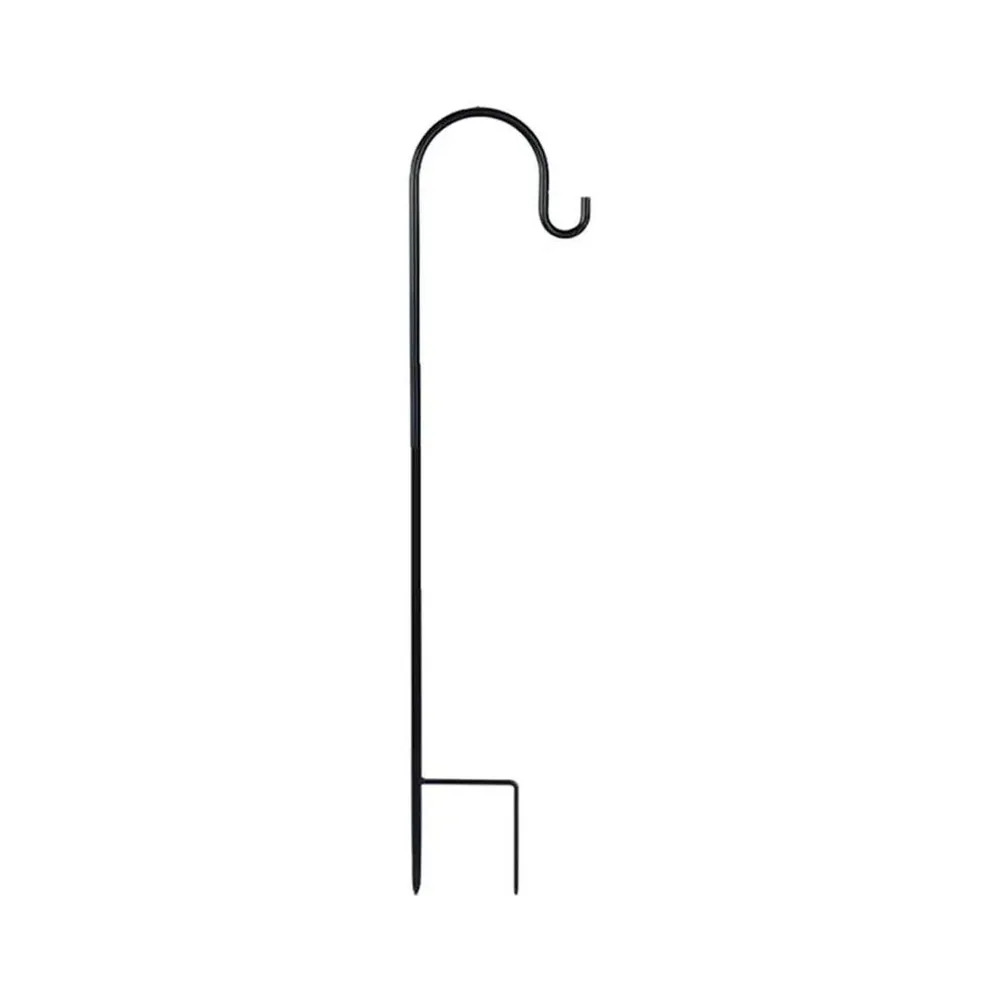 Shepherd Hook Feeder Pole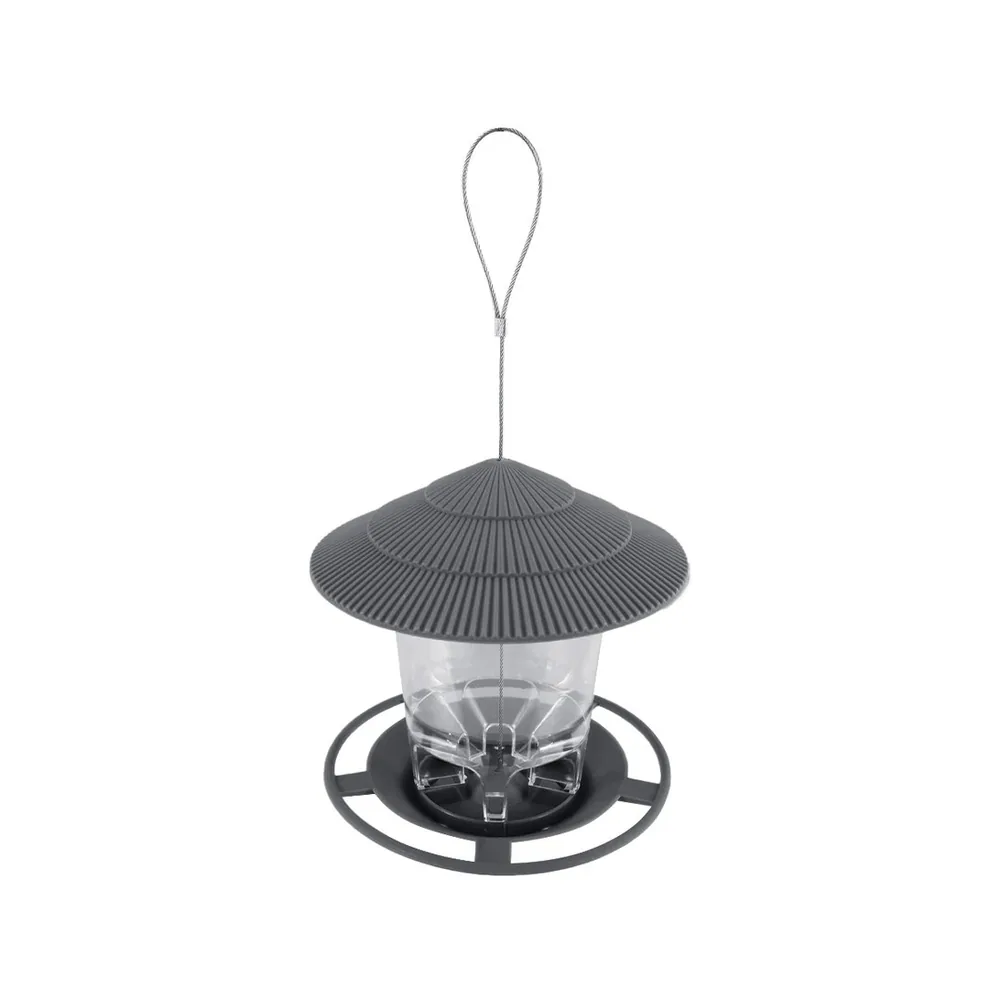
Bird Feeders
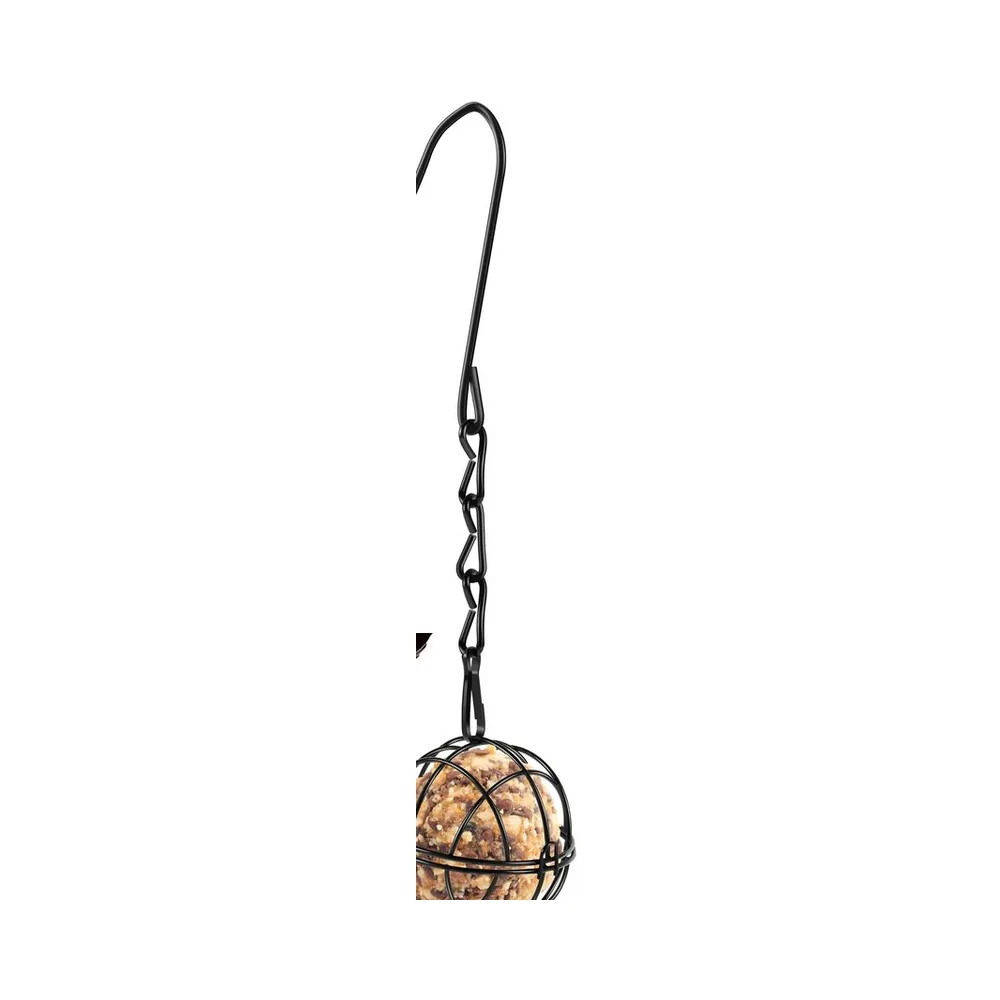
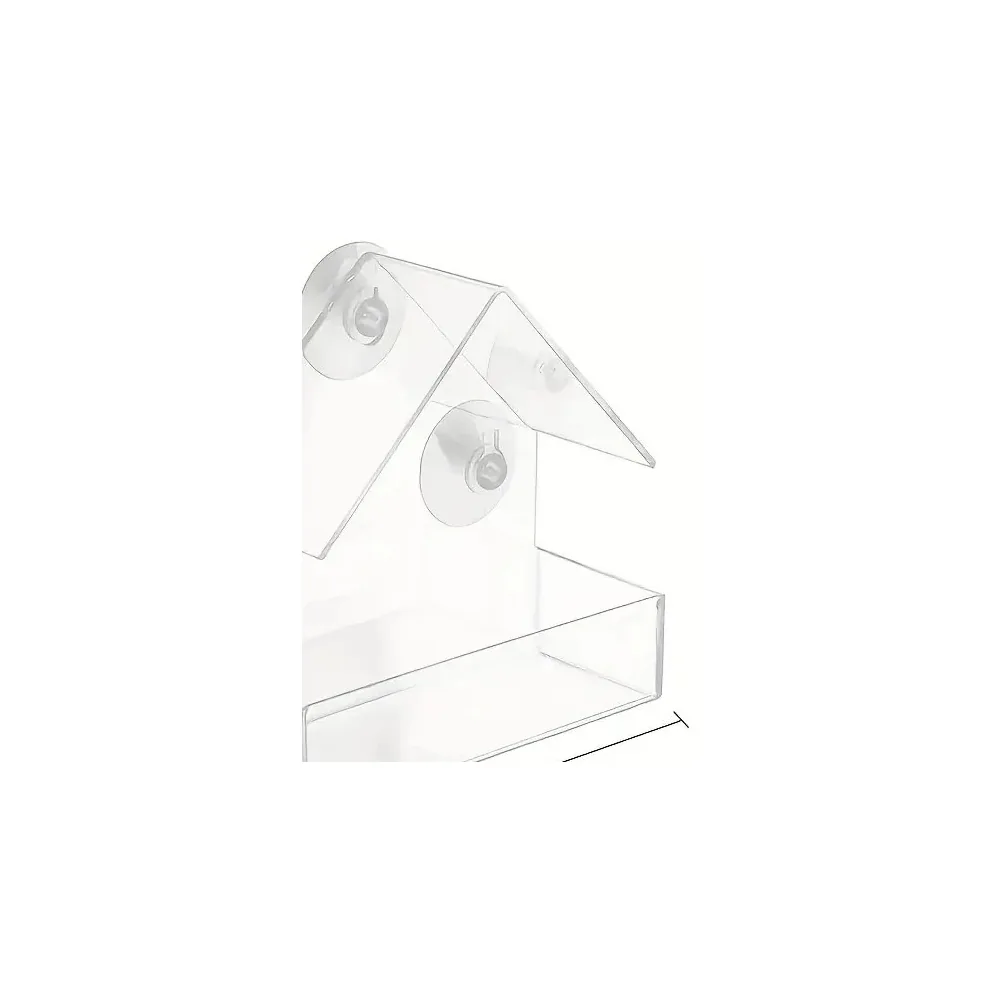
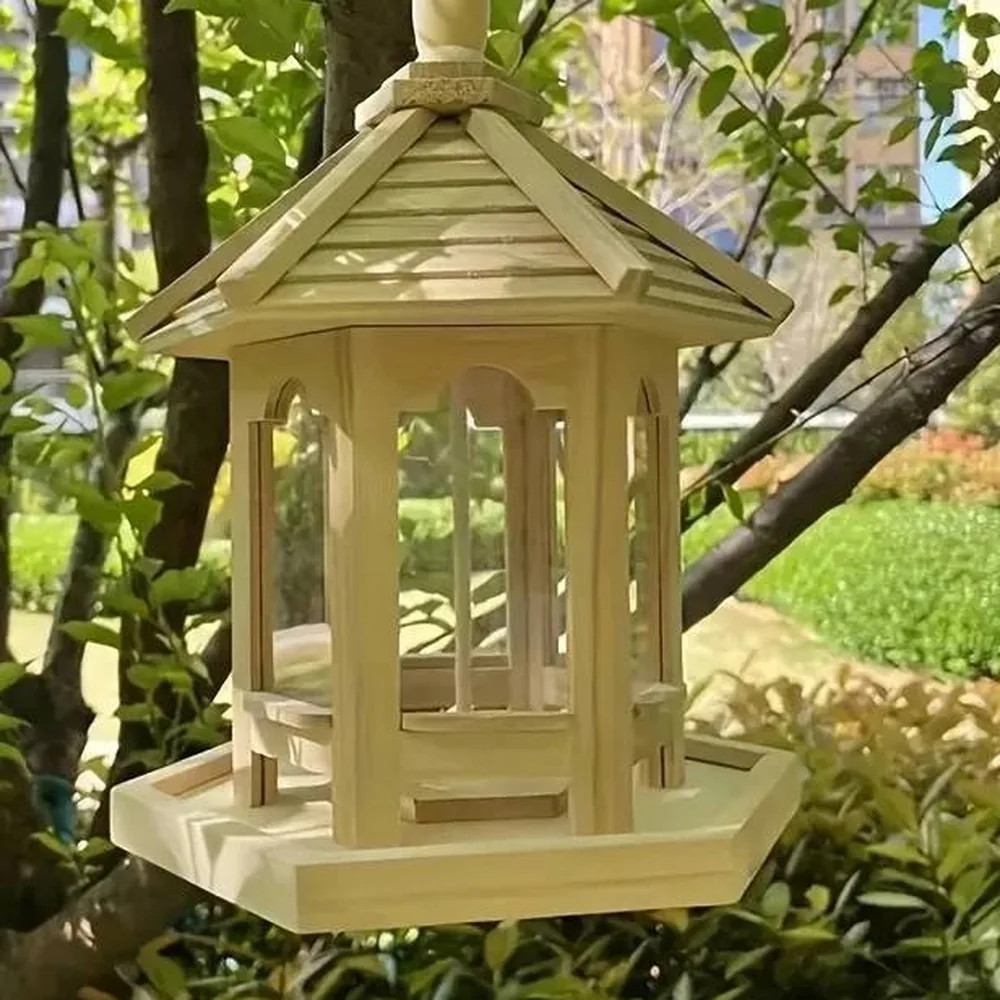
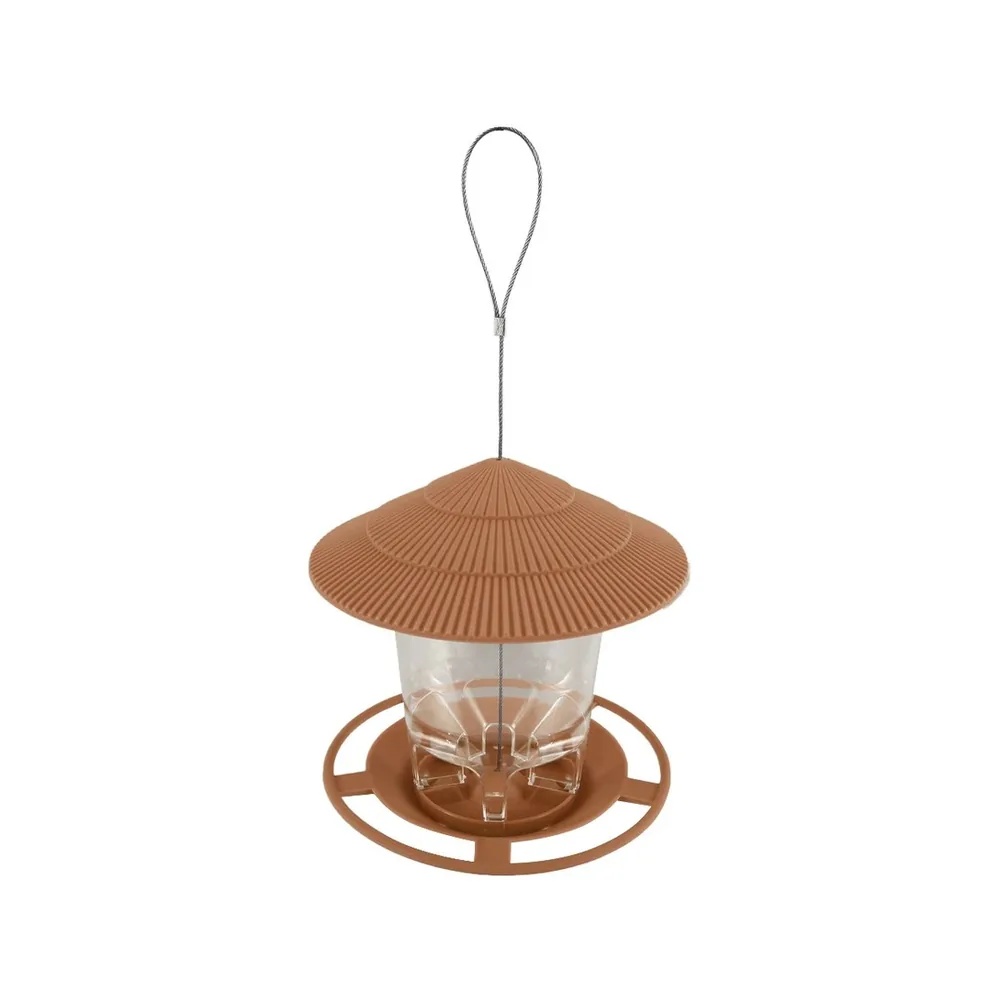
Every bird feeder in the shop, in one place. Hanging fat-ball cages, window feeders, peanut feeders and sheltered wooden tables — chosen for UK garden birds and proper British weather.
8 items
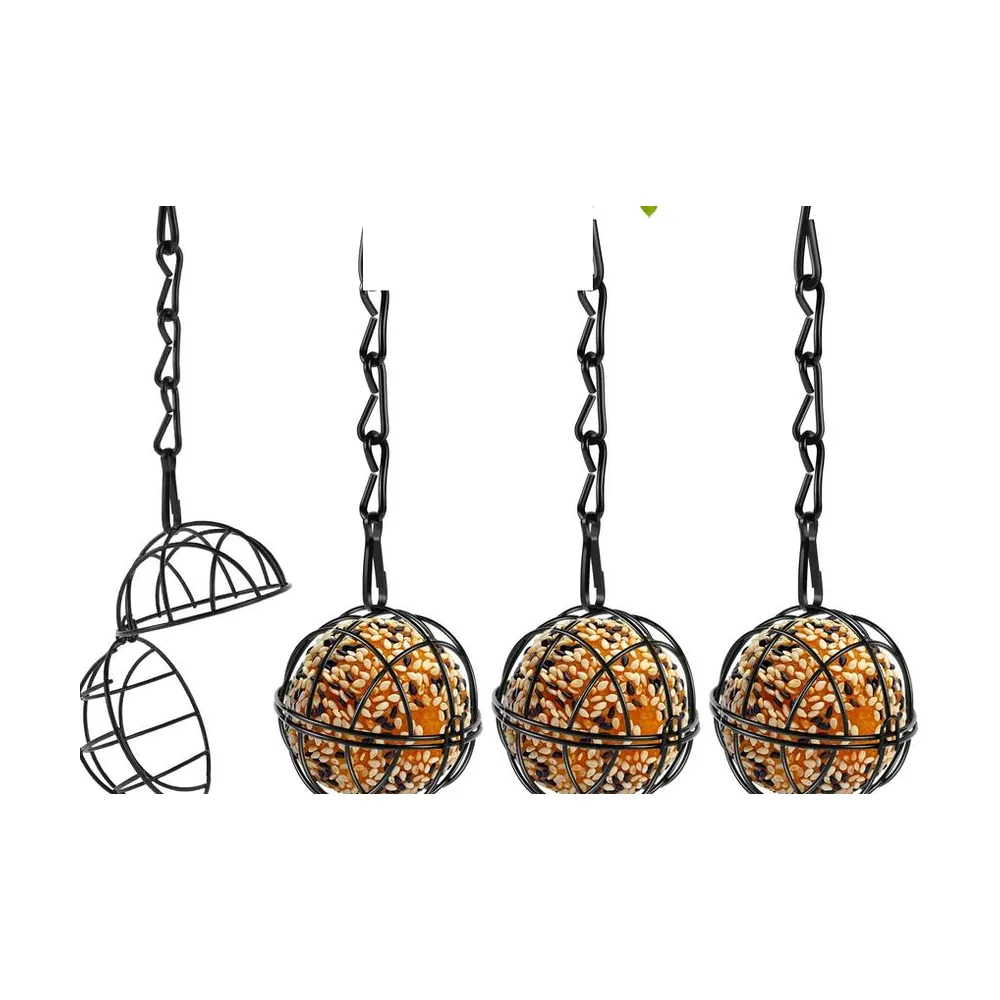
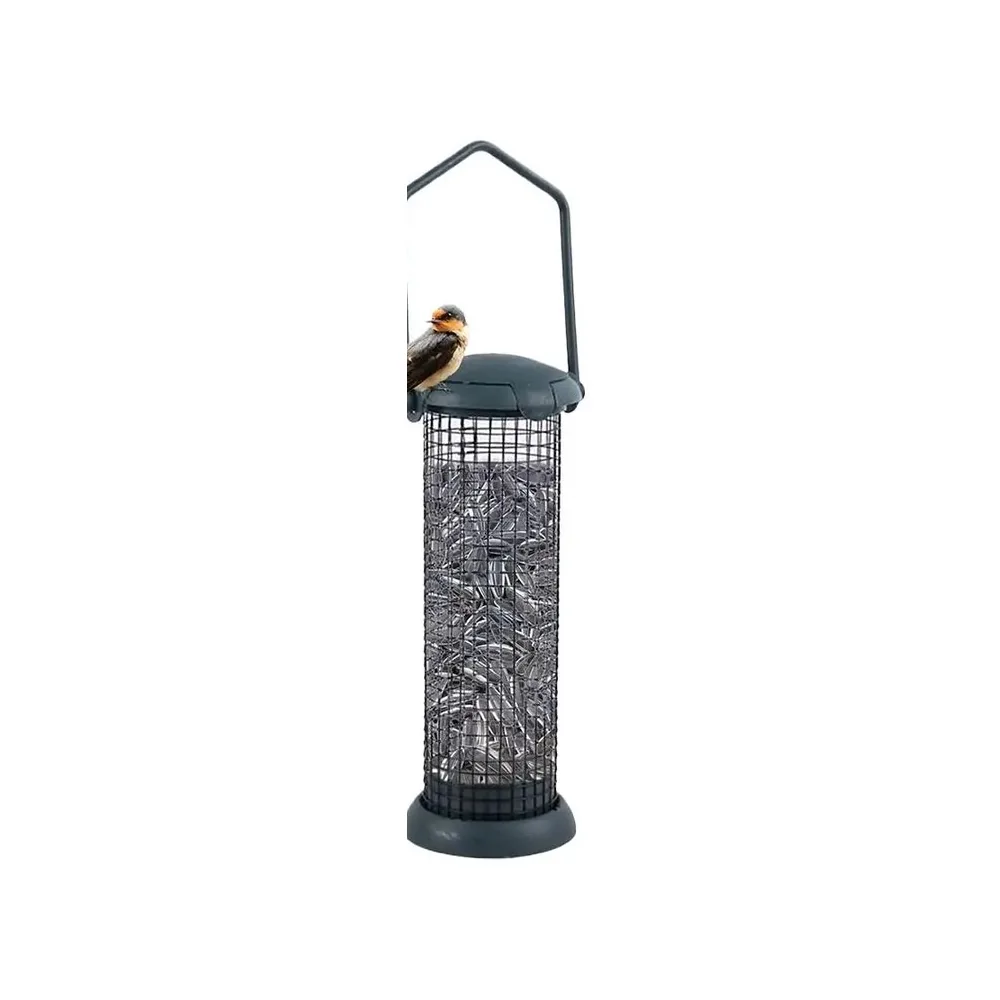
No matches
Nothing in this range fits every filter at once. Clear one and try again.
Which type of bird feeder attracts the most birds?
A hanging feeder attracts the most species in a British garden, because tits, finches and sparrows all cling naturally. British Bird Feeders stocks hanging cages, window feeders, peanut feeders and sheltered wooden tables, so you can cover both the clingers and the ground birds that cannot hang at all.
- Hanging feeders suit blue tits, great tits, goldfinches, greenfinches and sparrows.
- Open trays and tables are the only option for robins, blackbirds and dunnocks.
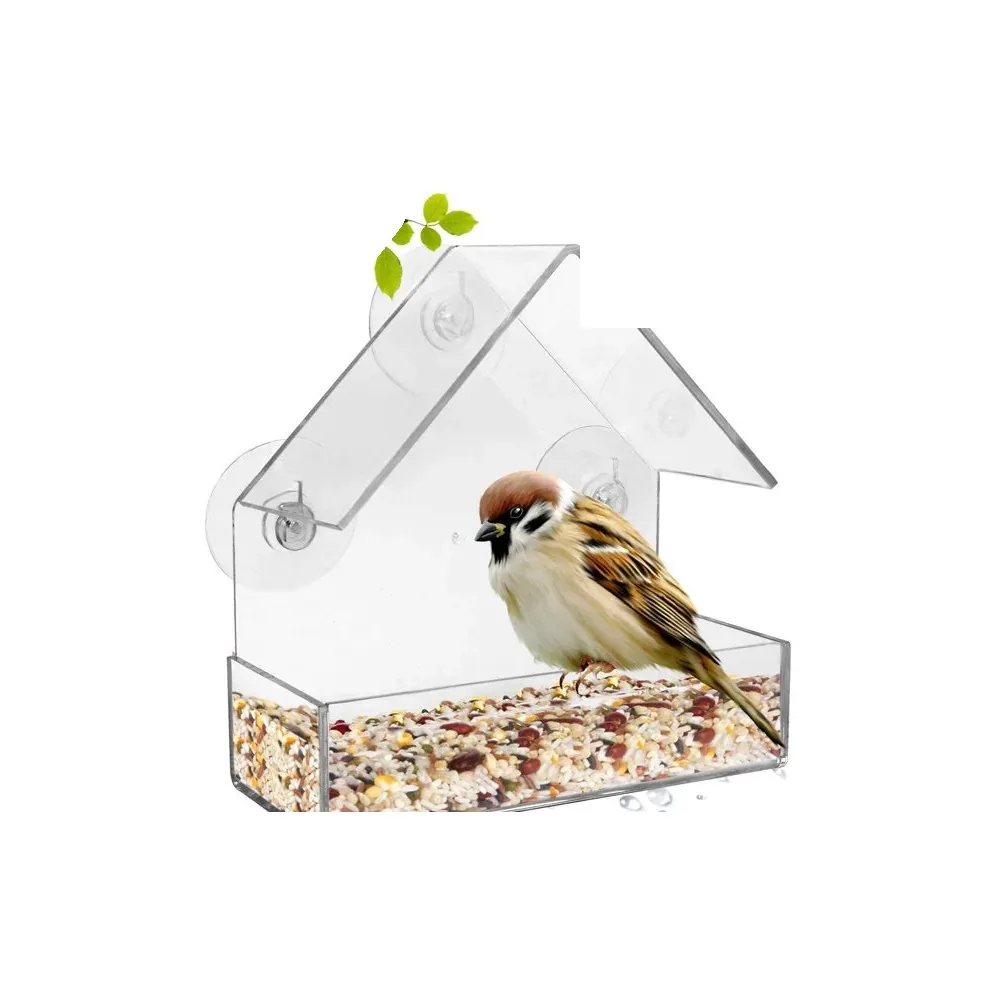
- Window feeders put small birds within a metre of the glass — best for flats and balconies.
- Metal outlasts plastic in a British winter: no cracking in frost, far less squirrel damage.
- Choose the feeder around the food, not the other way round.
Common questions
Questions about bird feeders
A feeder holds one food in a container birds cling to or perch at, keeping it dry and off the ground. A bird table is an open platform that suits birds which cannot cling — robins, blackbirds and dunnocks. Most gardens do best with one of each rather than two of the same.
Metal, in almost every case. British weather is wet more often than it is cold, and plastic goes brittle in frost and chalky in sun. Metal feeders survive several winters, resist squirrel damage and come apart properly for cleaning, which is the part that actually protects the birds.
Start with one and add a second only once the first is being emptied. Two feeders holding different foods — sunflower hearts and fat balls, say — will draw more species than two identical feeders. Spread them a few metres apart so smaller birds are not crowded out by a dominant flock.