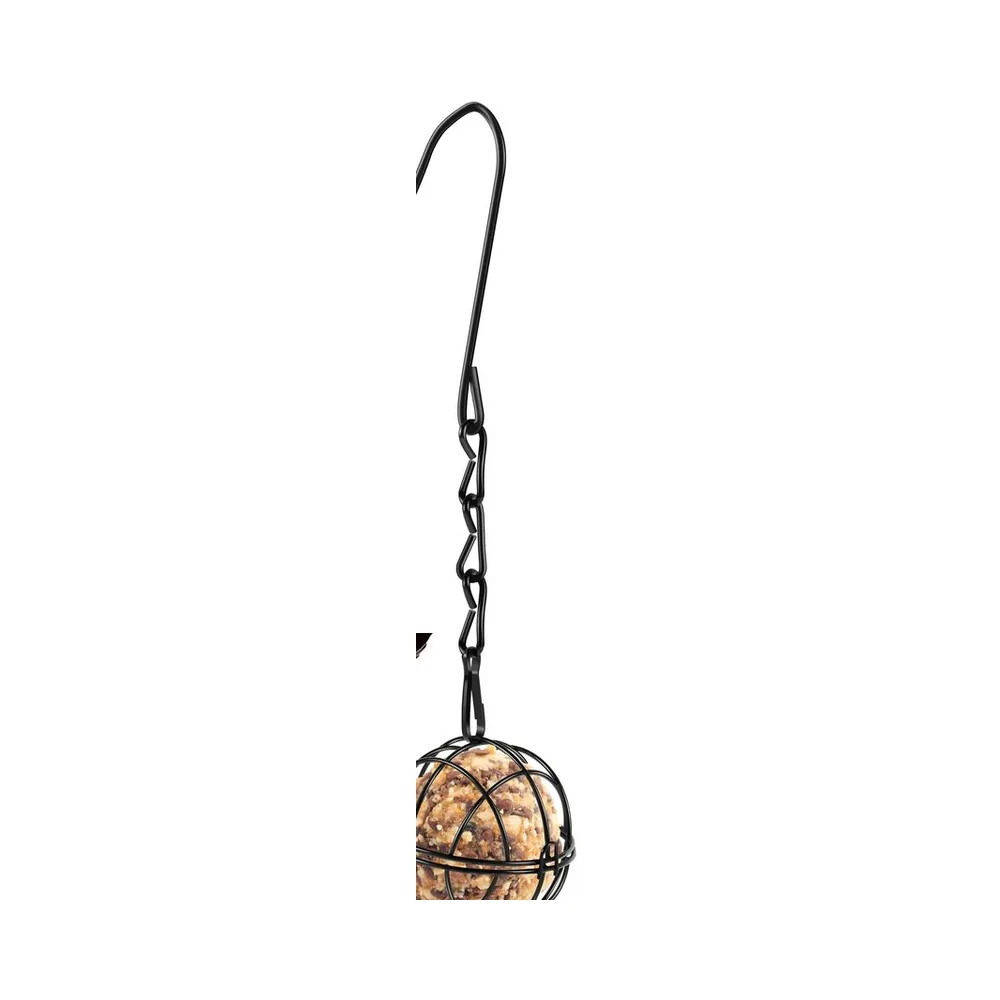
 Hanging Metal Fat Ball Feeders (Set of Four)
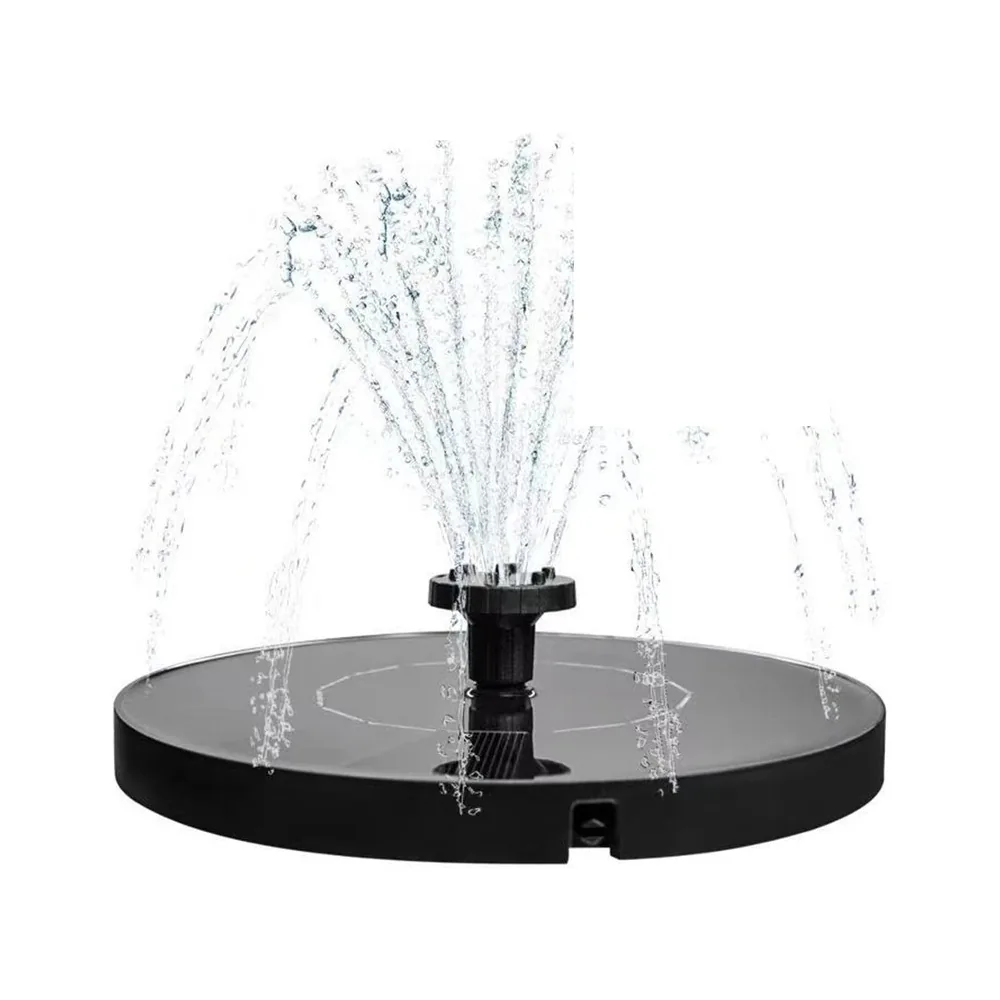 Solar Fountain for Your Bird Bath
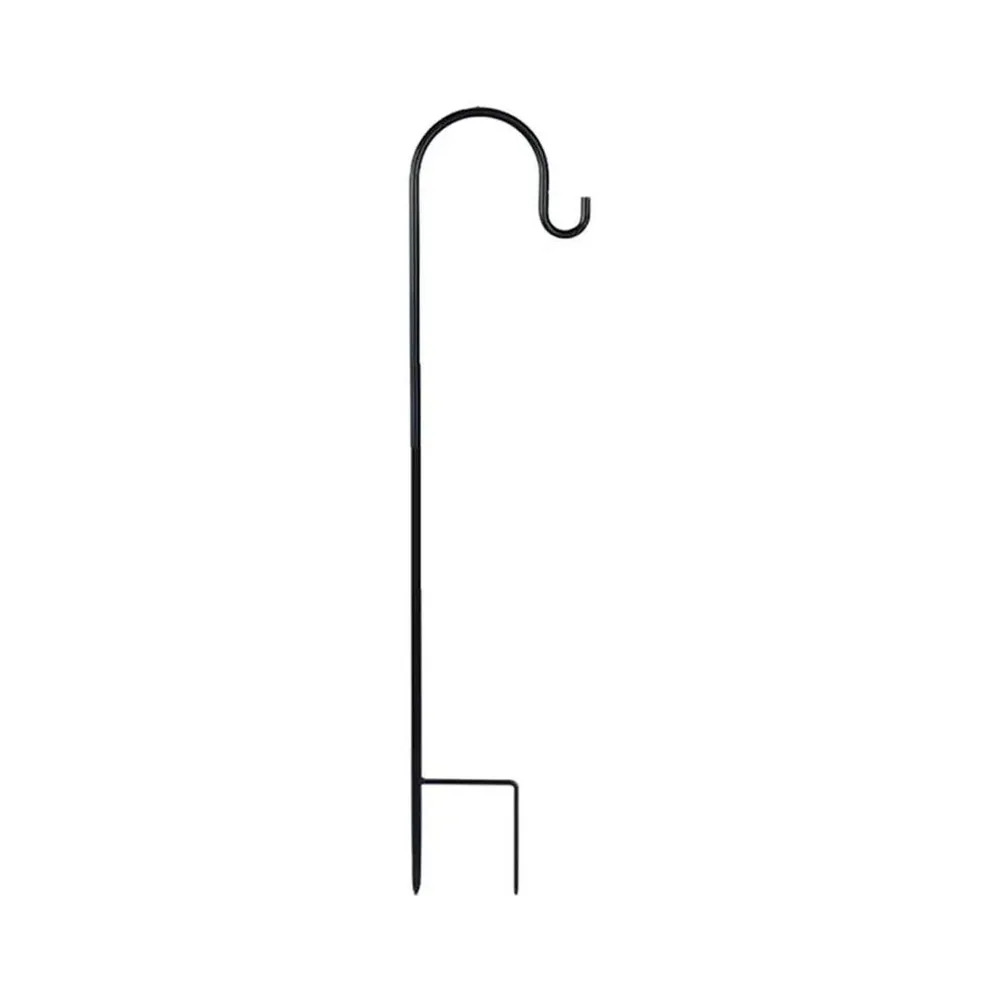 Shepherd Hook Feeder Pole
Quick answer: Feed garden birds sunflower hearts as the everyday staple, plus suet and fat balls in cold weather, nyjer for goldfinches, mealworms for robins, and a quality seed mix on tables. Never put out cooking fat, salty food, milk or mouldy scraps, and clean feeders every fortnight to keep visitors healthy.
Forty years of keeping feeders in the Yorkshire Dales taught me one thing above all: get the food right and the birds forgive you almost anything else. When folk ask me about bird food and feeders, they expect a complicated answer, and I have to disappoint them. It is mostly common sense, a bit of patience, and a refusal to put out the wrong things. I am Malcolm, and my shed is more field station than storage. Let me tell you what I have actually watched work.
This is the food guide I wish someone had handed me back when I was scattering stale bread and wondering why only the pigeons came. Feed well, feed cleanly, and the roll-call of visitors will surprise you.
Bird Food and Feeders: The Foods That Earn Their Keep
There is no shortage of bird food on the shelf, but a handful of staples do the heavy lifting in a British garden.
- Sunflower hearts. The one food I would never be without. High in oil, no husk to clear, and eaten by nearly everything. Our sunflower hearts go in a standard seed feeder.
- Peanuts. A fine energy source in a mesh feeder, but never whole and loose in the breeding season.
- Nyjer seed. Tiny and oil-rich, the food that finally brought goldfinches to my garden. Browse nyjer and niger seed.
- Fat balls and suet. Winter fuel, plain and simple, and long-tailed tits pour in for it. See fat balls.
- Mealworms. The making of a tame robin. Our mealworms turn shy birds into regulars.
- A good seed mix. For the table and the ground feeders. Choose a quality seed mix without cheap filler like whole wheat, which mostly feeds pigeons.
Matching Food to Bird
You cannot please everyone with one bag, and nor should you try. Different birds want different things, and a small spread widens your visitors no end.
- Tits: sunflower hearts, peanuts, suet.
- Finches: sunflower hearts and nyjer.
- Robins and blackbirds: mealworms and mixed seed, offered low or on a table.
- Sparrows: seed mixes and sunflower hearts.
- Wrens and dunnocks: finely chopped food and crumbs near cover.
The British Trust for Ornithology's Garden BirdWatch, gathered from thousands of gardens, shows just how much variety turns up once you offer more than one food type BTO, Garden BirdWatch.
The whole menu in one table.
| Food | Feeder to use | Birds it draws | Season notes |
|---|---|---|---|
| Sunflower hearts | Tube feeder | Tits, finches, sparrows | Brilliant all year round |
| Peanuts | Steel mesh feeder | Tits, woodpeckers | Behind mesh only in spring |
| Nyjer seed | Fine-port nyjer feeder | Goldfinches | Keep it bone dry |
| Fat balls and suet | Suet cage feeder | Long-tailed tits, wrens | Cold months especially |
| Mealworms | Dish or low tray | Robins, blackbirds | Soaked in the nesting season |
| Seed mix | Table or ground tray | Dunnocks, blackbirds, sparrows | Avoid mixes padded with wheat |
Foods to Never Put Out
This part matters as much as the good foods, so I will be plain. Some kitchen scraps do real harm.
- No salted anything, as salt is toxic to small birds.
- No mouldy food, which breeds toxins that can kill.
- No milk, which birds cannot digest.
- No hard dry bread as a staple, since it fills them with no goodness, though a little soaked wholemeal now and then does no harm.
- No desiccated coconut, which can swell inside the bird.
The RSPB keeps a sensible, up-to-date list of what is safe and what to avoid, and I would send any newcomer there first RSPB, Feeding garden birds.
Storing Food and Keeping It Dry
I keep all my food in sealed metal tins in the shed, and have done for decades. Damp seed grows mould, and open bags invite rats and mice. Buy a sensible quantity you will use within a few weeks, keep it cool and dry, and check it for clumping before it goes in the feeder. A little care in storage saves both money and birds.
Hygiene: The Bit Nobody Enjoys
I will not dress it up. Dirty feeders spread disease, and a poorly kept feeding station does more harm than no feeding at all. This is the single most important habit to build.
- Clean feeders every week or two with hot water and a brush.
- Move the feeding spot around the garden now and then so droppings do not build up in one place.
- Keep two feeders going so one can dry fully between uses.
- Stock the basics from our cleaning and hygiene range.
Do this and you feed with a clear conscience. Skip it and you are running a sickroom.
How Much, and How Often
Little and often beats a mountain once a week. Put out what your birds clear in a day, top up in the morning when they most need it, and let a feeder run empty occasionally so nothing sits and spoils. Birds are clever; they will not starve because you missed a morning, but they come to rely on a steady garden, especially in hard weather.
Bringing It Together
The heart of bird food and feeders is honest food, kept clean and dry, matched to the birds you hope to see. Start with sunflower hearts, add nyjer for finches and suet for winter, avoid the harmful scraps, and keep everything scrupulously clean. Do that and your garden will fill with life.
When you want to draw in particular species, my How to Attract UK Garden Birds guide goes bird by bird, and to make sure each food sits in the right feeder, read the Bird Feed and Feeders guide.
Frequently Asked Questions
What is the best food for garden birds? Sunflower hearts are the best single food for a British garden. They are high in energy, leave no husk mess, and are eaten by nearly every common visitor, from blue tits and greenfinches to sparrows. Add nyjer for finches and suet for winter.
What foods are dangerous for garden birds? Avoid anything salted, mouldy food, milk, desiccated coconut, and large amounts of hard dry bread. These can harm or even kill small birds. Stick to proper bird foods and clean, fresh water.
How often should I clean my bird feeders? Every one to two weeks with hot water and a brush. Dirty feeders spread disease between birds, so keep two feeders on rotation so one can dry fully, and move the feeding spot occasionally to stop droppings building up.
About the author Malcolm Reid - Fifty gardens' worth of feathered wisdom Malcolm is a retired grounds manager from the Yorkshire Dales who has kept garden feeders for over forty years and volunteers with his local wildlife trust. He's a lifelong participant in the RSPB Big Garden Birdwatch and keeps meticulous notes on his visitors. His shed is more field station than storage. Writing for British Bird Feeders.