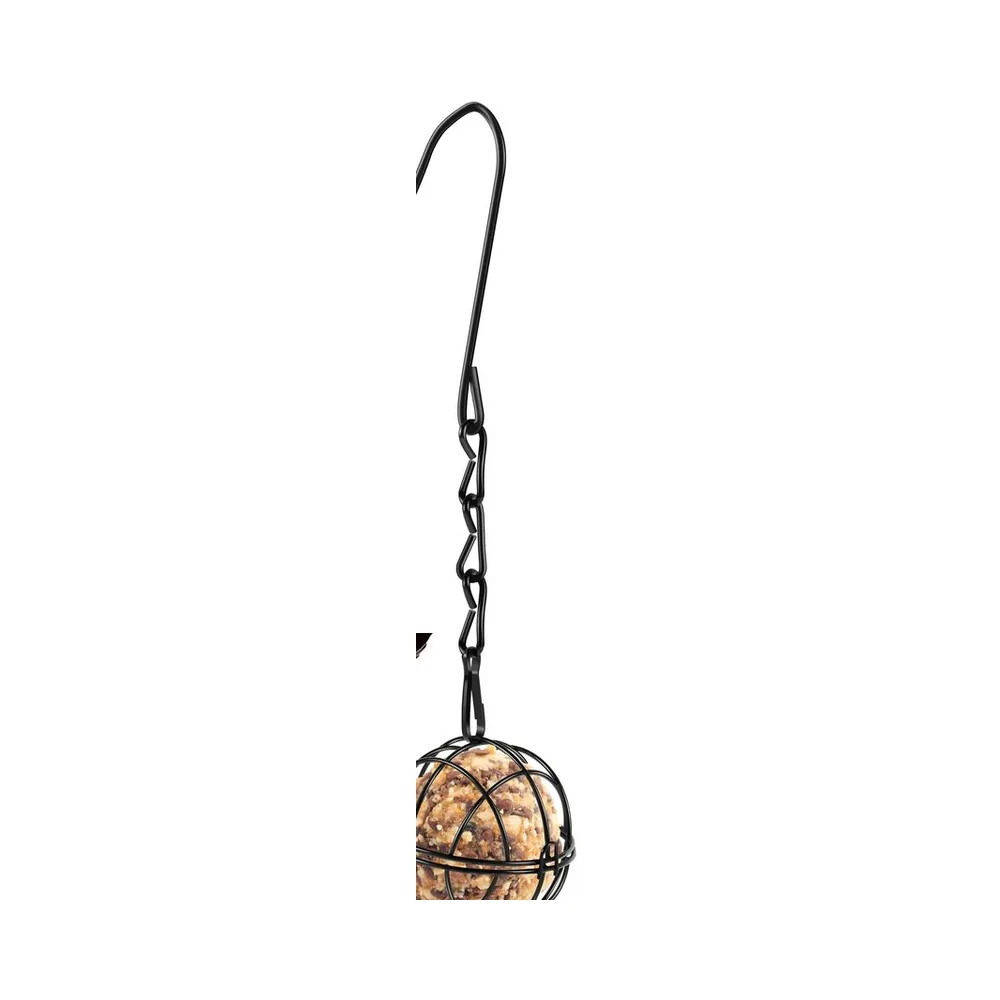
 Hanging Metal Fat Ball Feeders (Set of Four)
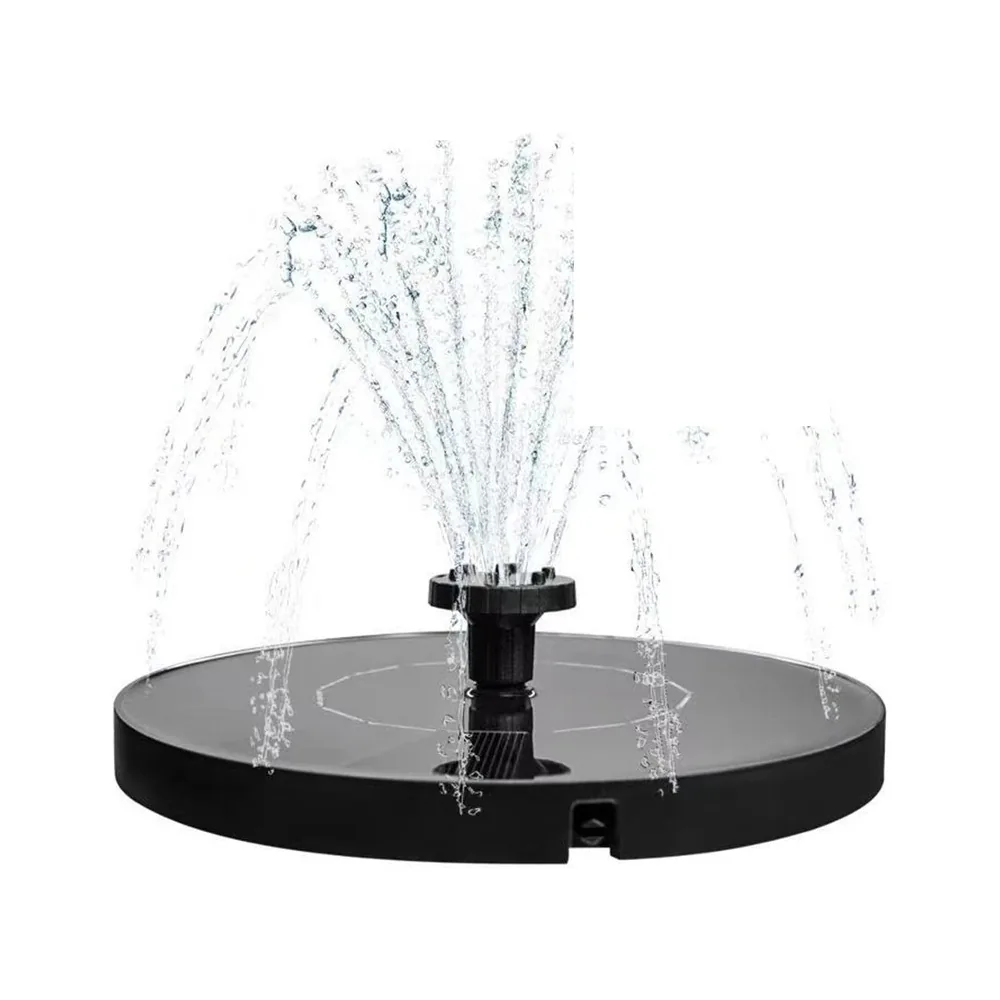 Solar Fountain for Your Bird Bath
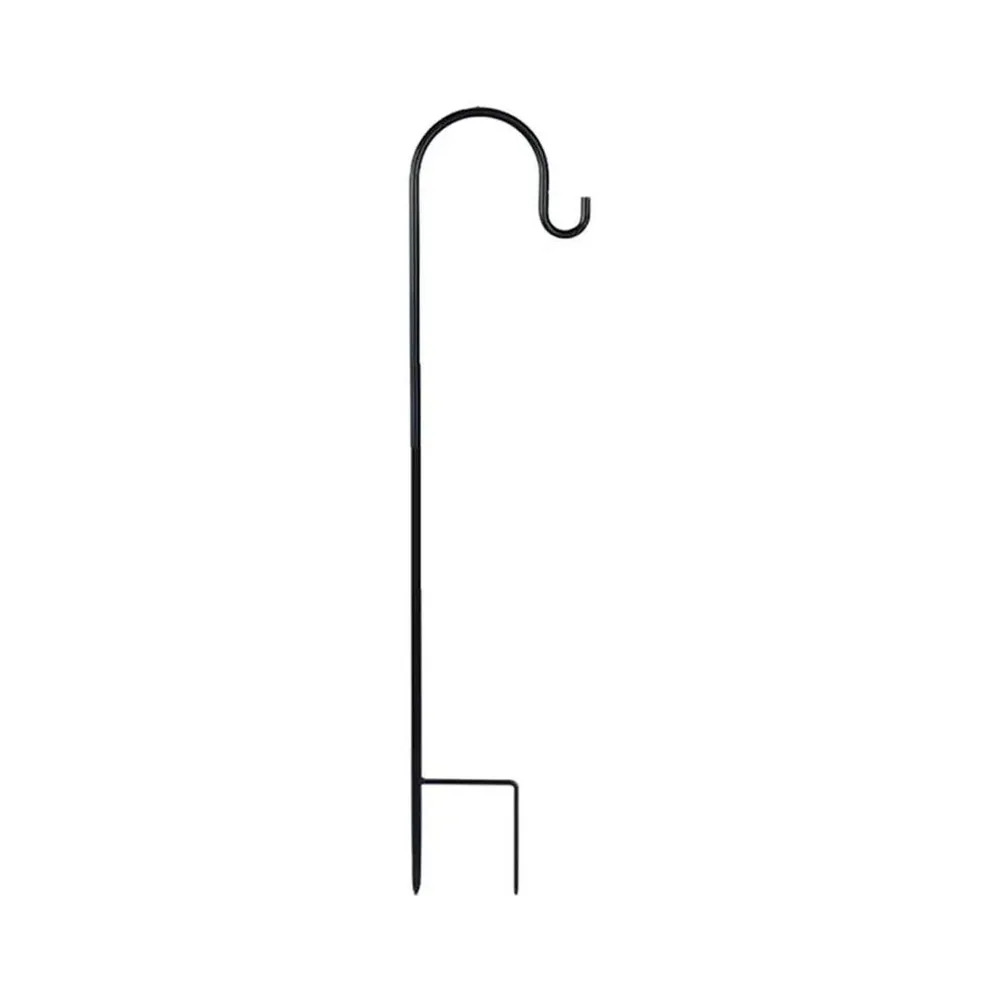 Shepherd Hook Feeder Pole
Quick answer: Yes, squirrel baffles work when placed correctly. Fit a dome or cone baffle on the pole with its top at least 1.2 metres off the ground, and keep the whole feeder set-up two metres or more from fences, walls and branches. Badly placed baffles fail because squirrels simply jump past them.
Yes, squirrel baffles for bird feeders work, and I can prove it with my own fridge scoreboard. But a baffle only works if you place it right, and most people who tell me theirs failed had it hung within a squirrel's easy leap. I am Gary, a retired joiner from Stoke, and my garden is less a tranquil haven and more a daily test of wits against a grey menace called Reggie. Get the placement wrong and a baffle is a shiny ornament. Get it right and the raiding stops. Here is the difference, learned the hard way.
What a squirrel baffle actually is
A baffle is a physical barrier, usually a dome, cone or cylinder, fitted to a feeder pole or hung above the feeder. The squirrel climbs or jumps, meets a wide smooth surface it cannot grip, and slides off. That is the whole idea. Metal ones last longest and give the least purchase; sturdy plastic can work but a determined squirrel will chew softer plastic over time.
There are two main shapes worth knowing.
- Pole baffles wrap around a feeder pole, cone or dome side up, and block the climb from below.
- Hanging baffles are wide domes that sit above a hanging feeder and stop a squirrel shinning down the wire.
Simple kit. The results live or die on how you fit it.
My history with the grey menace
I spent forty years building and breaking things for a living, so I fancied my chances against a rodent. Naive, as it turned out. My first feeder was a lovely wooden feeder full of premium seed, and within a week it was Reggie's private buffet.
I tried the lot. Greasing the pole, a mess that lasted one afternoon. Old CDs on strings, which just gave the garden a disco look. A decoy feeder of cheap peanuts, which he treated as a starter before the main course. The scoreboard on my fridge, which I keep purely for morale, was humiliating reading. That is when I stopped improvising and started fitting proper squirrel baffles and guards.
Placement is the whole game
This is where nine failures out of ten come from, so read it twice. A squirrel is a superb jumper, and if your feeder sits within a leap of anything solid, the baffle is pointless.
- Keep two metres clear all round. No overhanging branches, no fence, no shed, no trellis, no garden furniture within reach. Reggie once launched off my shed roof in a leap I would have applauded if it had not cost me a feeder.
- Lift a pole baffle high enough. The bottom edge wants to sit around 1.2 to 1.5 metres off the ground, so he cannot jump straight under it.
- Hang a dome low over the feeder. The feeder must sit well inside the dome's width. If it pokes out from underneath, he will reach it.
The RSPB makes the same point about clear space around a feeding station, and it is the single most ignored rule in the book.
Pick the right baffle for the setup
Match the baffle to the feeder or you waste your money.
- Pole-mounted feeders want a wide, chunky metal cone or dome that clamps snugly, so a squirrel cannot wiggle it loose.
- Hanging feeders want a broad dome, ideally paired with a caged feeder underneath for a second line of defence.
A single baffle is a good start. A layered defence is better.
Combine and conquer
The gardens where I finally beat Reggie all used more than one obstacle. A well-placed baffle plus a feeder that fights back is the winning combination.
- Squirrel-proof feeders use weight-activated perches that shut the ports when something heavy lands, or a steel cage that lets small birds through and keeps chunky bodies out.
- A baffle below stops the climb before he even reaches the feeder.
Think of it like a castle. You do not rely on one wall; you add a moat and an inner gate. The more work you make it, the sooner a squirrel goes looking for easier pickings next door.
Keep it clean, keep it slippery
One last thing people forget. Grime, dirt and droppings on a baffle give a determined squirrel just enough grip to haul himself over. A quick wipe with a damp cloth every couple of weeks keeps the surface smooth. It helps the birds too, since good feeder hygiene slows the spread of disease, a point the Wildlife Trusts make often.
So, do they work?
My scoreboard says yes, and it is now tilted my way for the first time in years. A good metal baffle, fitted high and set two metres from any launch pad, will keep grey squirrels off your feeder and let your blue tits, robins, sparrows and finches feed in peace. It will not clear every squirrel from the neighbourhood, and anyone promising that is selling you a story. But it turns your feeder from an open buffet into a locked one, and that is the win worth having.
For the complete plan against squirrels, rats and every other chancer, read our guide to squirrel and pest-proofing.
Frequently asked questions
How far from a fence should a baffled feeder be? At least two metres from any fence, branch, shed or garden furniture. A squirrel can leap that gap from a standing start, so the baffle only works once nothing solid sits within jumping range.
Are metal or plastic baffles better? Metal, in most gardens. It gives no grip, survives British weather, and a squirrel cannot chew it. Plastic can work but softer types wear down under determined gnawing, so a robust metal dome is the safer buy.
Do I still need a baffle with a squirrel-proof feeder? Not essential, but the two together are far harder to beat. The baffle stops the climb and the feeder's weight-activated ports or cage handle anything that still gets close, which is exactly the layered defence that finally worked for me.
About the author Gary Timmins — Outwitting squirrels, one feeder at a time Gary is a former joiner from Stoke who now writes about garden DIY and the eternal war against grey squirrels. He's built, baffled and rebuilt more feeder stations than he can count and shares what actually holds up. He keeps a running scoreboard on the fridge, and the squirrels are winning more than he admits. Writing for British Bird Feeders.