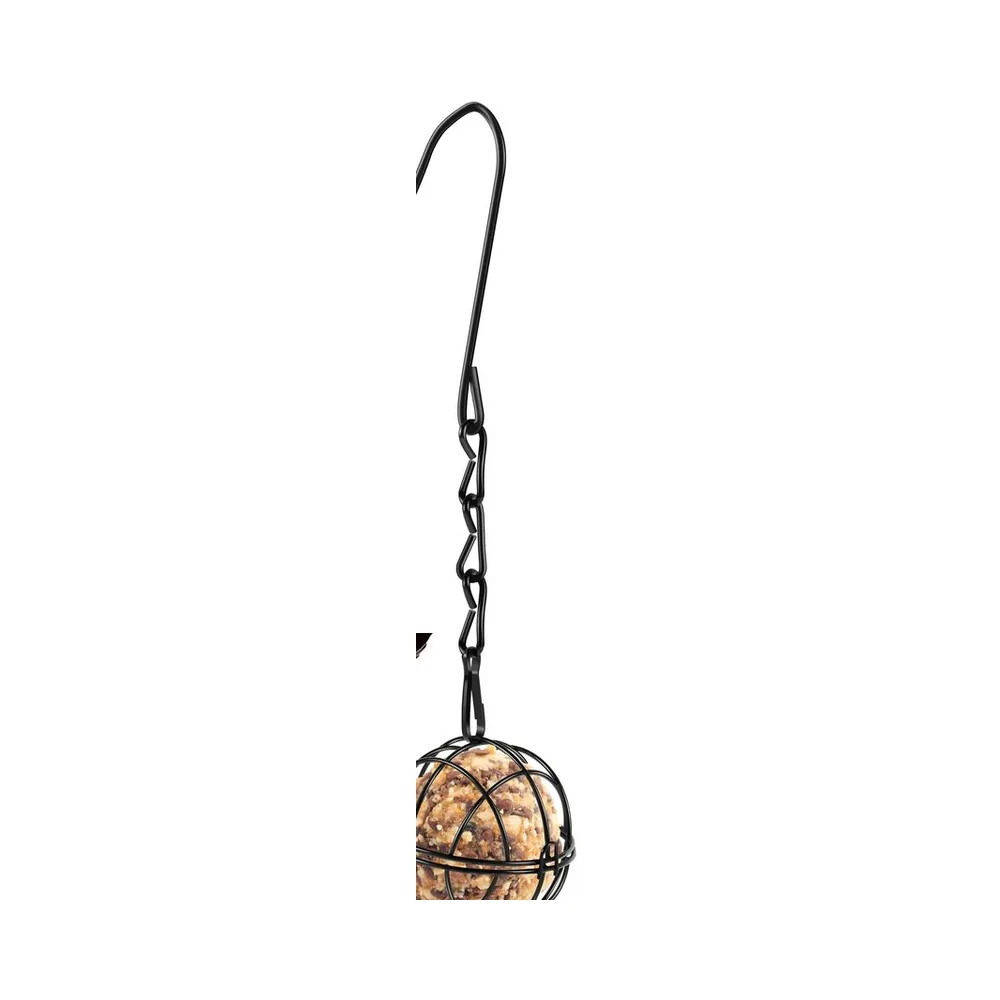
 Hanging Metal Fat Ball Feeders (Set of Four)
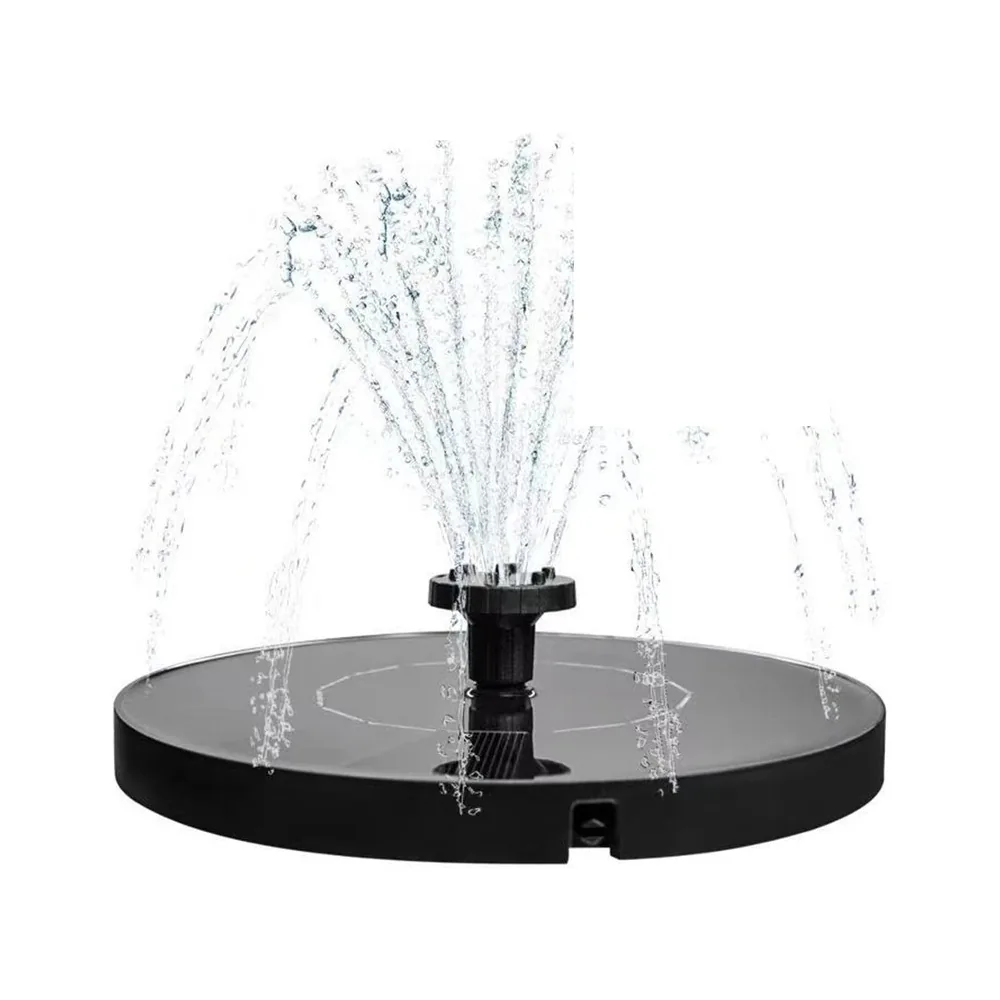 Solar Fountain for Your Bird Bath
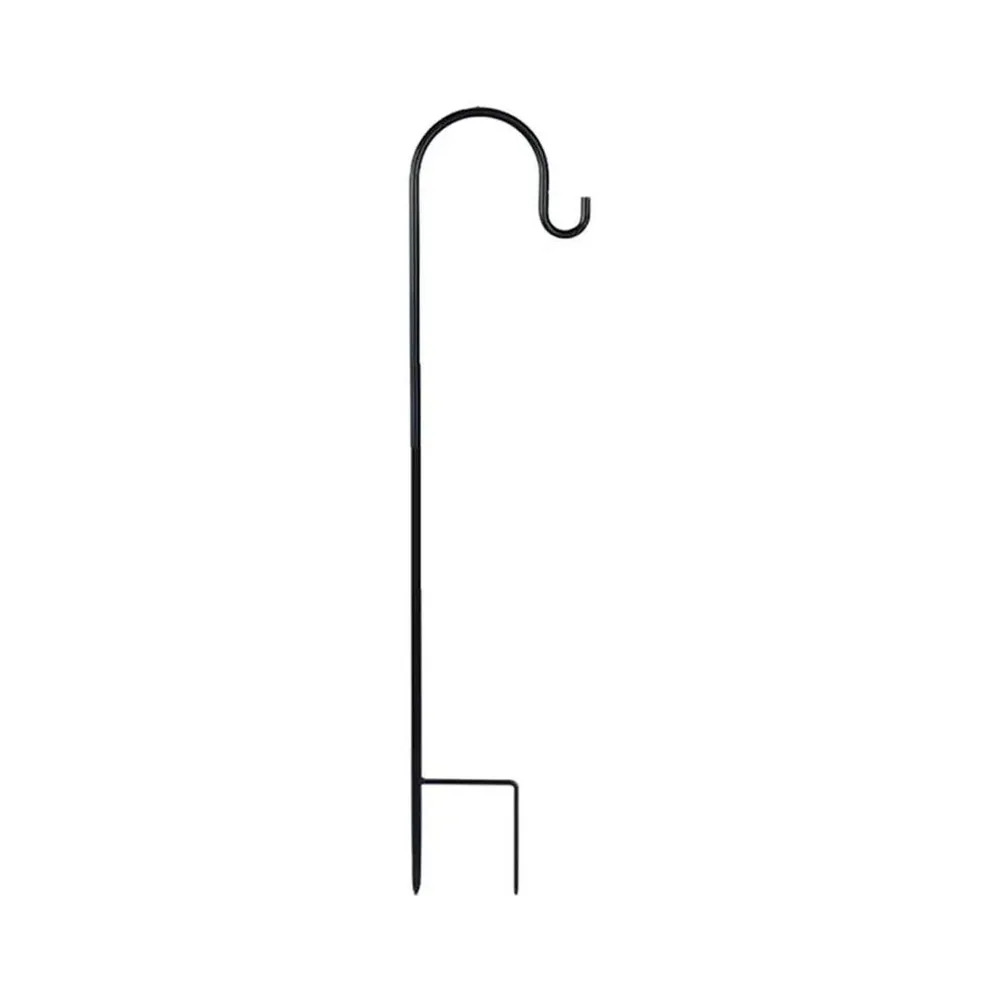 Shepherd Hook Feeder Pole
A pair of woodpigeons can empty a bird table in a morning and clear the ground under a feeder in twenty minutes. They are also large enough to bully everything else off entirely.
The good news is that the fix is usually simpler than people expect, because most of the time the pigeons are not really on your feeder at all.
They are ground feeders
This is the thing to understand first.
Woodpigeons and collared doves are built to feed on open ground. They will balance on a table or a wide tray if they can, and a determined one will hang off a feeder, but their natural mode is walking about picking things up.
So the seed on your lawn is the meal. The feeder is a nuisance they tolerate to get at it.
Take away what is underneath and most of the pigeon problem leaves with it.
1. Deal with the spill
Two changes, and they compound.
Fit a catcher tray under the feeder so nothing reaches the ground. And switch to sunflower hearts, which have no husk, so there is far less falling in the first place — see hearts vs seeds.
Then sweep what is already there. A build-up of old husks and seed is a standing invitation.
There is a fuller version of this in how to stop feeders making a mess.
2. Cage the feeder
If they are actually landing on it, a cage settles the matter.
Gaps of around four centimetres let blue tits, great tits, goldfinches, greenfinches and sparrows through and stop anything pigeon-sized dead. Our caged feeders work on this principle, and the same cage keeps squirrels and starlings off.
There is more on the sizing in best feeders for small birds.
3. Take the perches away
Pigeons need something to stand on. A feeder with short perches, or none at all, is very hard for them to use.
Clinging feeders — mesh peanut feeders, cage fat ball feeders — are effectively pigeon-proof by design, because a woodpigeon cannot cling.
Weight also helps. A light feeder on a chain swings when something heavy lands, and pigeons give up quickly.
4. Rethink the bird table
An open table is the one thing pigeons genuinely love, and there is no clever fix.
If you need a table for robins and blackbirds — and they do need one, since neither can cling — put out only what gets eaten within an hour or two, and do it when you are around to watch.
A table with a roof and a fairly narrow platform is harder for a large bird to use comfortably. Ours are here: bird tables.
Split the garden up
One thing that helped me more than any product: stop concentrating everything in one place.
A single feeding station with a table, three feeders and a ground tray is a buffet, and it draws the biggest, boldest birds first. Spreading two or three small feeders around the garden means the pigeons cannot dominate all of them at once, and the smaller birds always have somewhere to go.
It also spreads the droppings, which is better for hygiene, and it gives you a reason to move things about every few weeks.
Things that do not work
- Plastic hawks and shiny tape. Effective for about three days, then ignored.
- Netting over the whole area. Traps small birds. Genuinely dangerous.
- Feeding them separately to keep them away. This trains more pigeons to come.
- Deterrent gels and spikes. Fine on a ledge, wrong near a feeding station.
And the obvious one: harming them is illegal without specific justification, and quite unnecessary. Exclusion works.
A word in their defence
Woodpigeons are native, they are not doing anything wrong, and a garden that supports them is doing something right.
The aim is not to get rid of them. It is to stop them taking the whole share, so the tits and finches get a look in. A caged feeder and a clean ground surface achieves exactly that, and the pigeons will still potter about picking up what the blackbirds miss.
The rest of this series is at squirrel and pest-proofing.
Collared doves are a different problem
The two get lumped together and they behave differently enough to be worth separating.
A woodpigeon is heavy, clumsy and almost entirely a ground feeder — it clears the spill and cannot make much use of a hanging feeder at all. A collared dove is considerably lighter and more agile, and it will balance on a bird table or a wide tray and feed there directly.
That means a catcher tray, which solves the woodpigeon problem, can quietly create a collared dove one by giving them a platform. If a tray has brought them in, either fit a guard cage over it or switch to a narrower catcher that they cannot stand on comfortably. It is also worth saying that collared doves colonised Britain from the 1950s and their gentle three-note call is one of the more pleasant garden sounds, so tolerating a pair is not the worst outcome here.