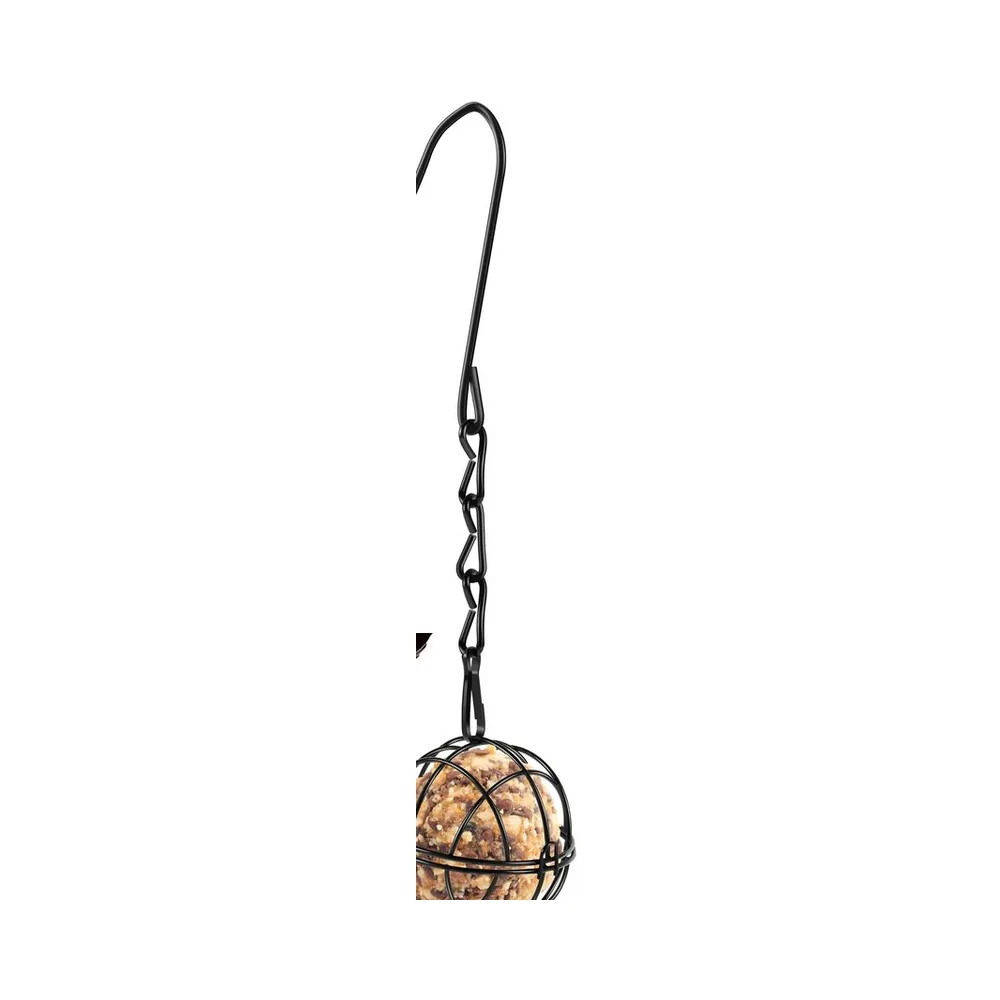
 Hanging Metal Fat Ball Feeders (Set of Four)
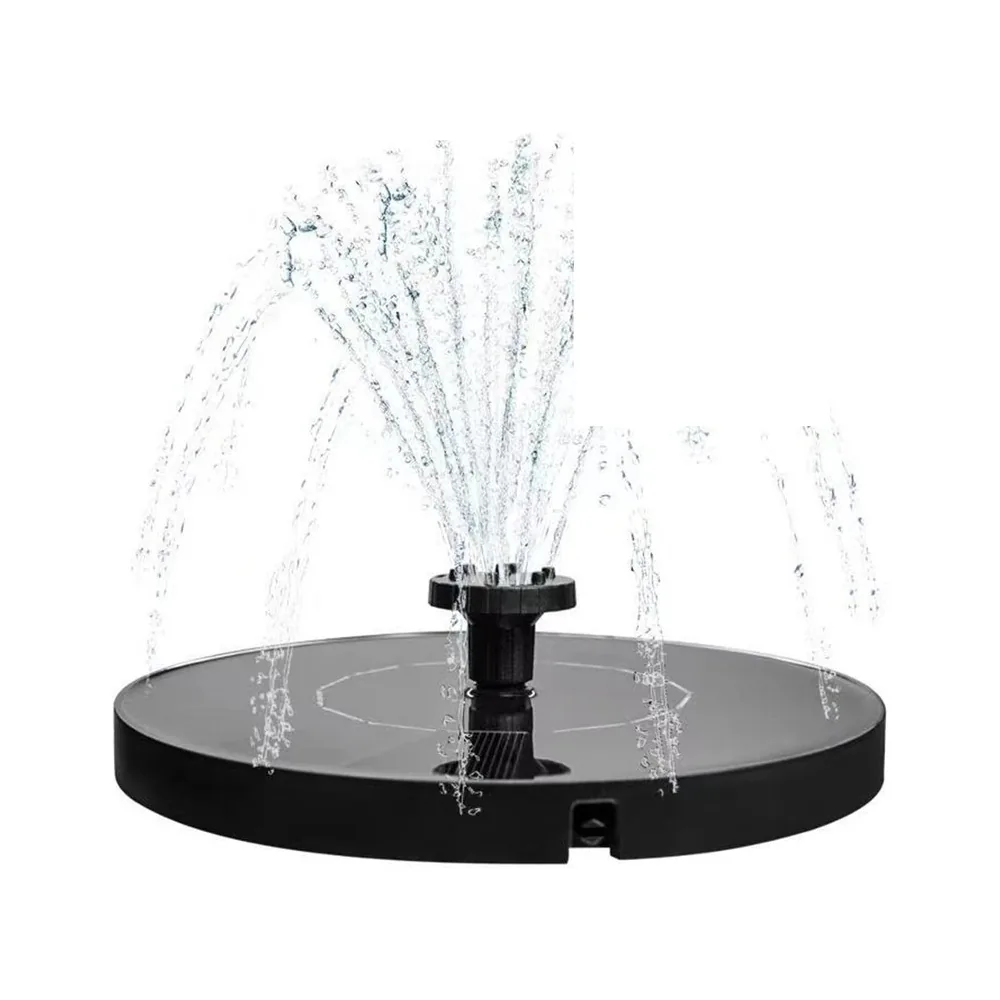 Solar Fountain for Your Bird Bath
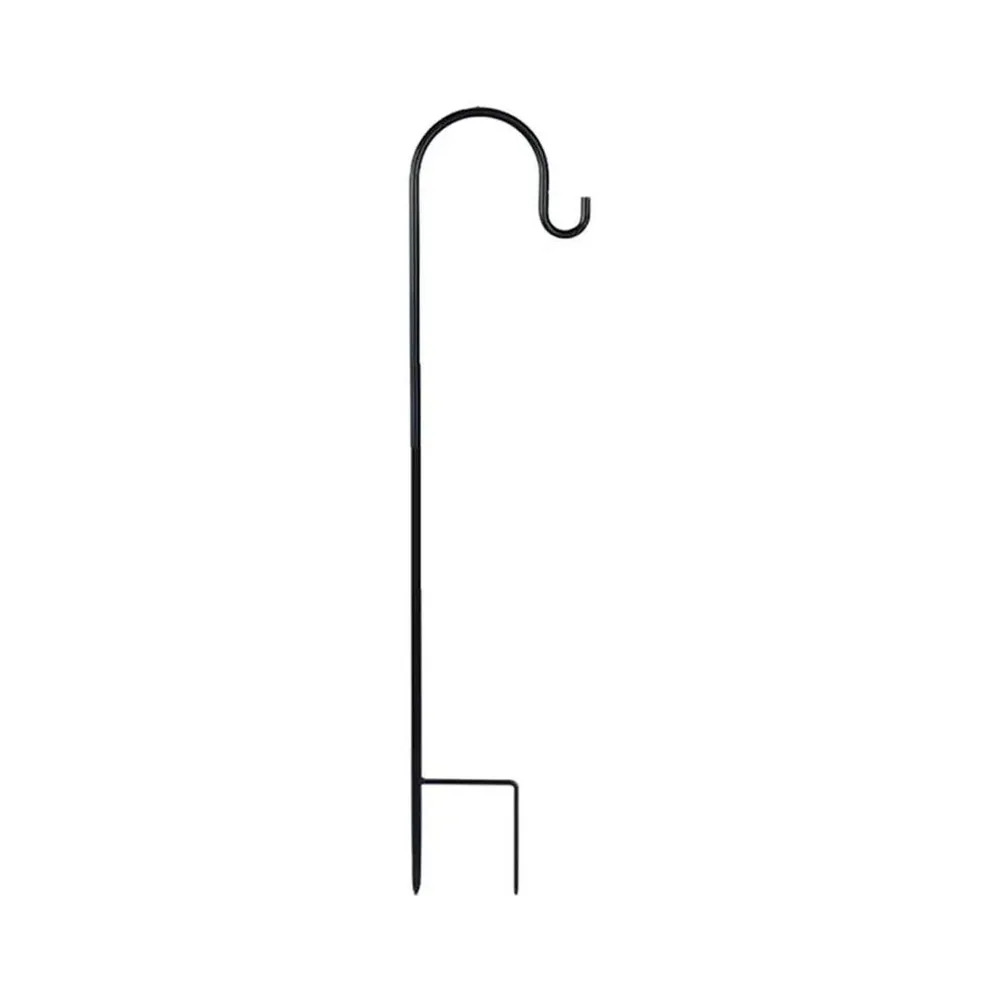 Shepherd Hook Feeder Pole
This is the question I get asked more than any other, usually while someone is standing in front of two bags with a fifty per cent price difference.
The short answer is hearts. The longer answer is more interesting, because the price on the bag is not the price you actually pay.
They are the same food
Worth saying plainly, because the packaging often implies otherwise.
A sunflower heart is a black sunflower seed with the shell taken off. Same kernel, same oil, same protein. The only difference is whether you or the bird removes the husk.
The arithmetic nobody does
Roughly forty per cent of a whole black sunflower seed by weight is shell.
So a kilo of whole seed contains about 600g of food and 400g of litter. A kilo of hearts contains a kilo of food.
Run that against the price difference and hearts usually come out level or ahead — and that is before you count what the husks cost you in other ways.
You are not choosing between cheap food and expensive food. You are choosing between buying food and buying food plus shells.
What the husks actually cost
This is the part that decided it for me.
Husks fall. They build into a mat under the feeder that kills the grass beneath it, holds damp, and — the real problem — gets mixed with dropped seed. That mixture is the single biggest reason rats appear at a feeding station.
It also means sweeping. Every few weeks, on your knees, with a stiff brush.
Hearts remove all of that at a stroke. There is more on the mess side in squirrel-proofing any feeder, where ground spill turns out to be half the battle.
Speed at the feeder
A blue tit takes a whole seed away, wedges it somewhere and hammers it open. That is maybe twenty seconds of work per seed.
With a heart, it takes the kernel and goes. The turnover at the feeder is much faster, which in practice means more birds get a turn in the same hour.
On a small feeder with a queue of tits and finches, that difference is visible.
Who prefers which
Almost everything takes hearts: blue tits, great tits, coal tits, goldfinches, greenfinches, chaffinches, house sparrows, robins, dunnocks and blackbirds off a tray.
Whole black seeds suit the heavier-beaked birds best — greenfinches especially, which are built for cracking. Tits manage but work harder. Robins and dunnocks largely cannot be bothered.
If your garden is mostly finches and tits, hearts. If you are specifically feeding greenfinches and enjoy watching them crack seed, whole is fine.
The one genuine advantage of whole seed
Damp.
The shell is a waterproof jacket. Whole seeds sit in a wet feeder for longer before they spoil, whereas hearts absorb moisture, clump and go mouldy faster.
So if your feeder is exposed, or you fill it to the brim and leave it a month, whole seed is more forgiving.
The better fix is to stop doing that: fill part-way so the contents turn over in a few days, and use a feeder with a sheltered roof. Ours are here: seed feeders.
What about black sunflower seeds in a mix?
Most bagged mixes use whole black seed because it is cheap and it looks generous. That is fine as far as it goes, but it is worth reading down the ingredients list.
If wheat, split maize or "cereal" appears before the sunflower, the bag is mostly padding. Tits and finches will pick the sunflower out and kick the rest onto the ground, where woodpigeons and rats deal with it.
A mix worth buying has sunflower hearts, peanut granules and suet pellets near the top and no whole wheat at all. You will use less of it, which offsets the price.
Striped seeds: a quick word
The large striped sunflower seeds sold for human snacking are a different thing again. Thicker shell, lower oil, and most garden birds cannot open them.
They turn up in cheap mixes as bulk. If you see them listed high in the ingredients, put the bag back.
So what do I buy?
Hearts, in the largest bag I have somewhere dry to keep it. It goes in a lidded tub with a scoop, in the shed, off the floor.
That is the whole system. There is more on the rest of the menu in what to feed garden birds, and the full food guide goes further.
The rest of this series lives at bird food and feeding.
The squirrel calculation
One factor rarely makes it into the comparison and it changes the answer for a lot of gardens: squirrels prefer hearts.
A husked kernel is pure food with no work attached, which is exactly what a squirrel is optimising for. Whole black sunflower seeds require husking, and while a grey squirrel is perfectly capable of that, the effort per calorie is higher and a feeder of whole seed is a marginally less attractive target.
It is not a solution — a determined squirrel will empty either — but if you are running an unprotected feeder and losing a great deal of food, switching to whole seed can slow the rate noticeably while you sort out a cage or a pole.
The trade-off is the husks, and that is a real cost. For most gardens the right answer stays hearts plus a proper caged feeder, which solves the squirrel problem at the source rather than by making the food slightly less appealing.