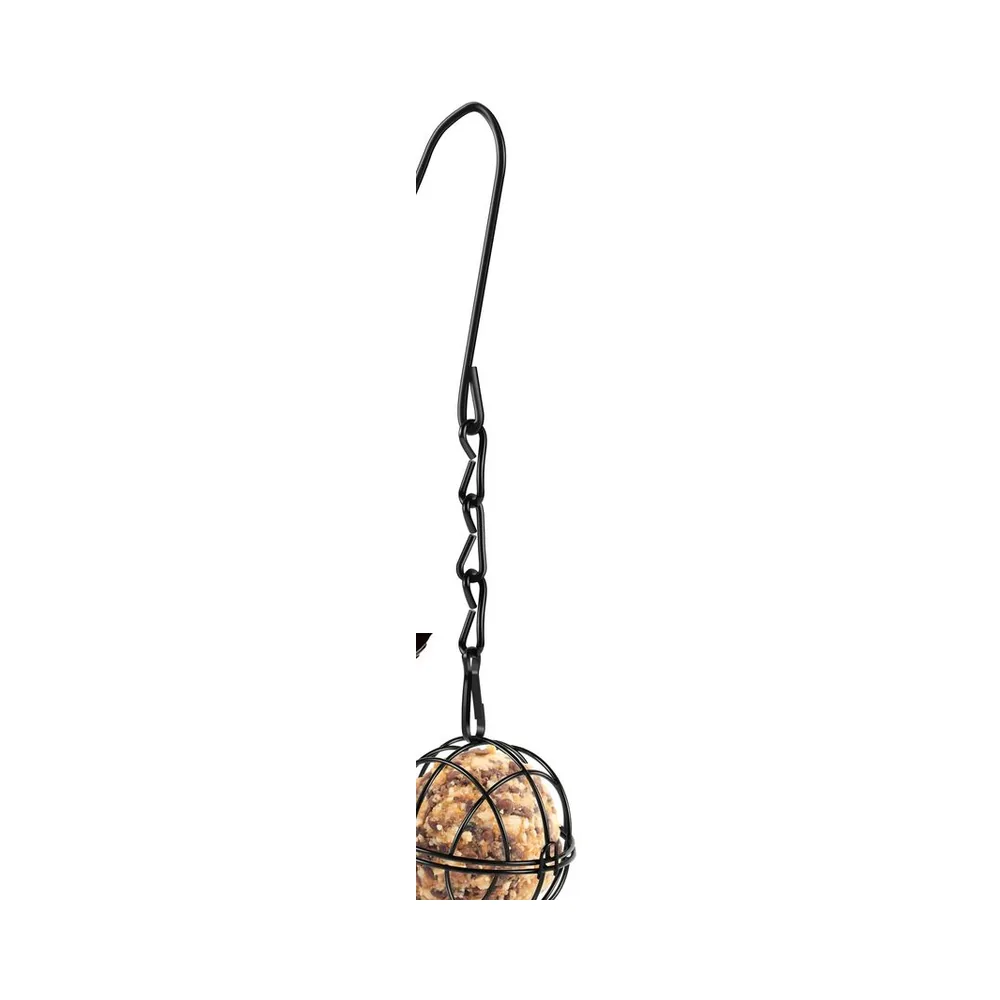
 Hanging Metal Fat Ball Feeders (Set of Four)
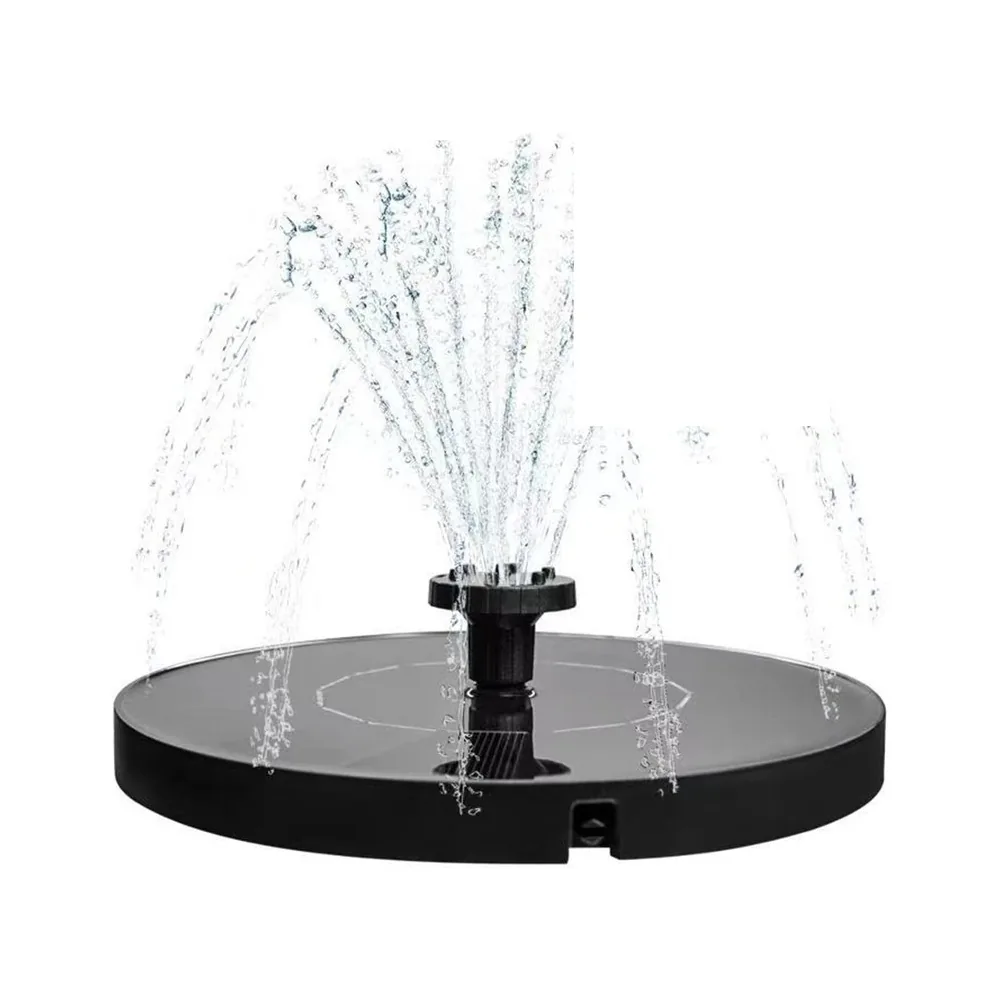 Solar Fountain for Your Bird Bath
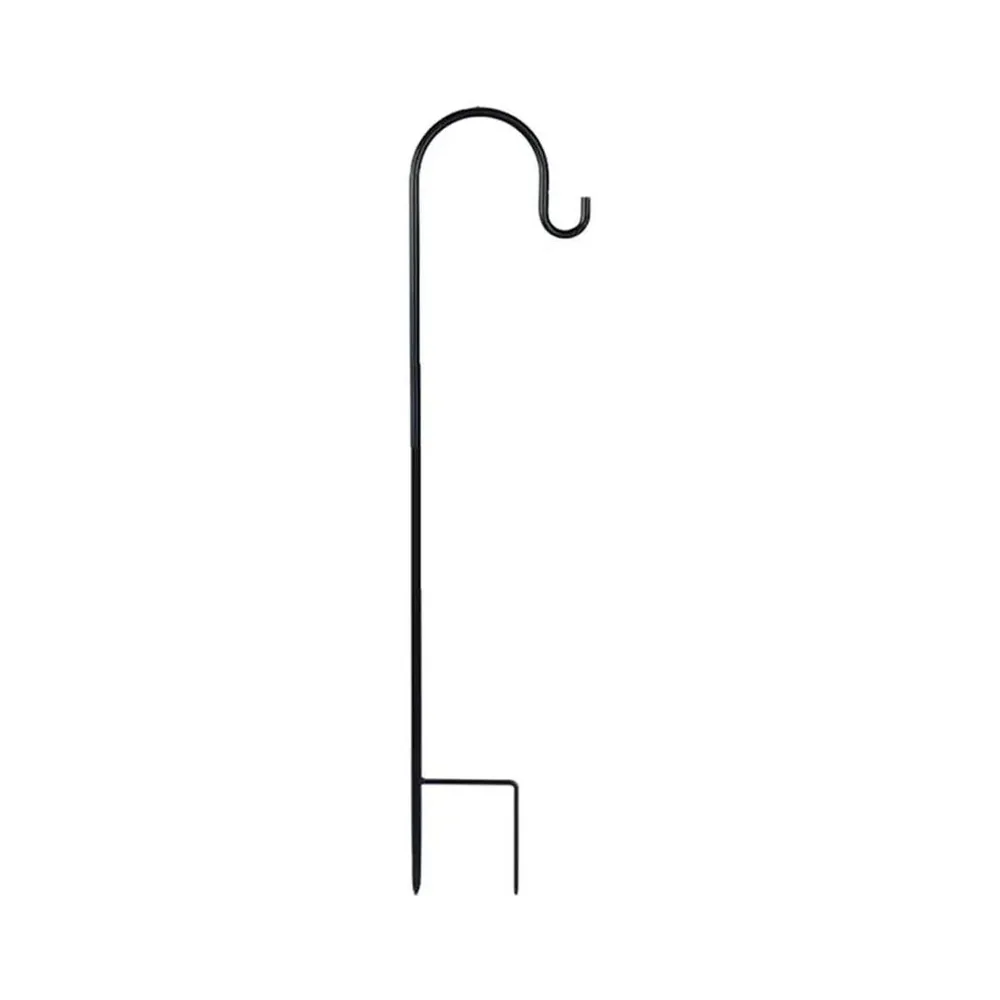 Shepherd Hook Feeder Pole
This is the least appealing subject in the whole business and the one I would most like people to take seriously.
A feeder does something that does not happen in nature: it brings a lot of birds, from different places, to the same few square centimetres, repeatedly, for months. Everything good about that also applies to anything they are carrying.
What actually spreads
You do not need to memorise the names, but it helps to know these are real.
Trichomonosis is the big one. A parasite that causes lesions in the throat, so the bird slowly starves with food in front of it. It devastated the UK greenfinch population from around 2006 and is spread through saliva at feeders and baths.
Salmonellosis spreads through droppings in food, which is exactly what happens on an open table or a tray that is not cleaned.
Avian pox causes visible growths, mostly around the head. It spreads by direct contact and by biting insects.
Damp mouldy seed causes respiratory problems on top of all that — see foods to never feed garden birds.
The routine
It is five minutes a fortnight, and weekly in mild damp weather when things spoil fastest.
- Take the feeder fully apart.
- Tip old seed away from the feeding area, not underneath it.
- Scrub every surface with hot soapy water and a stiff brush — ports, base, perches, lid.
- Rinse thoroughly. Detergent residue is bad for feathers.
- Dry completely before refilling.
That last step is the one people skip and the one that matters most. A damp feeder refilled with fresh seed is a mould culture.
Owning two feeders and rotating them removes the excuse entirely — there is more on choosing ones that actually come apart in best no-mess and easy-clean feeders.
What not to use
- Bleach or household disinfectant. Residue is harmful, and rinsing well enough to be sure is harder than it sounds.
- Algaecide or pond treatments. Formulated for water features, not for something birds drink.
- The washing-up brush. Keep a separate one, and keep it outside.
Hot water and physical scrubbing does the job. The mechanical action is what removes the biofilm, not any chemical.
The bath needs more attention than the feeder
People clean feeders and forget baths, which is the wrong way round for trichomonosis specifically — it passes through saliva in shared water.
Change the water every two or three days, daily in hot weather, and scrub the bowl weekly with a stiff brush and hot water. Detail in keeping a bird bath clean.
Move things about
Droppings and husks build up in the ground underneath, and that patch is where infection concentrates.
Shift the feeder two or three metres every month or two. A pole makes this trivial. A catcher tray stops most of it reaching the ground at all.
The signs that mean stop
Watch for a bird that is fluffed up in mild weather, lethargic, slow to fly, sitting with its eyes half closed, or wet and matted around the beak. Any of those, especially in a greenfinch or a chaffinch, is a warning.
If you see one:
- Take down every feeder and the bath.
- Clean everything thoroughly.
- Leave it all down for two weeks so the flock disperses.
- Restart with a clean station and keep an eye on it.
It feels like abandoning them. It is the opposite — a feeding station is what is concentrating the problem.
Storage matters as much as scrubbing
A clean feeder filled from a damp sack is a clean feeder for about a day.
Keep seed in a lidded tub, off the floor, somewhere dry and cool, with a scoop inside it. Buy a size you will get through in a couple of months rather than the biggest bag available.
And check what comes out of it. Seed that has clumped, smells musty or has fine webbing in it has gone, and no amount of feeder cleaning makes it safe.
And wash your hands
Salmonella in particular can pass to people. Gloves are sensible, hand-washing afterwards is non-negotiable, and do not do any of this on the kitchen worktop.
The rest of this series is at bird food and feeding, and the food guide covers the rest of the menu.
Cleaning when it is freezing
The fortnightly wash is easy in April and genuinely awkward in January, which is exactly when people quietly stop doing it.
Do it indoors. Take the feeder apart, bring the parts in, wash them in the sink in hot soapy water, and let them dry properly somewhere warm before they go back out. Washing a feeder outside in freezing weather means cold water, numb hands and a rushed job, and a feeder refilled while damp will have a frozen plug of seed in the base by the next morning.
This is the strongest practical argument for owning two feeders. Hang the spare while the first one dries overnight, and the birds see no gap at the point in the year when a gap matters most. Midwinter is when a feeder gets the heaviest use and the most concentrated traffic, which makes it the worst time of year to let hygiene slide.