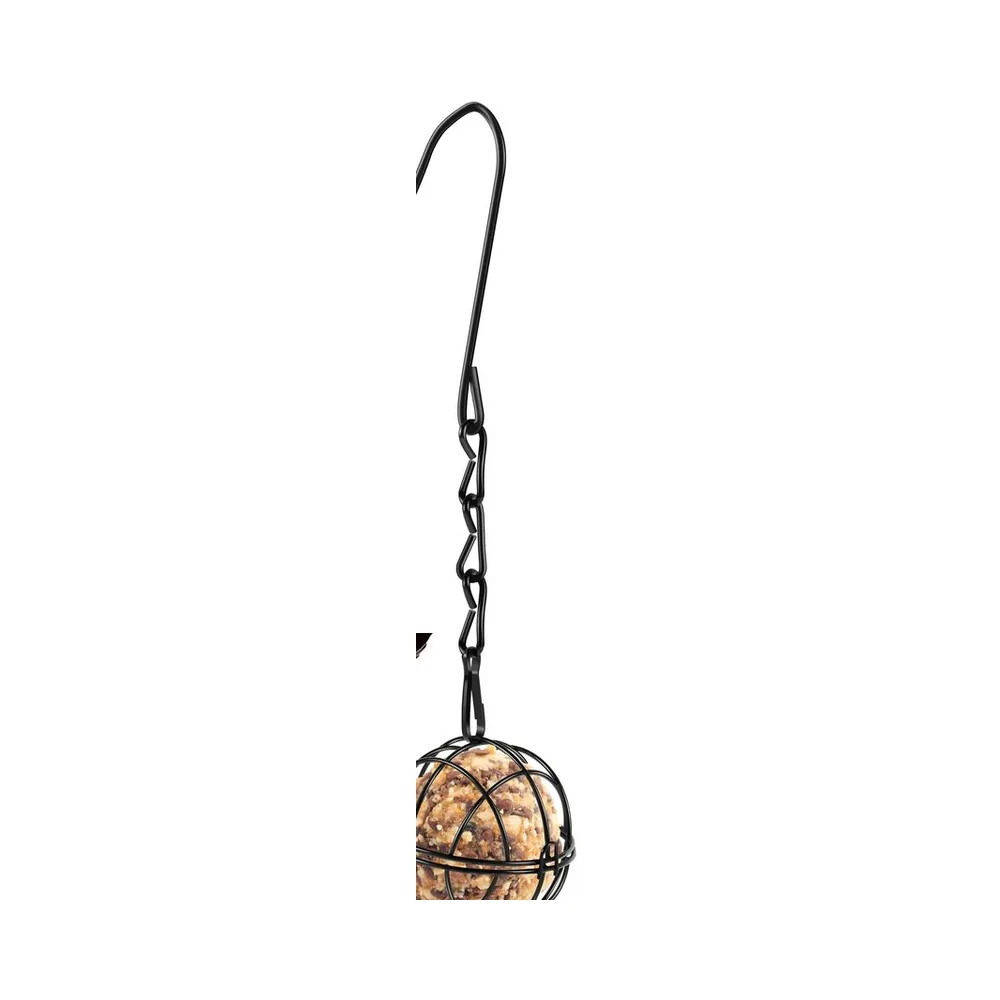
 Hanging Metal Fat Ball Feeders (Set of Four)
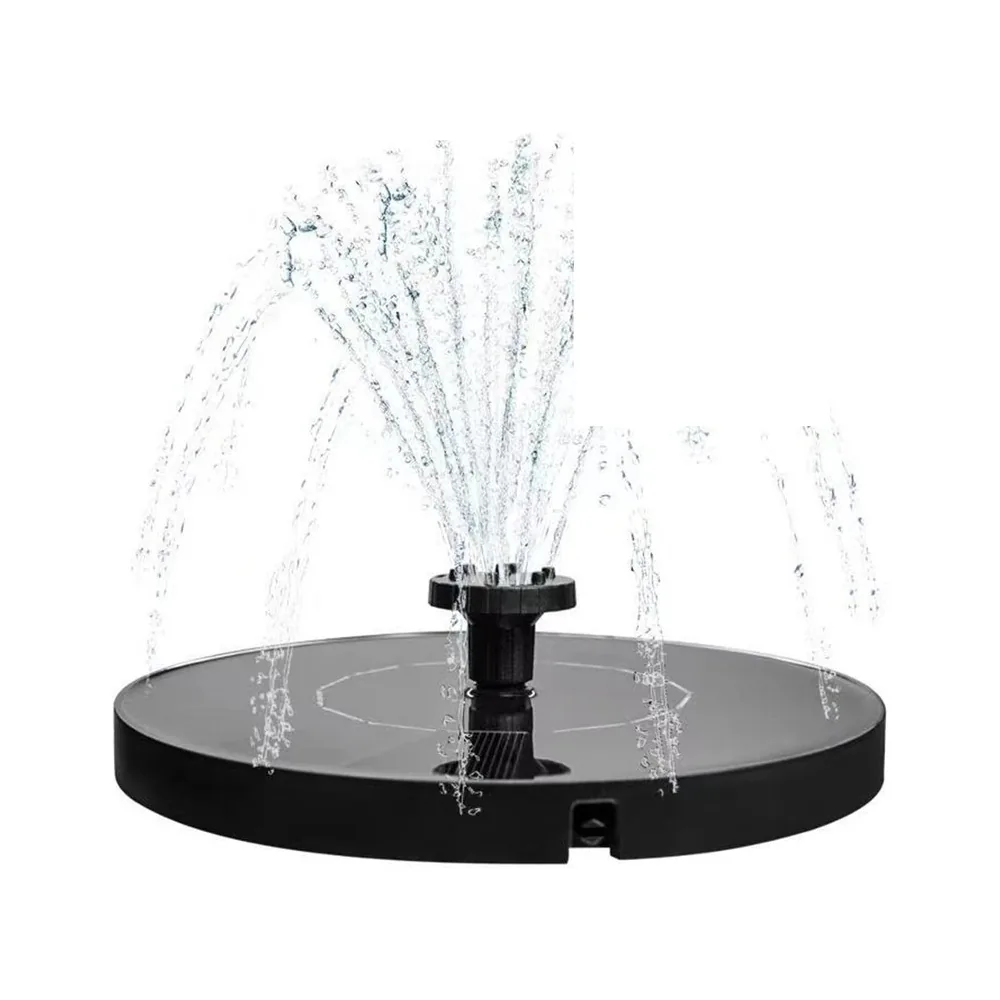 Solar Fountain for Your Bird Bath
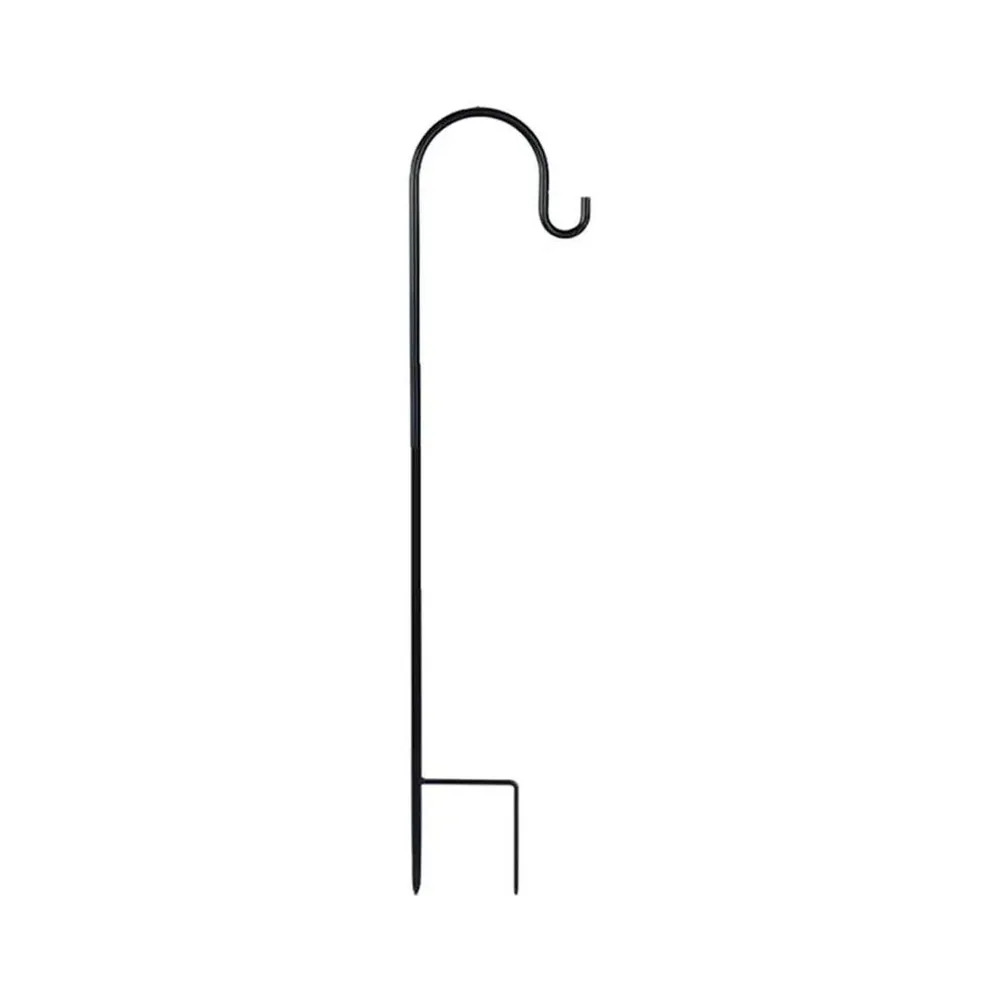 Shepherd Hook Feeder Pole
Most of what people put out for birds is fine. A few things are not, and a couple are genuinely dangerous.
This is a short list. Learn it once and you can stop worrying.
Anything salted
Salted peanuts, crisps, salted popcorn, bacon rind, salted butter on bread.
Birds have no efficient way to excrete excess salt. A quantity that would be trivial for us can cause serious harm to a bird weighing eleven grams, affecting the nervous system and the kidneys.
Instead: unsalted peanuts sold for birds, in a mesh feeder. There is more in peanut feeders: what to know.
Milk
Birds are lactose intolerant. They cannot digest it, and it causes severe digestive upset.
The old image of a blue tit pecking the foil off a doorstep pint is real, but what they were after was the cream — nearly pure fat, with very little lactose.
Instead: hard cheese in very small amounts is fine in winter. Mild cheddar, grated. Never blue cheese.
Anything mouldy
This one catches people out because it is not something you put out deliberately — it is something that happens in the feeder.
Some moulds that grow on damp seed and peanuts cause respiratory infections that kill birds. It does not always look dramatic; a clumped, slightly musty feeder is enough.
Instead: fill feeders part-way so they turn over in days, keep seed dry, and clean every fortnight. If it clumps or smells, bin the lot.
Cooking fat from the roasting tin
Meat juices mixed in keep it soft even when cold, and soft fat smears onto feathers, where it destroys waterproofing. It also goes rancid quickly and grows bacteria readily.
Instead: proper suet or hard commercial fat balls, net removed. See the fat ball feeder guide.
Desiccated coconut
It swells inside the bird after being eaten, which can be fatal.
Instead: fresh coconut in the half shell, hung so rain cannot collect and turn it mouldy. Replace it every few days.
Dry hard bread, in quantity
Not toxic, but close to worthless. It fills a bird up with almost no fat, protein or vitamins, and in the nesting season a chick fed on bread can be malnourished while appearing well fed.
Large dry pieces can also swell in the crop.
Instead: if you have bread going spare, soak a little wholemeal in water and offer it in hard weather as a small part of a varied menu. Never as the main event, never in spring.
Whole peanuts, loose
Worth stating precisely, because the nuance matters.
Peanuts are an excellent food. The hazard is a whole nut offered loose, which an adult can carry back to a chick that cannot swallow it.
Instead: always a mesh feeder, which forces birds to peck off fragments. Never scatter them on a table or the ground.
Avocado, chocolate and the kitchen scraps question
Two more that come up and are worth being firm about.
Avocado contains persin, which is toxic to many birds. Do not offer it in any form.
Chocolate contains theobromine, which birds cannot metabolise. Same answer.
Beyond that, most kitchen scraps are a question of quality rather than danger. Cooked rice without salt, plain pastry, unsalted porridge oats (dry, never cooked and sticky), sultanas and chopped apple are all fine in moderation on a bird table.
Put out only what gets eaten within a day. Anything left overnight is a rat invitation rather than a meal.
A note on aflatoxin
Peanuts can carry aflatoxin, a mould toxin that is invisible, odourless and harmful.
Nuts sold for wild birds are batch-tested for it. Bulk nuts of unknown origin, or nuts sold for human snacking, are not tested for this purpose. Buy bird-grade — it is not marketing.
The rule of thumb
If it is salted, sugared, mouldy or heavily processed, it is not bird food.
Everything a garden bird actually needs is on a very short list: sunflower hearts, peanuts, suet and fat, mealworms, and clean water. The food guide covers the good half of it, and what to feed garden birds ranks them.
The rest of this series is at bird food and feeding.
The ones that are fine, despite the rumours
A list of things to avoid tends to make people nervous about everything, so it is worth naming a few kitchen items that are genuinely safe and often assumed not to be.
Mild grated cheese is fine and is well liked by robins, wrens and dunnocks — it is fat and protein, and the salt content of a mild cheddar is not a problem in the quantities involved. Cooked rice, plain and unsalted, is perfectly good, and the old story about it swelling inside birds is not true. Plain porridge oats, dry and uncooked, are cheap and excellent.
Unsalted, unsweetened peanut butter is safe offered in a rough hole rather than a smooth lump. Windfall apples, pears and soaked raisins are all excellent. The rule underneath all of it is simple enough: plain, unsalted, unsweetened, unspiced and not mouldy. If it passes those five tests it is very unlikely to do harm.