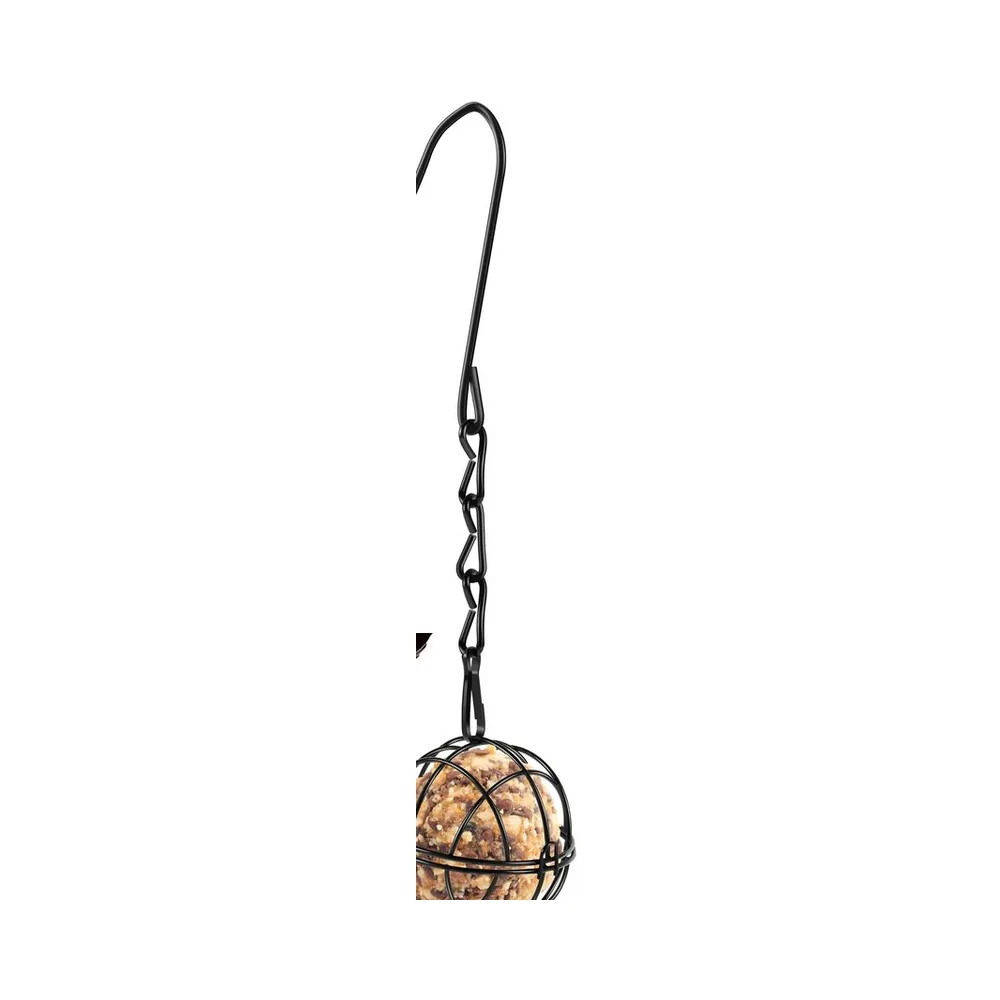
 Hanging Metal Fat Ball Feeders (Set of Four)
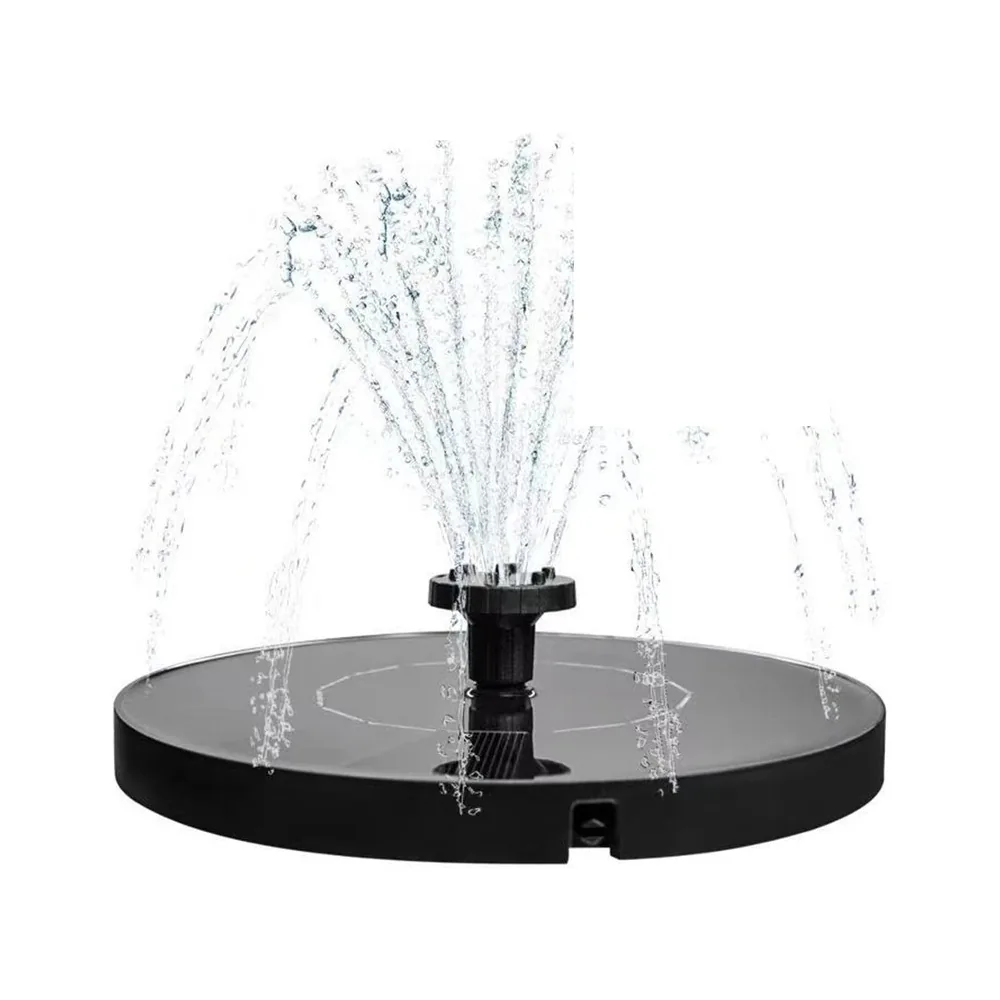 Solar Fountain for Your Bird Bath
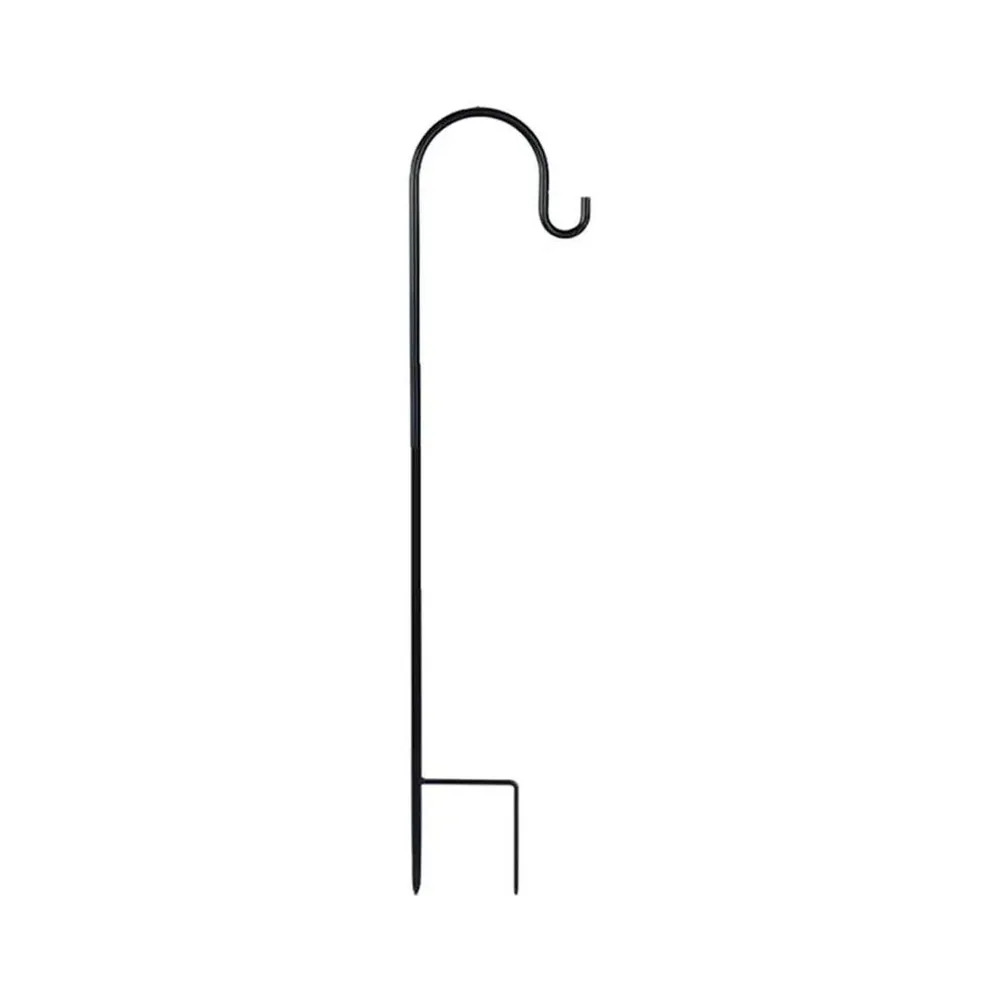 Shepherd Hook Feeder Pole
If I could only hang one feeder through a British winter it would be this one.
Fat is the most concentrated energy a small bird can get. On a January night a blue tit has to burn through fourteen hours of darkness on whatever it ate before dusk, and it can lose a tenth of its body weight doing it. Fat is what closes that gap.
The rule that matters more than any other
Cut the net off.
Supermarket fat balls come in a green or red plastic mesh. Birds catch their feet in it and, less often but far worse, their beaks. Every winter there are birds injured and killed by that netting, and it is entirely avoidable.
Snip it away completely and drop the bare ball into a proper feeder. The feeder holds it just as well and lets several birds feed at once instead of one.
If a fat ball is still in its net, it is not ready to go out. That is the whole rule.
Which feeder to buy
Steel cage feeders
The standard and, in my view, the right answer.
A steel cage holds one to four balls, lets blue tits, great tits, coal tits and long-tailed tits work at them from every side, and has nothing a squirrel can chew through. Ours are here: fat ball and suet feeders.
The gap size does useful secondary work. At around four centimetres it keeps starlings and woodpigeons out, which on a fat ball feeder matters — a flock of starlings will take a ball down in a morning.
What to avoid
Plastic cages get chewed open within a season. Single-ball holders with a spring clip are fiddly and hold too little to be worth refilling.
And anything that requires the net to stay on is not a feeder, it is a hook.
Who comes to it
In rough order of enthusiasm in my garden:
- Blue tits and great tits — constant, all winter, first thing and last thing.
- Long-tailed tits — the reward. A flock of eight or ten arrives, works the fat for about ninety seconds, and is gone.
- Coal tits — take a fragment and hide it. They cache obsessively.
- House sparrows — in gangs where you have them.
- Robins and dunnocks — underneath, on the crumbs. A catcher tray turns that into a proper second station.
Choosing the balls themselves
Not all fat balls are equal, and the cheap ones are mostly cereal.
Look for suet or beef tallow high in the ingredients and a decent proportion of seed, peanut granules or insects. If the first ingredient is wheat flour, it is filler with a bit of fat holding it together.
Hard is better than soft. A firm ball holds together in rain, does not smear on feathers, and lasts long enough to be worth the trip.
Summer: yes, but carefully
There is a persistent belief that fat balls are dangerous in summer. It is half right.
Soft fat goes rancid quickly in heat and can smear onto adult feathers, which damages waterproofing at exactly the wrong time of year. Large lumps of hard fat can also be carried whole to a chick.
So in summer: good-quality hard balls only, smaller quantities, topped up more often, and out of direct afternoon sun. Suet pellets are an even safer bet in the nesting season.
More on the seasonal side in getting the garden ready for winter and the seasonal guide.
Cleaning
Fat leaves residue, and residue goes rancid.
Every two weeks, take the cage apart and scrub it in hot soapy water with a stiff brush. Get into the corners where the wires meet — that is where it builds up. Rinse and dry fully before refilling.
Weekly in mild damp weather, when things spoil fastest.
Where to hang it
Same rules as any hanging feeder: 1.5 to 2 metres up, two to three metres from cover, and two metres clear of anything a squirrel can jump from. There is a full breakdown in where to position a bird feeder.
One fat-ball-specific note: hang it where you can see it from indoors. The long-tailed tit flock is one of the best things about a British winter garden, and it does not wait for you.
The rest of this series is at which feeder for which food.
Why it emptied overnight
A fat ball feeder that was full at dusk and empty at dawn was not emptied by birds. Garden birds do not feed in the dark.
The overnight raiders are rats, mice and occasionally a fox, and fat is exactly what they want. A feeder within climbing reach of a fence, a wall or the ground is accessible to all three once it is dark.
If it is happening, the fix is height and clearance rather than a different feeder: get it well up a pole in open ground, fit a baffle, and make sure nothing has fallen underneath to advertise the location. Bringing the feeder in at dusk through a bad patch works too and breaks the habit within a week or two. What does not work is simply refilling it, which turns a chance discovery into a reliable nightly supply.