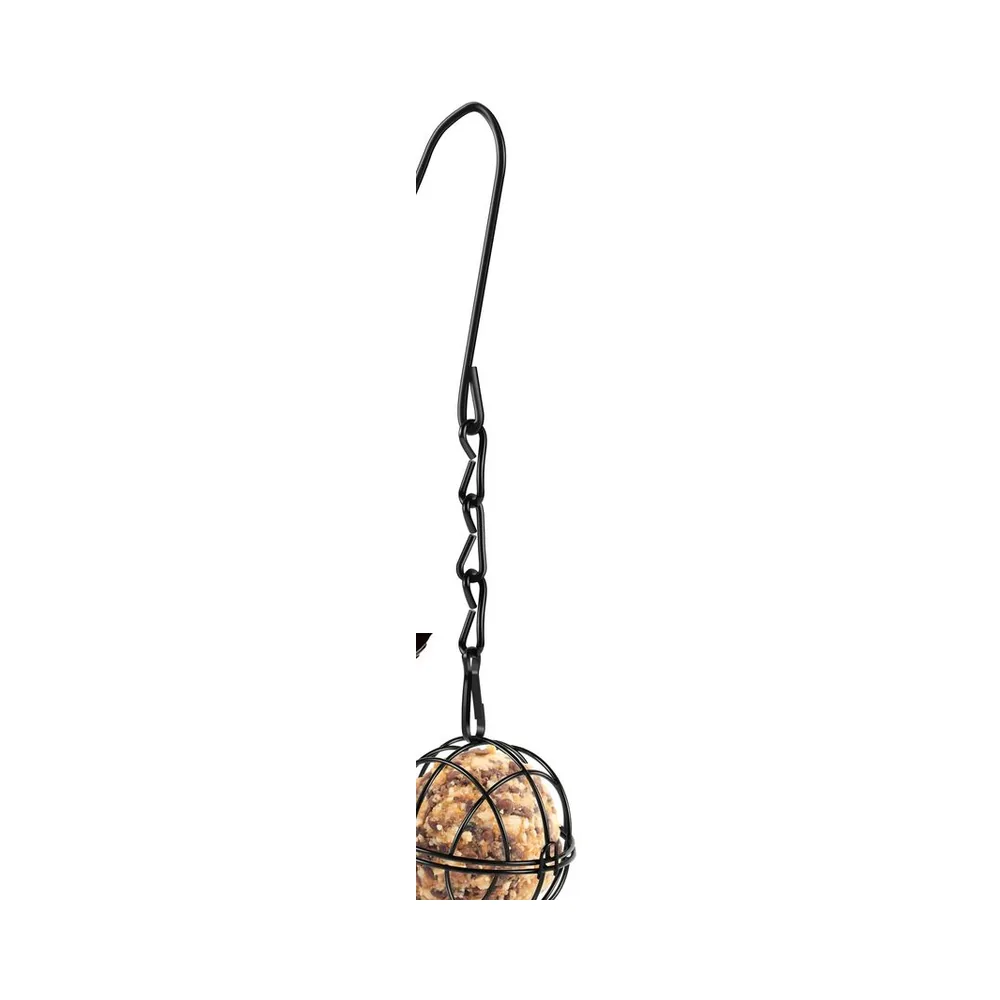
 Hanging Metal Fat Ball Feeders (Set of Four)
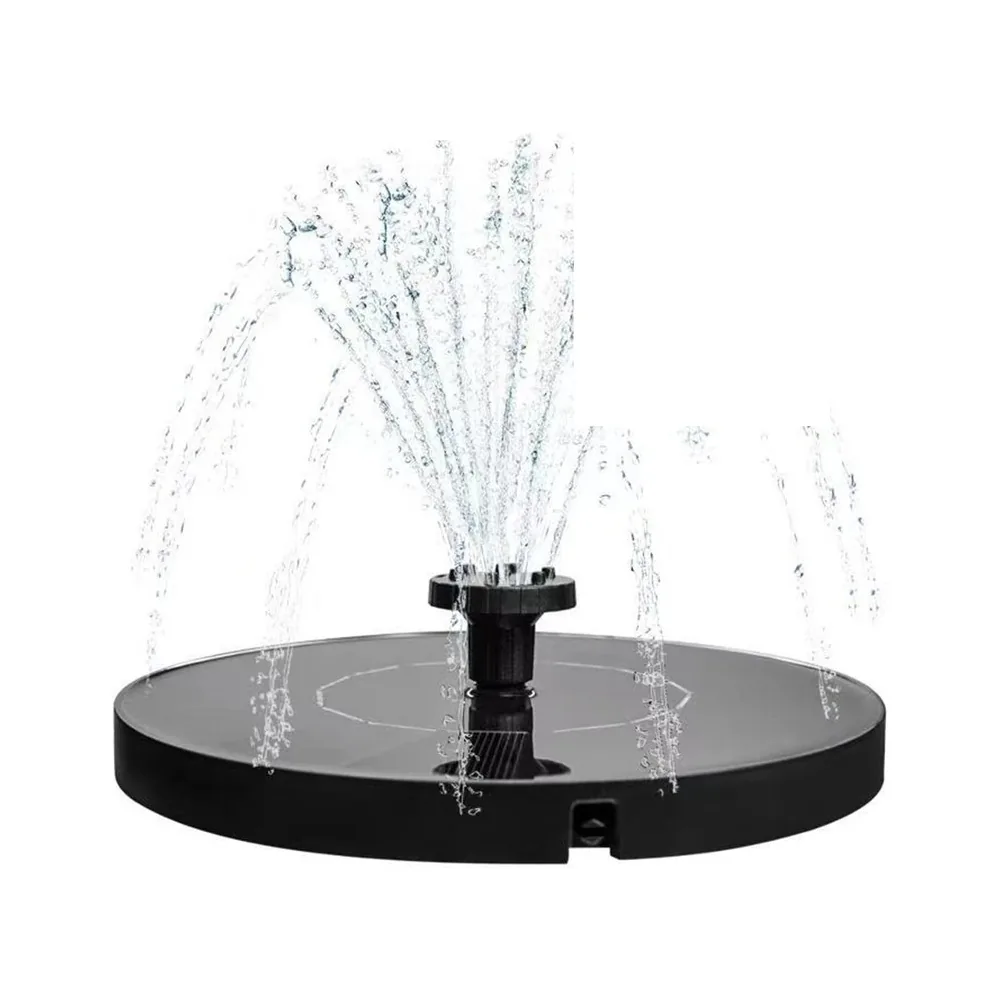 Solar Fountain for Your Bird Bath
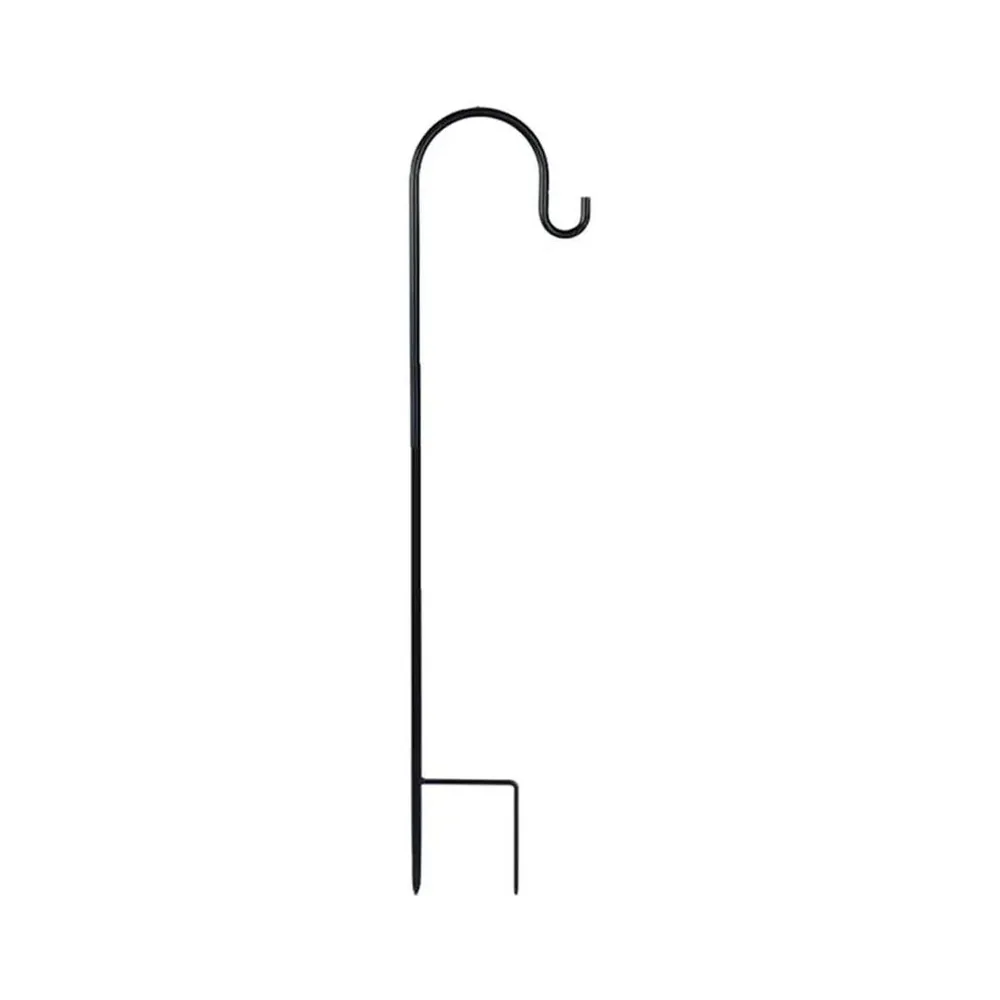 Shepherd Hook Feeder Pole
If someone tells me they are starting to feed birds and asks what to buy, the answer is a tube of sunflower hearts and something to hang it from. Everything else is refinement.
But there are a couple of things about hearts specifically that are worth knowing, because they behave differently from seed in a shell.
Why hearts suit so many birds
A heart is a sunflower kernel with the shell removed. High in oil, soft enough for a small beak, and no work required to open it.
That last point is why the species list is so long. Blue tits, great tits, coal tits, goldfinches, greenfinches, chaffinches, house sparrows, robins, dunnocks and blackbirds will all take them — the clingers from the feeder, the ground birds from whatever falls.
There is a fuller comparison in hearts vs whole seed.
Damp is the whole problem
The shell you removed was doing a job. Without it, hearts absorb moisture readily, clump into a solid plug and go mouldy faster than any other common bird food.
A blocked feeder that looks full is a feeder birds have given up on, and mouldy seed is actively dangerous — see foods to never feed garden birds.
Three habits fix it entirely:
- Buy a feeder with a roof. A sheltered top keeps direct rain out of the ports. Ours are here: seed feeders.
- Fill to about two-thirds. Turnover in days rather than weeks. A brim-full feeder in November still has November's seed at the bottom in January.
- Check after heavy rain. Ten seconds. If it has clumped, empty it, dry it and start again.
Port size matters more than you would think
Hearts are light and smooth, and a bird pecking at a wide-open port will flick three onto the ground for every one it eats.
Small ports with a lip hold them in. It sounds like a detail; over a winter it is a noticeable part of the bag.
Add a tray, get more birds
Whatever does get knocked out lands somewhere. A catcher tray catches it and gives robins, dunnocks and blackbirds a clean surface — none of which can use a hanging feeder at all.
One feeder, two audiences, and no dead patch of lawn. More in how to stop feeders making a mess.
If bigger birds are a problem
Hearts are popular with everything, which includes starlings and woodpigeons.
A caged version of the same feeder — gaps around four centimetres — lets the small birds through and stops the rest. See best feeders for small birds and, for the ground half of the problem, stopping pigeons.
Storage, which nobody mentions
Buy the large bag. It is markedly cheaper per kilo and hearts keep well if you store them properly.
Properly means: a lidded plastic tub, off the floor, somewhere dry and cool. Not the original paper sack in the shed corner, which mice will find within a fortnight and damp will find sooner.
Keep a scoop in the tub. Small thing, but it is the difference between topping up the feeder and meaning to.
How much to put out
Enough to be emptied in two or three days.
Birds do not need a reservoir, they need reliability. A part-filled feeder topped up often beats a full one left for a fortnight, on freshness, on hygiene, and on the amount you actually get through.
In winter, add a top-up mid-afternoon — that meal has to last a fourteen-hour night. There is more in feeding garden birds in winter.
Cleaning
Every fortnight, weekly in mild damp weather. Take it apart, scrub with hot soapy water and a stiff brush, rinse and dry completely before refilling.
Pay attention to the ports and the base, where oily residue and fine dust collect. That residue is where mould starts.
The rest of this series is at which feeder for which food, and the pillar guide covers matching every food to its feeder.
Where the hearts actually go
Watch a feeder for ten minutes and you will notice that not every bird eats what it takes. A coal tit lands, grabs a heart and leaves in under two seconds, and it does that over and over.
It is caching. Coal tits, marsh tits and nuthatches all store food, wedging seeds into bark crevices, moss and soil to retrieve later, and a feeder full of husk-free hearts is an unusually convenient supply for that.
This is worth knowing for two reasons. It explains why a feeder can empty startlingly fast without any obvious crowd on it, and it means a proportion of what you put out is being distributed around the neighbourhood rather than eaten on the spot. Neither is a problem — caching is exactly what these birds evolved to do with a glut — but it does change what "a busy feeder" looks like.