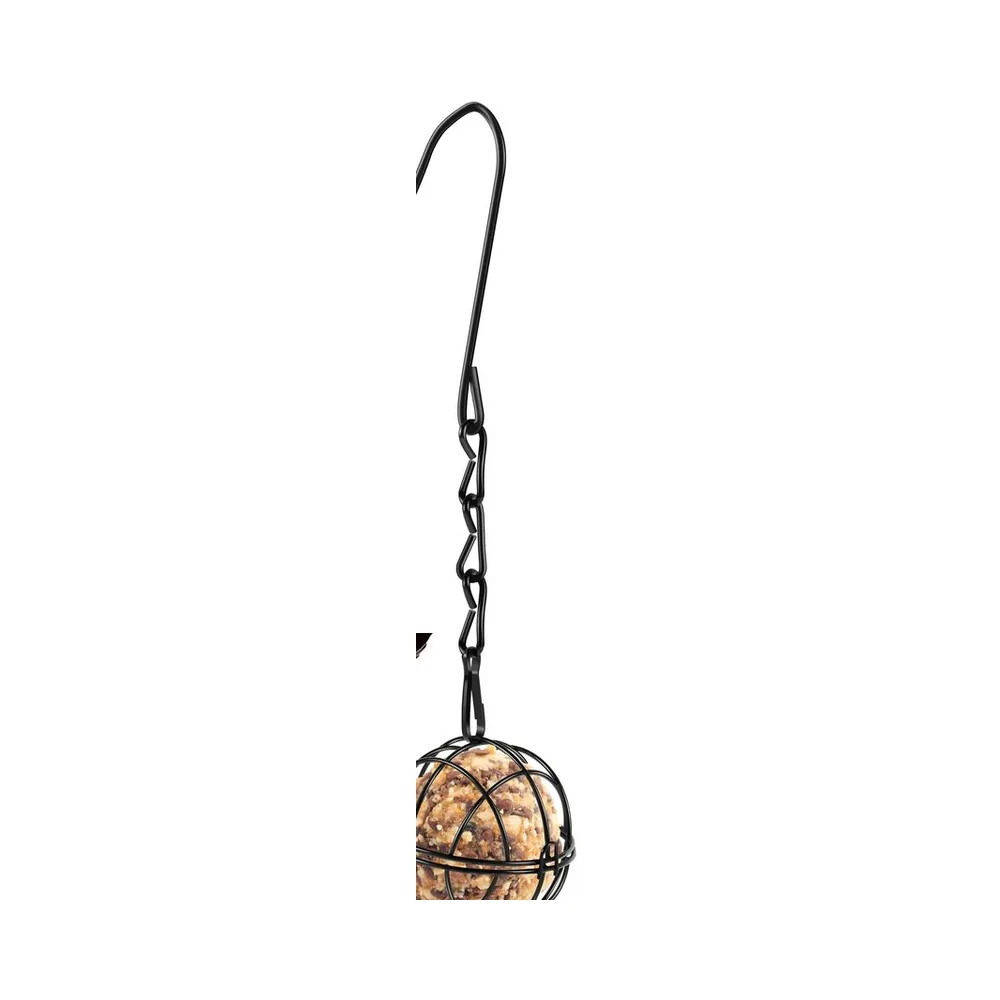
 Hanging Metal Fat Ball Feeders (Set of Four)
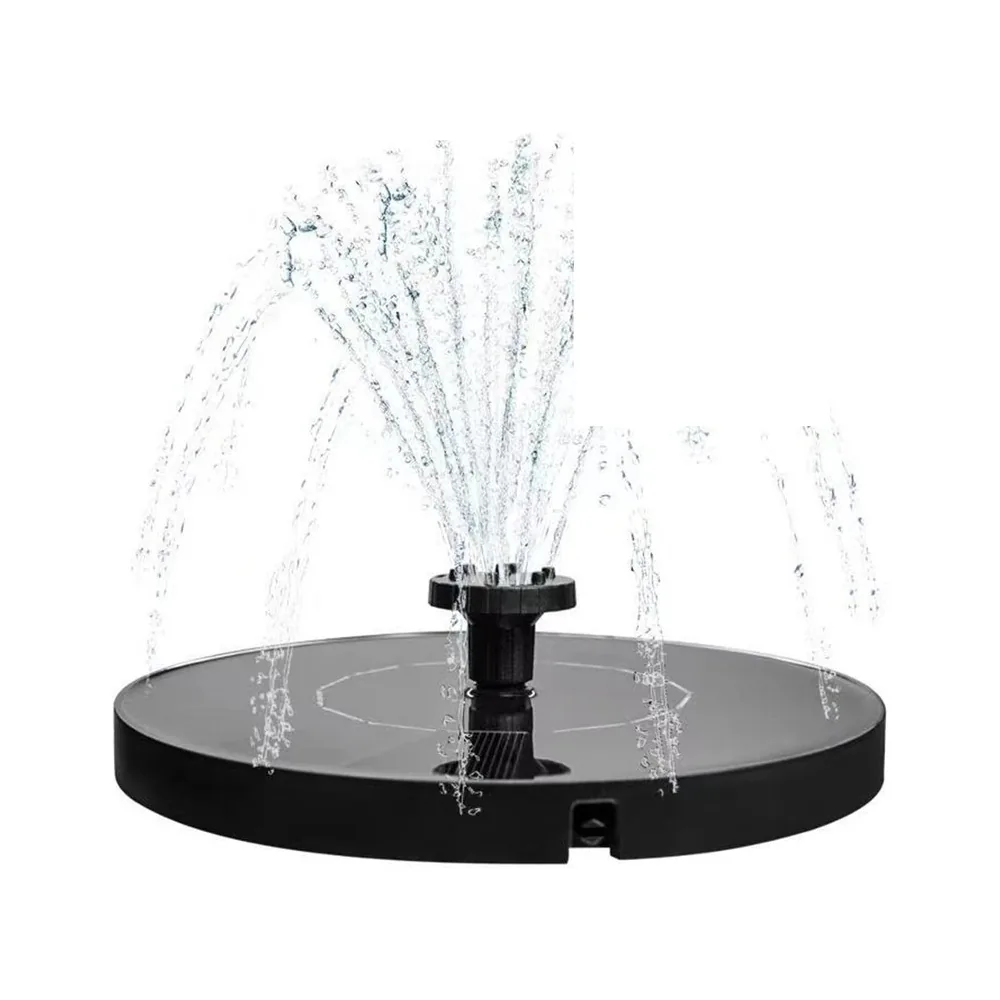 Solar Fountain for Your Bird Bath
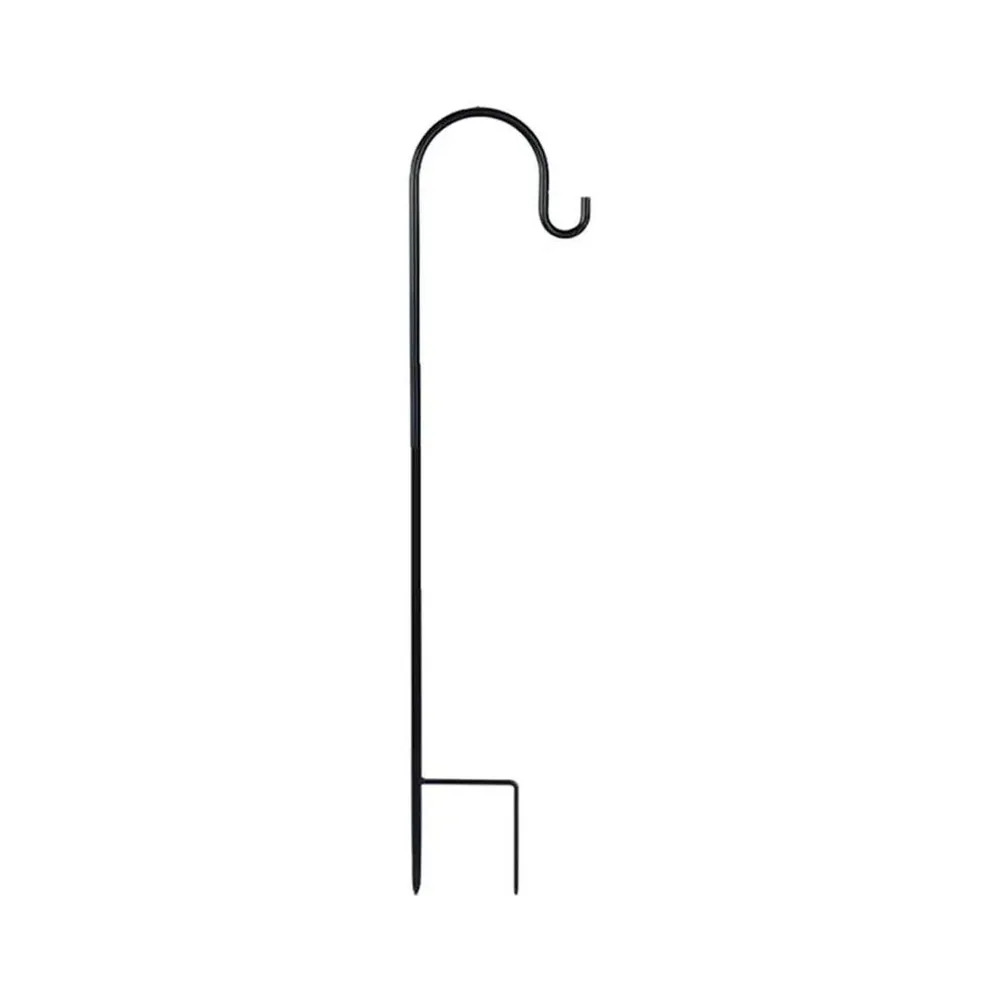 Shepherd Hook Feeder Pole
Quick answer: To make a bird feeder at home, coat a pine cone in bird-safe suet or unsalted peanut butter, roll it in seed and hang it with string near cover. Bottle feeders, teacup feeders and orange-peel cups work the same way: half an hour, spare materials, and birds usually arrive within days.
Here is my favourite thing about diy bird feeders: you almost certainly already own everything you need to make one this afternoon. A pine cone, a plastic bottle, an old teacup, a bit of string. No experience, no fancy tools, no big spend. I am Josh, a maker from Bristol, and I got into all this through weekend upcycling projects. If your first attempt looks a bit wonky, brilliant. The birds genuinely do not care, and neither should you.
This guide runs through the easiest homemade feeders anyone can build, how to get the kids involved, where to hang the finished thing, and how to keep the wider garden friendly to all the wildlife that follows. Roll your sleeves up.
Five DIY Bird Feeders for a Weekend
None of these take more than half an hour, and most are done with the recycling bin and the kitchen cupboard.
- Pine cone feeder. Roll a dry, open pine cone in bird-safe suet or lard, then in seed, tie on some string, and hang it. The classic first build, and a brilliant one for children.
- Plastic bottle feeder. Cut two small holes in a clean plastic bottle, push a wooden spoon through as a perch and tray, fill with seed through the top, and hang it up.
- Teacup feeder. Glue an old cup and saucer together, hang from the handle, and fill with seed. Charming and nearly free.
- Apple and fruit feeder. Core an apple, thread string through, and hang it whole for blackbirds and thrushes. Fruit feeders could not be simpler.
- Orange-peel bowl. Hollow a half-orange, make three string holes, and fill with seed for a little hanging bowl that composts down after.
The RSPB has a lovely set of make-it-yourself activities if you want more step-by-step builds to try with the family RSPB, Make a bird cake.
The five builds compared, so you can pick your first.
| Build | Materials | Time | Birds it suits |
|---|---|---|---|
| Pine cone feeder | Pine cone, bird-safe suet or lard, seed, string | 15 minutes | Tits, wrens |
| Plastic bottle feeder | Clean bottle, wooden spoon, string | 30 minutes | Tits, sparrows, finches |
| Teacup feeder | Old cup and saucer, glue | 30 minutes | Robins, tits |
| Apple and fruit feeder | Cored apple, string | 10 minutes | Blackbirds, thrushes |
| Orange-peel bowl | Half an orange, string, seed | 10 minutes | Tits, finches |
Getting the Kids Involved
Homemade feeders are one of the best ways I know to get children hooked on wildlife. The pine cone and the plastic bottle builds are both messy in the good way, and there is real magic when a child sees a blue tit land on something they made themselves. Keep the jobs simple, let them do the mucky bits, and put the feeder somewhere they can watch it from indoors. That first visit is what turns into a lifelong love of nature.
Where to Hang Your Homemade Feeder
A great feeder in a bad spot stays empty, so placement matters just as much for a DIY build as a shop-bought one.
- Hang it a few metres from a shrub or hedge, so birds have cover to dart to.
- Keep it out of easy reach of cats, and away from surfaces squirrels can leap from.
- If you have no tree, the sturdy Shepherd Hook Feeder Pole gives you somewhere to hang everything.
- Once the birds arrive, you may want to add a longer-lasting hanging feeder alongside your homemade ones.
Keeping the Mess Down
Homemade feeders can be scattergun, and spilled seed on the ground draws rats and makes a mess. The fix is easy.
- Hang a seed catcher tray underneath to catch the fallout.
- Only put out what the birds clear in a day or two.
- Sweep up any build-up beneath the feeder regularly.
A tidy feeding spot is a healthy one, and it keeps the neighbours on side too.
Feeding Birds Alongside Other Wildlife
Feed the birds and you will soon find you are feeding a whole cast of garden wildlife. That is mostly a joy, with a little care needed.
- Hedgehogs may hoover up spilled seed and mealworms; leave them a shallow dish of water, and never milk.
- Foxes and badgers will take fallen scraps, so clear the ground at night if they become a nuisance.
- Bees and insects benefit hugely from a wildlife-friendly garden, so plant for them too.
The Wildlife Trusts have excellent, practical advice on making a whole garden work for wildlife, not just birds The Wildlife Trusts, Wildlife gardening. A garden that hums with life is the real reward here, and the feeder is just the start of it.
Are Homemade Feeders Any Good?
People sometimes worry a DIY feeder is second-best. It is not. A pine cone smeared with suet feeds a blue tit exactly as well as a shop-bought one. The two things to watch are hygiene, so refresh and rotate them like any feeder, and materials, so avoid anything sharp, chemically treated, or coated in loose netting that could tangle a bird's feet. Beyond that, have fun with it.
Bringing It Together
The best thing about diy bird feeders is that anyone can start today, for next to nothing, and get children involved while they are at it. Build a pine cone or a bottle feeder, hang it safely near cover, keep the ground tidy, and welcome the wider wildlife that follows. It is the most rewarding weekend project I know.
When your homemade feeders bring the crowds, protect them from raiders with my colleague Gary's Squirrel and Pest-Proofing guide, and to pick the right food for your builds, the Bird Food and Feeders guide has you covered.
Frequently Asked Questions
What household items make good bird feeders? Pine cones, clean plastic bottles, old teacups, orange peel and cored apples all make excellent DIY feeders. Most take under half an hour, cost almost nothing, and work just as well as shop-bought feeders for common garden birds.
Are homemade bird feeders safe for birds? Yes, as long as you avoid sharp edges, chemically treated materials and loose netting that can tangle a bird's feet. Use bird-safe suet or lard rather than salted fats, and refresh and clean your homemade feeders regularly to prevent disease.
How do I stop a DIY feeder making a mess? Hang a seed catcher tray underneath to catch spilled seed, put out only what the birds clear in a day or two, and sweep up any build-up on the ground regularly. This also helps deter rats attracted to fallen food.
How do you make a bird feeder at home? The quickest build is a pine cone rolled in bird-safe suet or unsalted peanut butter and then in mixed seed, hung from a branch with string. A cleaned plastic bottle with wooden spoon perches pushed through makes a longer-lasting version. Both take under half an hour with things you already own.
About the author Josh Ferns - Make it, hang it, watch them come Josh is a Bristol maker and content creator in his late twenties who got into wildlife gardening through upcycling weekend builds. He runs a small YouTube channel of DIY feeder projects and loves getting families and kids involved. His workbench is a permanent mess of offcuts and half-finished ideas. Writing for British Bird Feeders.