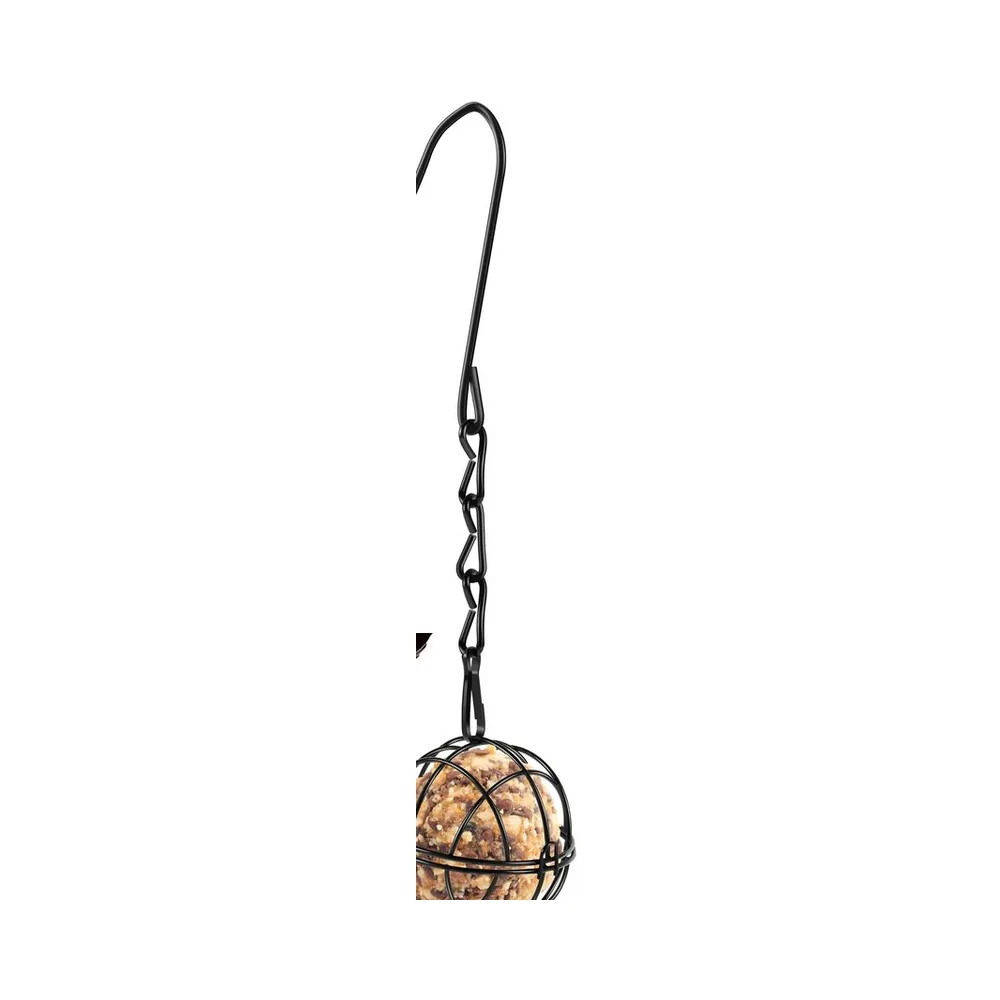
 Hanging Metal Fat Ball Feeders (Set of Four)
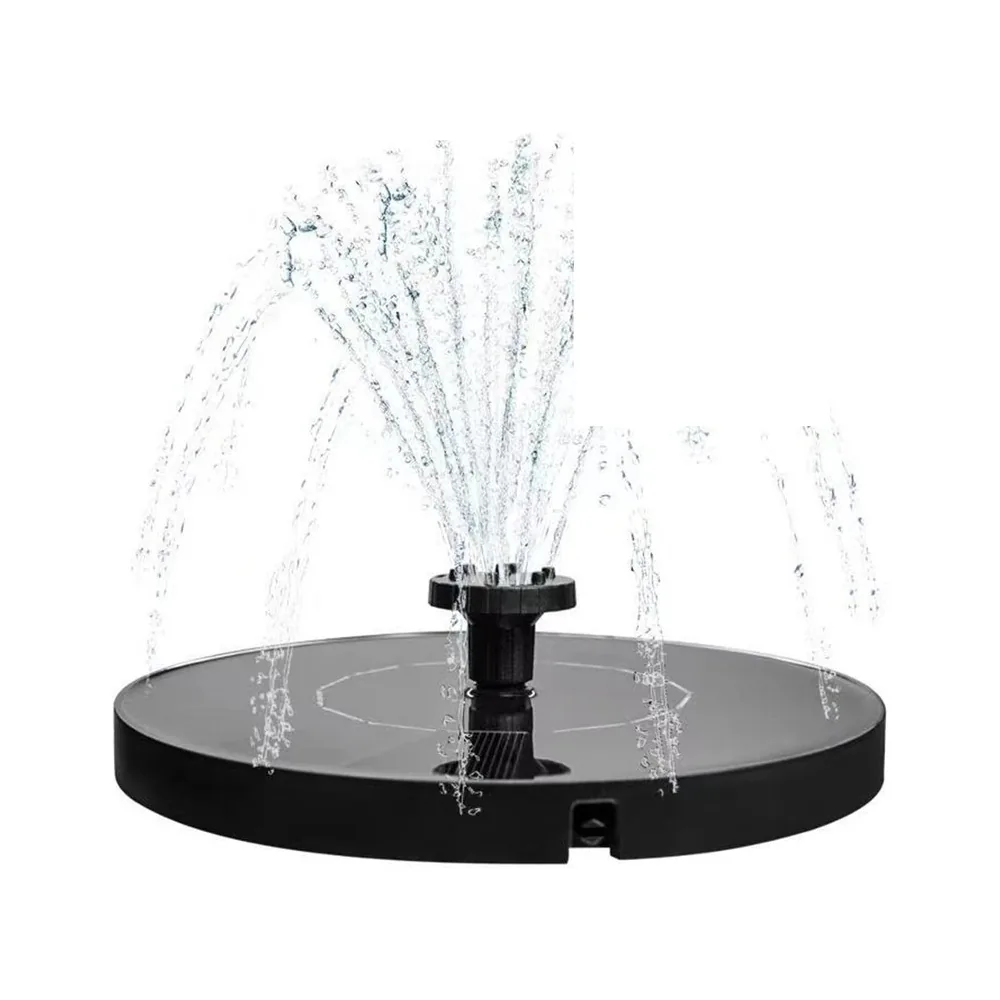 Solar Fountain for Your Bird Bath
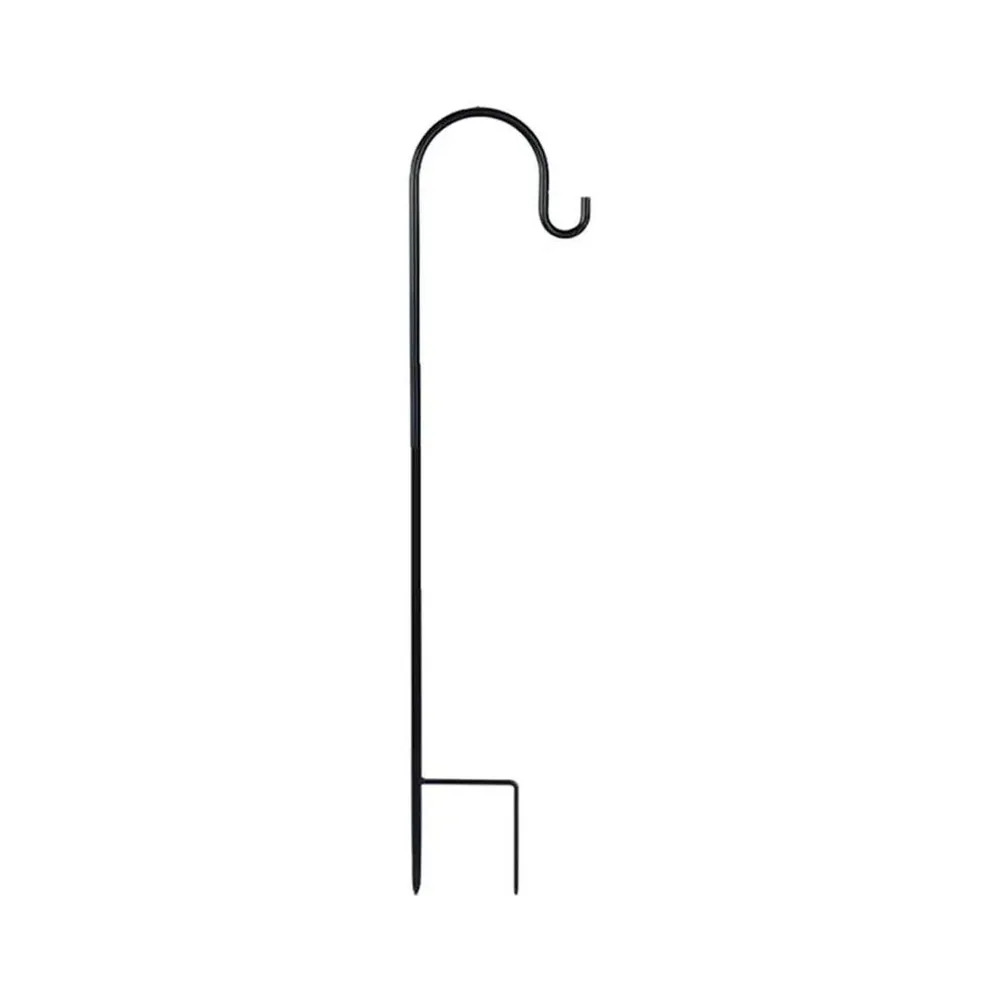 Shepherd Hook Feeder Pole
Quick answer: Pair every feeder with a bird bath no deeper than five to ten centimetres, with sloping sides and a rough surface for grip. Site it in the open, a couple of metres from cover, refresh the water daily and keep a patch ice-free in winter. Birds need water every day, all year round.
A blackbird splashing in the early light, wings loose, water flying everywhere, entirely absorbed in the simple business of being clean, is one of the quiet joys of a garden. If you have filled feeders for years and never offered water, you have been missing half the story. When it comes to bird baths and feeders, the water is not an afterthought; it is often the thing that turns an occasional garden into a beloved one. I am Eirwen, and from my little patch in mid-Wales, the first thing I fill each morning is not the feeder but the bath.
Birds need water every day, in every season, for drinking and for keeping their feathers in good order. This guide is a gentle walk through choosing, siting and caring for a bird bath, so your garden can offer both a meal and a wash.
Why Bird Baths and Feeders Work as a Pair
Feathers are a bird's coat, blanket and flying machine all at once, and they only work when kept clean and supple. Bathing lifts out dust and parasites and helps birds preen. Water is also, quite simply, survival: birds cannot always find it, least of all in a dry spell or a hard frost. The RSPB reminds us that a reliable source of clean water can matter even more than food at certain times of year RSPB, Water for wildlife.
Offer both food and water and you notice more species, and see them for longer, as they linger to drink and preen rather than snatching a seed and gone.
Choosing the Right Bird Bath
There is no single best bath, only the one that suits your garden and your birds.
- Pedestal baths sit at a safe height, away from cats, and make a handsome centrepiece. Our pedestal bird baths, like the lovely Vintage Iron Pedestal Bird Bath, suit most gardens.
- Ground baths mimic a natural puddle and appeal to blackbirds, dunnocks and robins that feed low down.
- Hanging baths work where space is tight, and pair neatly with hanging feeders.
- Solar and fountain baths add gentle movement, which draws birds in and keeps the water fresher. The Solar Bird Bath Fountain is a favourite of mine on a bright morning.
For the whole range in one place, browse our bird baths collection and let your garden decide.
A quick comparison to help you choose.
| Bath style | Typical height | Best for | Keep in mind |
|---|---|---|---|
| Pedestal bath | 60 to 90cm | Most species, a garden centrepiece | Needs a stable, level base |
| Ground bath | Ground level | Blackbirds, dunnocks, robins | Site it away from cat cover |
| Hanging bath | 1.5m or higher | Small gardens, tits and finches | Small bowls need frequent refills |
| Solar fountain bath | Varies | Catching the eye of passing birds | Fountain slows on dull days |
| Heated or winter-ready bath | Varies | Ice-free water all winter | Check it suits safe outdoor use |
The Golden Rule of Depth
This is the one thing people get wrong. A bird bath should be shallow, no more than about five to ten centimetres at its deepest, with a gently sloping side and a rough surface for grip. Small birds drown in deep, smooth basins. If yours is too deep, lay in a few flat stones so birds have somewhere to stand. Kindness on depth costs nothing and saves lives.
Where to Place It
Siting is everything, because birds are at their most vulnerable when wet and their sodden feathers make for slow flight.
- Place the bath a few metres from a shrub or hedge, so birds have cover to retreat to, but not so close that a cat can spring from hiding.
- A little dappled shade keeps water cooler and slows algae.
- Keep it in view of your window; the whole point is the watching.
The Wildlife Trusts offer sound, simple guidance on making a garden welcoming to wildlife, water included The Wildlife Trusts, Wildlife-friendly gardening.
Keeping Water Clean
A dirty bath does more harm than good, spreading disease between the very birds you want to help. The routine is quick.
- Tip out and refresh the water daily, or at least every couple of days.
- Give the basin a proper scrub weekly with a stiff brush and hot water, and skip harsh chemicals.
- Keep a few basics from our cleaning and hygiene range to hand.
Moving water from a solar fountain stays fresher for longer, which is one reason I love them, but nothing replaces a regular rinse.
Water Through Winter
Winter is when water becomes hardest to find and most precious. A frozen bath is no use to a thirsty bird on a bitter morning.
- Float a small light ball on the surface; a breeze keeps a patch ice-free.
- Pour on a jug of warm, not boiling, water each morning to thaw it.
- Never add salt or antifreeze, as both are harmful.
- For a lasting fix, a heated bird bath keeps water liquid through the coldest snaps.
Bringing It Together
Think of bird baths and feeders as two halves of the same welcome. Choose a shallow bath, site it safely near cover, keep it clean, and keep it thawed in winter, and you will draw in birds that a feeder alone never would. Water is the quiet gift that keeps giving, morning after morning.
To pair your water with the right food, our Bird Feed and Feeders guide is the natural next read, and to keep the garden welcoming right through the year, the Year-Round UK Bird Feeding guide will see you through every season.
Frequently Asked Questions
How deep should a bird bath be? Shallow, around five to ten centimetres at the deepest, with gently sloping sides and a rough surface for grip. If your basin is deeper, add a few flat stones so small birds can stand safely and do not risk drowning.
Where should I place my bird bath? A few metres from a shrub or hedge so birds have cover to escape to, but not right against dense planting where cats can hide. A spot with a little shade keeps the water cooler and slows algae, and keeping it in view lets you enjoy the visitors.
How do I stop my bird bath freezing in winter? Float a small light ball on the surface so the breeze keeps a patch open, and top it up with warm water each morning. Never use salt or antifreeze. A heated bird bath is the most reliable solution in prolonged cold.
About the author Eirwen Davies - Quiet mornings and water for the birds Eirwen is a nature writer from mid-Wales and a former primary school teacher who now runs gentle wildlife workshops in her village. She's written for a couple of regional countryside magazines and cares deeply about the small things, like a clean bird bath on a frosty morning. She keeps a journal of first sightings each spring. Writing for British Bird Feeders.