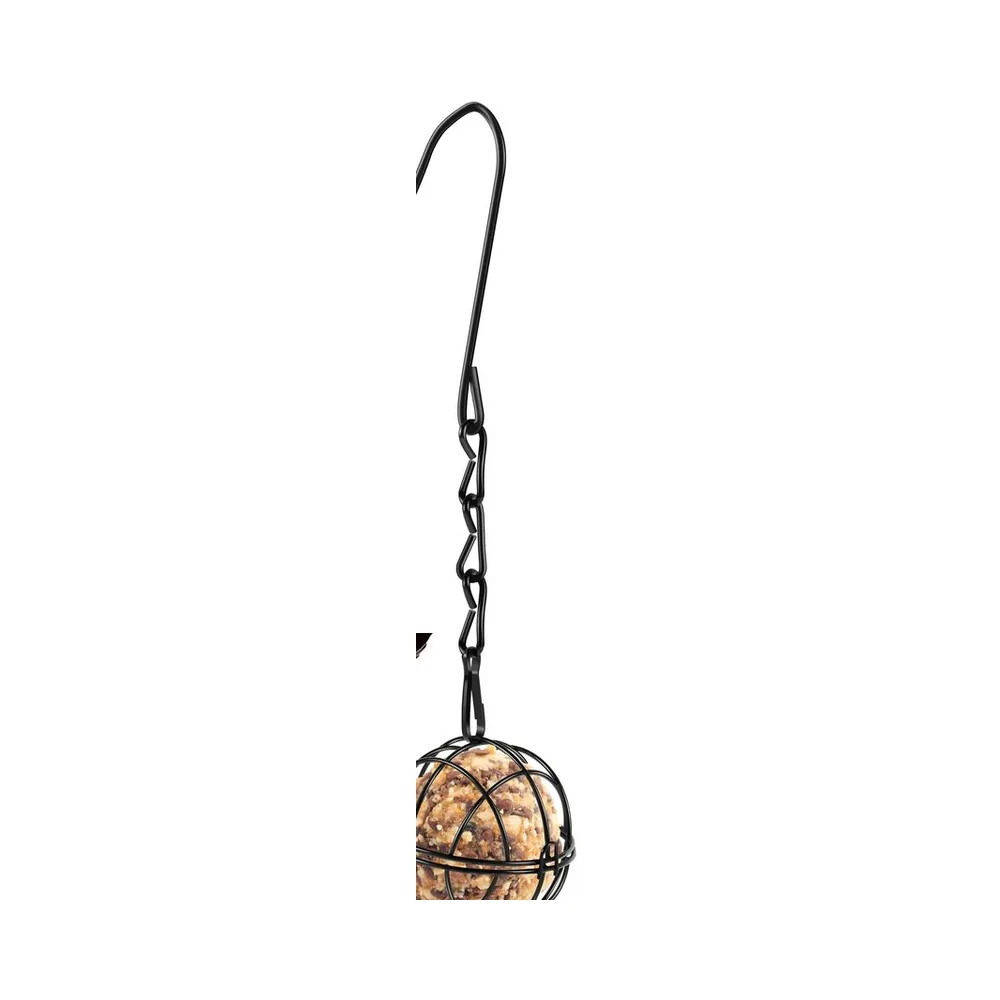
 Hanging Metal Fat Ball Feeders (Set of Four)
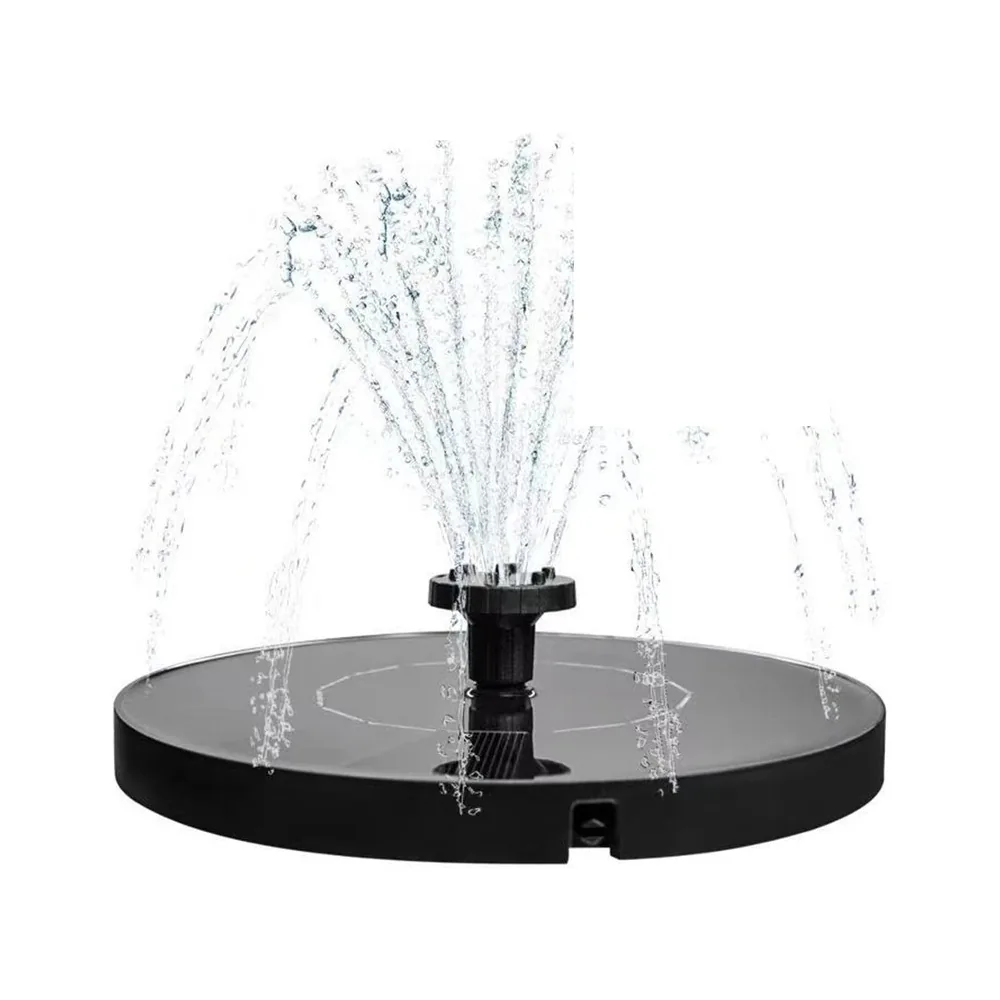 Solar Fountain for Your Bird Bath
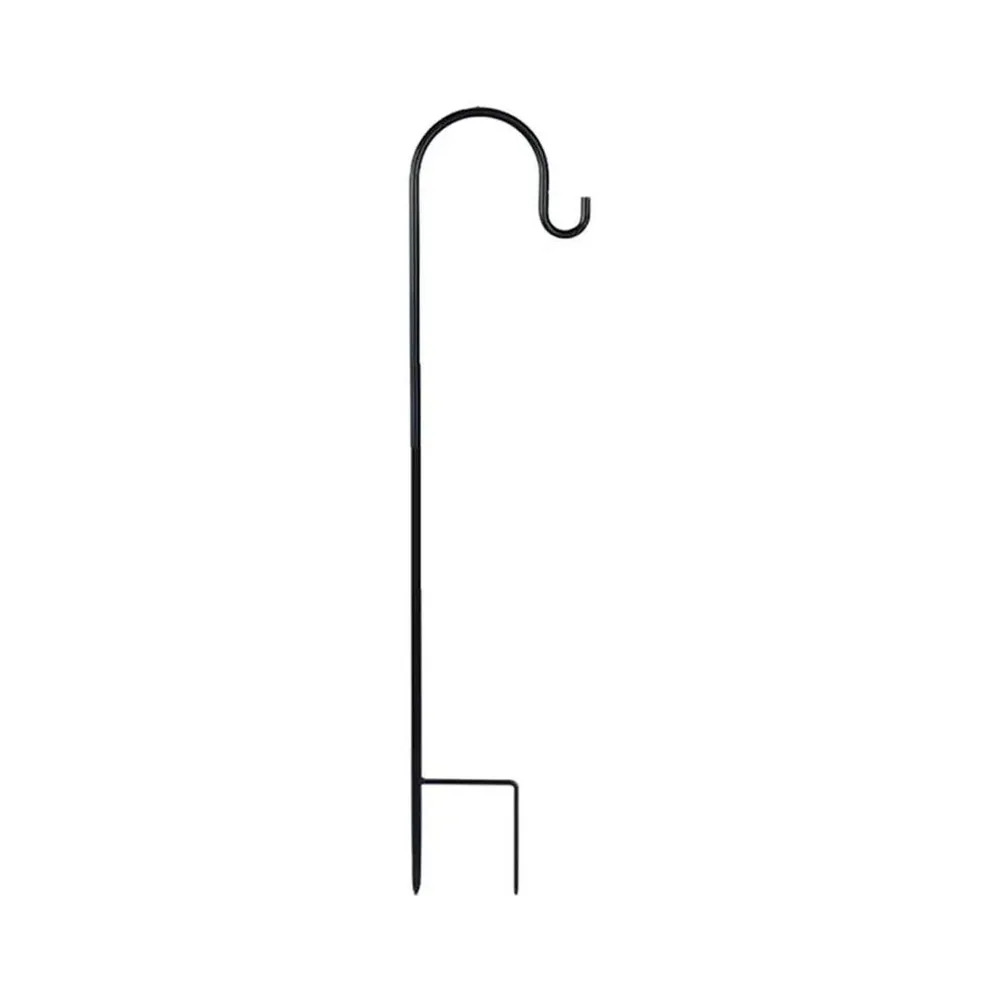 Shepherd Hook Feeder Pole
Quick answer: Feed garden birds all year round, shifting the menu with the seasons: high-fat suet and fat balls through winter, sunflower hearts and soaked mealworms in the nesting spring, water above all in summer, and steady seed through autumn. Avoid loose whole peanuts in spring and keep feeders clean in every season.
There is a rhythm to a year of feeding, and once you feel it, the garden becomes a kind of calendar. Feeding garden birds well is not a single task but a gentle round of small seasonal shifts: more fat in the cold, more care in the nesting weeks, water above all in a heatwave. I am Eirwen, and from my patch in mid-Wales I keep a journal of first sightings each spring, so I have learned to read the seasons through the birds at my feeders.
Modern advice, from the RSPB and others, is to feed year-round rather than only in winter, because birds face lean spells in every season. This guide walks you gently through all four, so your garden stays a haven whatever the weather is doing.
Winter: The Essential Season
Winter is when your feeder matters most. Short days and long, cold nights mean birds must eat enough by dusk to survive until dawn, so this is the time to be generous.
- Offer high-energy foods: fat balls, suet and sunflower hearts.
- Fill feeders first thing so birds can build reserves early.
- Keep water from freezing; a heated bird bath is a real kindness on a hard morning.
- Feed consistently, because birds come to depend on a reliable garden in a cold snap.
The RSPB's winter feeding guidance is a sound companion through the coldest months RSPB, Feeding garden birds.
Spring: The Nesting Season
Spring calls for tender care rather than sheer quantity. Adults are busy raising young, and the wrong food at the wrong time can harm chicks.
- Avoid whole peanuts and large chunks a parent might carry to a nestling, as a whole nut can choke a chick. A mesh peanut feeder releases only fragments.
- Offer soft foods like mealworms and suet pellets, which are safe and nourishing for growing broods.
- Keep everything scrupulously clean, as disease spreads fast in warmer weather.
The British Trust for Ornithology has good guidance on feeding responsibly through the breeding season BTO, Garden BirdWatch.
Summer: Water First
There is an old myth that you should not feed in summer. Gentle, clean feeding is fine and often welcome, but in summer the real priority shifts to water.
- A shallow bird bath is the most valuable thing you can offer in a dry spell, for drinking and for cooling off.
- In a heatwave, refresh the water twice a day and add a little shade.
- Feed lightly and keep food fresh, because it spoils quickly in the heat.
- A solar fountain bird bath keeps water moving and fresher through hot days.
When the ground bakes hard and natural puddles vanish, your bath may be the only water for streets around.
Autumn: Building Up the Larder
Autumn is preparation. As natural food dwindles and birds fatten for the winter ahead, your feeders take on new importance.
- Return to higher-energy foods as temperatures drop.
- Clean and check all your feeders and baths before the busy cold season; browse cleaning and hygiene supplies.
- Top up regularly so birds learn your garden is a reliable stop before winter proper arrives.
This is also the season migrants pass through and winter visitors like redwings and fieldfares begin to appear at the field edges, so keep your eyes open.
Feeding Garden Birds: A Simple Seasonal Round
Here is the whole year at a glance.
- Winter: high energy, generous portions, unfrozen water.
- Spring: soft foods, no whole peanuts, spotless feeders.
- Summer: water first, light and fresh feeding.
- Autumn: build up energy foods, deep-clean everything.
Keep to that gentle round and your garden never falls silent.
The same round, set out season by season.
| Season | Feed more of | Ease off | Also remember |
|---|---|---|---|
| Winter | Fat balls, suet, sunflower hearts | Nothing, feed generously | Keep water ice-free every day |
| Spring | Sunflower hearts, soaked mealworms | Loose whole peanuts | Spotless feeders in nesting season |
| Summer | Light, fresh portions of hearts | Fat that melts in the heat | Fresh water first, food second |
| Autumn | Seed mixes, suet pellets | Nothing in particular | Deep-clean before the winter rush |
The Big Garden Birdwatch
One lovely fixture in the feeding year is the RSPB's Big Garden Birdwatch each January, when hundreds of thousands of people spend an hour counting the birds in their garden. It is a peaceful way to take part in something larger, and the data helps track how our garden birds are faring. I mark it in my journal every year without fail.
Bringing It Together
Feeding garden birds through the year is a matter of small, thoughtful shifts: fat and constancy in winter, soft foods and care in spring, water above all in summer, and a building-up in autumn. Keep everything clean throughout, and your garden becomes a year-round sanctuary.
To choose the right foods for each season, our Bird Food and Feeders guide has the detail, and to make sure summer water is done right, the Bird Baths and Feeders guide is the one to read alongside this.
Frequently Asked Questions
Should I feed garden birds all year round? Yes. Modern advice from the RSPB is to feed year-round, as birds face lean spells in every season. Simply adjust what you offer: high-energy foods in winter, soft foods in spring, light feeding and plenty of water in summer, and building-up foods in autumn.
Is it safe to feed birds in summer? Yes, gentle and clean feeding is fine in summer, but the real priority becomes water. Provide a shallow bird bath, refresh it twice daily in hot weather, and feed lightly with fresh food, avoiding whole peanuts during the nesting season.
Why should I avoid whole peanuts in spring? During the nesting season, a parent bird may carry a whole peanut to a chick, which can choke it. Use a mesh peanut feeder that only releases small fragments, or offer soft foods like mealworms and suet pellets instead.
About the author Eirwen Davies - Quiet mornings and water for the birds Eirwen is a nature writer from mid-Wales and a former primary school teacher who now runs gentle wildlife workshops in her village. She's written for a couple of regional countryside magazines and cares deeply about the small things, like a clean bird bath on a frosty morning. She keeps a journal of first sightings each spring. Writing for British Bird Feeders.