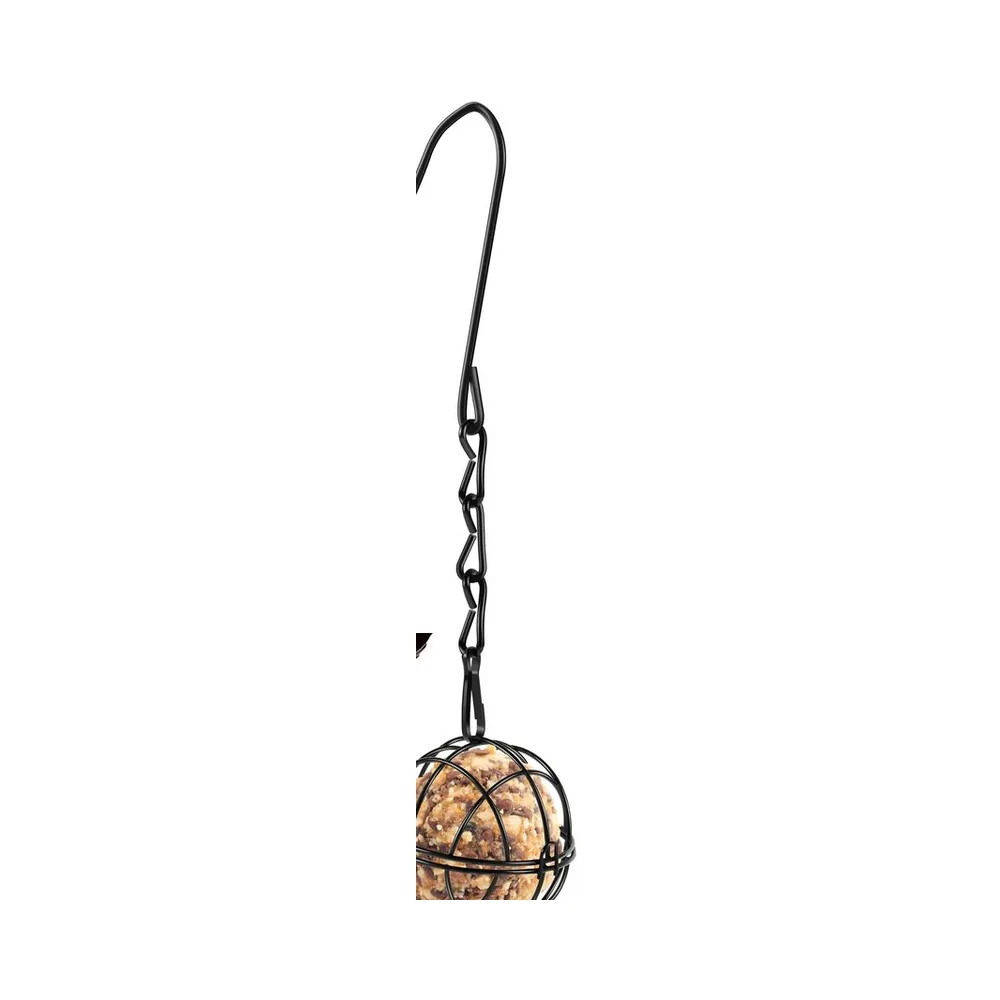
 Hanging Metal Fat Ball Feeders (Set of Four)
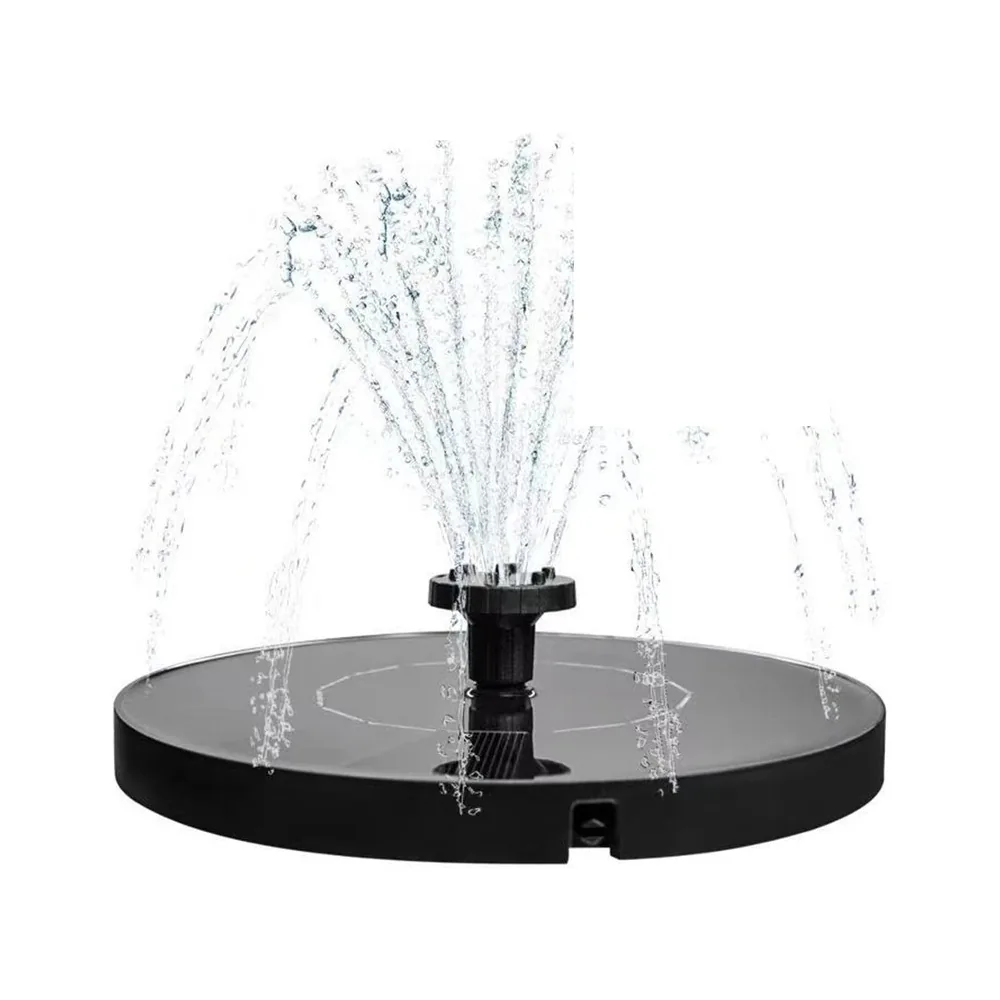 Solar Fountain for Your Bird Bath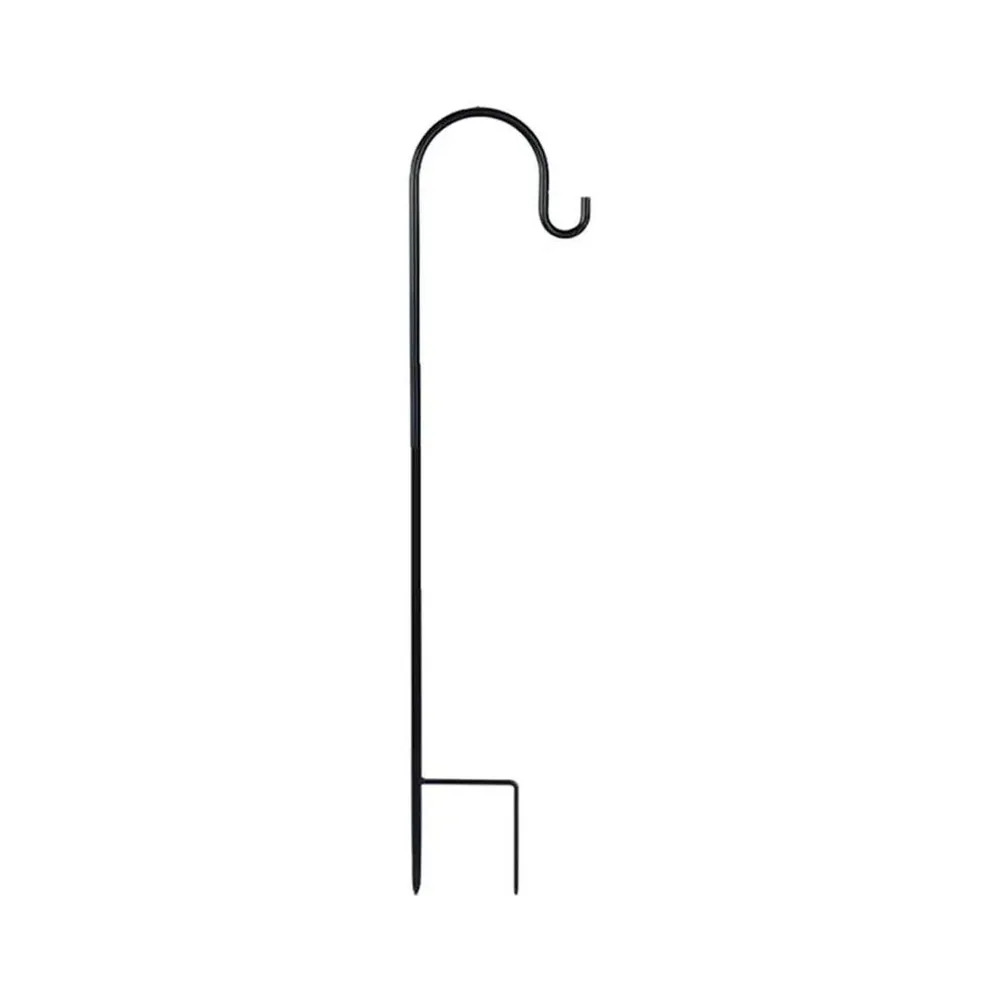
Feeder Poles
A shepherd hook puts a feeder exactly where you want it rather than where a branch happens to be, and it gives you somewhere to fit a baffle later.
2 items
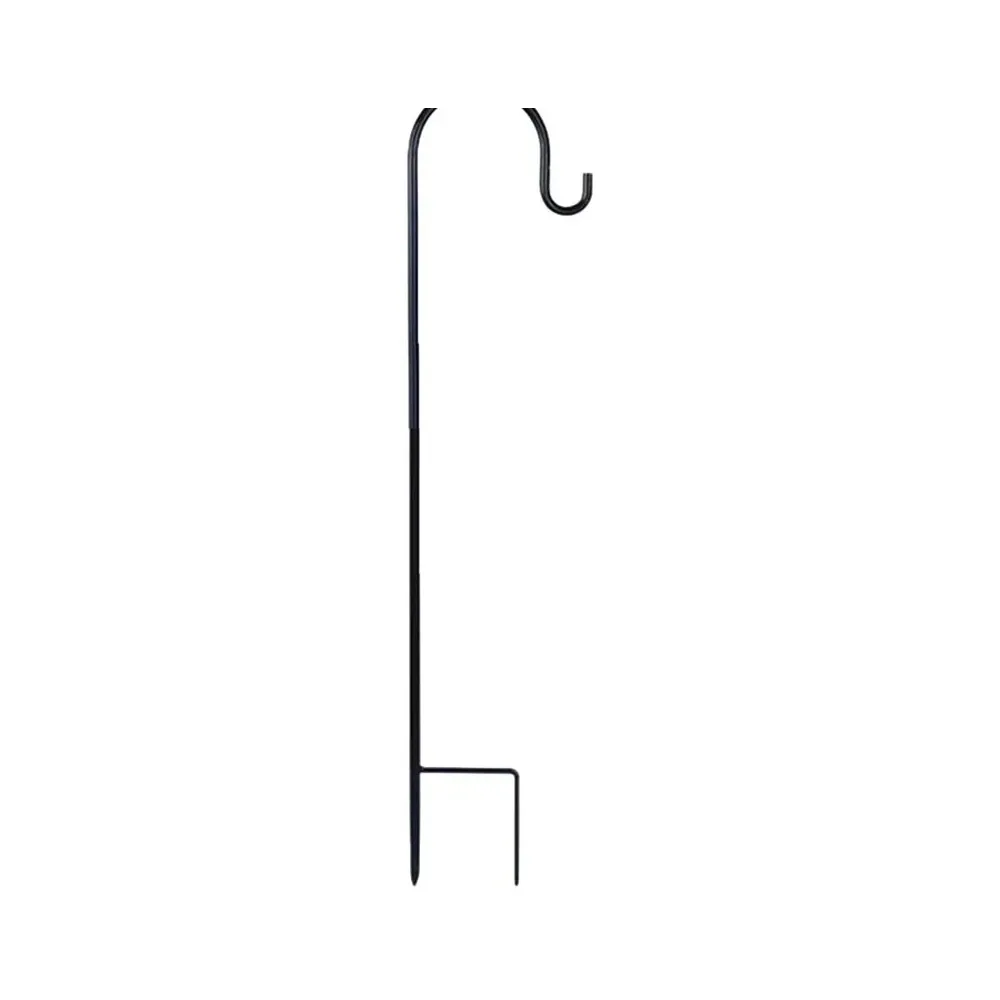
No matches
Nothing in this range fits every filter at once. Clear one and try again.
Why put a bird feeder on a pole instead of a tree?
Because position beats hardware. A pole lets you stand the feeder in open ground, well away from the fences and branches squirrels launch from, and gives you somewhere to fit a baffle later. British Bird Feeders stocks shepherd hooks that push straight into a lawn or border.
- Squirrels can jump roughly two metres across and rather more downwards.
- A pole in open lawn removes almost every launch point at once.
- Push the hook in to at least a third of its length so it stays upright.
- A smooth pole also gives you a place to fit a baffle.
- You can move a pole around the garden so droppings never build up.
Common questions
Questions about feeder poles
At least two metres in every direction, and further below anything overhanging. A grey squirrel can jump around two metres horizontally and considerably more on the way down, so a pole tucked beside a fence, shed or low branch is effectively a ladder. Open lawn is the only reliable position.
Push it in to at least a third of its length, more in light or sandy soil. Water the spot first if the ground is baked hard, and push steadily rather than hammering, which splays the point. Check it again after the first windy week — poles usually work loose before they actually fall.
Around 1.5 to 2 metres of visible height suits most gardens: above a cat's reach and easy to refill without a ladder. A 90cm hook is right for a border or a balcony tub; taller poles suit open lawn where you want the feeder visible from the house.