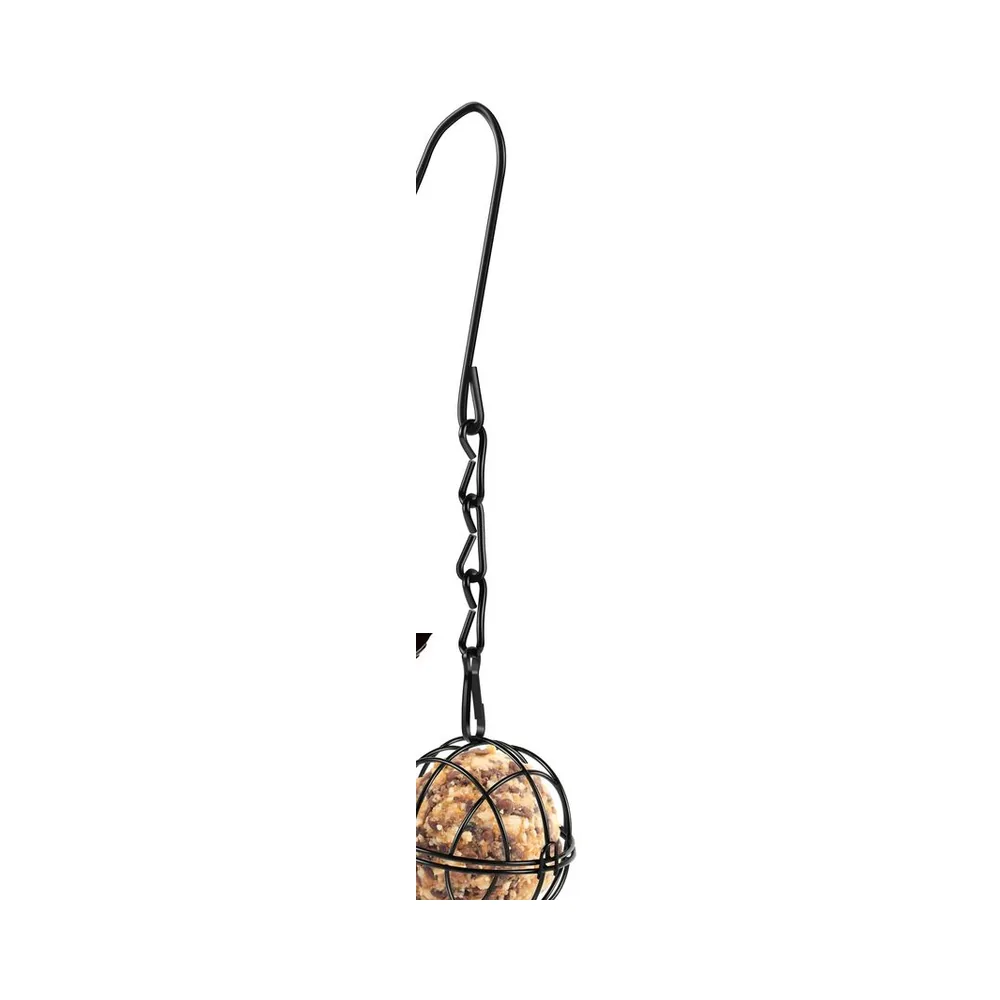
 Hanging Metal Fat Ball Feeders (Set of Four)
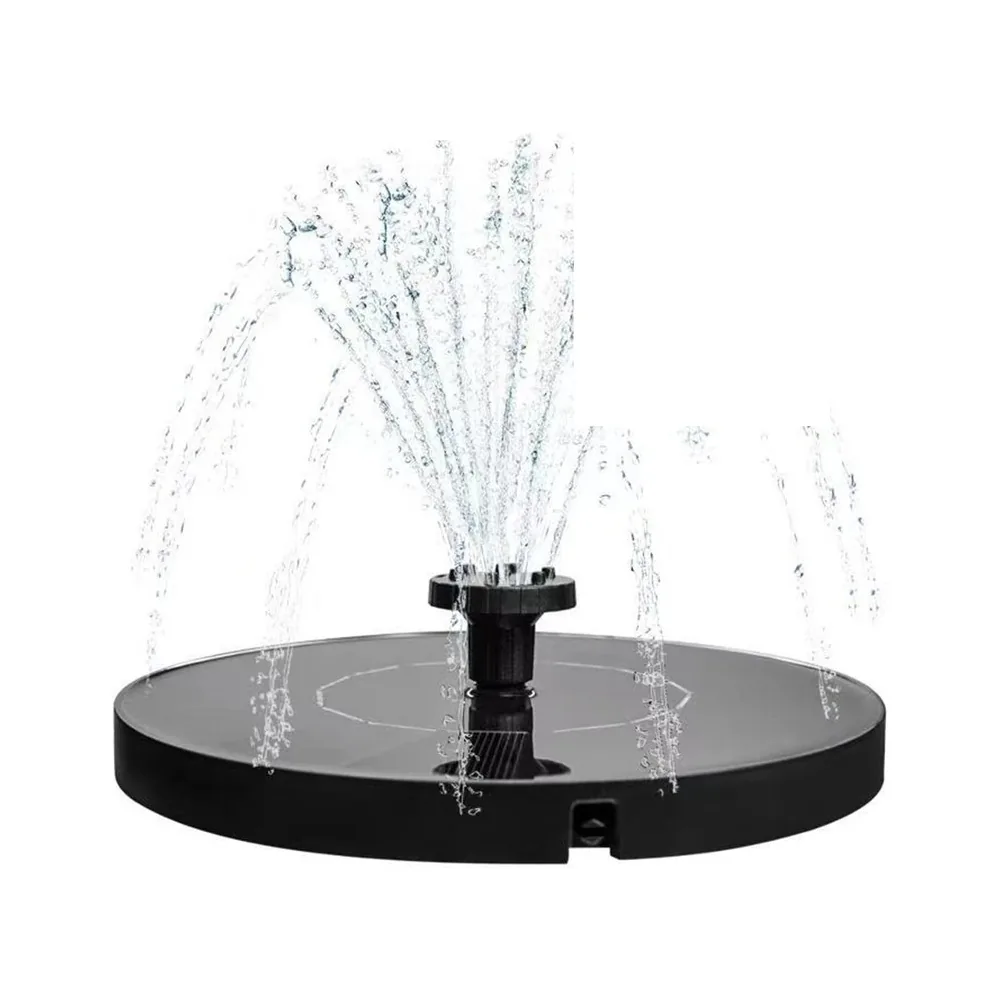 Solar Fountain for Your Bird Bath
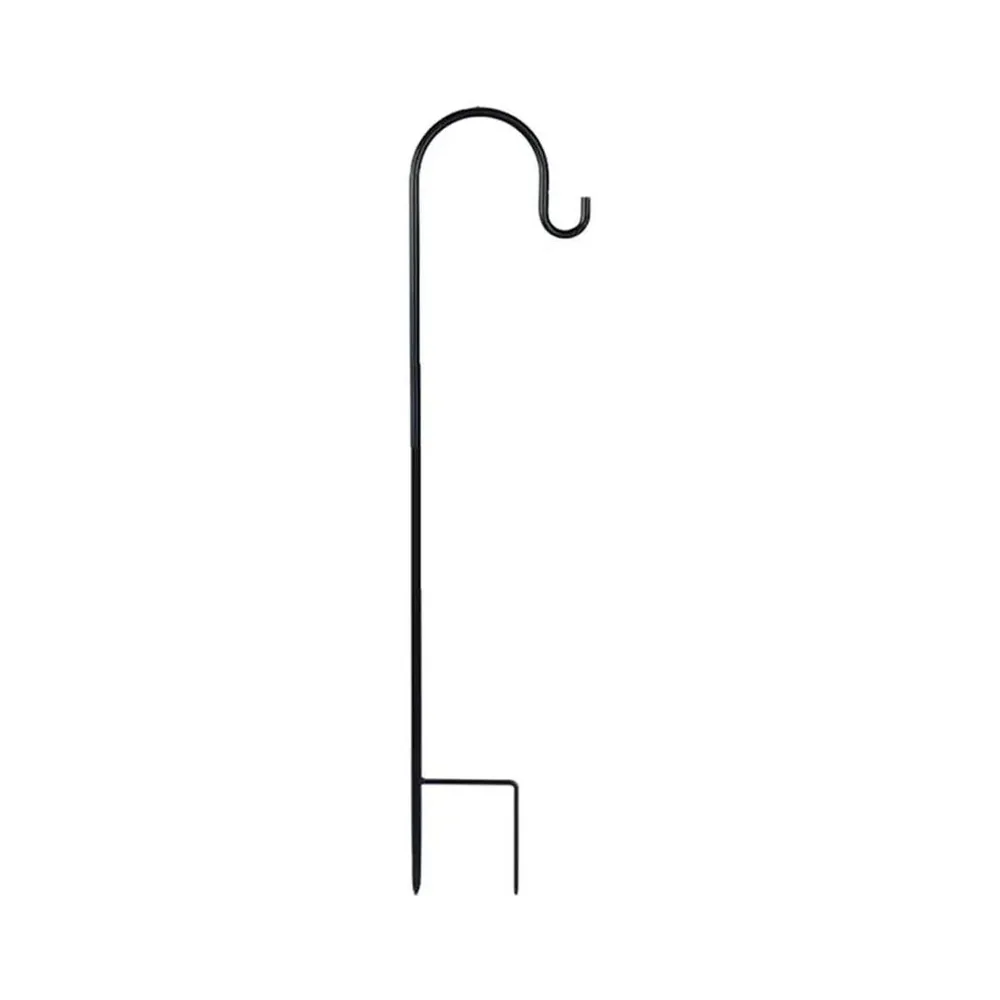 Shepherd Hook Feeder Pole
Quick answer: Height and clear space do most of the work. Hang feeders about head height, keep two metres of open ground around the base so a cat has nowhere to launch or hide, and move food off the lawn onto a table or hanging feeder. Escape cover should be high, not low.
Almost every garden in Britain has a cat passing through it, whether or not one lives there. That is not a reason to stop feeding birds. It is a reason to think for ten minutes about where the food goes, because the difference between a feeding station that is dangerous and one that is not comes down to a couple of metres and a bit of height.
A cat is an ambush hunter. It does not chase birds down in the open; it waits in cover, close to where the birds are, and makes one short rush. Every piece of advice below is really the same piece of advice: take away the cover and take away the rush.
Think like an ambush, not a chase
Understanding the hunting style is what makes the rest obvious. A cat wants two things: somewhere to lie unseen, and a target within about a body-length of a sprint.
That is why a feeder hung over a lawn, two metres from anything, is a poor hunting spot even if a cat walks past it daily. There is nowhere to wait. And it is why a ground tray tucked against the bottom of a hedge is a bad one, however pretty it looks: the cat is already in position before a bird lands.
So you are not trying to build a fortress. You are trying to make the spot not worth the wait.
Height: head height is the number
Put the feeder at about head height, which is roughly 1.5 to 1.8 metres. That clears a standing cat comfortably and is well above a pounce from the ground.
It is also the practical height for you: high enough to be out of reach, low enough to refill without fetching a ladder, and at eye level for watching from a window. Going higher does not add much safety and makes the feeder a chore to fill, which is how feeders end up neglected.
If you are hanging from a branch rather than standing a pole, check what is underneath as well as how high it is. A feeder two metres up over a shed roof is a feeder at cat height.
The two metres that matter more than the height
This is the part people skip. Leave two metres of clear, open ground all the way round the base of the feeder, with nothing a cat can hide behind or spring from.
Walk round the spot and look for the things a cat uses: the top of a fence, a water butt, a wheelie bin, a low wall, a garden chair, a dense shrub at ground level, long grass. Any one of those within a couple of metres hands the cat its ambush point back.
- Fence tops and walls put a cat above the feeder, which is worse than below it.
- Sheds, bins and furniture are launch pads, and they move, so re-check after you rearrange the garden.
- Low dense planting right beneath the feeder is the classic mistake: it feels like shelter for birds and works as cover for cats.
- Long grass under a feeder is a hiding place. Keep that patch mown.
Cover should be high and a short flight away
Birds genuinely do need cover near a feeder. They will not use an exposed feeder in the middle of a bare lawn, because they need somewhere to bolt to when a sparrowhawk goes over. The trick is where that cover sits.
You want it high and about two to three metres away: a shrub, a small tree, a hedge at head height or above. That gives a bird a one-second flight to safety while keeping the cat out of ambush range of the feeder itself.
What you do not want is cover at ground level immediately beneath. Our post on where to position a bird feeder works through the same two-metre rule in more detail, and it happens to solve the squirrel problem at the same time.
Get the food off the ground
Ground-feeding birds are the ones most at risk, because they feed where the cat already is. Robins, blackbirds, dunnocks and wrens all prefer to eat low, so the answer is not to exclude them but to raise the floor.
A bird table does this well: it keeps the open, flat surface those birds want, at a height a cat cannot work with. A sheltered wooden table feeder keeps the food dry as well. Browse the bird tables range for the open-tray styles.
If you like having something at ground level, put it out in the open, in small amounts, and only during the day so nothing is left sitting there at dusk. Attracting robins covers how to keep a robin happy without feeding him into trouble.
Spilled seed is a hidden risk
A messy feeder quietly undoes the siting. Seed and husks dropping onto the ground pull ground-feeding birds down to exactly the spot you lifted the food away from, and often right next to the pole where the grass is longest.
A catch tray under the feeder fixes it in one move. A hanging seed catcher tray keeps the spill off the lawn, and the no-mess feeders range uses husk-free food so there is far less to drop in the first place. There is more on this in how to stop feeders making a mess.
Sweeping under the feeder once a week does the same job for free, and it keeps rats off as a bonus.
A pole beats a branch here
If you have the choice, stand a pole. A smooth steel pole in the open is the single best answer to cats, because you control the height, you control what is within two metres, and there is nothing to climb.
A shepherd hook pole suits a single feeder in a border, and a taller shepherd hook gives more clearance. The full feeder poles range covers the multi-arm stations.
Add a baffle and the pole handles cats and squirrels together. A wide baffle about 1.2 metres up stops a climb for the same geometric reason either way, as do squirrel baffles actually work explains. It will not stop a cat sitting underneath waiting, which is what the clear space is for.
Caged feeders help, but not with cats
Worth being straight about this, because it is easy to assume otherwise. A caged feeder is brilliant for keeping pigeons, starlings and squirrels off the food, and small birds feed more calmly inside one. Have a look at caged feeders if that is your problem.
But a cage around the food does nothing about a cat on the ground below. The protection against cats is where the feeder is, not what is around it. Treat the two problems separately.
The bird bath is the one people forget
A bathing bird is a slow bird. Wet feathers mean a laboured take-off, which is exactly the moment an ambush works, so a bath at ground level beside a border is the most dangerous water you can offer.
Raise it. A pedestal bird bath standing two metres clear of fences and shrubs is far safer, and birds visit it more readily for precisely that reason: they can see what is coming. Where to place a bird bath goes through the siting properly.
If you prefer a ground bath, put it in the open, away from the edges of the garden, and keep the surrounding grass short.
If the cat is yours
Then you have options nobody else in the street has, and they are worth more than any amount of feeder engineering.
- Keep him in at dawn and dusk. Those are the busiest feeding hours and the keenest hunting hours.
- Feed him before he goes out. A full cat is a less motivated one.
- Play with him properly. A good session with a wand toy spends the hunting drive indoors.
- Use a quick-release collar if you use one at all. A fixed collar can snag on a branch or fence.
- Do not punish the hunting. It is instinct, not naughtiness; manage the opportunity instead.
What a well-sited station looks like
Pulling it together, here is the setup to aim for, and none of it is expensive.
- A pole or branch holding the feeder at about head height.
- Two metres of mown, open ground all round the base.
- A shrub or small tree two to three metres away for escape cover, at height.
- A baffle on the pole if squirrels or climbing cats are a problem.
- A catch tray under the feeder, and a sweep round once a week.
- The bird bath raised and equally clear of cover.
If birds are still not turning up after you move things, the cause is usually something else entirely. Why aren't birds coming to my feeder runs through the other explanations in order.
None of this is about building a fortress, and you cannot make a garden risk-free. What you can do is make the feeding station a poor place to wait: high food, open ground, high cover, nothing to climb. Get those four right and the cat moves on to somewhere easier.
Frequently asked questions
How high should a bird feeder be to keep cats away? Around head height, which is roughly 1.5 to 1.8 metres, is the practical answer. That is above a standing cat's reach and well above a pounce from the ground, while still low enough that you can refill it without a ladder. Height alone is not enough, though: the two metres of clear space around the base matters just as much.
Should I stop feeding birds if cats visit my garden? No. Moving the food is far better than removing it. A feeder sited high, in the open, with no low cover to hide in is a genuinely poor hunting spot, whereas seed scattered on a lawn beside a hedge is the opposite. Feeding thoughtfully helps birds more than stopping does.
Do bells on cat collars protect garden birds? The evidence is mixed and the effect is modest at best, so treat a bell as a small extra rather than a solution. Siting the feeder properly does far more. If you do use a collar, it must be quick-release, because a fixed collar can catch on a branch or a fence.
Where should I put a bird bath if there are cats around? Raised, and in the open. A bath on the ground beside a border is the easiest ambush in the garden, because a wet bird is slower to get airborne. A pedestal bath two metres clear of fences and shrubs is far safer, and birds will use it more readily for the same reason.
Will a squirrel baffle stop a cat climbing a feeder pole? Usually, yes, as a side effect. A wide baffle clamped about 1.2 metres up a smooth steel pole defeats a climbing cat for the same reason it defeats a squirrel: there is no way around the rim. It will not stop a cat waiting underneath, which is what the clear space is for.
About the author Gary Timmins — Built, baffled and tested in a real garden Gary is a former joiner from Stoke who now writes about garden DIY and the eternal war against grey squirrels. He has built, baffled and rebuilt more feeder stations than he can count and shares what actually holds up. Writing for British Bird Feeders.