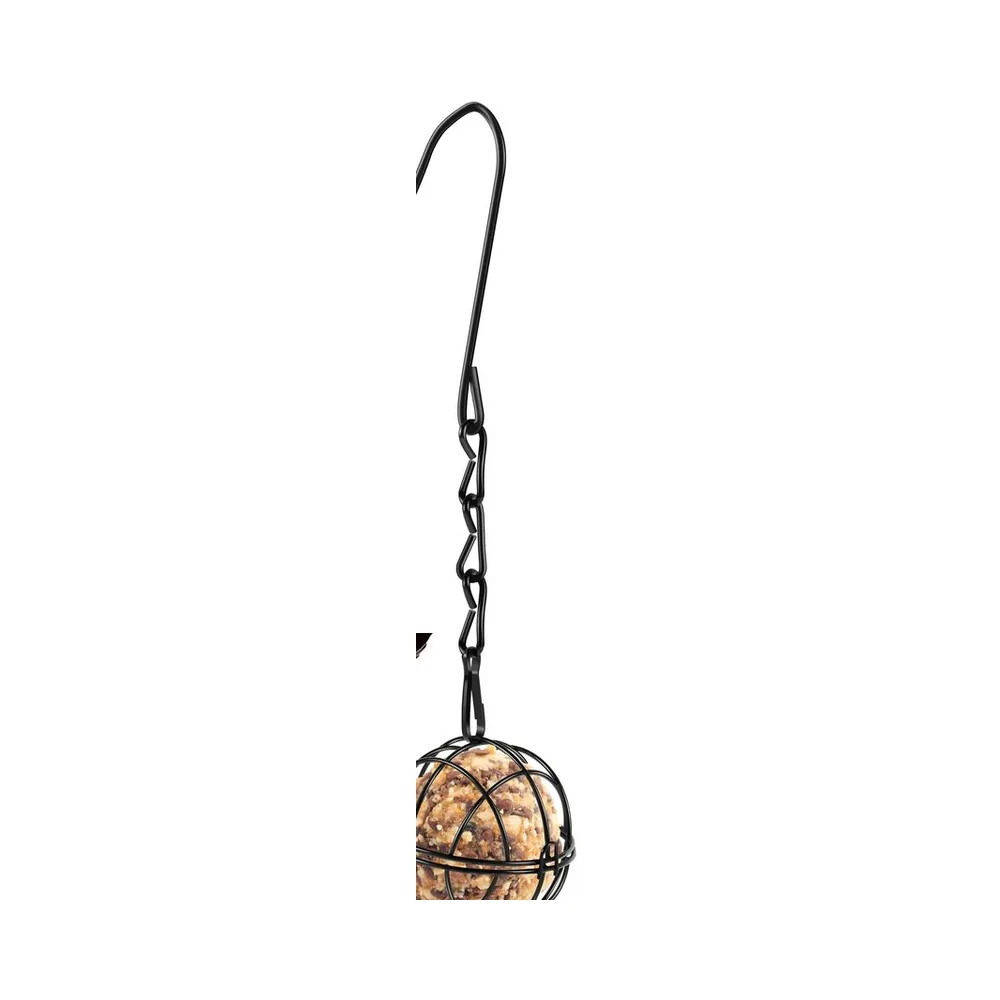
 Hanging Metal Fat Ball Feeders (Set of Four)
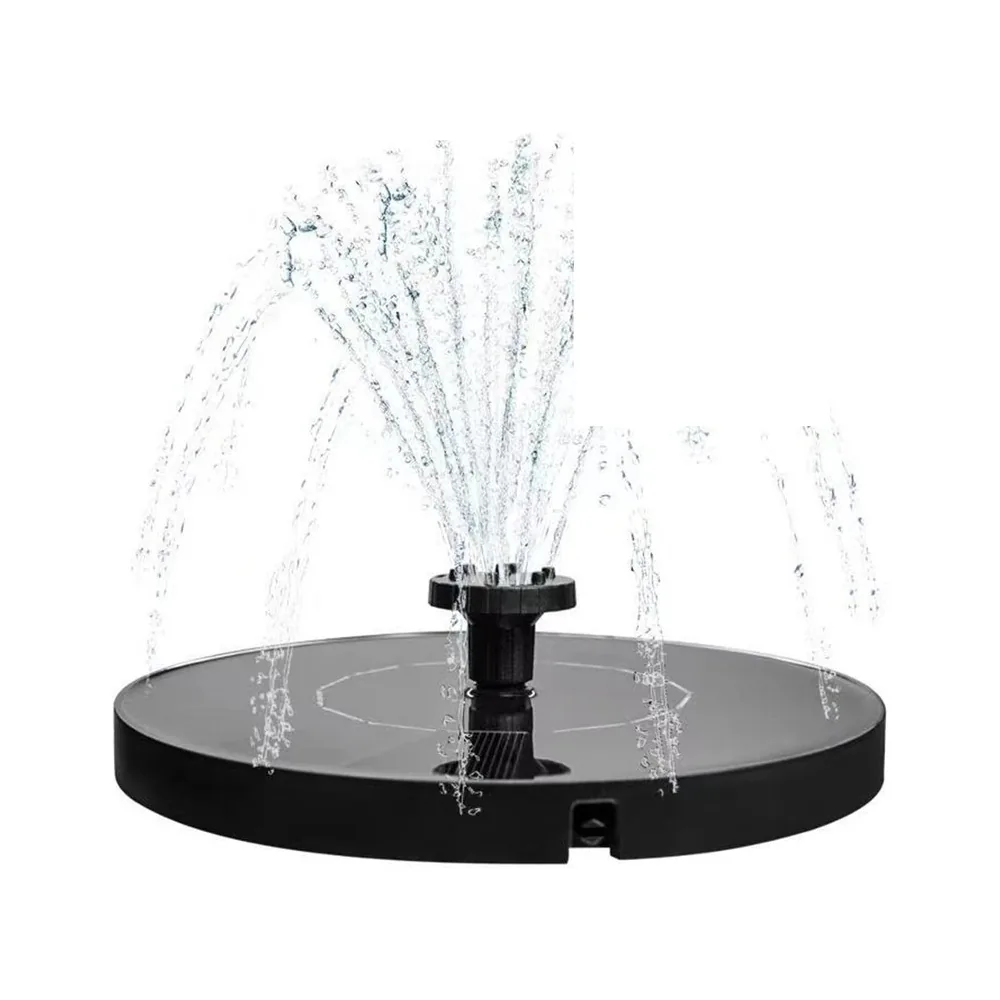 Solar Fountain for Your Bird Bath
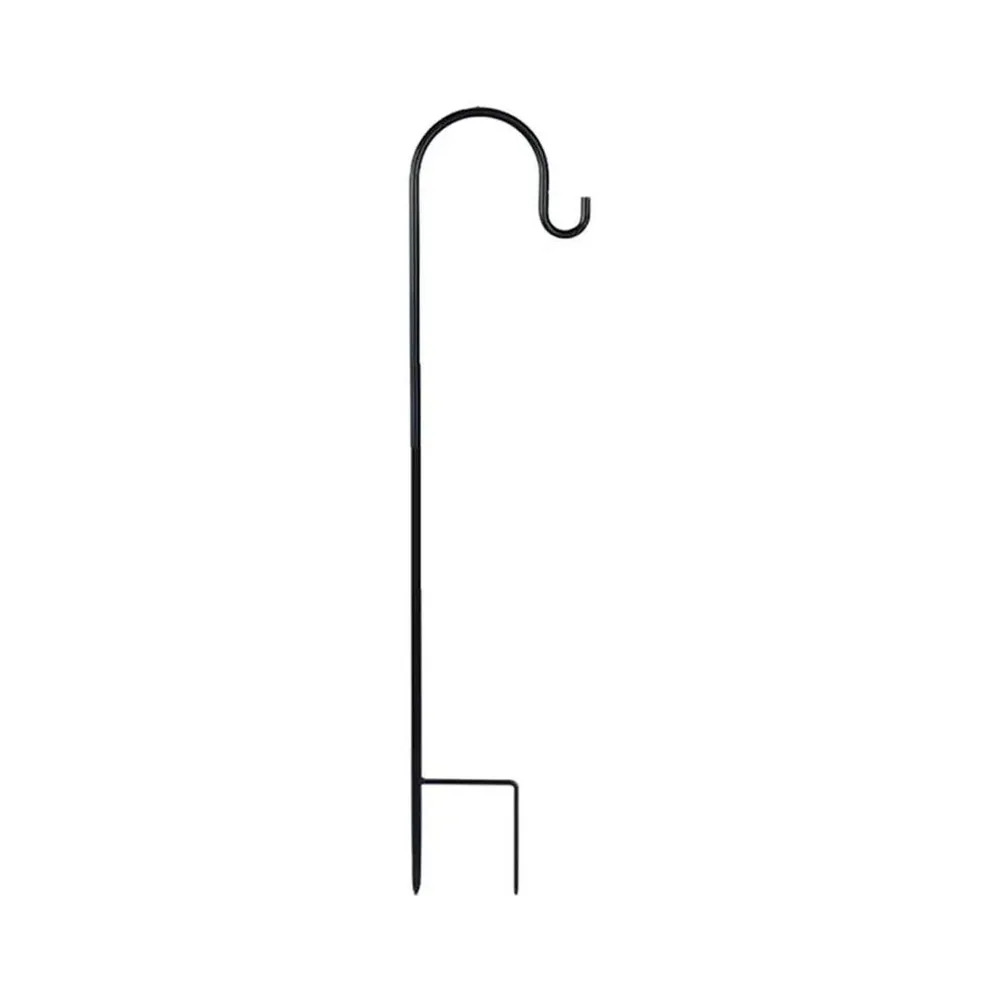 Shepherd Hook Feeder Pole
I have built a lot of feeders and hung them in a lot of wrong places.
The thing that took me longest to accept is that position matters more than the feeder does. A cheap feeder in a good spot beats an expensive one in a bad spot, every time.
Here is what a bird is actually weighing up.
Height: 1.5 to 2 metres
High enough that a cat cannot reach it from the ground. Low enough that you will actually refill it rather than putting the job off.
That second part is not a joke. A feeder you need a ladder for is a feeder that runs empty, and an empty feeder that birds have learned to rely on is worse than no feeder at all.
Distance from cover: two to three metres
This is the number that does the most work.
Birds will not feed in the open with nowhere to go. They want a shrub, a hedge or a low branch they can reach in one short flight. Two to three metres is the sweet spot.
Closer than that and you have built a cat hide. A cat sitting in a shrub that touches the feeder is invisible and within one pounce.
Further than about five metres and small birds get nervous. Sparrowhawks hunt gardens, and a finch a long way from cover is an exposed finch.
Close enough to escape into. Far enough that nothing can wait in it. Two to three metres.
The two-metre rule for squirrels
A grey squirrel jumps roughly two metres horizontally from standing, and further coming down off something higher.
So walk around your feeder and look for anything solid within two metres — fence, shed roof, wall, water butt, tree trunk, washing line post. Every one is a launch pad.
If you cannot find a spot with two metres of clearance, a pole in open lawn creates one. There is a full sequence in how to squirrel-proof any bird feeder.
The window problem, which is counter-intuitive
Window strikes kill a genuinely large number of garden birds, and the instinct — put the feeder far from the glass — is exactly backwards.
The rule is: very close, or very far.
Within about a metre of the window, a bird leaving the feeder has not built up speed, so a collision is a bump rather than an impact. That is why window feeders are safer than people assume.
Beyond about ten metres, birds read the glass as part of the building and route around it.
The killing zone is the middle: three to eight metres, where a startled bird has room to accelerate straight into a reflection of the garden.
Wind and weather
A feeder swinging hard in wind spills seed and puts smaller birds off landing.
Put it where a wall, hedge or fence takes the edge off the prevailing wind — but remember the two-metre rule, so not right against it.
Rain matters more than cold in a British winter. A feeder with a roof, or one hung under an overhang, keeps seed dry, and dry seed is the whole game. Wet seed clogs the ports and goes mouldy within days.
Sun
Full afternoon sun heats fat balls until they smear and turns seed rancid faster. Morning sun with afternoon shade is ideal, and in winter any sun at all is welcome.
The ground underneath
Whatever falls, lands. Over a lawn, spilled seed rots into the grass and kills a patch. Over a patio, it is easy to sweep.
Best of all, put a catcher tray under it. The spill stops reaching the ground at all, and ground-feeders like robins and dunnocks get a clean surface to work from.
Move it around
One habit worth building: shift the feeder a couple of metres every month or two.
Droppings and husks build up underneath, and that patch of ground is where disease concentrates. Moving it breaks the cycle, and a pole makes this a thirty-second job.
If nothing comes
Give any new position a full fortnight. Birds are properly cautious about new objects, and a feeder that appears overnight is a suspicious thing.
After two weeks, work through this:
- Is there cover within a few metres?
- Is that cover touching the feeder?
- Is there a cat sitting under it every afternoon?
- Is the food right for the birds you actually have?
- Is anything already feeding nearby — a neighbour with a full station will pull traffic.
The rest of this series is at DIY and garden wildlife, and the attracting garden birds guide covers what to do once they arrive.
Positioning for the view from indoors
Every rule here is about the birds, and there is one about you that matters nearly as much: you have to be able to see it.
A feeder placed perfectly for cover, height and squirrel clearance, at the bottom of a garden where nothing looks out, gets refilled less often and watched hardly at all. A feeder in a slightly worse position that is visible from the kitchen sink gets attention every day.
Consistency is what makes a feeder work, and consistency comes from noticing. So among the positions that satisfy the requirements, pick the one you will actually look at — from a window you use, at a height you can see, and ideally with the light behind you rather than in your eyes for most of the day.
If nowhere in the garden manages both, that is the argument for a window feeder as a second station. The birds are less than a metre away and the refilling never gets forgotten.