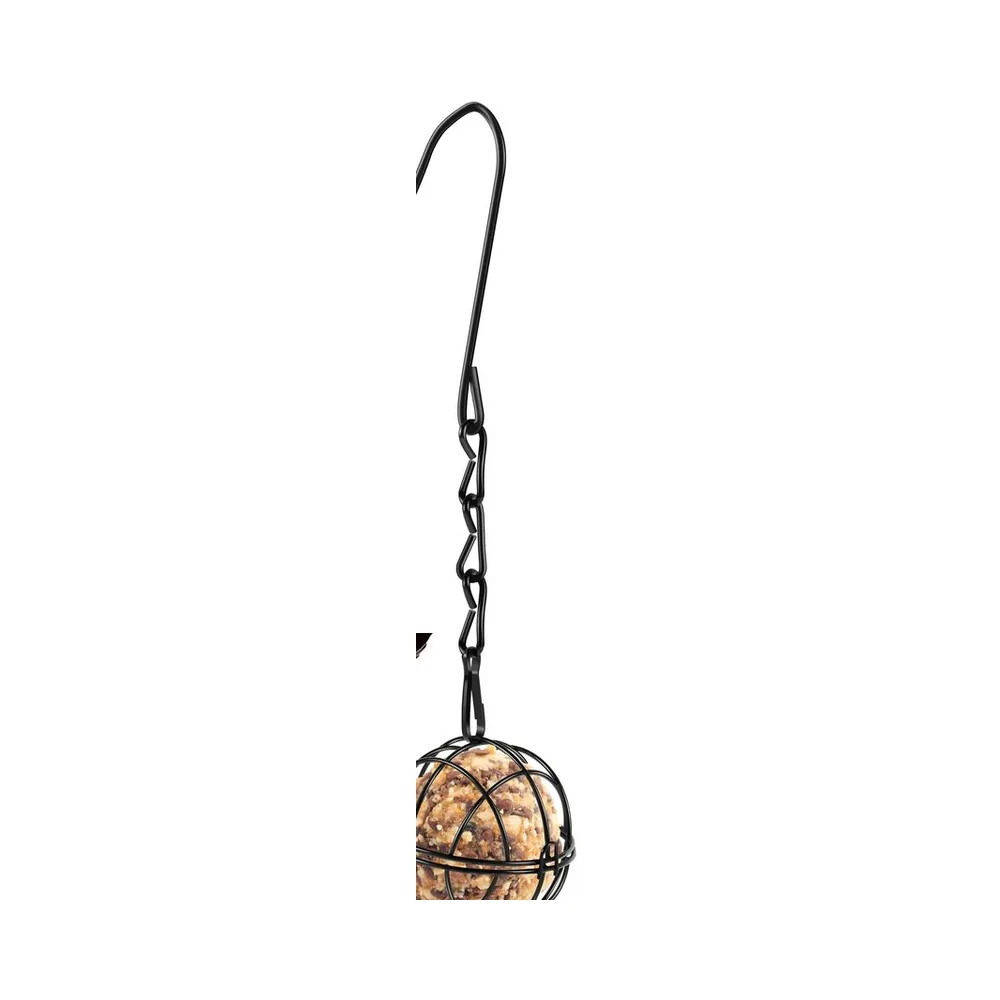
 Hanging Metal Fat Ball Feeders (Set of Four)
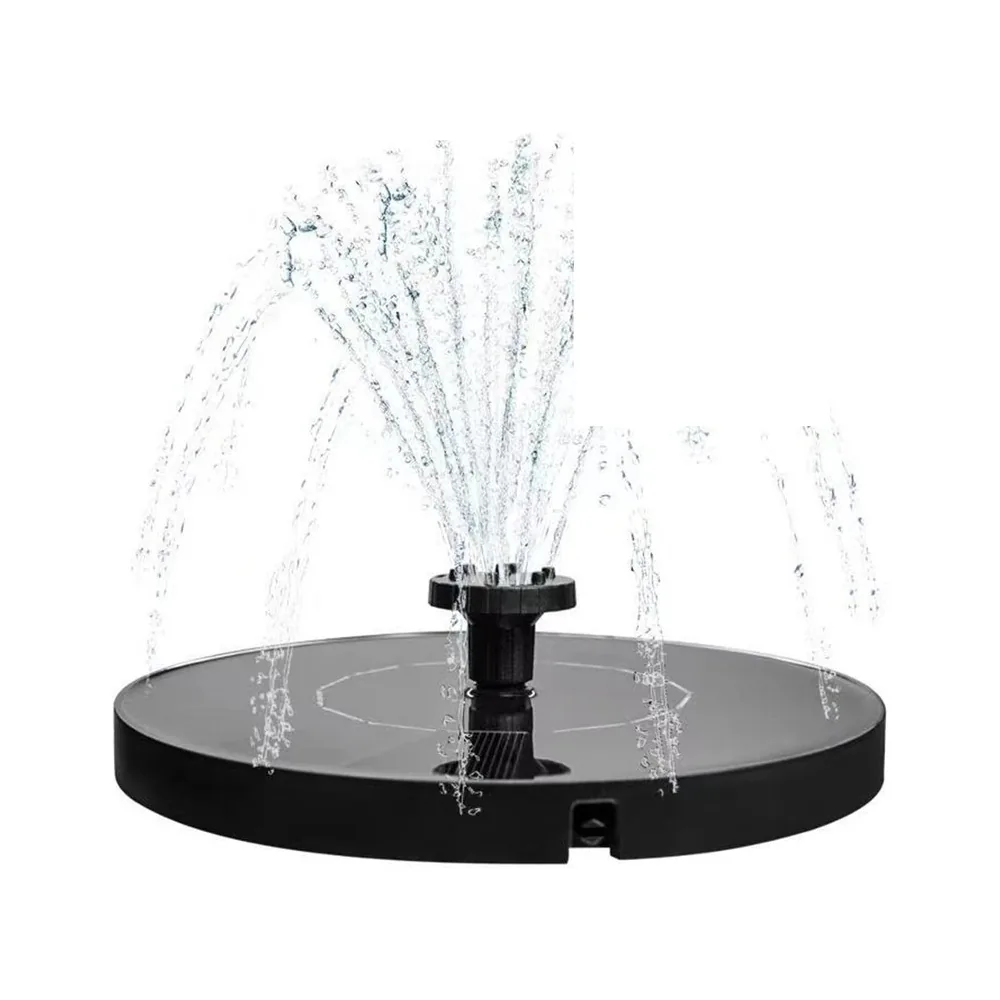 Solar Fountain for Your Bird Bath
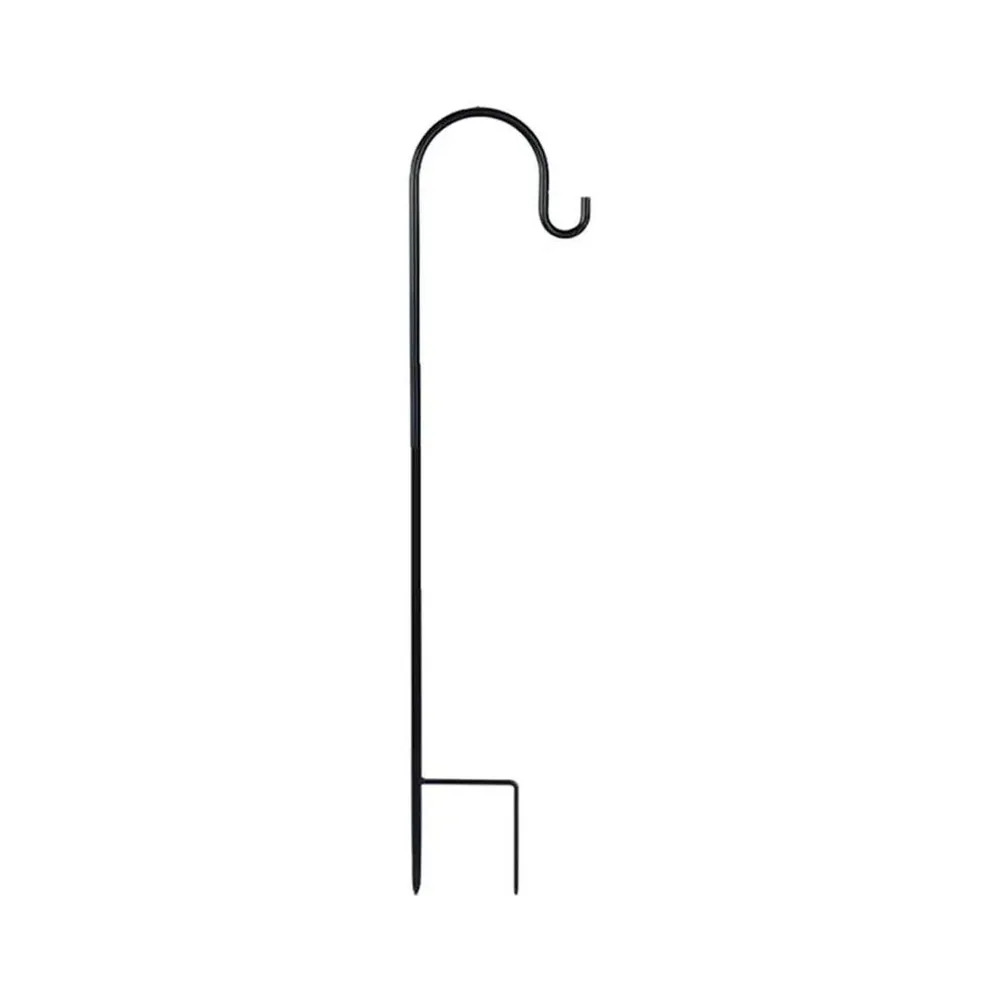 Shepherd Hook Feeder Pole
There is a circle of dead grass under most bird feeders, and a scattering of shells, and sooner or later a conversation with somebody about rats.
None of that is inevitable. I spent a couple of seasons fixing it in my own garden and the solutions turned out to be much simpler than the gadgets suggest.
Here they are in order of how much difference they make.
1. Change the food
This is the big one, and it costs nothing extra in practice.
Most mess is husk. Whole sunflower seeds are about forty per cent shell by weight, and every gram of that ends up on the ground.
Sunflower hearts are the same kernel with the shell already removed. Nothing to drop, nothing to rot, nothing to sweep. There is a full comparison in hearts vs seeds.
While you are at it, look at any mix you are using. If wheat or split maize is high in the ingredients, most of it is going on the floor — tits and finches will not touch it.
2. Fit a catcher tray
A shallow tray hung under the feeder catches whatever gets knocked out of the ports.
It does two jobs at once. The lawn stays clean, and robins, dunnocks and blackbirds — none of which can use a hanging feeder — get a clean surface to feed from. One feeder, two audiences.
Ours are here: seed catchers and trays.
Two things to check. It needs drainage holes, or rain turns it into a stagnant dish. And it needs emptying and scrubbing weekly, because it collects droppings as well as seed.
3. Fill it part-way
A feeder crammed to the top spills more, and the seed at the bottom sits for weeks getting damp.
Fill to about two-thirds and top up more often. The contents turn over in a few days, nothing goes mouldy, and the birds knock less out.
4. Move it occasionally
Even with hearts and a tray, droppings accumulate underneath.
Shifting the feeder two or three metres every month or two breaks the build-up and lets the grass recover. A shepherd hook pole makes this a thirty-second job — pull it out, push it in somewhere else.
It also has a hygiene benefit, since that patch of ground is where disease concentrates.
5. Put something under it you can sweep
If the feeder has to stay in one place, put a paving slab, a gravel patch or a shallow bed of bark under it.
Anything you can brush off in ten seconds beats grass you cannot. It also stops the dead-circle problem entirely, because there is no grass to kill.
6. Choose a feeder that spills less
Feeder design matters less than the first five, but it is not nothing.
Small ports with a lip hold seed in better than wide open ports. A sheltered roof keeps rain out, and dry seed clumps less and gets flicked about less.
Our no-mess and easy-clean range covers the feeders and trays that are built for this.
Balconies and paved gardens
If you are feeding on a balcony or over a patio, the calculation changes — you have no lawn to kill, but you do have neighbours below and a hard surface that shows every husk.
A window feeder with a removable tray is the tidiest option there is: the tray catches everything and lifts out for rinsing at the sink.
Failing that, a small feeder with a deep catcher tray and hearts only. Sweep once a week and nobody downstairs ever notices.
The rat question, honestly
Rats come for spilled food on the ground. Not for the feeder — for what is under it.
So the mess fixes above are also the rat fixes. Hearts, a tray, a swept surface and no build-up overnight will resolve most cases.
If rats have already appeared, stop feeding for a fortnight, clear the ground completely, then restart with a tray fitted and less food out at a time. There is more in rat-proof bird feeders.
What not to bother with
Seed catchers that clip on but have no drainage. Anything sold as a "no-mess mix" that turns out to be the same wheat-heavy blend at a higher price. And elaborate ground trays that are too big to lift and clean, which just move the hygiene problem rather than solving it.
The rest of this series is at DIY and garden wildlife.
Mess on the wall and the window
Ground mess gets all the attention. The mess people actually complain to me about is on vertical surfaces.
A feeder hung close to a wall leaves a streak of droppings down the render within a few weeks, and a window feeder marks the glass just below it. Neither harms anything, both look grim, and both are much easier to prevent than to remove.
Move a wall-hung feeder out from the surface on a longer bracket, so birds are perching over open ground rather than against the brick. For a window feeder, expect to clean the glass beneath it every few weeks — warm water and a squeegee, no chemicals near where birds feed. On render or painted brick, hose the streak off before it dries in rather than after; once it has weathered into the surface over a season it needs scrubbing and often does not fully go.