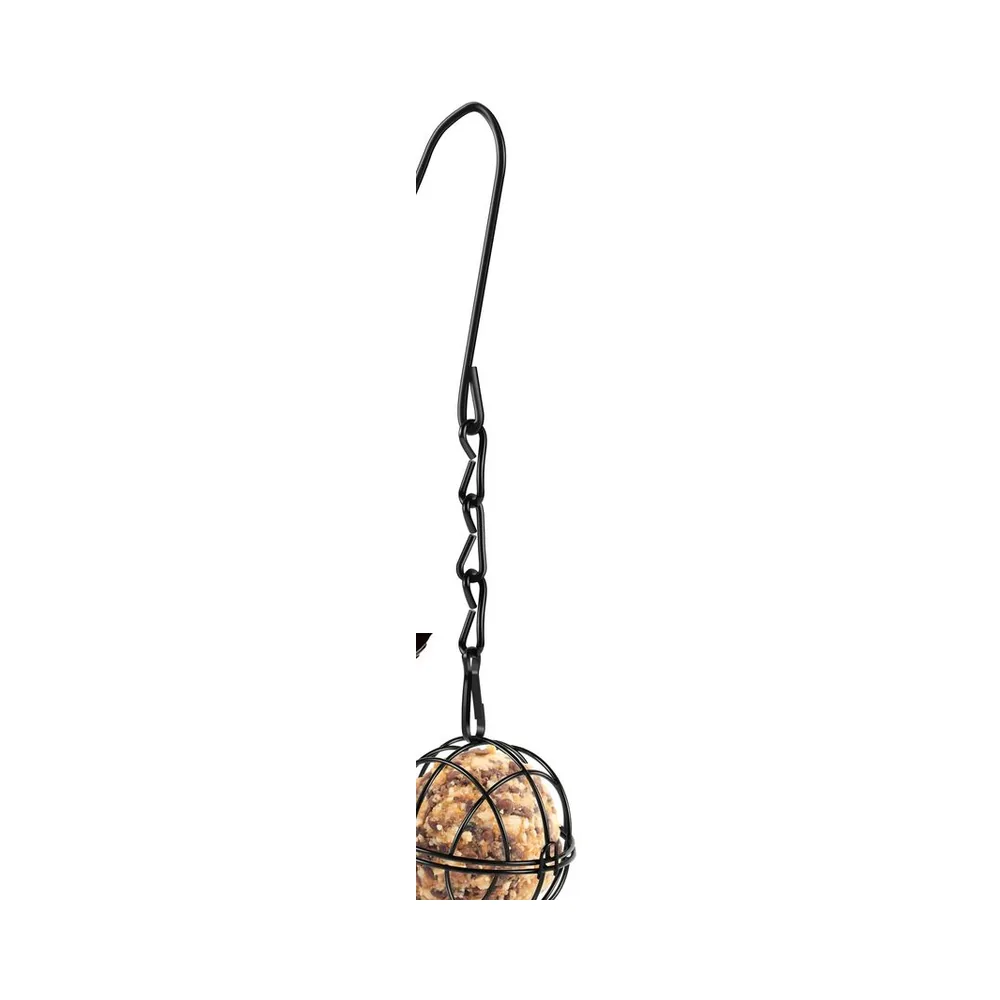
 Hanging Metal Fat Ball Feeders (Set of Four)
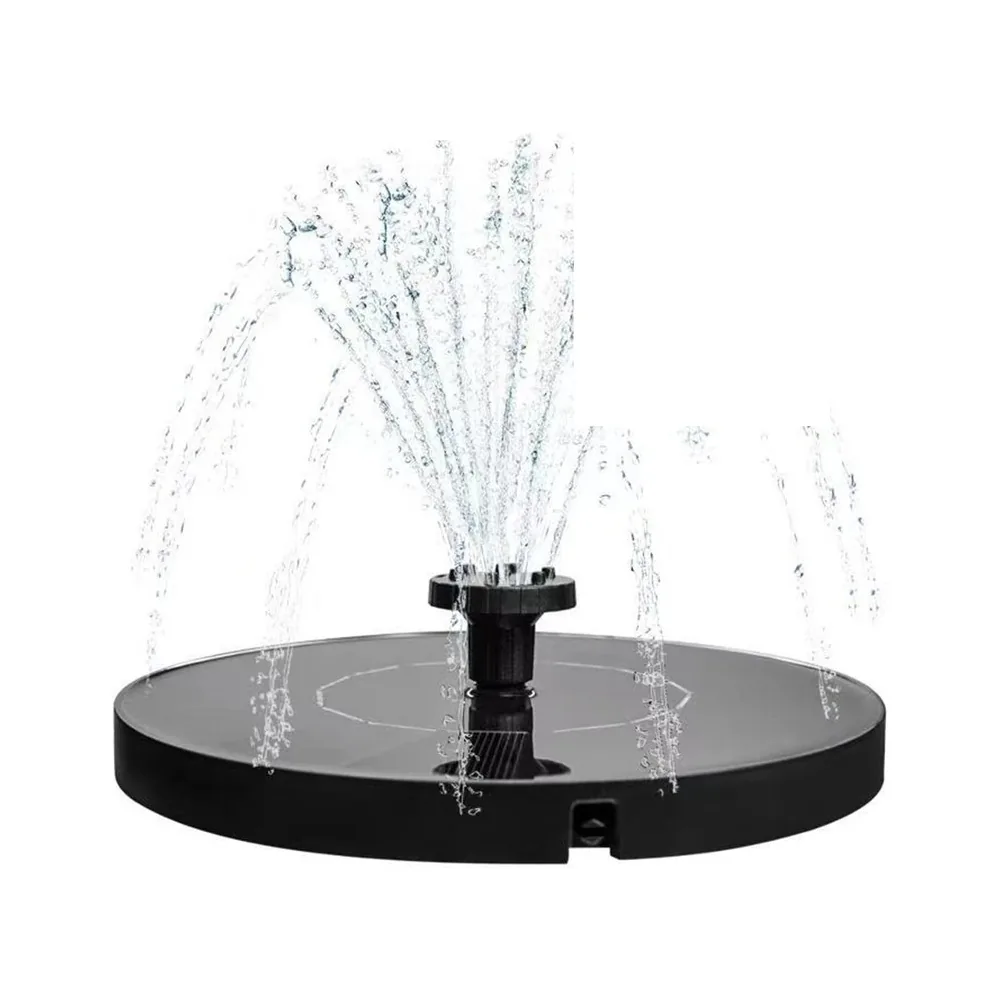 Solar Fountain for Your Bird Bath
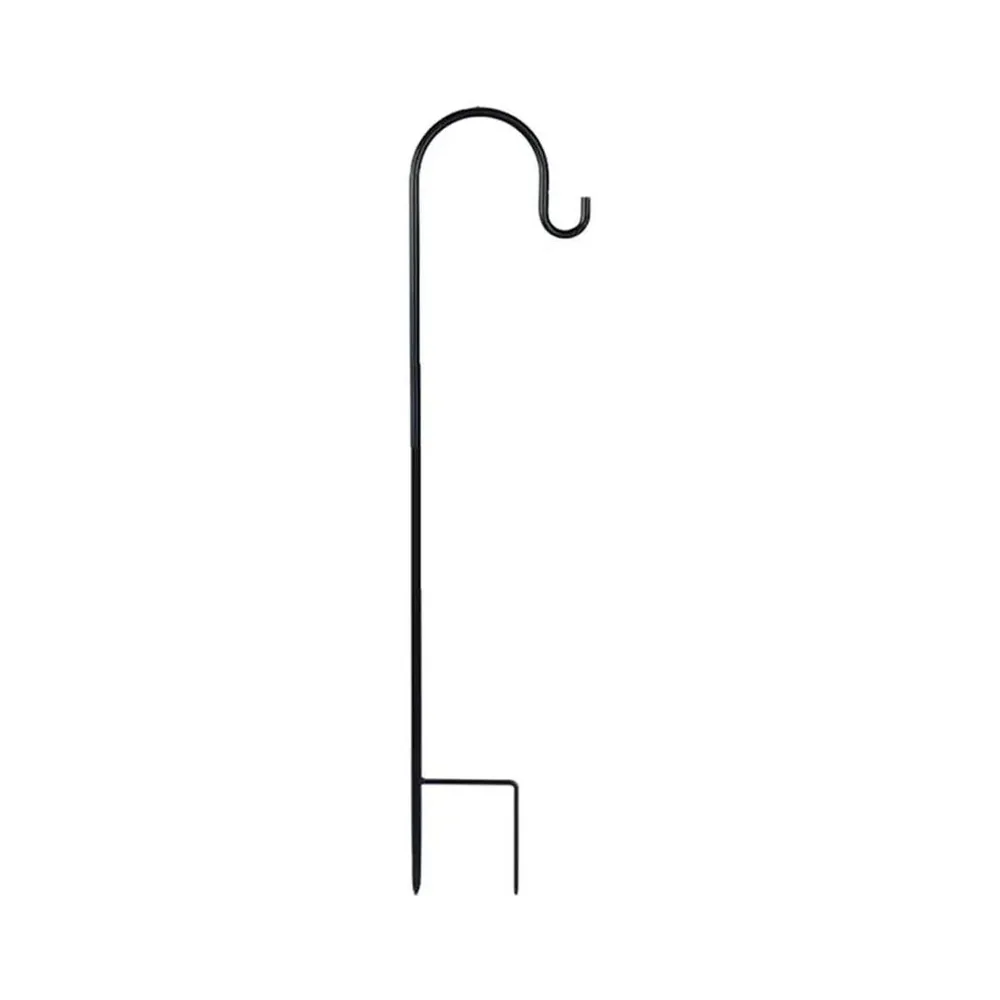 Shepherd Hook Feeder Pole
We keep a note of what people actually ask, at workshops and by email. These are the ones that come up again and again, with short answers and a link where there is more.
Food
What is the single best food? Sunflower hearts. More species eat them than anything else and there is no husk to drop. The full ranking.
Are hearts worth the extra over whole seed? Yes. Forty per cent of a whole seed is shell, so you are paying for litter. The arithmetic.
Can I feed bread? A little soaked wholemeal in hard weather is tolerable. Dry hard bread is close to worthless and should never be a regular offering.
Are peanuts safe? In a mesh feeder, yes. Loose, no — a whole nut can choke a chick. Buy peanuts sold for birds, which are tested for aflatoxin. More.
What should I never put out? Anything salted, milk, mouldy food, desiccated coconut and cooking fat from the roasting tin. The full list.
Do cheap seed mixes work? Poorly. If wheat or split maize is high in the ingredients, most of it ends up on the ground.
Feeders
How high should I hang it? 1.5 to 2 metres. Above a cat, below ladder height.
How far from a bush? Two to three metres. Close enough to escape into, far enough that nothing can wait in it. More.
How many should I have? Start with one. Add a second holding a different food once the first is being emptied.
Metal or plastic? Metal. It does not crack in frost, does not go brittle in sun and cannot be chewed open. Comparison.
Do I need a bird table? Only if you want robins, blackbirds and dunnocks, which cannot cling. A tray under an existing feeder is a cheaper first step. More.
Water
How deep should a bird bath be? Two to five centimetres. Birds stand, they do not swim.
Where should it go? Open ground with cover two to three metres away, never directly under a feeder. More.
How do I stop it going green? Change the water every couple of days and scrub weekly with hot water. Never algaecide. More.
Pests
How do I stop squirrels? Move the feeder before you buy anything. Two metres of clear air, a smooth pole, a baffle at 1.2 metres. The sequence.
Pigeons? Clear the ground spill — they feed below the feeder, not on it. More.
Starlings? A cage with four-centimetre gaps. More.
Rats? Same answer as mess: catch the spill, sweep underneath, put out less. More.
Birds and boxes
When should I put a nest box up? Autumn or early winter. Boxes that have weathered a season get chosen far more often than ones put up in March, and tits roost in them over winter anyway.
Which way should it face? Between north and east, tilted slightly forward so rain runs off. That avoids the hottest sun and the wettest wind.
What hole size? 25mm for blue tits and coal tits, 28mm to include great tits, 32mm if you do not mind house sparrows taking it. More.
Should I clean it out? Yes, in autumn once the season is over, and only then. Old material out, hot water, no chemicals, leave it to dry.
The uncomfortable ones
Should I stop feeding in summer? No, but change what you offer. No whole peanuts, no big lumps of hard fat, soak dried mealworms, and treat water as the priority. More.
A sparrowhawk is taking birds at my feeder. Unsettling, but it is a sign of a functioning food chain. Cover a few metres away gives the small birds a fair chance. Moving the feeder helps more than anything else.
I have seen a sick bird. Take every feeder and the bath down for two weeks, clean everything, let the flock disperse. It feels wrong and it is correct. More.
My cat catches birds. A bell helps a little; keeping it in at dawn and dusk helps far more. Site feeders where there is no ground cover for an ambush.
Nothing is coming at all. Give it three weeks, then check cover, food, cats and freshness in that order. The checklist.
More across the buyer's guide and the rest of this series at DIY and garden wildlife.
A few about the birds themselves
Most questions here are about food and hardware. These are the ones people ask once the feeder is busy and they start actually watching.
- Why does one bird chase all the others off? Territoriality, usually a robin or a male blackbird. Two feeding points at opposite ends of the garden solves it better than any change of food.
- Why is that blue tit bald? Late-summer moult. Birds replace their feathers after breeding and some look genuinely awful for a few weeks. It is normal and it passes.
- Why do they all freeze at once? Something has gone over. Watch the sky rather than the feeder — usually a sparrowhawk, sometimes a gull or a plane shadow.
- Why is a bird sitting fluffed up and not moving? That one matters. A fluffed, lethargic bird that will not fly may be ill, and if you see it near a feeder, take the feeders and bath down for a fortnight and clean everything.