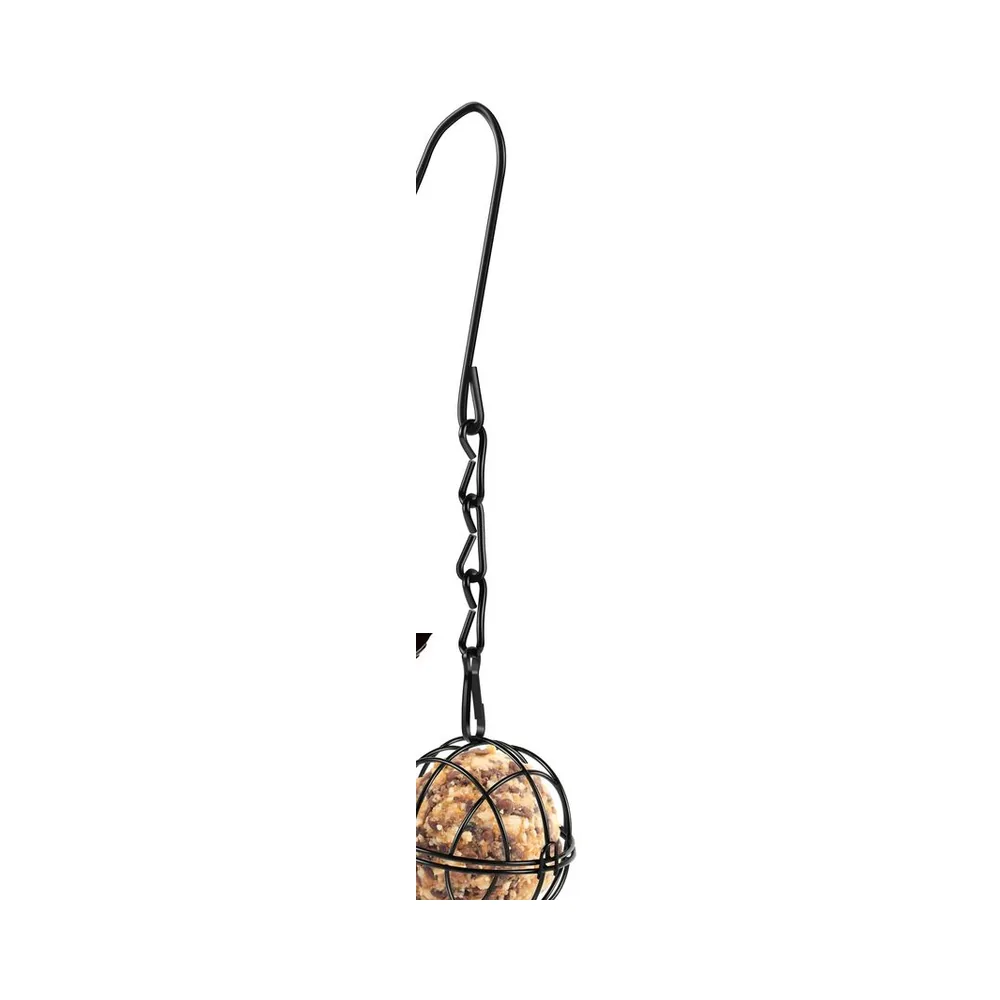
 Hanging Metal Fat Ball Feeders (Set of Four)
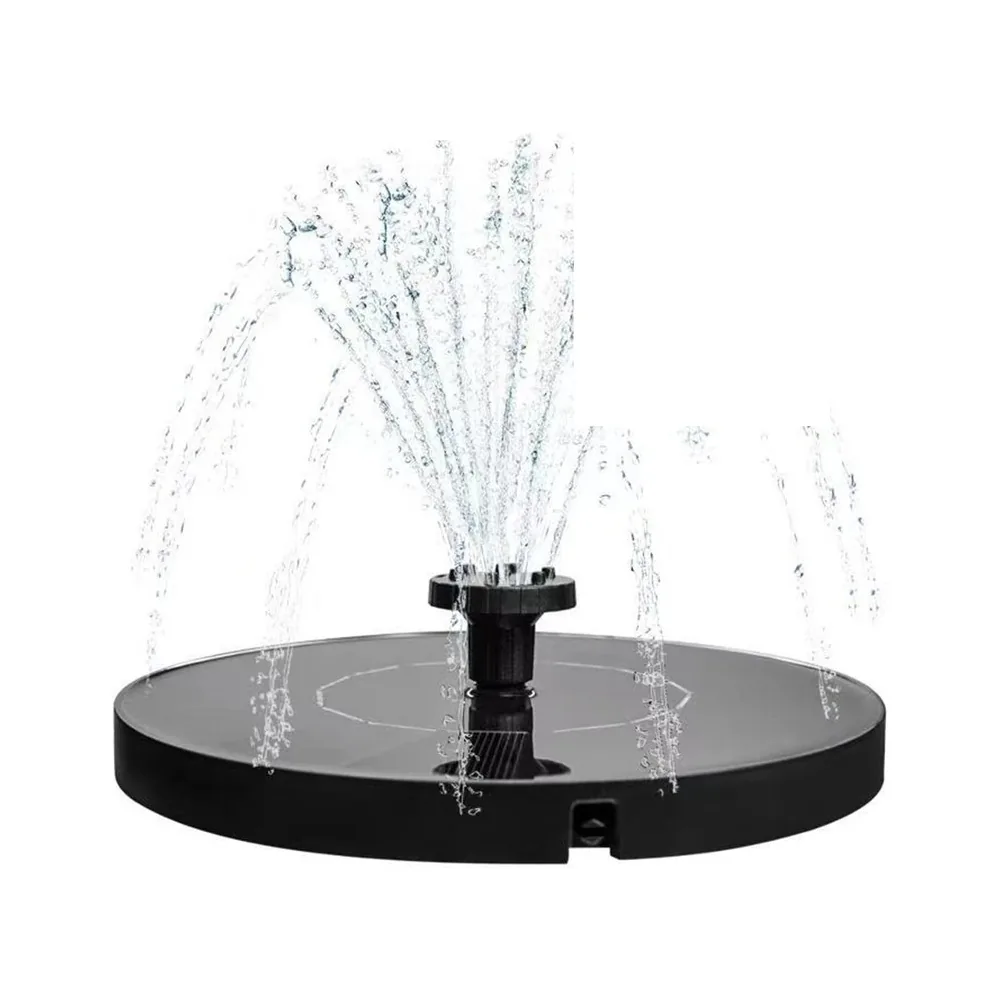 Solar Fountain for Your Bird Bath
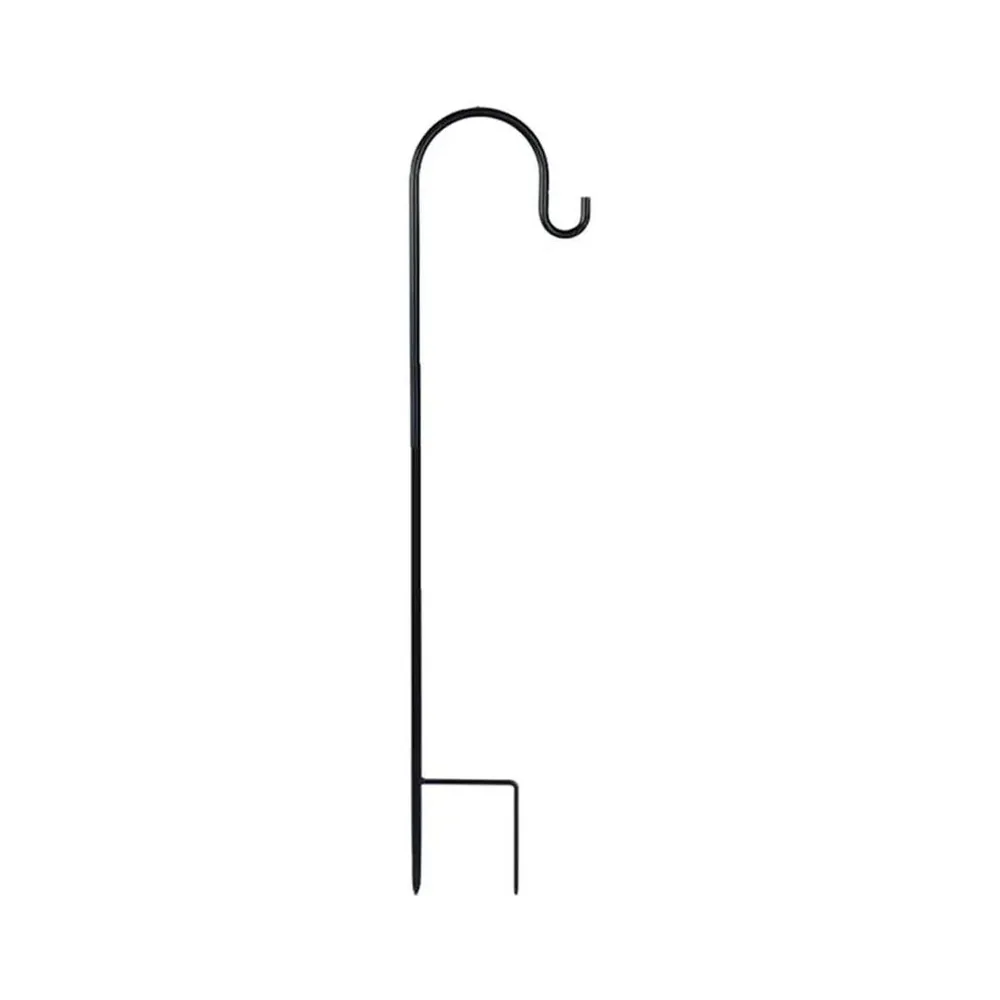 Shepherd Hook Feeder Pole
My mother fed birds from November to February and put the feeders in the shed for the rest of the year. That was the standard advice when she learned it, and plenty of people still follow it.
It has changed, and for good reasons.
Why year-round became the advice
Two things shifted the thinking.
First, the hungry gap. Late spring — roughly April into June — is genuinely hard. Winter berries are gone, autumn seed is finished, and the insect flush has not properly started. Adults are also working flat out feeding chicks.
Second, reliability. Birds build a feeder into a daily circuit covering several gardens. A feeder that appears in November and vanishes in March is unpredictable, and unpredictability costs energy.
Spring: change the menu, not the habit
March to June is about what you take away.
- No whole peanuts loose. An adult will carry one to a chick that cannot swallow it. In a mesh feeder they are fine, because the bird can only take fragments — see peanut feeders.
- No large hard lumps of fat. Same reasoning. Suet pellets and good-quality small fat balls are safer.
- Soak dried mealworms. Ten minutes in warm water. A dry mealworm swells inside a chick.
- Keep it clean. Warm damp weather is when disease spreads fastest.
Sunflower hearts stay on the menu all year and cause no problems at any stage.
Summer: water first
In July and August the limiting factor is usually not food.
Puddles dry up, the ground bakes and worms go deep. A bird bath topped up daily will do more for your garden than another feeder — there is more in why water matters as much as food.
Keep feeding, but expect it to go quiet. Adults are catching insects for chicks, and a lull in June does not mean anything is wrong.
Watch for scruffy, half-bald adults in late summer — that is moult, not illness — and comically short-tailed juveniles learning the feeder.
Autumn: shift toward fat
From late September, start weighting the menu toward energy: fat balls, suet, peanuts alongside the hearts.
This is also the moment for the annual clean and a look at where the feeders are sited, since a spot that was sheltered in August is exposed once the leaves drop. The full list is in getting the garden ready for winter.
Winter: twice a day
Morning and, more importantly, the last hour before dusk. Whatever a small bird eats before dark has to carry it through the night.
Add unfrozen water to the list, which in a hard frost is harder to find than food. See feeding garden birds in winter.
The one date worth marking
If you put up a nest box, get it out in autumn or early winter rather than March.
Boxes that have weathered a season are chosen far more often than ones that went up smelling of fresh timber a fortnight before the birds needed them. Blue tits and great tits also use them as winter roosts, so an autumn box earns its keep long before spring.
Face it between north and east, two to four metres up, tilted slightly forward so rain runs off the front. There is more in how to attract blue tits and great tits.
When you should actually stop
There is one situation where taking everything down is right.
If you see sick birds — fluffed up, lethargic, reluctant to fly, wet or crusted around the beak — remove the feeders and the bath for two weeks. Clean everything thoroughly and let the flock disperse.
It feels wrong. It is the correct thing to do, because a feeding station concentrates birds and concentrates whatever they are carrying.
Rats are the other case: stop for a fortnight, clear the ground, then restart with a catcher tray fitted.
Going on holiday
Do not stop dead if you can help it. Ask a neighbour, or taper down over a week or so.
Birds will find food elsewhere — they are not solely dependent on you — but a sudden gap in a cold spell is the version that actually costs them.
The rest of this series is at seasonal feeding, and the year-round guide goes month by month.
Moving house, and starting again
One situation the calendar does not cover: you have moved, and the garden you built up over years is behind you.
The new one starts from nothing, and it can be a discouraging few weeks. Birds in the new area have an established circuit that does not include your feeder, and there is no residual traffic to attract more.
Two things speed it up. Put the feeder somewhere visible from above and from neighbouring gardens rather than tucked away — birds find food by sight, and being conspicuous matters more in a garden with no reputation. And use sunflower hearts rather than anything specialist, because you want the widest possible range of species to find it and pass the information on.
Expect three to four weeks rather than one, and do not keep moving it while you wait. If there are feeders in neighbouring gardens you are borrowing an established population and it will be faster; if you are the first on the street it takes longer and works just as well in the end.