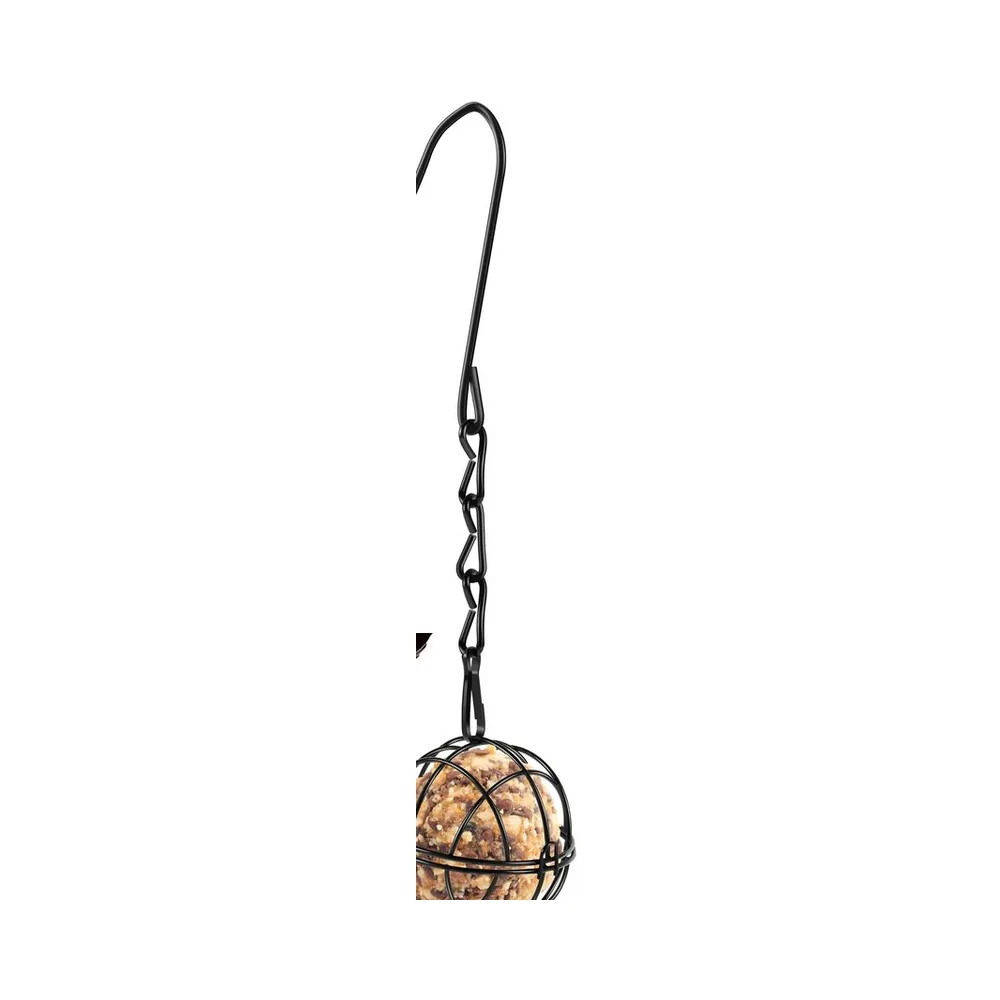
 Hanging Metal Fat Ball Feeders (Set of Four)
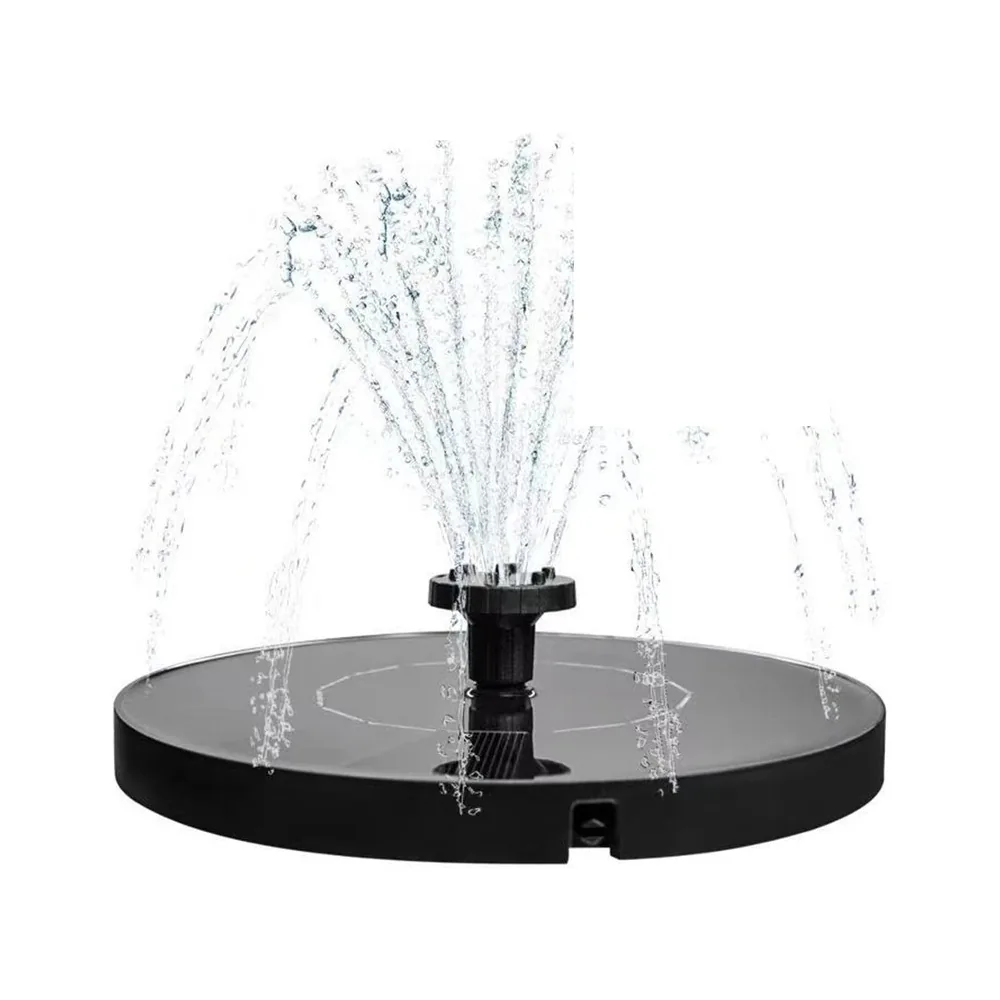 Solar Fountain for Your Bird Bath
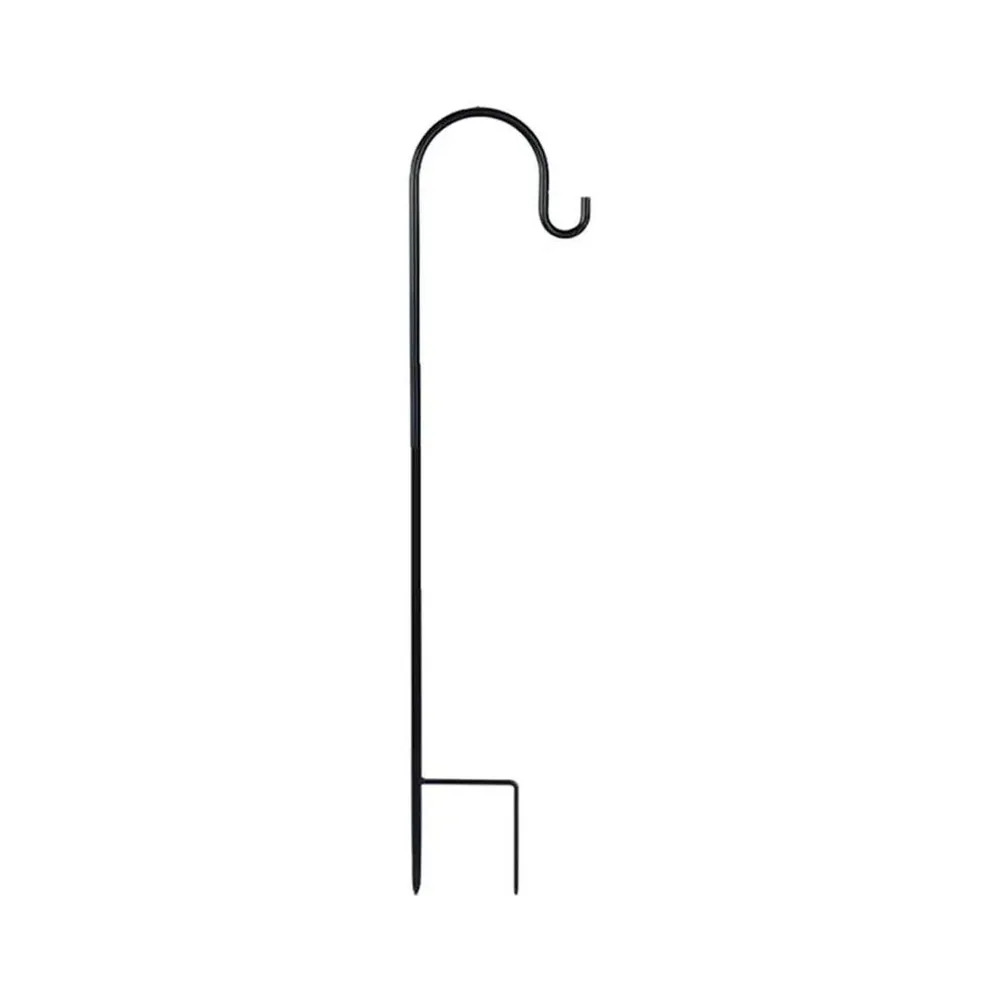 Shepherd Hook Feeder Pole
I have run wildlife workshops in the village for a few years now, and the same thing happens every time. Everyone has a feeder. Perhaps one person in four has water.
It is the wrong way round, or at least badly out of balance. Water is the cheaper thing to provide and often the more valuable.
Bathing is not a luxury
This is the part that changes how people think about it.
A bird's feathers only insulate when they are clean and properly aligned. Dirt, dust and old preen oil stop them locking together, and feathers that do not lock together do not trap air.
Trapped air is the entire insulation system. A bird with dirty plumage is a bird that gets colder overnight, and in January that is a survival question rather than a comfort one.
So bathing, then preening, is maintenance. You will see a bird bathe hard for thirty seconds and then spend ten minutes working through its feathers afterwards. That second part is the point.
A bird bath in January is not a nicety. It is how a blackbird keeps its coat working.
Drinking, and why they need more than you would think
Birds cannot sweat. They shed heat by panting and by gular fluttering — that rapid throat movement you see on a hot day — and both lose water fast.
A diet of dry seed makes it worse. A goldfinch living on nyjer and sunflower hearts needs to drink regularly simply to process the food.
Insect and worm eaters get a lot of moisture from their food, which is why blackbirds struggle most in a drought: the ground bakes, the worms go deep, and their water source disappears with their dinner.
Water brings different birds
This is the practical argument.
Your feeder serves seed and fat eaters — tits, finches, sparrows. A bird bath serves everything, including birds that will never once land on a feeder.
In my garden the bath gets blackbirds, song thrushes, wrens, dunnocks, blackcaps and, one memorable summer, a sparrowhawk that bathed for a full minute and left.
If you want to widen the list of species in your garden, water does it faster than another feeder.
The two moments it matters most
A dry summer
Puddles vanish, ponds drop, the ground goes hard. In a long dry spell a garden bath can be the only open water for a considerable distance.
Top it up daily and expect queues.
A hard frost
Everything freezes at once, and birds cannot eat snow to hydrate — melting it costs body heat they cannot spare.
Tipping the ice out each morning and refilling with cool water takes ten seconds and is worth more than another handful of seed. Never add salt, glycerine or antifreeze; all are harmful and the last is lethal.
There is more on this in feeding garden birds in winter.
What actually makes a good one
Almost nothing, which is the good news.
- Shallow. Two to five centimetres. Birds stand, they do not swim.
- Grippy. A glazed bowl is slippery underfoot — add a rough stone or some gravel.
- Sloping. A gentle gradient lets a wren and a blackbird use the same bath.
- Open. Clear sightlines, with cover two to three metres away. See where to place a bird bath.
- Clean. Changed every couple of days, scrubbed weekly. See keeping it clean.
A pedestal bath lifts the water clear of cats; a ground dish is more natural and suits blackbirds and dunnocks. Both is better than either.
Moving water changes the reach
Still water is easy to miss. Moving water is visible from further away and audible from further still, and it does not stagnate.
A solar fountain drops into an existing bath, needs no wiring, and starts when the sun comes out. In my experience it roughly doubles the traffic in summer.
Start today
If you take one thing from this: you do not need to buy anything to begin.
An old plant saucer on the ground, in the open, with a stone in it for grip and two centimetres of water, will get used this week. Upgrade later if you want to.
More in the water guide, and the rest of this series at bird baths and water.
How much a bird actually drinks
It is easy to underestimate, because birds do not drink in a way that looks like much.
A small bird typically needs to drink several times a day, and considerably more in hot or dry weather. Seed-eating birds need more than insect-eaters, because insects and fruit carry a lot of moisture and dry seed carries almost none — which means the very birds a seed feeder attracts are the ones with the greatest need for water beside it.
That is the part worth sitting with. Putting out a feeder full of dry sunflower hearts without water nearby increases a bird's need for something you have not provided. It is not harmful — they will find it elsewhere — but a feeder and a shallow dish together are worth considerably more than the feeder alone, and the dish is the cheaper half of the pair.