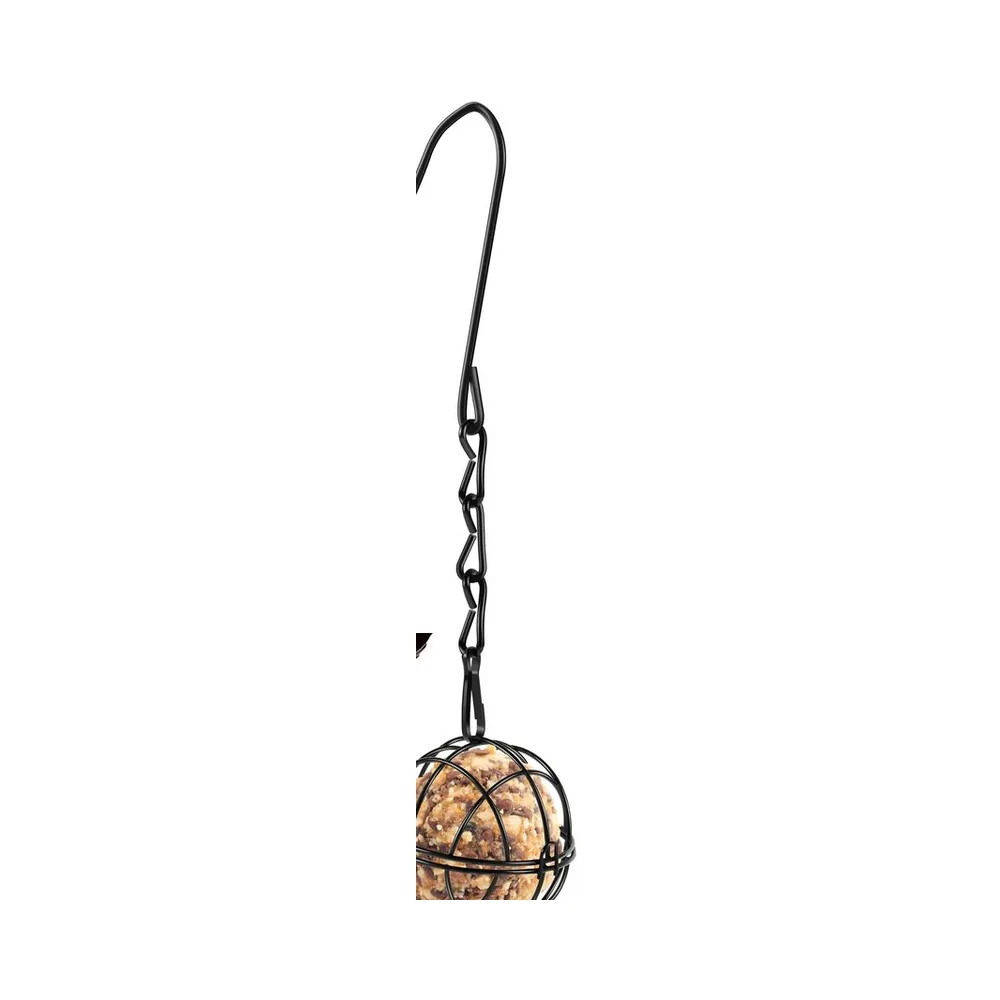
 Hanging Metal Fat Ball Feeders (Set of Four)
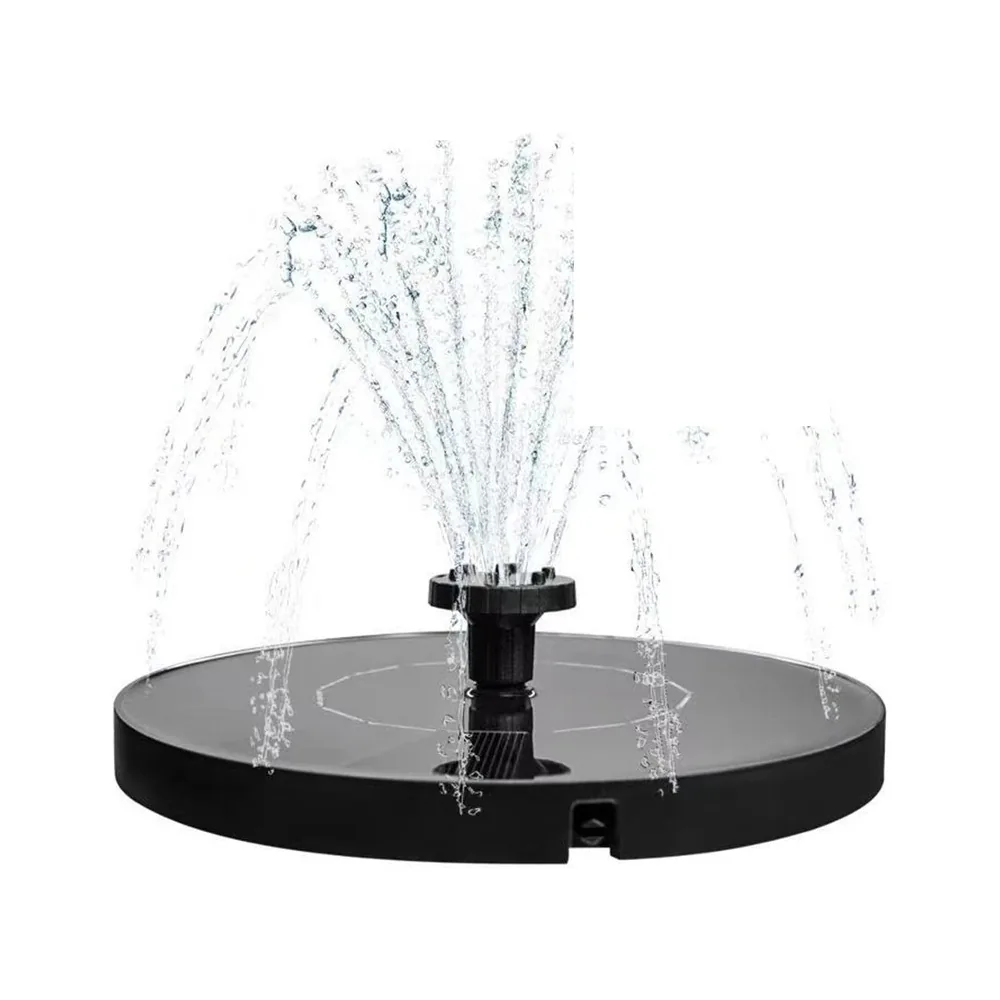 Solar Fountain for Your Bird Bath
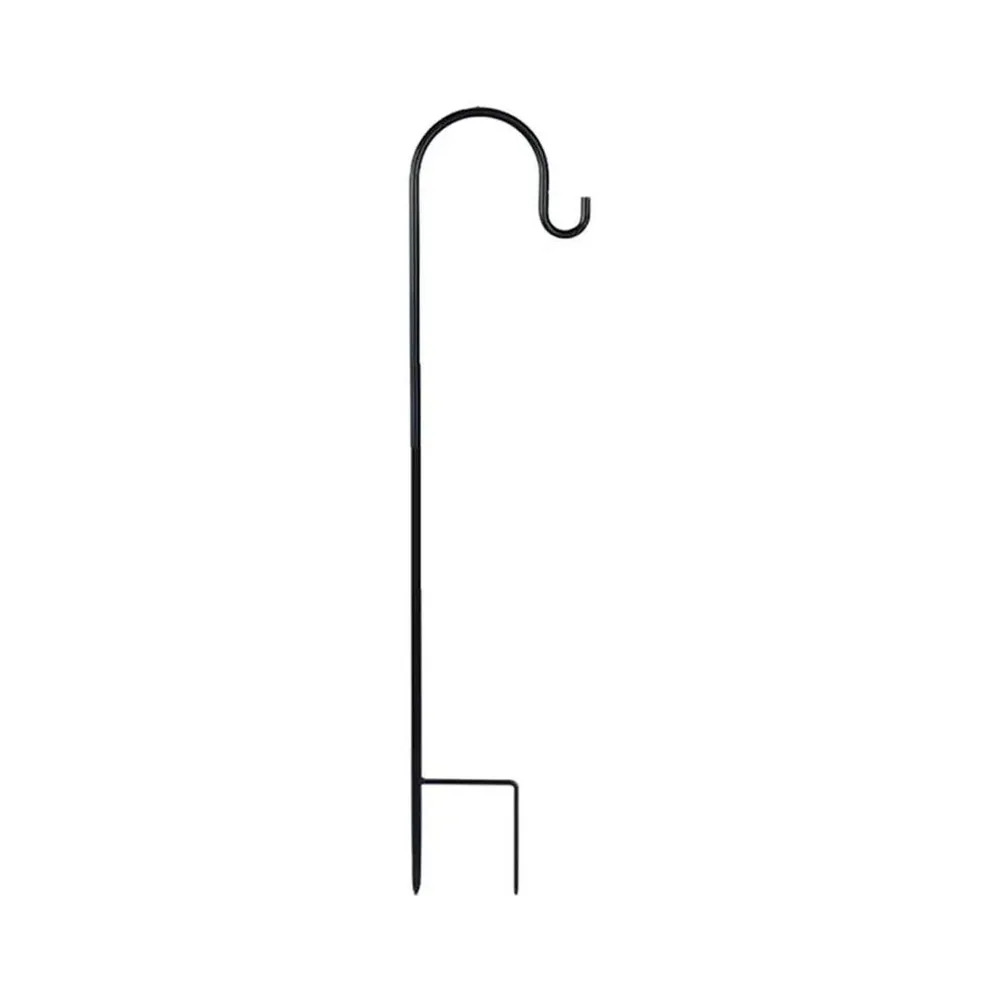 Shepherd Hook Feeder Pole
A bird bath is the only thing in the garden that every bird uses and everyone forgets.
It is also the one where neglect does real harm. Birds drink from it, bathe in it and share it, which makes a dirty bowl an efficient way to pass infection around the whole garden.
The good news is that keeping one clean takes about five minutes a week and no products at all.
The weekly routine
Genuinely this simple.
- Tip the water out, away from where birds feed.
- Scrub the whole bowl with a stiff brush and hot water. Get the rim and the underside of the lip — that is where the green film starts.
- Rinse well.
- Refill with clean cold water.
Keep a brush just for this and hang it near the back door. A brush you have to go and find is a job that gets skipped.
Between scrubs, change the water every two or three days, and daily in hot weather. Fresh water matters more than a spotless bowl.
What never to put in it
This part is important and it is where well-meaning people go wrong.
- Washing-up liquid. Detergent residue strips the natural oils from feathers and wrecks waterproofing. A bird that cannot waterproof itself cannot stay warm.
- Bleach or disinfectant. Even heavily diluted and rinsed, not worth the risk.
- Algaecide or pond treatments. Formulated for fish tanks and ponds, not for something birds drink.
- Copper coins. An old trick doing the rounds again. Copper leaching into drinking water is not something to encourage.
- Salt, glycerine or antifreeze to stop it freezing. All harmful, and the last one is lethal.
Hot water and physical scrubbing does everything you need. Algae is removed by the brush, not dissolved by a product.
Siting does half the work
Where you put the bath affects how fast it goes green, and this is the lever most people never pull.
Full afternoon sun heats the water and algae bloom rapidly. Dappled shade, or morning sun and afternoon shade, keeps it noticeably clearer.
Do not go to the other extreme either — a bath under dense evergreen collects leaf litter all year and never really dries out.
And keep it away from directly beneath a feeder. Droppings and husks falling into the bowl will foul it within a day. There is more on this in where to place a bird bath.
Moving water stays cleaner
Still water stagnates. Moving water does not, and it also discourages mosquito larvae.
A solar fountain drops straight into an existing bath, needs no wiring and starts when the sun comes out. It will not remove droppings or feathers, so you still scrub weekly, but the interval between the water going stale gets noticeably longer.
Keep the pump submerged. Running one dry will burn it out quickly, so top up daily in hot weather.
Material makes a difference
Some bowls are simply easier to keep clean.
- Glazed ceramic and metal — smooth, so algae has less to grip and a brush clears it in seconds. Our pedestal baths are mostly this sort.
- Copper — has a mild natural resistance to algae and cleans easily.
- Unglazed stone and concrete — beautiful, but porous, so algae takes hold in the surface and needs more scrubbing.
Whatever the material, birds need grip. A completely smooth bowl is slippery underfoot, so a rough stone or a layer of gravel in the base helps more than you would expect.
The green film, and when to worry
A thin green film in summer is normal and harmless in itself. Scrub it off weekly and think no more about it.
What does warrant attention is a slimy build-up, a smell, or cloudy water with debris in it. That means the bath has gone too long, and the fix is to empty it, scrub hard and reset the routine.
If you ever see a sick bird at the bath — fluffed up, lethargic, reluctant to fly — take the bath and the feeders down for a fortnight, clean everything thoroughly, and let the flock disperse. It feels counter-intuitive but it is the right call.
Winter
Cleaning gets easier, because algae stops. Ice becomes the problem instead.
Tip the ice out each morning and refill with cool water. Never hot water into a cold ceramic bowl, which cracks it, and never any additive at all.
More on that in the water guide, and the rest of this series is at bird baths and water.
Mosquito larvae in standing water
A bath that is genuinely left standing rather than refreshed can breed mosquitoes, and it is worth knowing the timescale.
Mosquitoes need still water for roughly a week to get from egg to adult. A bath changed every two or three days never gets close, which means the ordinary cleaning routine already solves the problem completely — this is one more reason for the schedule rather than a separate job.
If you go away for a fortnight in summer, either ask someone to change it or tip it out and leave it dry rather than leaving a full bath standing. Moving water does not support larvae either, so a solar fountain running through a warm spell handles it on its own.
What you should not do is add anything to the water to deal with it. The same rule applies here as everywhere: nothing dissolved in a bath that birds drink from.