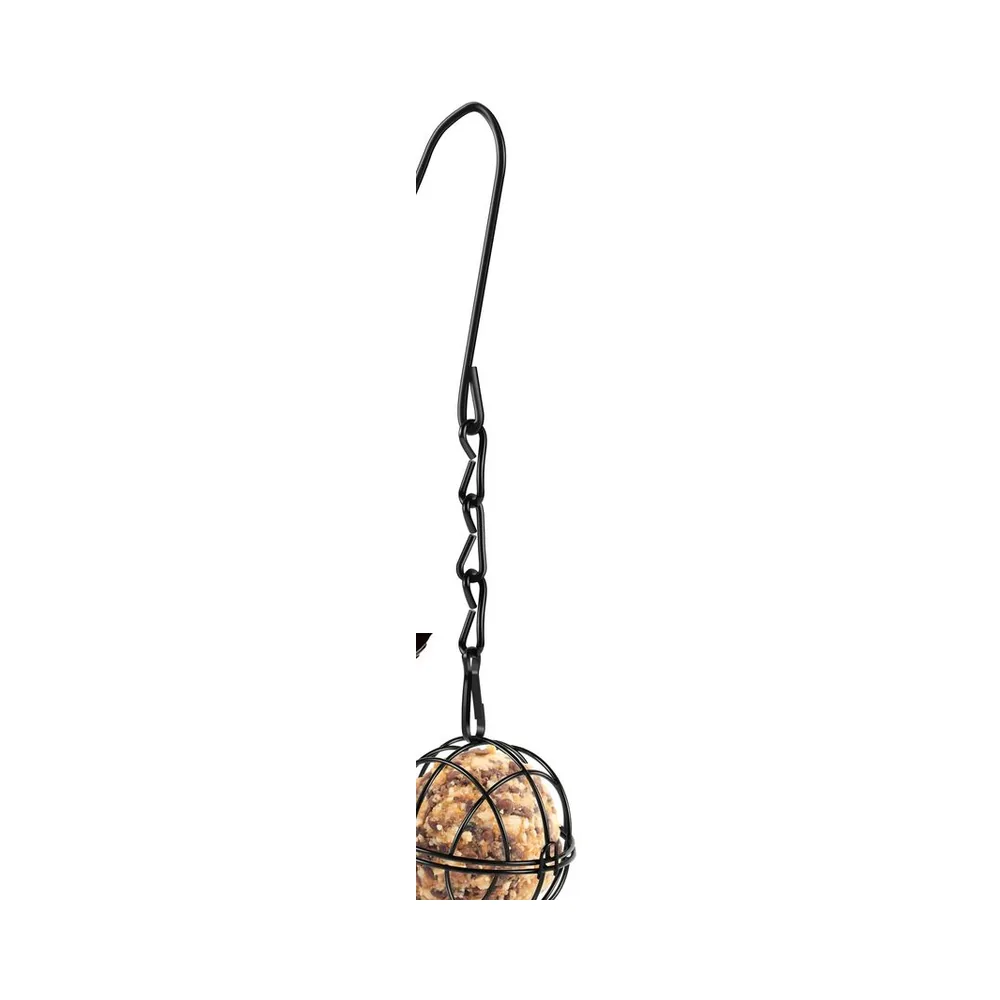
 Hanging Metal Fat Ball Feeders (Set of Four)
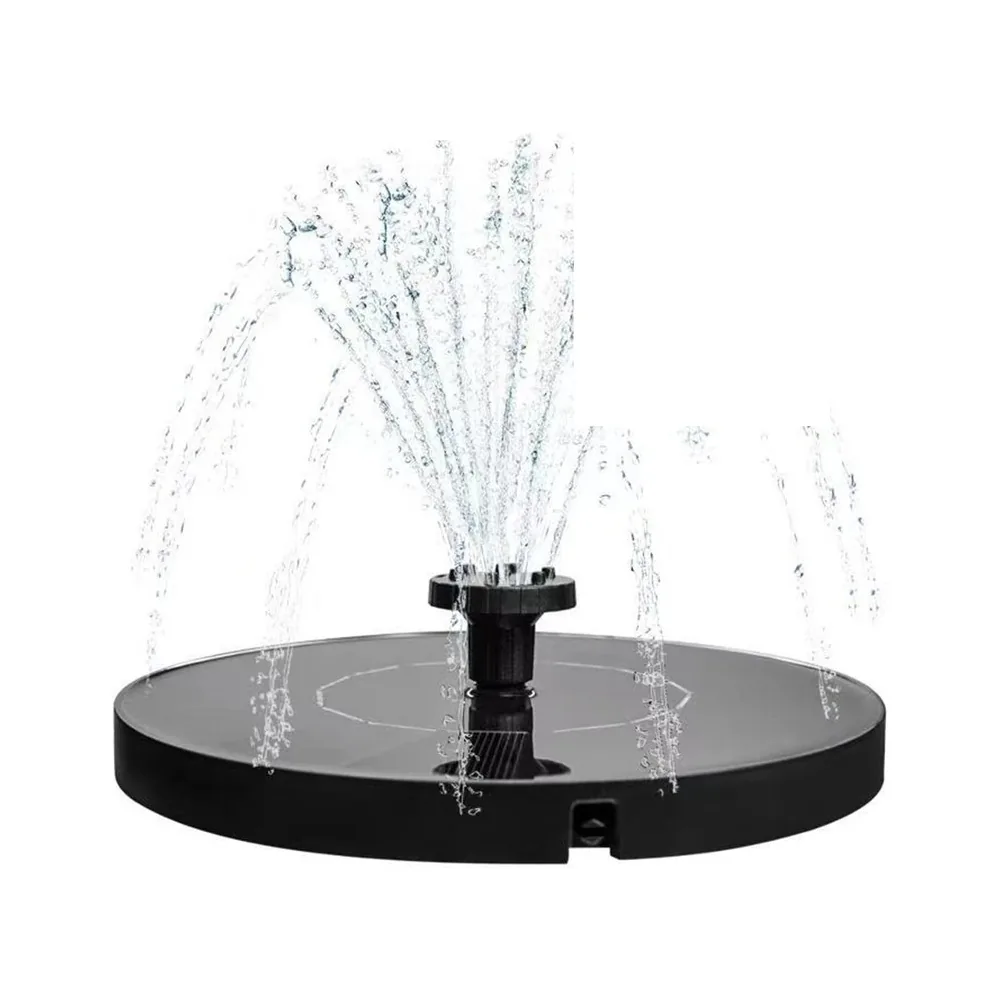 Solar Fountain for Your Bird Bath
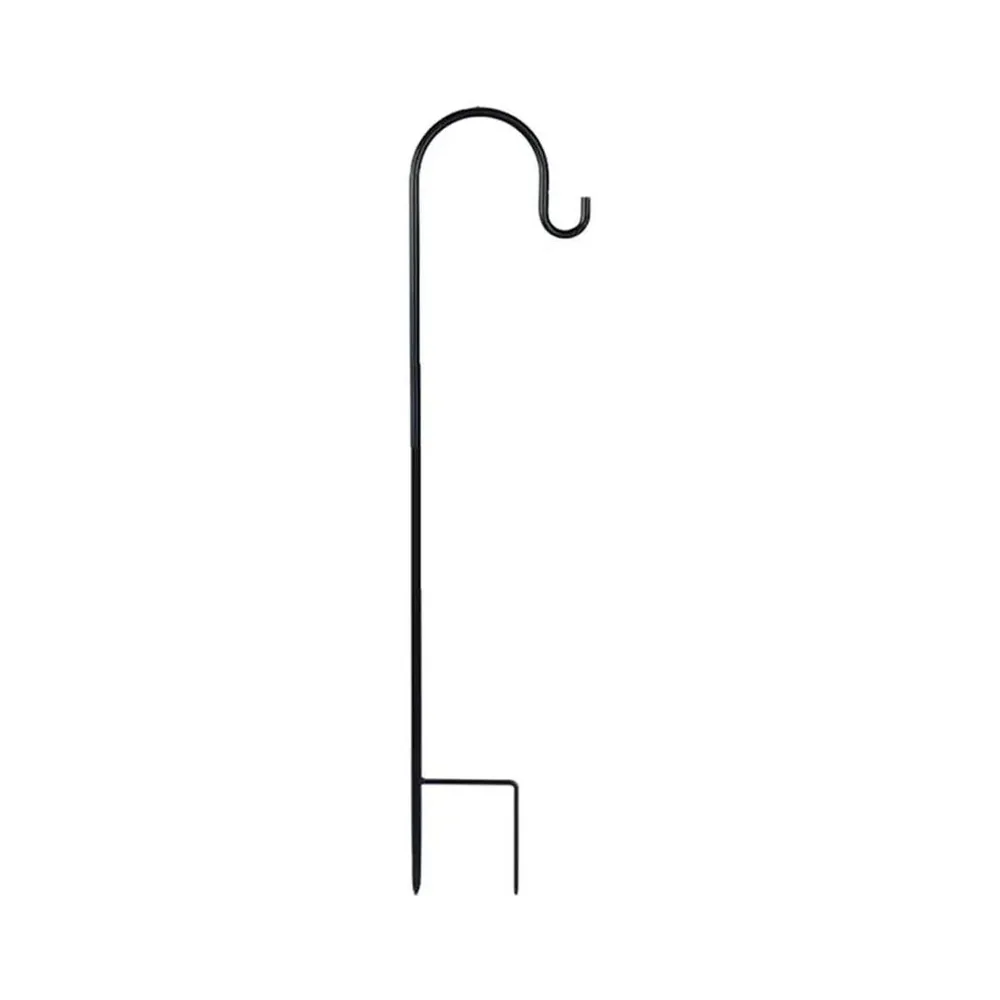 Shepherd Hook Feeder Pole
The first time I put a solar fountain in the bath I stood and watched it for about ten minutes, which is longer than I have watched most things I have bought.
They are genuinely lovely, and they change how a garden uses water. They are also widely misunderstood, mostly around what happens when the sun goes in.
How they work
A floating disc with a solar panel on top and a small pump underneath. Light hits the panel, the panel drives the pump, the pump pushes water up through a nozzle.
That is the whole thing. No wiring, no plug, no battery in most models. You drop it into an existing bird bath and it starts.
Ours are here: solar and fountain baths.
The honest limitation
Without a battery, output follows the light directly and immediately.
Full summer sun gives a proper jet. Thin cloud drops it to a trickle. A heavy cloud passing over stops it within a second or two, and it restarts just as quickly.
People sometimes think this means it is broken. It is not — it is the design. Some models include a small battery that buffers a few minutes of cloud, which is worth having if you can find one.
In a British summer, sited well, expect several genuinely useful hours a day. In December, expect very little.
Siting is everything
The panel needs unobstructed direct sun. Not dappled shade under a tree, not the north side of the house, not somewhere the shed shadows it after two o'clock.
That can conflict with what the birds want, since full afternoon sun heats water and speeds algae. In practice, aim for morning and midday sun with some late afternoon shade, and keep the usual siting rules — open ground, cover two to three metres away. See where to place a bird bath.
What it actually gives you
Reach
This is the real benefit. Moving water is visible from much further away than a still surface, and audible too. Birds find a fountain from further off and more of them come.
Cleaner water for longer
Circulating water does not stagnate the way still water does, which slows algae and discourages mosquito larvae. You will still scrub weekly — see keeping a bird bath clean — but the water stays fresher between changes.
Something to watch
Not a small thing. A fountain gives a garden a focal point, and birds bathing in moving water is a genuinely good way to spend five minutes.
Getting the best from one
- Keep the pump submerged. Running dry burns it out fast, and evaporation is quicker with a fountain than without. Top up daily in hot weather.
- Clean the panel. Dust, pollen and bird droppings on the surface cut the output noticeably. A wipe every week or two.
- Rinse the intake. The little filter under the pump clogs with debris. If the spray weakens on a bright day, that is usually why.
- Try the nozzles. Most kits include several. The tallest jet looks best to us; a low gentle bubble is often better for the birds and loses less water to wind.
Winter
Most floating units should come out before hard frost — water freezing inside the pump housing will crack it.
Moving water does freeze later than still water, so on a light frost a fountain can keep a bath open a while longer. In a proper freeze it will not, and the pump is at risk.
I take mine out in November and put it back in March. In between, the bath gets the ice tipped out each morning instead — see feeding garden birds in winter.
Is it worth it?
If your bath is in the sun and you are willing to top it up daily, yes. The increase in traffic is noticeable and it needs no wiring at all.
If your only sensible bath position is shaded, put the money into a second bath somewhere else instead. Two dishes of still water in good positions beat one fountain in a bad one.
The rest of this series is at bird baths and water.
Keeping the pump running
Solar fountain pumps are simple and the failures are almost always the same two things.
The first is debris. The impeller is tiny and a leaf fragment, a feather or a clump of algae will stall it. Most units come apart without tools — lift the cover, rinse the impeller housing under a tap, refit. Doing that every couple of weeks in the growing season prevents nearly every "it has stopped working" complaint.
The second is the panel. A film of dust, pollen or bird droppings on the solar cell cuts output far more than people expect, and a pump that is running weakly in bright sun almost always has a dirty panel rather than a failing motor. Wipe it with a damp cloth when you change the water. Between those two habits, a solar fountain that gets five minutes of attention a fortnight will run for several seasons.