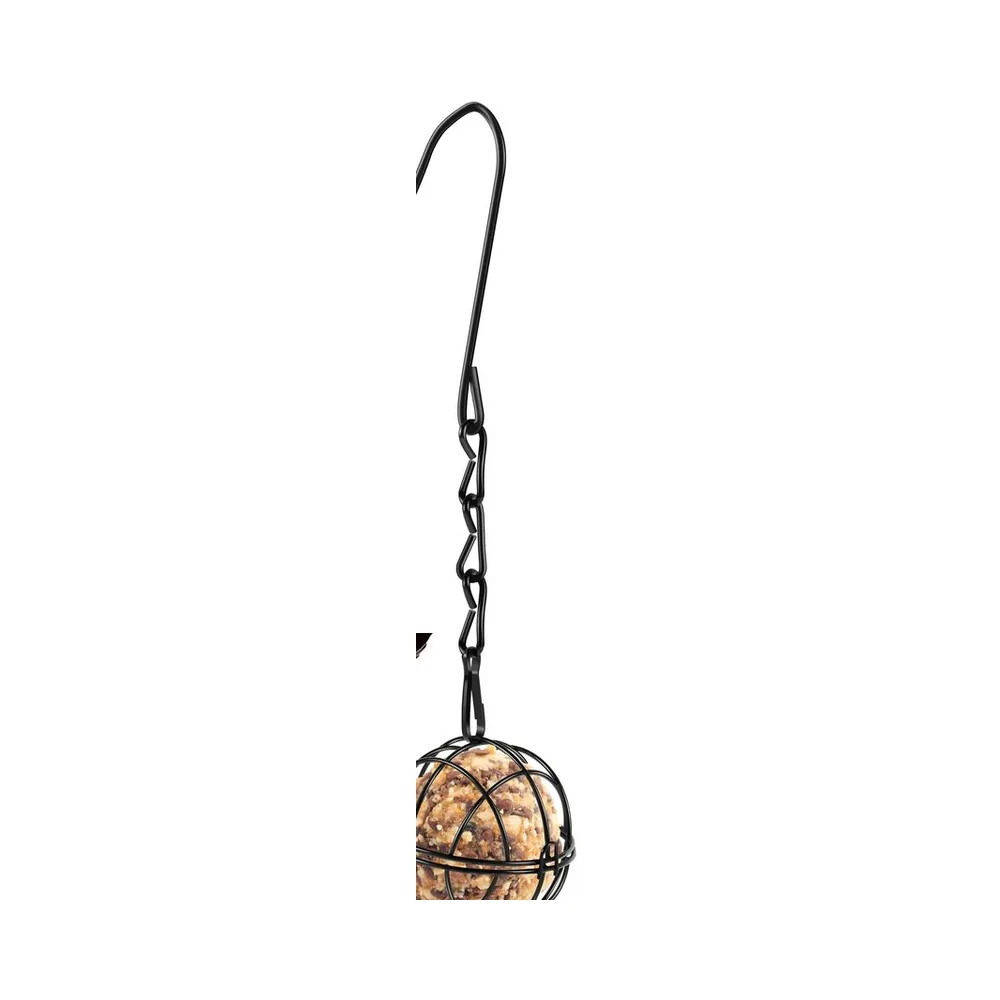
 Hanging Metal Fat Ball Feeders (Set of Four)
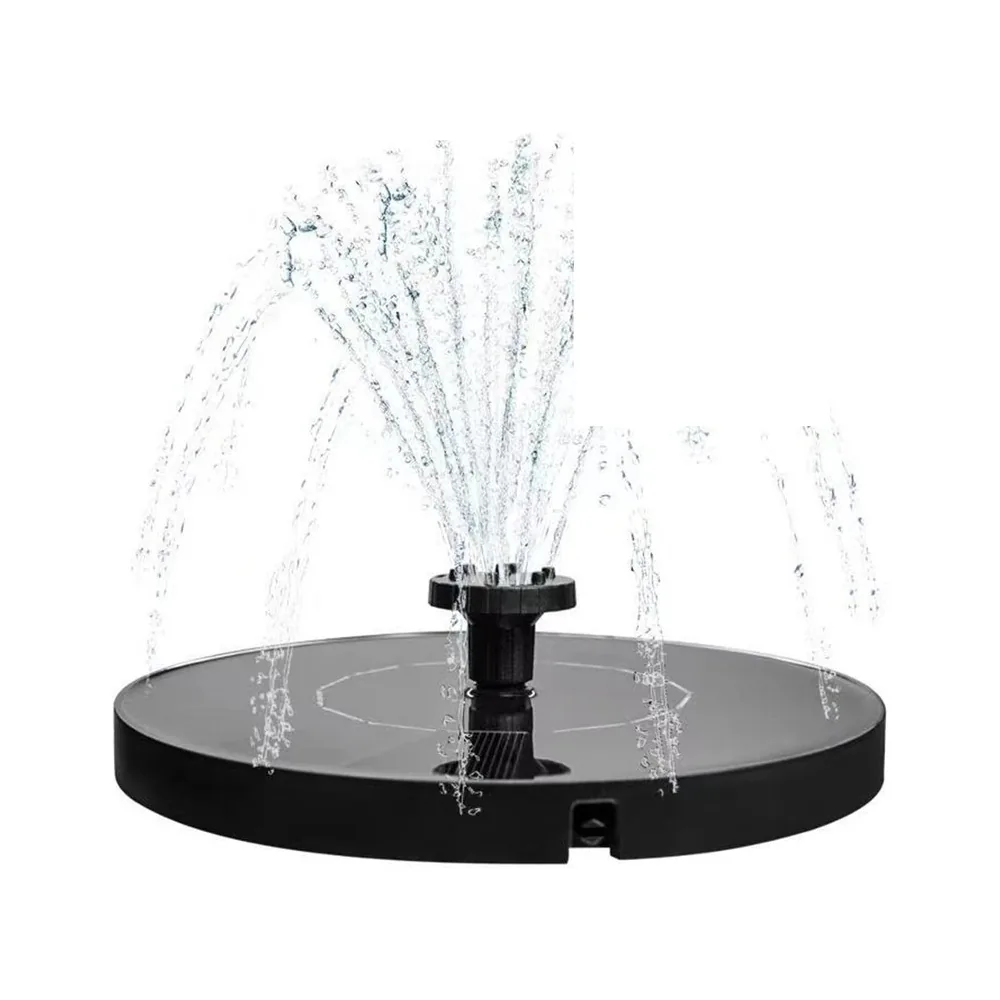 Solar Fountain for Your Bird Bath
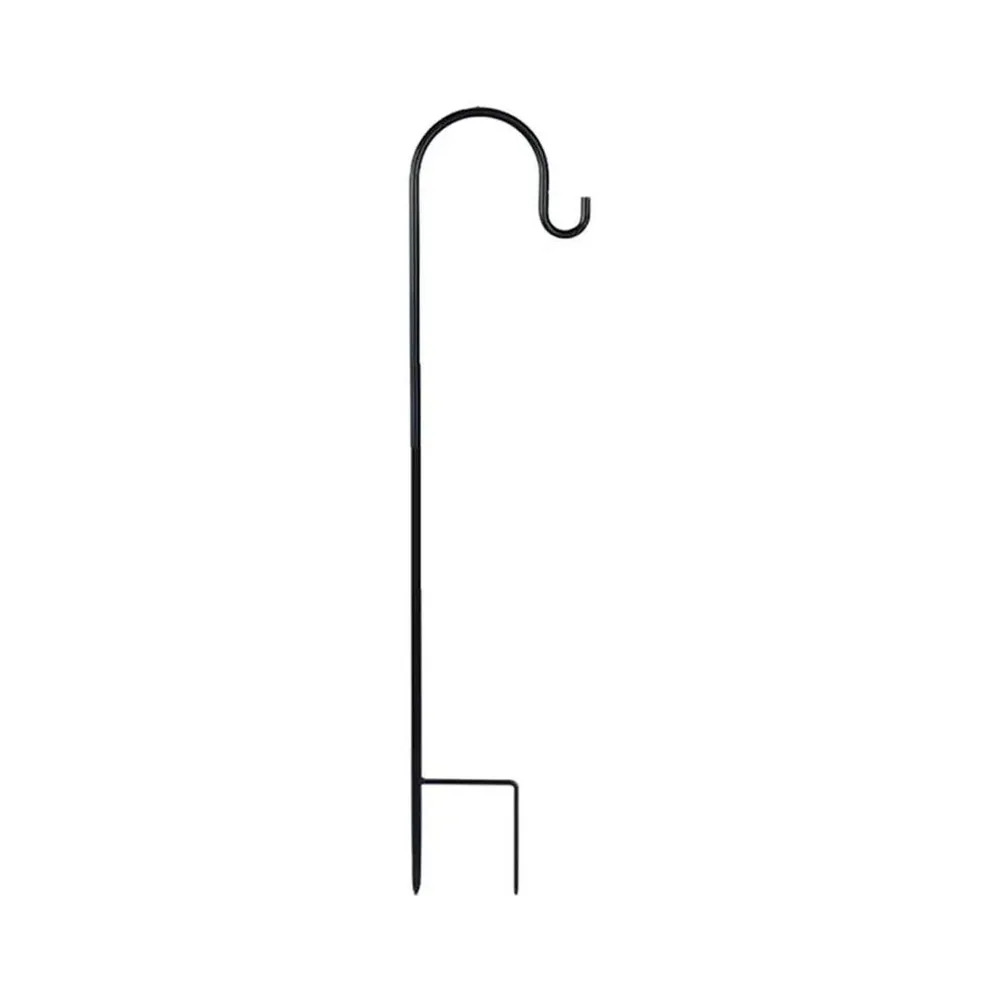 Shepherd Hook Feeder Pole
There is a morning every winter when I go out and the bath is a solid disc and the grass crunches, and the feeder is already busy at half past seven in poor light.
That is the morning it stops being a pleasant hobby.
Winter feeding genuinely changes survival odds for small birds, and there are a few things worth understanding about why.
The overnight problem
A blue tit weighs about eleven grams. On a long December night it has to keep its body temperature up for fourteen hours with no opportunity to eat.
It can lose ten per cent of its body weight doing that. In a hard frost, more.
Everything about winter feeding follows from that single fact: the bird needs to go to roost as heavy as possible, and it needs to refuel fast at first light.
The two feeds that matter
Last thing
This is the one people miss.
Whatever a bird eats in the last hour before dusk is what it burns overnight. A feeder that runs empty at three o'clock on a December afternoon has failed at the most important moment of the day.
Top up mid-afternoon. It takes two minutes.
First light
Birds arrive at feeders at dawn having burned through everything. Food already out and dry when they arrive is worth more than food you put out at nine.
What to put out
- Fat balls and suet — the highest energy per mouthful. See the fat ball feeder guide.
- Peanuts in mesh — high fat, and woodpeckers appear in winter. See peanut feeders.
- Sunflower hearts — the reliable everyday food. Hearts rather than whole seed.
- Mealworms and suet pellets on a tray — for robins, blackbirds and dunnocks, who cannot use a hanging feeder.
Avoid anything salted, and avoid dry hard bread, which fills a bird up with almost nothing.
Water is the harder problem
People stock up on food and forget that a frozen garden has no drinking water at all.
Birds need to drink daily, and they need to bathe even in cold weather — clean feathers trap air, and trapped air is insulation. A bird that cannot preen properly is a bird that gets colder.
Every morning, tip the ice out and refill with cool water. Never hot water into a cold ceramic bowl, and never salt, glycerine or antifreeze — all harmful, the last one lethal.
Siting helps: move the bath to the sunniest spot you have for the winter. There is more in where to place a bird bath and keeping it clean.
Shelter, which is free
Roosting matters as much as eating.
Leave the ivy. Leave the dense hedge unclipped until spring. Leave the log pile. A nest box left up over winter gets used as a roost — wrens will pack a dozen or more into one on a bitter night, which is a remarkable thing to think about while you are indoors.
Hygiene does not take the winter off
It is tempting to skip cleaning when it is cold and wet. Do not.
Damp seed clumps and grows mould, and a busy winter feeder concentrates a lot of birds in one spot. That combination is how disease moves through a garden population.
Every fortnight, take the feeders apart, scrub them in hot soapy water, rinse and let them dry completely before refilling. Do it on a dry mild day rather than in the rain, and keep a second set so there is never a gap while one dries.
Move the feeder a couple of metres every month or so as well, so droppings and husks never build up in one patch.
Keep it consistent
This is the part I would underline.
Birds learn a reliable food source and build it into a daily round that covers several gardens. If your feeder is the one they count on and it is empty for three days in a cold snap, that costs them energy they do not have.
If you are going away, ask a neighbour, or run down gradually rather than stopping dead.
Who turns up
Winter brings the roving tit flocks — blue, great, coal and long-tailed together. Blackcaps increasingly overwinter here and will take fat and apple. In a hard spell you may get redwings or fieldfares stripping berries, and a sparrowhawk working the feeder line.
That last one is unsettling but it is a sign of a healthy garden. Cover a few metres from the feeder gives the small birds a fair chance.
The rest of this series is at seasonal feeding, and the year-round guide takes the whole calendar month by month.
When it turns really cold
Ordinary British winter and a genuine hard freeze are different situations, and the second one calls for a change in what you do rather than just more of the same.
Below about minus five, and particularly through a long spell rather than one cold night, small birds are close to the edge. The response that helps most is timing rather than quantity: food out and available at first light, and a second top-up in the early afternoon so birds can feed up before dark.
Shift the balance towards fat. Suet, fat balls and peanut are worth more per beakful than seed when a bird has a small number of daylight hours to replace a night's losses.
And water becomes the scarce thing rather than food. Everything is frozen, snow costs body heat to melt, and a shallow dish kept liquid will bring in birds that never touch your feeder. If you do one extra thing in a cold snap, do that one.