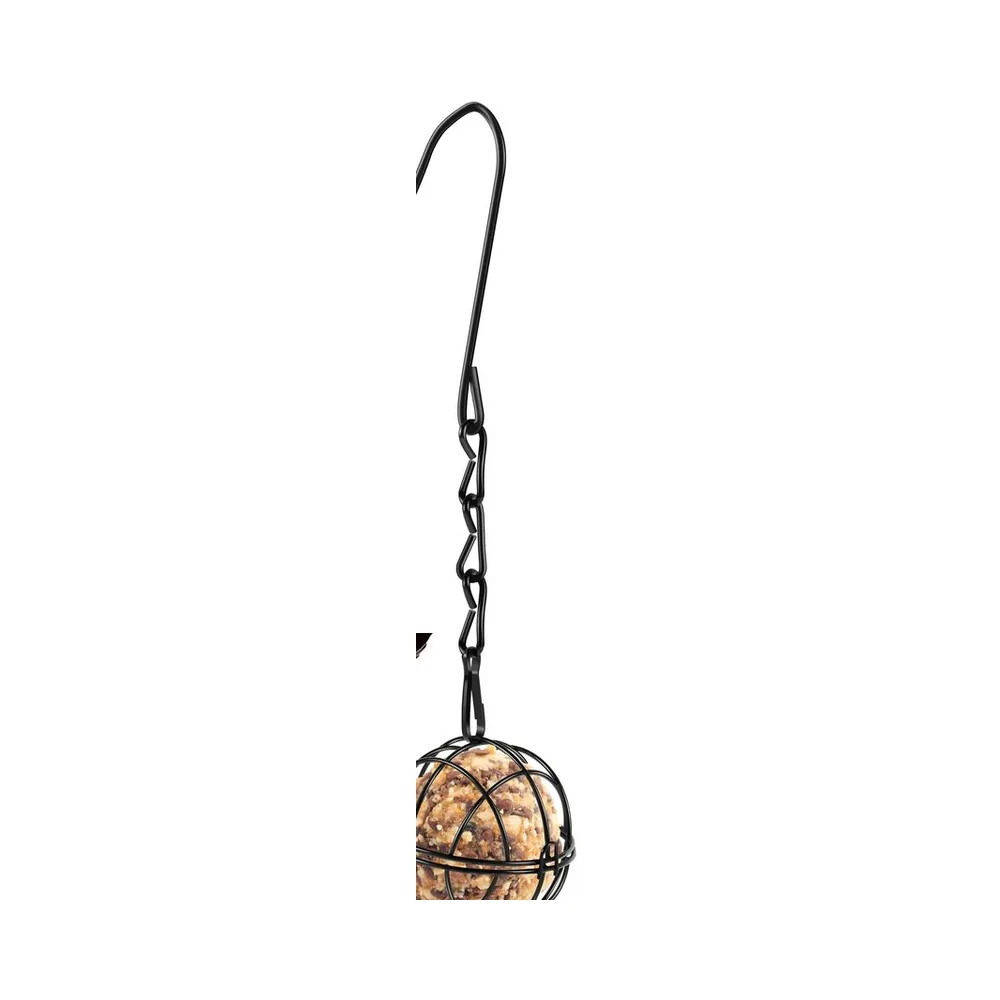
 Hanging Metal Fat Ball Feeders (Set of Four)
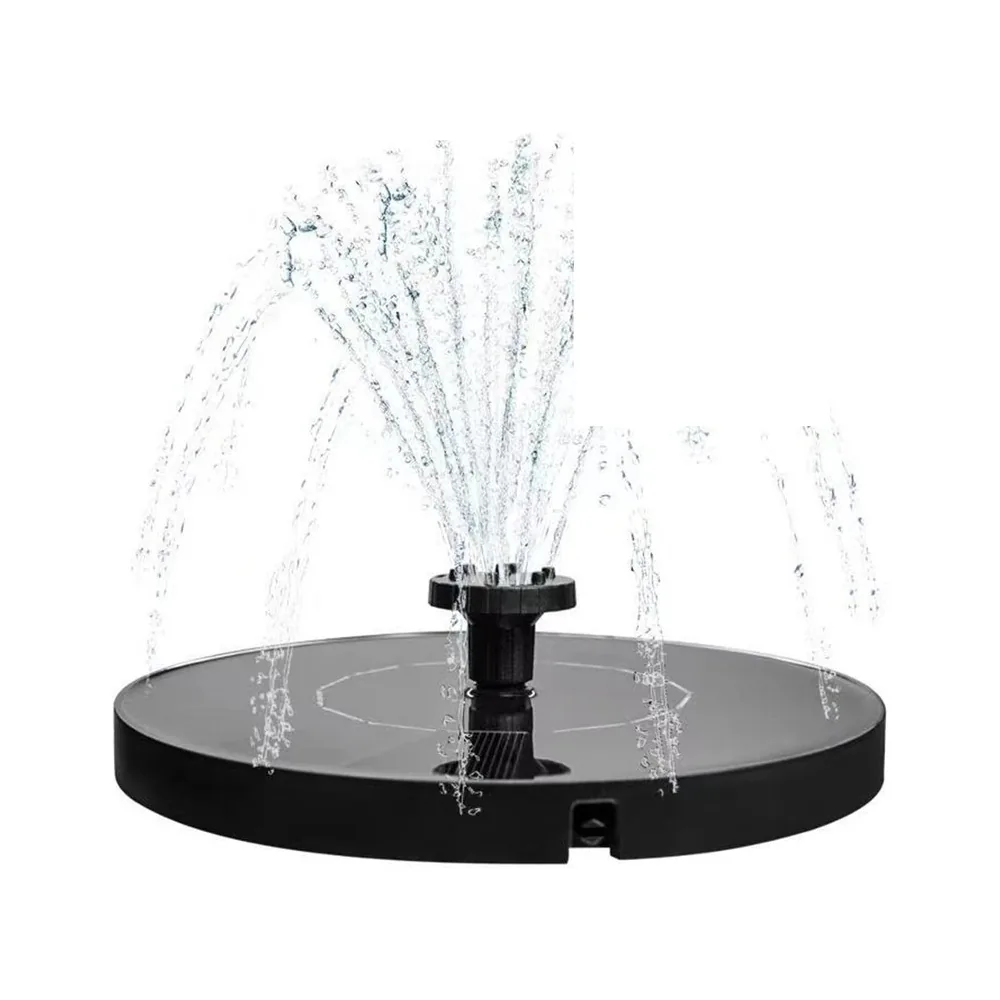 Solar Fountain for Your Bird Bath
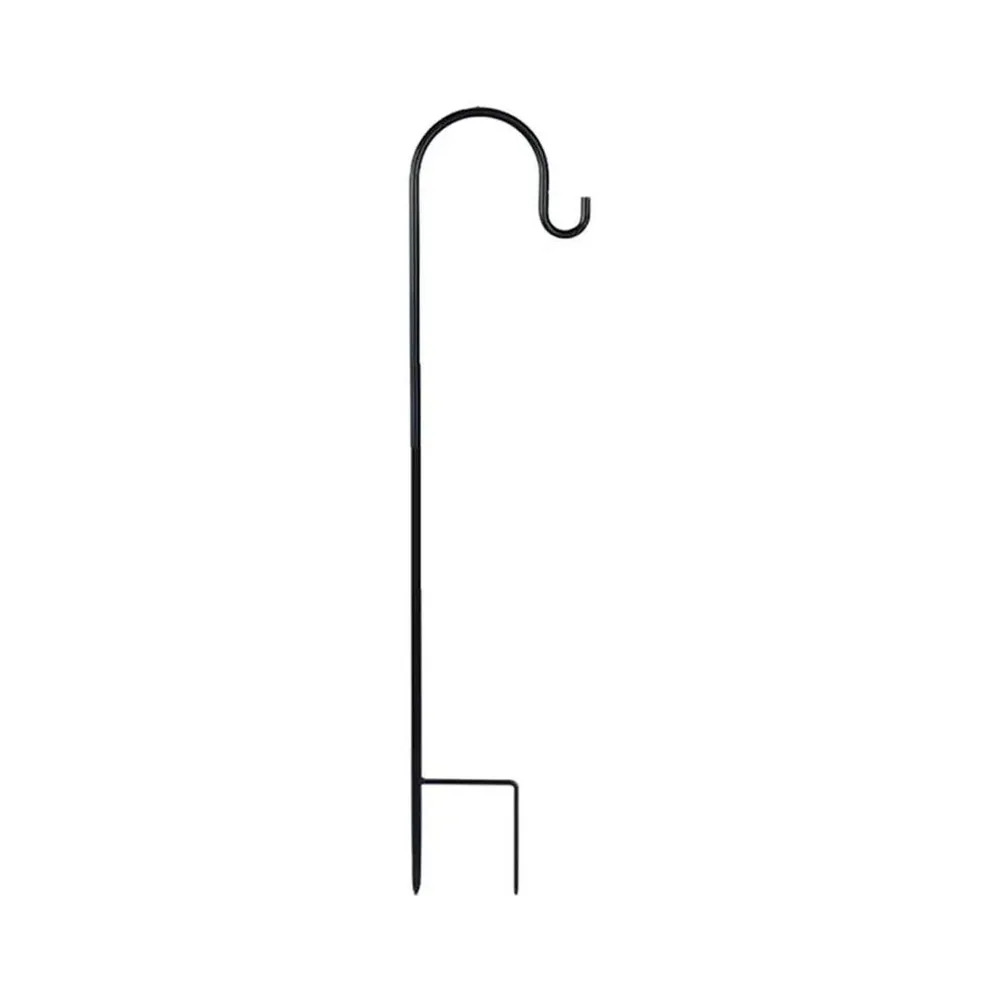 Shepherd Hook Feeder Pole
Quick answer: To attract UK garden birds, offer the right food in the right feeder, add fresh water, and give cover within a couple of metres so birds feel safe. Sunflower hearts draw tits, finches and sparrows fast, mealworms win over robins, and patience does the rest: most gardens see visitors within two weeks.
A feeder that has hung empty of visitors for weeks is a quietly disheartening thing, and it is the question I am asked more than any other: how to attract UK garden birds to a garden that seems to have none. The answer is rarely one clever trick. It is the right food, in the right place, offered with patience, in a garden that feels safe. After forty years of watching who comes and who stays, I can tell you the birds are out there. Your job is to give them a reason to trust your patch. I am Malcolm, and this is how I have coaxed everything from robins to long-tailed tits into my Dales garden.
Attracting birds is really about meeting three needs at once: food, water and safety. Sort those and the visitors arrive. Let me take you through the birds you can realistically expect, and how to win each one over.
Robins: Mealworms and a Low Perch
The robin is the gardener's shadow, bold and curious. To draw one in, offer mealworms, its favourite by a mile, from a shallow dish or a dedicated feeder for robins. Robins prefer to feed low and near cover, so a ground feeder or a table suits them better than a swinging tube. Once a robin decides your garden is home, it may follow you round the borders waiting for you to turn the soil.
Blue Tits and Great Tits: The Reliable Crowd
Tits are the easiest birds to attract and often the first to find a new feeder. They love sunflower hearts, peanuts and suet, and will happily cling to a hanging seed feeder or peck at a suet block. Put out those three foods and you will rarely be without them. Great tits are the bolder, larger cousin; blue tits the acrobatic little ones that hang upside down.
Goldfinches: The Nyjer Trick
For years I longed for goldfinches and never saw one, until I hung a nyjer feeder. Within a fortnight a charm of them arrived, and they have never left. Goldfinches adore the tiny nyjer seed and sunflower hearts, so a fine-ported nyjer seed feeder is the one thing that finally brings them in. Greenfinches and chaffinches will join the same feeders.
House Sparrows: Feed the Flock
Sparrows arrive mob-handed and love a good squabble, so they want space and quantity rather than a single dainty port. A generous seed feeder or a table with a decent seed mix keeps a whole colony happy. Their cheerful chatter is one of the great sounds of a British garden, and sadly a rarer one than it used to be, so feeding them is a genuine kindness.
Blackbirds, Dunnocks and Wrens: The Ground Dwellers
Not every bird will use a hanging feeder, and the shy ground-feeders are some of the loveliest. Blackbirds turn over leaf litter for mealworms and fruit; dunnocks creep quietly beneath the feeder for spilled seed; wrens flit through low cover hunting tiny morsels. Offer them a ground feeder near a shrub, or scatter a little food beneath your hanging feeder, and keep cover close by so they feel safe.
Long-Tailed Tits: A Winter Treat
Few sights beat a flock of long-tailed tits, all tails and fluff, descending on a suet feeder in midwinter. They travel in family parties and love fat and suet, so a well-stocked fat ball and suet feeder is your best chance of them. They rarely stay long, but when they come the whole garden seems to light up.
Each bird, and the shortest route to winning it over.
| Bird | Food they love | Feeder to use | One extra tip |
|---|---|---|---|
| Robin | Mealworms | Dish or low tray | Feed at the same time each day |
| Blue tit and great tit | Sunflower hearts, peanuts | Tube or mesh feeder | Hang near a shrub for cover |
| Goldfinch | Nyjer seed | Fine-port nyjer feeder | Allow a quiet fortnight to be found |
| House sparrow | Seed mixes, sunflower hearts | Multi-port feeder or table | Leave room for the whole flock |
| Blackbird and dunnock | Seed mix, soft fruit | Ground tray | Leave some leaf litter for foraging |
| Long-tailed tit | Fat balls, suet | Suet cage feeder | Watch for whole family flocks in winter |
How to Attract UK Garden Birds Beyond the Feeder
Food alone is only part of it. To truly draw birds in, think of the garden as a home.
- Water. A shallow bath draws in as many birds as food does; see our bird baths.
- Cover. Shrubs and hedges give birds somewhere to retreat and nest.
- Safety. Site feeders a few metres from cover, away from spots where cats can ambush.
- Patience. A new feeder can take a fortnight to be found, so do not give up.
The RSPB's Big Garden Birdwatch, which I have taken part in for years, is a lovely way to learn who visits your patch and to contribute to real science RSPB, Big Garden Birdwatch. For deeper detail on species and their fortunes, the British Trust for Ornithology's Garden BirdWatch is the gold standard BTO, Garden BirdWatch.
Why Aren't Birds Coming?
If your feeder stays quiet, the usual culprits are simple: it is too new, too exposed, or the food has spoiled. Give it time, move it nearer cover, and check the seed is fresh and dry. Nine times out of ten, one of those three fixes it.
Bringing It Together
Learning to attract garden birds comes down to offering the right food for each species, water to drink and bathe in, cover for safety, and the patience to let word spread. Start with sunflower hearts and mealworms, add nyjer for finches and suet for winter, and keep everything clean and safe.
To pick the right food for each bird, my Bird Food and Feeders guide goes into detail, and to keep the visitors coming through every season, the Year-Round UK Bird Feeding guide is the one to read next.
Frequently Asked Questions
How long does it take for birds to find a new feeder? Usually one to two weeks, sometimes longer. Birds are cautious of anything new. Keep the feeder stocked with fresh food, site it near cover, and be patient. Once one or two birds find it, others follow quickly.
How do I attract robins to my garden? Offer mealworms, a robin's favourite food, from a shallow dish or ground feeder near cover. Robins prefer to feed low rather than on a swinging hanging feeder, and once they trust your garden they often become tame regulars.
What is the best food to attract the most birds? Sunflower hearts attract the widest range, including tits, finches and sparrows. Add nyjer seed for goldfinches, mealworms for robins and blackbirds, and suet for winter visitors like long-tailed tits, and you will cover most British garden birds.
About the author Malcolm Reid - Fifty gardens' worth of feathered wisdom Malcolm is a retired grounds manager from the Yorkshire Dales who has kept garden feeders for over forty years and volunteers with his local wildlife trust. He's a lifelong participant in the RSPB Big Garden Birdwatch and keeps meticulous notes on his visitors. His shed is more field station than storage. Writing for British Bird Feeders.