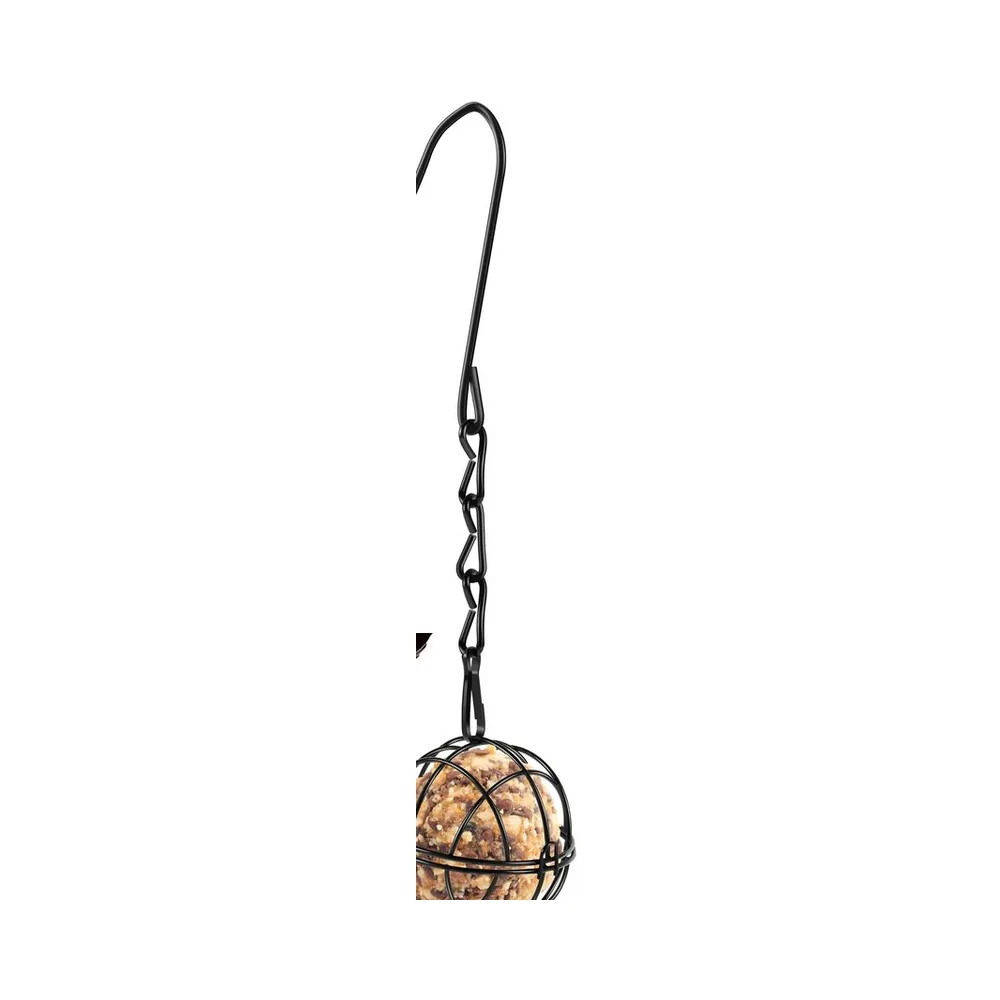
 Hanging Metal Fat Ball Feeders (Set of Four)
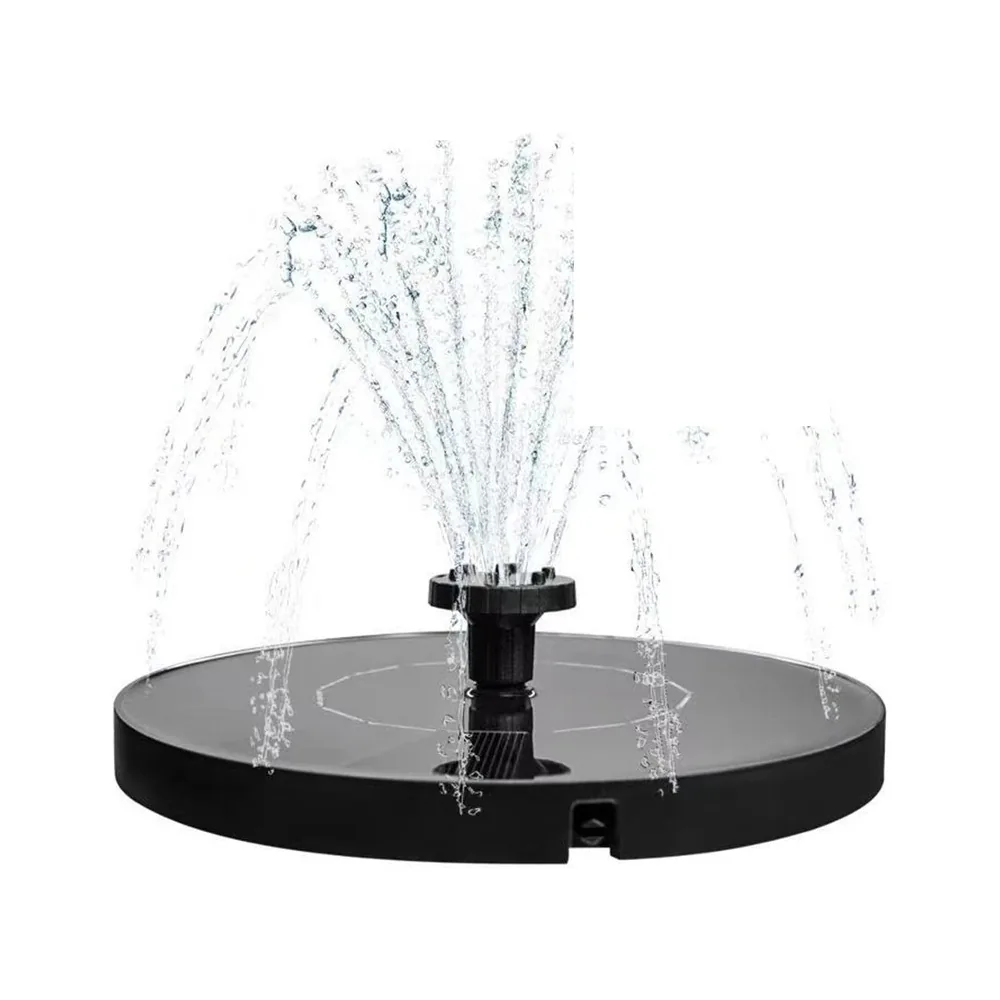 Solar Fountain for Your Bird Bath
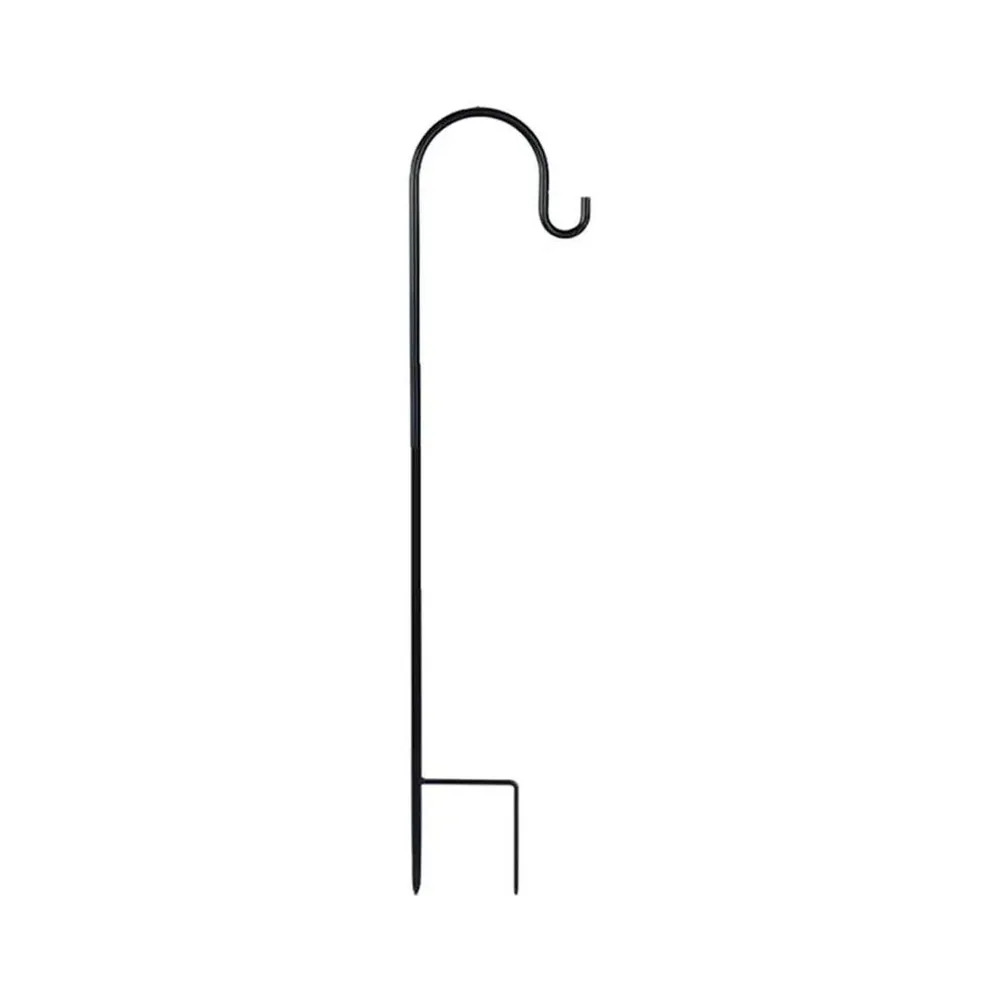 Shepherd Hook Feeder Pole
Quick answer: The best bird feeder for a UK beginner in 2026 is a metal, easy-clean hanging seed feeder filled with sunflower hearts, hung about head height near a shrub. It suits tits, finches and sparrows, survives British weather, and once it is busy you can add peanut, suet or nyjer feeders.
The first morning a blue tit lands on a feeder you hung yourself, you get it. That flick of blue and yellow, thirty seconds of pure focus on the mesh, then gone. Choosing the best bird feeders UK gardens actually use is not complicated, and you need zero experience to get it right. I came to this through weekend upcycling builds, and here is the thing nobody tells you: your first feeder matters far less than where you hang it and what you put in it. Get those two right and the birds turn up within a week.
Start with one good all-rounder
Buy one thing and make it a hanging seed feeder. Fill it with sunflower hearts.
No husks, no mess, and nearly every UK garden bird eats them. Blue tits, great tits, goldfinches, greenfinches, chaffinches and house sparrows all pile in, while robins and dunnocks tidy up the spills below. That single feeder is the fastest route to a busy garden. Once the regulars settle, you add more.
Browse the full bird feeders range to see the styles, or start with a proven hanging seed and peanut feeder if you want two feeds in one.
The main feeder types, in plain terms
Here is the whole cast, and who each one brings to the garden.
- Seed feeders are the workhorse. Sunflower hearts pull the widest crowd of any feeder going.
- Peanut feeders hold whole nuts behind steel mesh, so the tit family peck off safe pieces.
- Fat ball and suet feeders are winter fuel, emptied fast in a cold snap.
- Nyjer feeders do one job brilliantly: they bring goldfinches.
- Window feeders stick to the glass and put birds at arm's length, ideal for flats.
- Ground feeders and tables serve robins and blackbirds that will not cling to a tube.
You do not need all of them on day one. Two feeders with different food is a brilliant start.
Do not skip the squirrel question
Now the honest bit. If you have grey squirrels, an open feeder becomes their personal buffet and your seed bill quietly doubles. The fix is cheap and permanent: a squirrel-proof feeder with weight-activated ports or a steel cage, hung at least two metres from any fence or branch.
The RSPB recommends siting feeders in the open with a shrub a couple of metres off for cover, which happens to be exactly where a squirrel struggles to reach. One good feeder plus sensible placement, and the raiding stops.
What makes a feeder worth the money
A cheap feeder that cracks in the frost or traps stale seed costs you more in the end. Look for four things.
- Easy cleaning. It twists apart for a proper wash. A clean feeder is a safe feeder.
- A rain guard. Keeps seed dry so it does not clump and go to waste.
- Solid build. Powder-coated steel over thin, brittle plastic every time.
- Sensible capacity. Big enough to skip daily refills, small enough that the seed stays fresh.
Feeding does real good, too. Long-running data from the BTO Garden BirdWatch shows how decades of garden feeding helped the goldfinch become a common sight at feeders across the country.
My simple first setup
Weekend one: hang a seed feeder of sunflower hearts where you can see it from the kettle. Weekend two: add a peanut feeder or a fat ball rack. Weekend three: set a small water dish nearby. That is the whole plan. You now have a garden that fills up on its own, and you have spent very little to get there.
For a slot-by-slot walk through every feeder type, our complete bird feeder buyer's guide takes it further without the jargon.
Frequently asked questions
What is the best bird feeder to start with? A hanging seed feeder filled with sunflower hearts. Almost every UK garden bird eats them, so it is the fastest way to see visitors. Add a peanut or fat ball feeder once the first regulars arrive.
How long before birds find a new feeder? Usually a few days to two weeks. Birds find food by sight, so hang it somewhere open with a shrub a couple of metres away for cover. Once one bird feeds, the others follow quickly.
Do I really need a squirrel-proof feeder? Only if you have squirrels, but most UK gardens do. A weight-activated or caged feeder, hung well clear of launch points, saves you a fortune in seed and keeps the food for the birds.
About the author Josh Ferns — Make it, hang it, watch them come Josh is a Bristol maker and content creator in his late twenties who got into wildlife gardening through upcycling weekend builds. He runs a small YouTube channel of DIY feeder projects and loves getting families and kids involved. His workbench is a permanent mess of offcuts and half-finished ideas. Writing for British Bird Feeders.