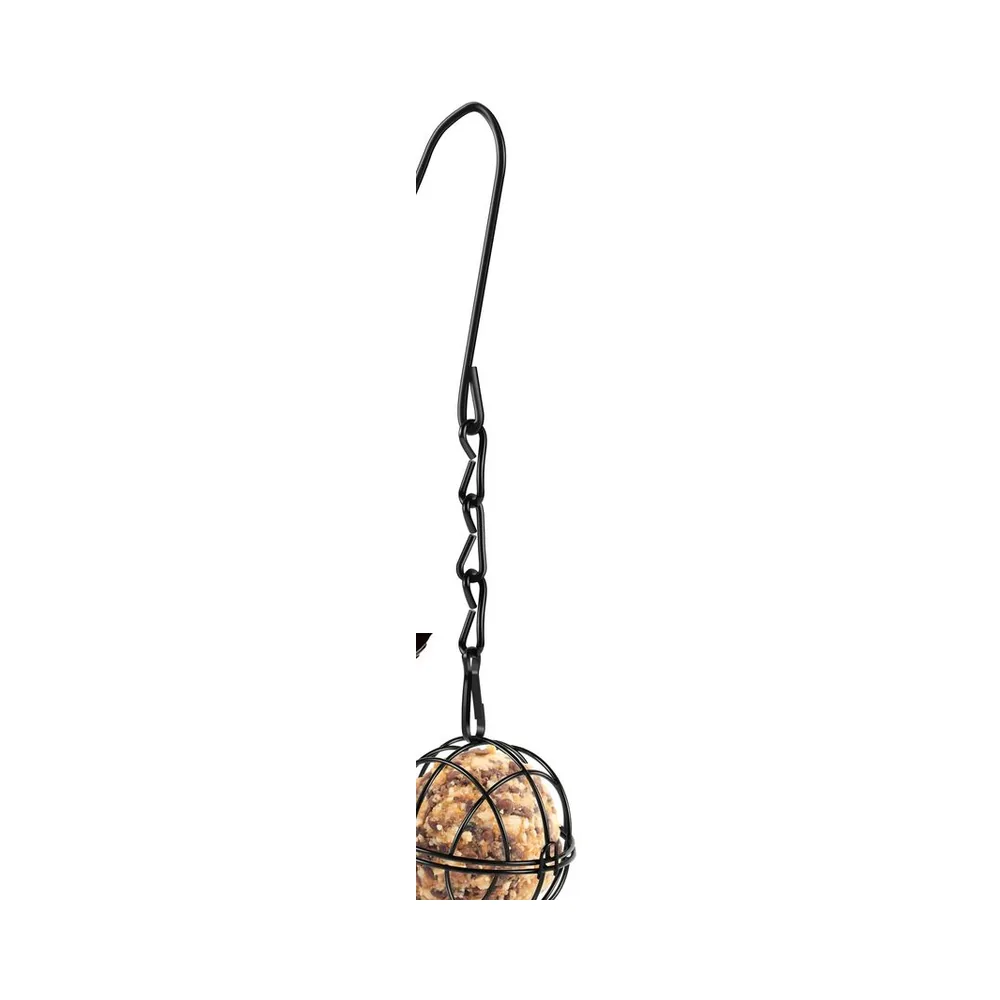
 Hanging Metal Fat Ball Feeders (Set of Four)
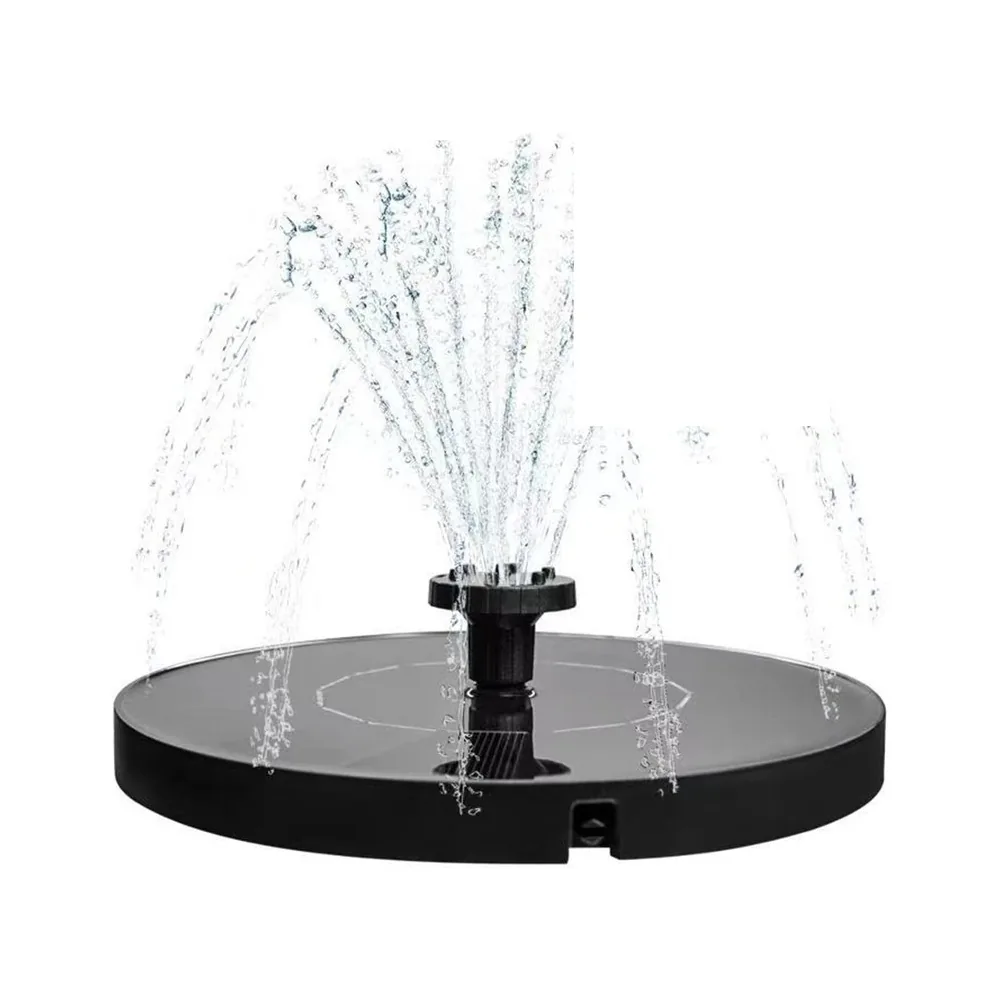 Solar Fountain for Your Bird Bath
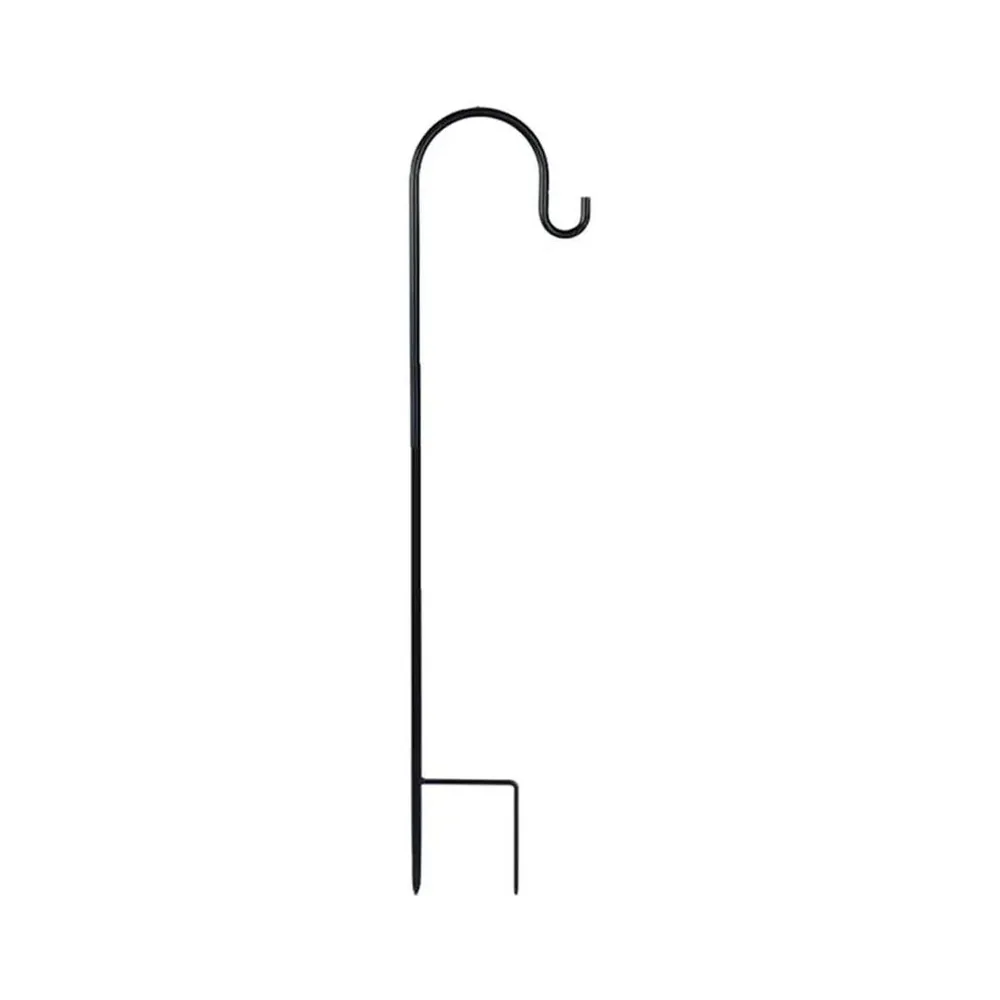 Shepherd Hook Feeder Pole
Cleaning is the least interesting part of feeding birds and by some distance the most important. A dirty feeder spreads disease through exactly the population you are trying to help.
So the most useful thing a feeder can be is easy to clean, and that is decided at the point of purchase rather than afterwards.
The one question
Does it come apart, without tools, into pieces you can get a brush into?
Pick it up in the shop and try. Lid off, base off, perches out, tube empty. If any part of that requires a screwdriver or a fight, you will not do it every fortnight in February, and neither would I.
A feeder that does not dismantle is a feeder that never really gets clean.
What to look for
- A removable base. This is where damp seed, husk dust and droppings collect. A fixed base is the single worst design feature there is.
- No sealed cavities. Double-skinned plastic and hollow perches trap water you cannot reach or dry.
- Wide enough to get a brush in. A narrow tube you can only reach with a bottle brush is a chore.
- Metal over plastic. Metal takes boiling water and hard scrubbing indefinitely. Plastic scratches, and scratches hold bacteria. Ours are here: metal feeders.
- Drainage. Any tray or base needs holes, or it becomes a stagnant dish.
What "no-mess" actually means
Worth clearing up, because the label is used two different ways.
On a seed bag, "no-mess" means husk-free — usually sunflower hearts with peanut granules and suet pellets. That is genuine and it works, because there are no shells to drop.
On a feeder, it usually means a tray is included, or the ports have a lip. Also useful, but far less transformative than changing the seed.
If you buy one thing for tidiness, buy husk-free seed — see hearts vs seeds. If you buy two, add a catcher tray.
The rotation trick
The thing that made the biggest difference in my garden was owning two feeders instead of one.
One is out, one is clean and dry in the shed. On cleaning day they swap. There is never a gap where the birds have nothing because something is drying, and there is never an excuse to put a damp feeder back into service.
It costs one extra feeder and it removes the main reason people skip cleaning.
How to actually clean one
- Take it fully apart.
- Tip old seed away from the feeding area — not underneath it.
- Hot soapy water and a stiff brush, into every corner and both ends of the tube.
- Rinse thoroughly. Detergent residue is not good for feathers.
- Dry completely before refilling. This is the step that matters most.
Every fortnight in normal weather, weekly in mild damp spells when things spoil fastest.
Wear gloves, wash your hands, and use a brush kept for the job rather than the washing-up one.
Designs that are quietly awful
A few things I would avoid on sight.
Sealed decorative housings. Anything where the seed chamber sits inside an ornamental shell you cannot separate. Water gets in and never leaves.
Fabric or wicker. Charming, impossible to disinfect, and it holds damp permanently.
Fixed perch rings riveted to the tube. The join collects residue and you cannot get a brush behind it.
Tiny nyjer feeders with a screw-on base. The thread packs with fine seed dust and becomes impossible to open cleanly after a season.
What about dishwashers?
Metal feeders generally survive a dishwasher on a normal cycle, which is convenient.
Plastic often warps, and either way the residue is best loosened with a brush first. I would not run one alongside the family plates, for reasons that do not need spelling out.
The easiest feeder to keep clean
If I am honest, it is a window feeder with a removable tray.
The tray lifts out, gets rinsed at the sink, and goes back. No ladder, no cold hands, no walk down the garden in the rain — which means it actually gets done.
For everything else, our no-mess and easy-clean range is the place to start, and there is more on tidiness generally in how to stop feeders making a mess.
The rest of this series is at buyer's guides.
Drying, which is the step people skip
Washing gets all the attention and drying is where the routine usually breaks down. A feeder rinsed and refilled while still damp is worse than one left a few days longer between cleans.
Damp is what turns fresh seed into a caked plug in the base, and it is the condition mould needs. Filling a wet tube undoes the entire wash.
Leave it somewhere airy for a few hours, or overnight if it is cold. This is another argument for owning two feeders rather than one: while the washed one dries properly, the spare is out doing the job, so the birds see no interruption and you are never tempted to refill something still wet. It costs the price of a second feeder and it removes the main practical excuse for skipping the fortnightly clean.