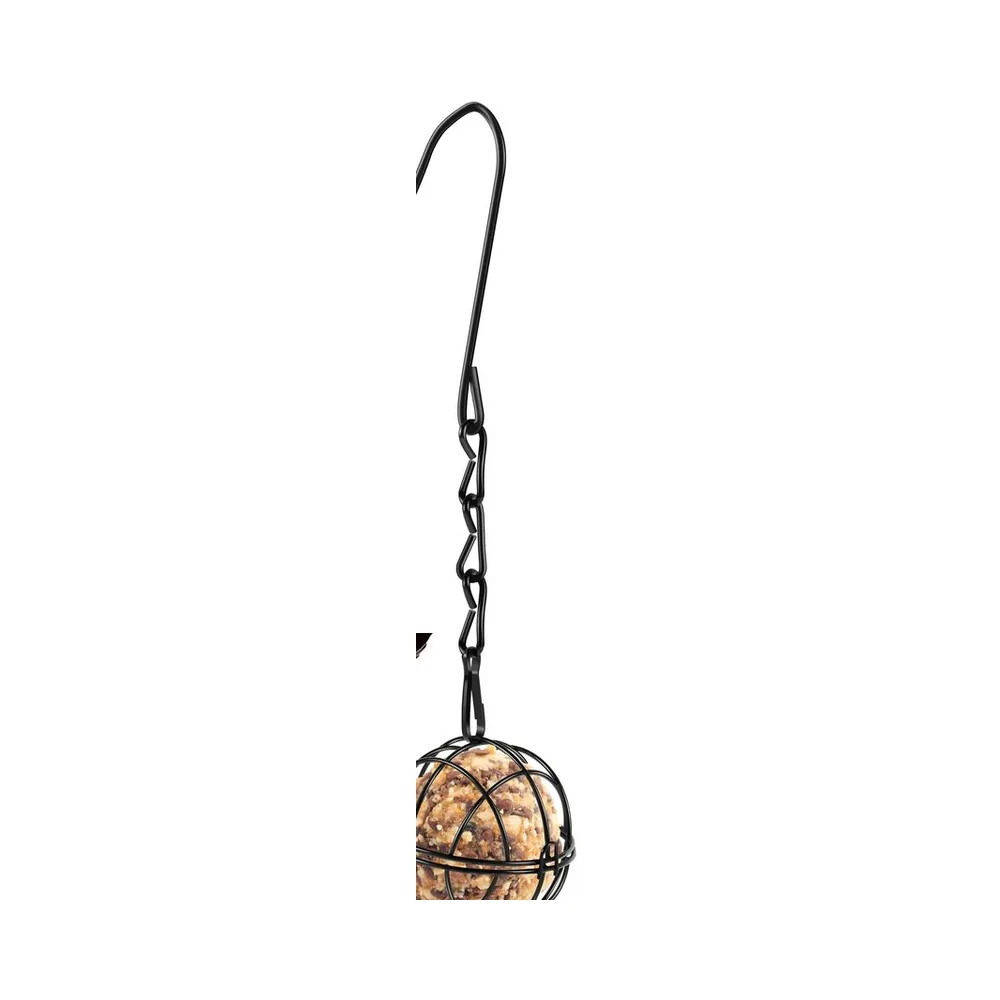
 Hanging Metal Fat Ball Feeders (Set of Four)
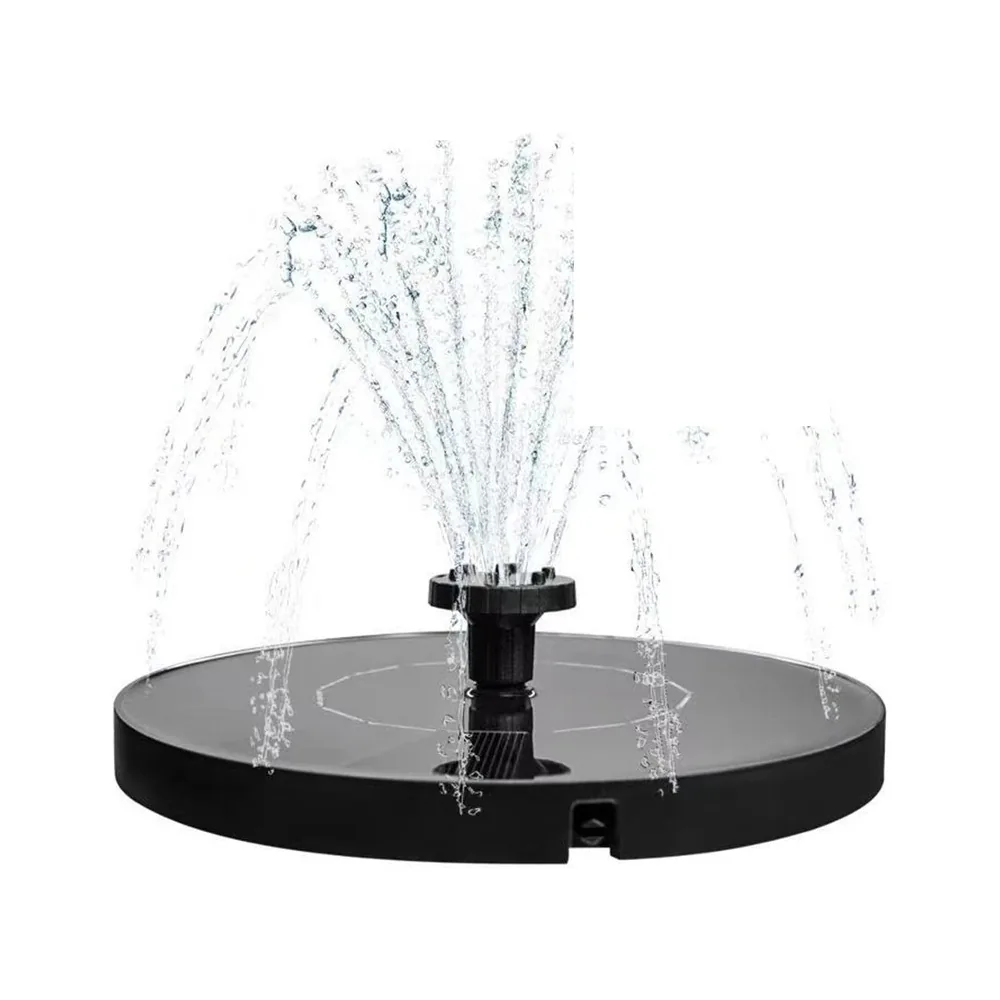 Solar Fountain for Your Bird Bath
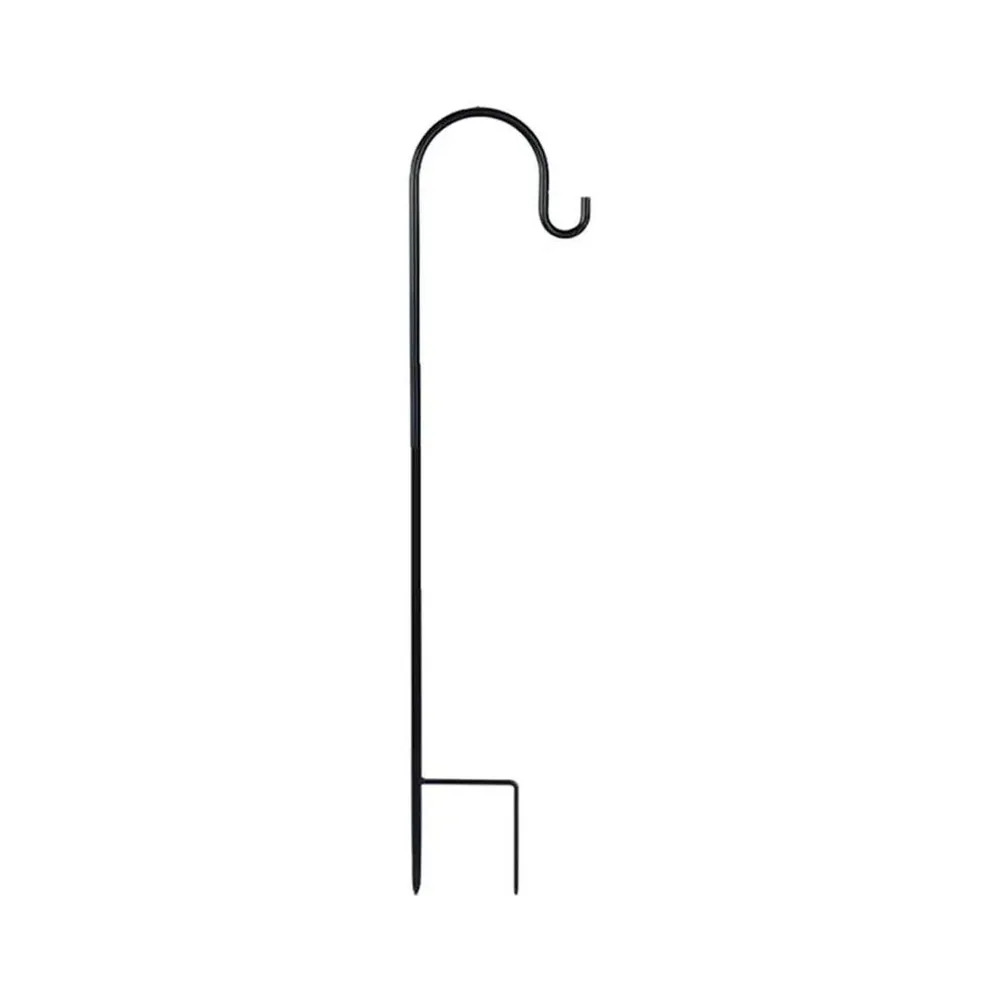 Shepherd Hook Feeder Pole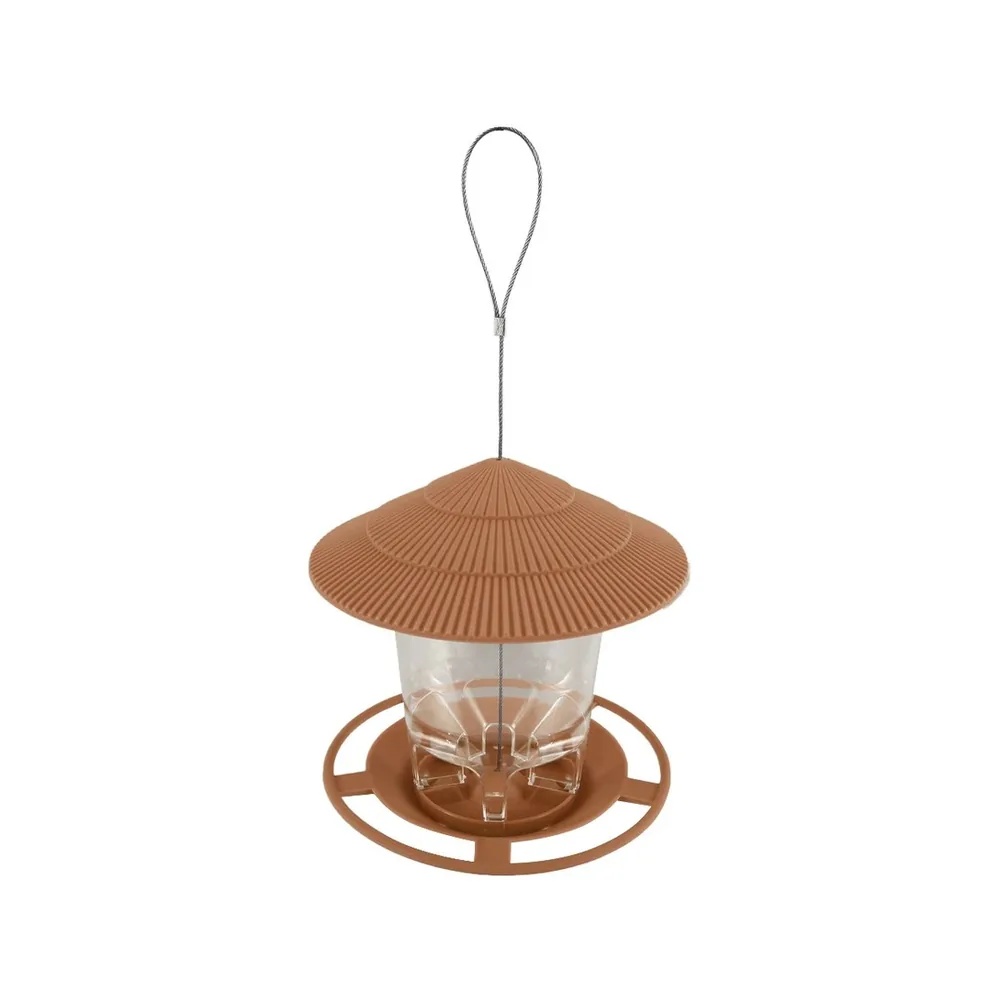
Ceramic Feeders
Fired clay holds its colour outdoors and gives a feeder some weight, so it swings less in wind. A quieter-looking feeder for a garden you actually sit in.
1 item
No matches
Nothing in this range fits every filter at once. Clear one and try again.
What are the advantages of a ceramic bird feeder?
Weight and colour. Fired clay does not fade the way plastic does and gives a feeder enough mass to sit steady in wind rather than swinging and spilling. British Bird Feeders stocks terracotta-roofed hanging feeders for gardens where the feeder is part of the view.
- Fired clay holds its colour outdoors; plastic chalks and fades.
- The extra weight means less swinging and less spilled seed in wind.
- A glazed surface wipes clean easily and does not hold smells.
- Unglazed terracotta can crack if water freezes inside it.
- Bring a ceramic feeder in, or keep it dry, during a hard frost.
Common questions
Questions about ceramic feeders
Glazed and fired ceramic is generally fine; unglazed terracotta is the one to watch, because it absorbs water that then expands as it freezes. Empty and dry it before a hard frost, or move it under shelter for the coldest spells. Any crack that appears should be retired from use.
Heavier than plastic, which is largely the point — they swing far less in wind. Hang one from a sound branch, a proper wall bracket or a shepherd hook rated for the weight, and keep the drop short. Check the hook and cord each spring, since that is where the load sits.
A glazed surface wipes clean with hot soapy water and a cloth or soft brush, then rinse and dry. Avoid abrasive scourers, which scratch the glaze and give bacteria somewhere to sit. Unglazed terracotta needs longer to dry, so allow a full day before you refill it.