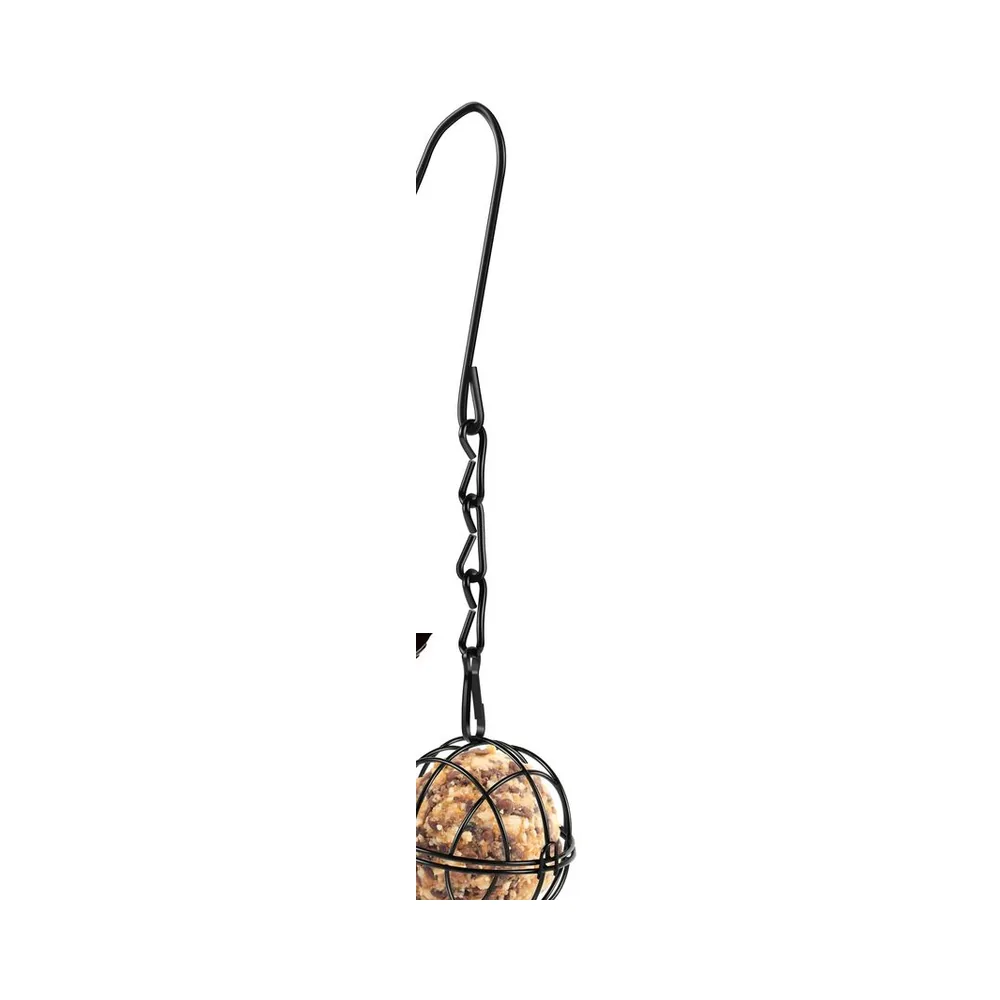
 Hanging Metal Fat Ball Feeders (Set of Four)
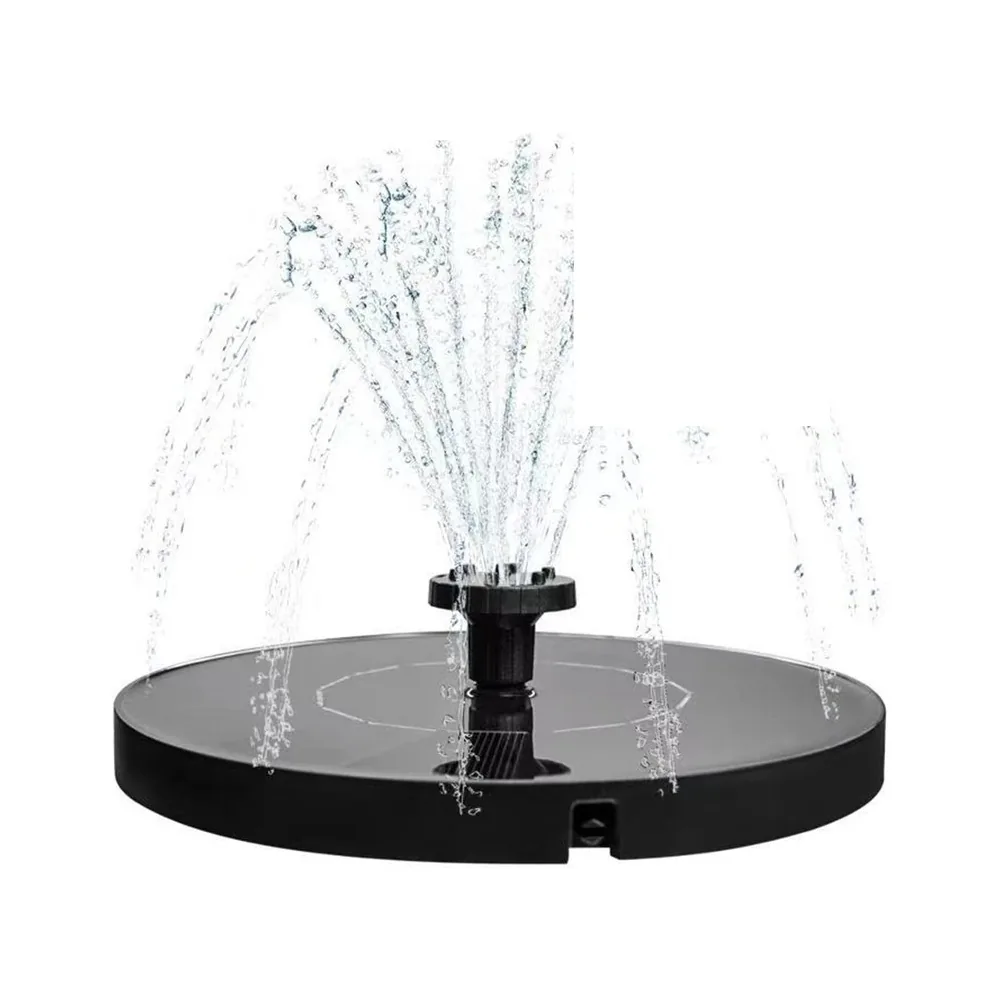 Solar Fountain for Your Bird Bath
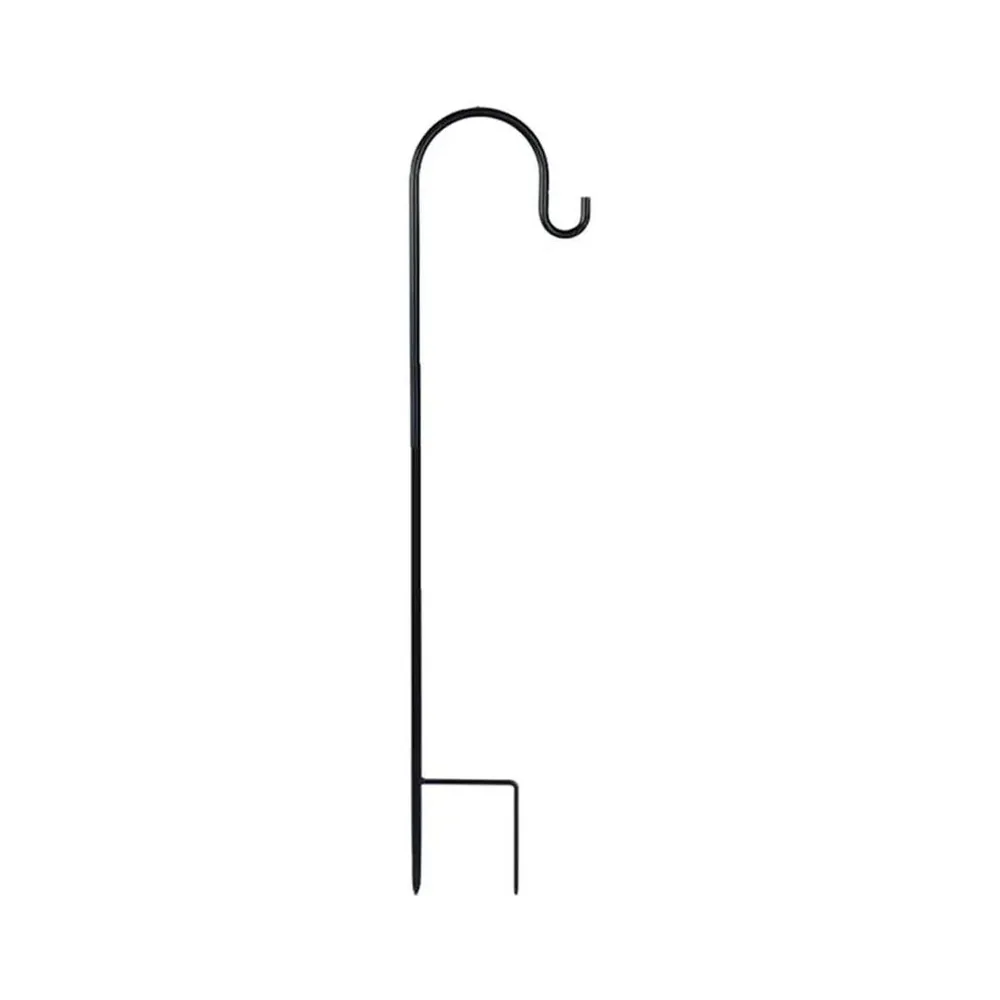 Shepherd Hook Feeder Pole
Most British winters are mild and wet, and feeding through them is a pleasant routine rather than an urgent one.
Then you get four or five days of proper frost, and it changes. A hard snap does more damage to small bird populations than the whole of an ordinary winter, and what you do in those few days genuinely counts.
Why a cold snap is so dangerous
Three things happen at once.
Energy demand rises. A small bird burns far more just staying warm. A blue tit weighing eleven grams can lose a tenth of its body weight in one cold night.
Food supply vanishes. Frozen ground is impenetrable — blackbirds, thrushes, robins and dunnocks cannot reach worms or insects at all. Berries get stripped in days.
Water disappears. Everything freezes. Birds cannot eat snow to hydrate; melting it costs body heat they cannot spare.
Feeding takes care of the first. The other two need thinking about.
Feed twice, and get the timing right
Morning, as early as you can manage, because birds arrive at first light having burned through everything overnight.
Then again about an hour before dusk. That is the critical one. Whatever a bird eats before dark is what carries it through a fourteen-hour night, and a feeder that ran empty at two o'clock has failed at the worst possible moment.
Put out more than usual and accept that it will go.
What to put out
Fat, in every form you can manage.
- Fat balls and suet blocks — most energy per mouthful. Net removed, in a steel cage feeder. See the fat ball guide.
- Peanuts in a mesh feeder.
- Sunflower hearts — high oil and no work to open, which matters when a bird is short of energy.
- Suet pellets and soaked mealworms at ground level for the birds that cannot cling.
Do not forget the ground
This is the part people miss, and it is where the losses are heaviest.
Blackbirds, song thrushes, robins, dunnocks and wrens feed on or near the ground. When it freezes solid their entire food supply disappears in a night, and a hanging feeder is no use to any of them.
Scatter suet pellets, sultanas, chopped apple and soaked mealworms on a swept patch or a tray, in the open where nothing can creep up. Put out only what will be gone by dusk.
In deep snow, clear a patch down to bare ground. It is a small thing and it is used within minutes.
Water is the harder job
Tip the ice out each morning and refill with cool water. That is it — ten seconds, and it may be the most useful thing you do all day.
Move the bath to the sunniest spot for the winter; a couple of hours of low sun genuinely delays freezing. Floating a small ball on the surface helps, because the movement slows ice forming.
Never add salt, glycerine or antifreeze. All are harmful, and antifreeze is lethal. Never pour boiling water into a cold ceramic bowl either — it cracks.
More in why water matters as much as food.
Shelter is free and it matters
Roosting well is half of surviving a cold night.
Leave the ivy. Leave the dense hedge unclipped. Leave the log pile and the leaf litter under the shrubs. If you have nest boxes up, leave them — blue tits and great tits roost in them, and wrens will pack a dozen or more into a single box on a bitter night.
Resist the urge to tidy in a cold spell. There is more on this in getting the garden ready for winter.
What you might see
Hard weather brings birds into gardens that are not normally there. Fieldfares and redwings stripping any berries left, blackcaps on the fat, sometimes a woodcock or a snipe in a really severe spell.
You will also see more squabbling, because the stakes are higher. Two feeders a few metres apart reduces it and lets the smaller birds get a turn.
Keep going afterwards
The days immediately after a thaw are still hard. Birds have run their reserves down and the natural food has not recovered.
Keep the extra feeding going for a week or so afterwards rather than stopping the moment it turns mild. There is more on the seasonal shape of it in feeding garden birds in winter and the year-round guide.
The rest of this series is at seasonal feeding.
Roosting, and how to help with it
Feeding gets the attention and surviving the night is the harder half of the problem. A small bird in a hard frost loses a large fraction of its body weight between dusk and dawn, and where it spends those hours matters enormously.
Dense evergreen cover is the main thing: ivy on a wall or fence, a thick hedge, a conifer, a climbing rose gone slightly wild. That is worth more in January than anything you can hang up, and it costs nothing to leave in place.
Nest boxes are used as roost sites through winter, so leave them up rather than taking them down after the breeding season — wrens in particular will pack into one, sometimes in remarkable numbers. A roosting pocket is the same idea in cheaper form.
And do not tidy in a cold spell. The log pile, the leaf litter and the seed heads still standing in the border are all shelter and food at the moment they are hardest to replace.