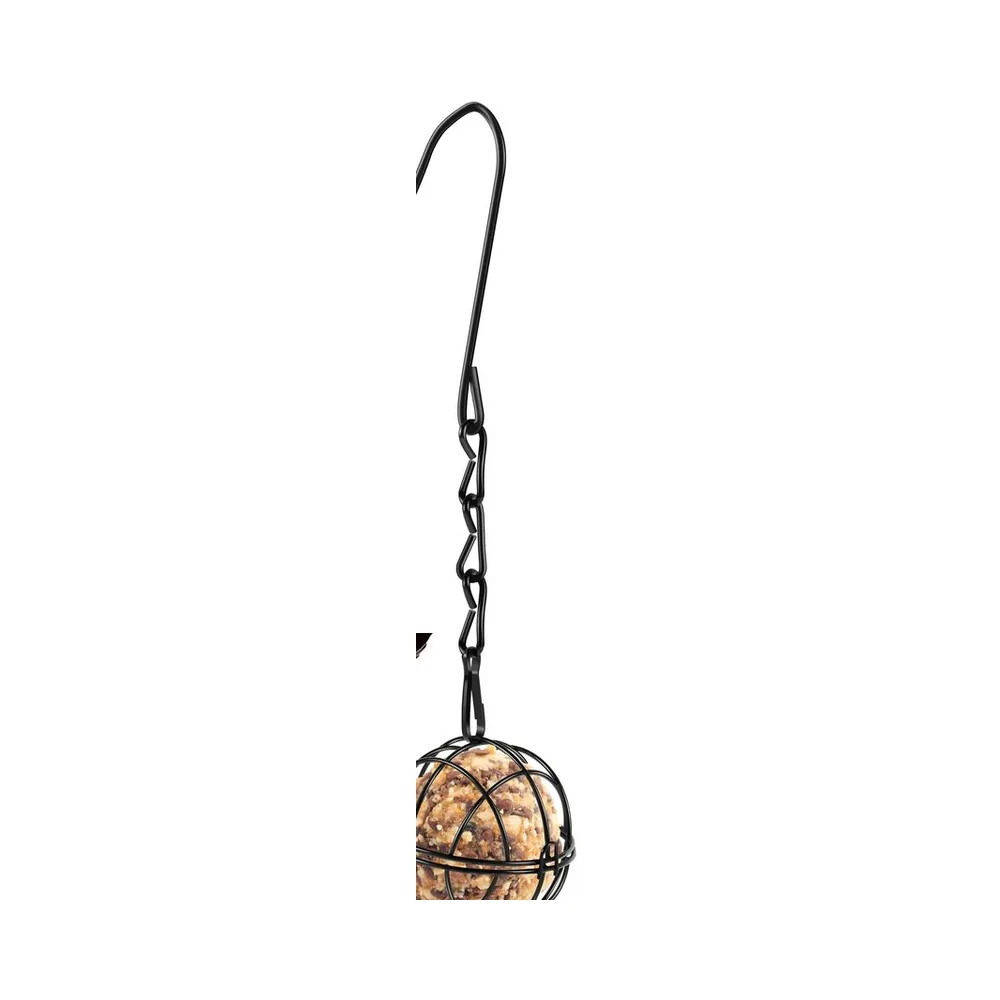
 Hanging Metal Fat Ball Feeders (Set of Four)
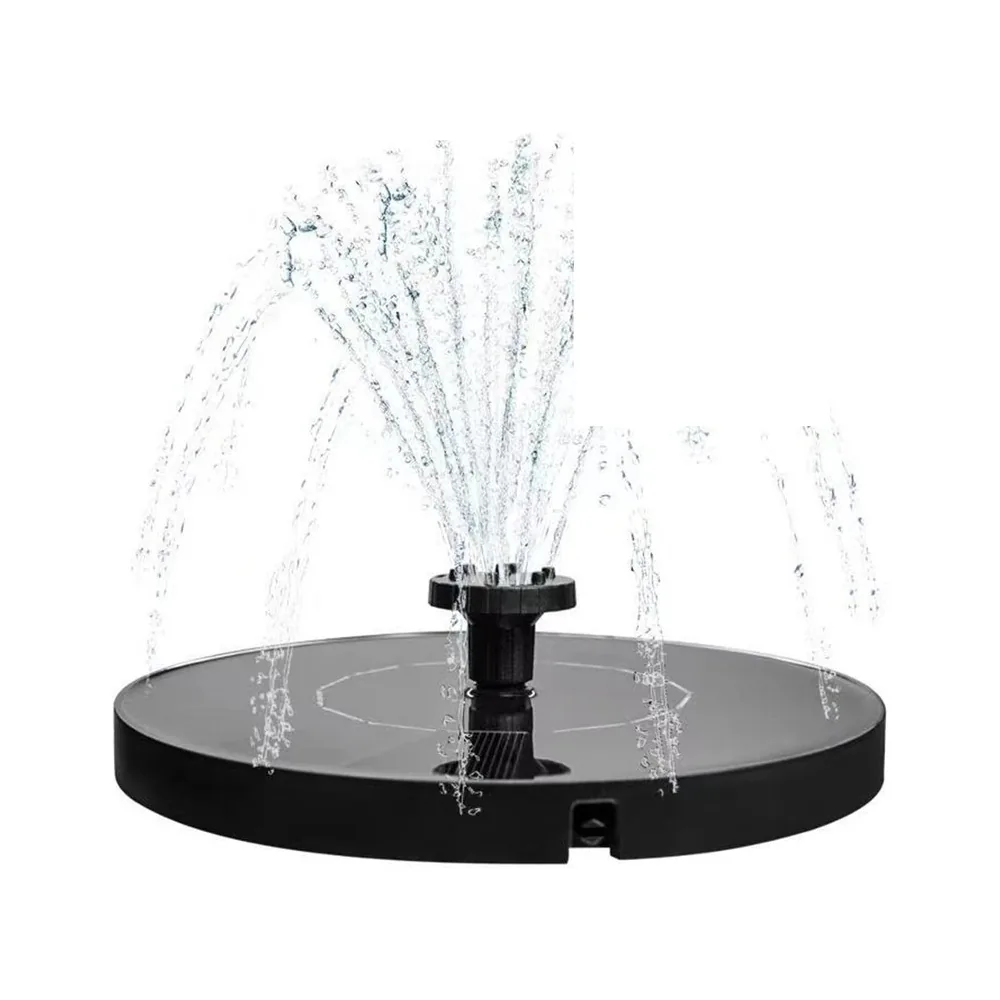 Solar Fountain for Your Bird Bath
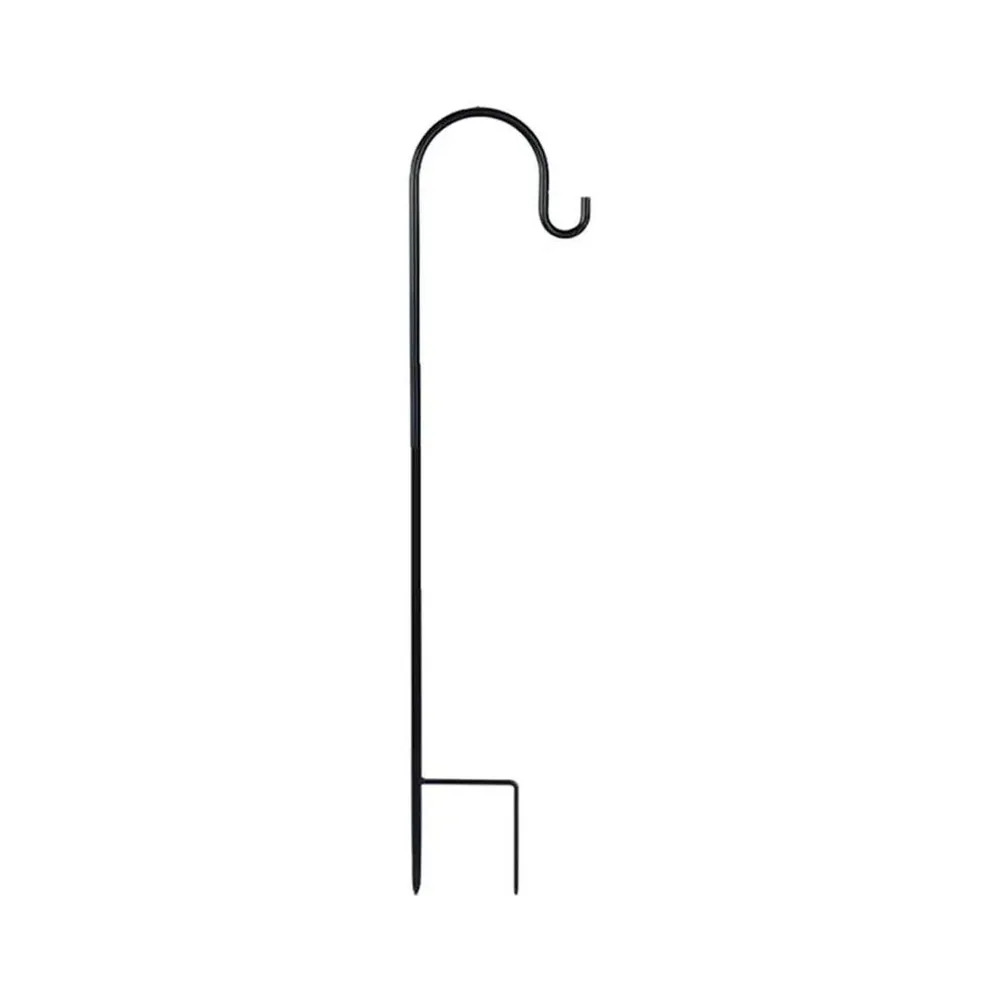 Shepherd Hook Feeder Pole
If you have never fed birds before and you want a quick result, this is the pair to aim at.
Blue tits and great tits are curious, bold for their size, and will investigate anything new within a few days. In forty years I have never hung a feeder that they did not find.
Telling them apart
Worth knowing, because people often assume they have one species when they have two.
The blue tit is smaller, with a blue cap, white cheeks and a thin dark line through the eye. Everything about it looks slightly frantic.
The great tit is noticeably bigger, with a glossy black head, white cheeks and a black stripe running down a yellow chest. A broad stripe means a male, a thin one a female.
Great tits are the bullies of the two. Watch a feeder and you will see the blue tits waiting.
What to put out
Sunflower hearts
Start here. High oil, no husk, and both species take them constantly. If you buy one food, this is it — the full ranking is in what to feed garden birds.
Peanuts, in mesh
Excellent for both, and great tits in particular will work a mesh feeder for a long time.
Mesh only, never loose. In spring an adult carrying a whole peanut to a chick is a real hazard. The detail is in peanut feeders: what to know, and the feeders are here: peanut feeders.
Fat balls and suet
The winter food. A blue tit weighs about eleven grams and can lose a tenth of that overnight in a cold snap, so fat is not a treat, it is survival.
Cut the net off and use a steel cage feeder. The cage has the useful side effect of keeping starlings out.
The feeder barely matters
Both species cling naturally. Anything they can hang off works — a tube, a cage, a mesh, a window feeder.
What matters is where it is. Two to three metres from a shrub or hedge, 1.5 to 2 metres up, and two metres clear of anything a squirrel can launch from. There is more in where to position a bird feeder.
If you want to keep the bigger birds out, a caged small-bird feeder does it neatly.
Why the feeder goes quiet, then frantic
People worry when a feeder sits untouched for an hour. Usually nothing is wrong.
Outside the breeding season, tits move around in roving flocks — blue, great, coal and long-tailed together, often with a treecreeper or goldcrest tagging along. The flock sweeps through a garden, works everything hard for a few minutes, and moves on.
So the pattern is quiet, quiet, chaos, quiet. That is the flock, not your feeder.
The nest box, which is the real prize
Feeding brings them in. A box makes them residents.
Both species use a standard small box with a round entrance hole. The hole size is the thing that decides which one you get:
- 25mm — blue tits and coal tits only.
- 28mm — blue tits and great tits.
- 32mm — the above plus house sparrows, which may take it over.
Face it between north and east. That avoids the hottest afternoon sun and the wettest prevailing wind, and it is the single most common thing people get wrong.
Two to four metres up, tilted very slightly forward so rain runs off the front rather than in, and away from the feeder — birds do not want their nest in the middle of a busy canteen.
Put it up in autumn or early winter. Boxes that have weathered a season get chosen far more often than ones that went up in March.
Water
Both species drink and bathe daily, and tits will use a raised bath happily.
A pedestal bath two or three metres from cover is ideal. Shallow — two to five centimetres. In a frost, tipping the ice out each morning matters more than another handful of seed. There is more in where to place a bird bath.
Through the year
Winter is the busy season. Fat, peanuts, sunflower hearts, and food out before dusk so they go to roost fed.
Spring, they mostly switch to caterpillars for the chicks — a great tit brood can get through several hundred a day. Keep feeding, but no whole peanuts and no large hard fat.
Summer, water beats food. Watch for scruffy, moulting adults and comically short-tailed juveniles.
Autumn, the flocks re-form and the coal tits start caching. More on the calendar in the seasonal guide, and the rest of this series at attracting UK garden birds.
Why the numbers change so much in autumn
A garden that had two blue tits in June can have a dozen in October, and they are not the same birds.
Blue tits and great tits form loose mixed flocks outside the breeding season, moving through an area together and often with coal tits, long-tailed tits, goldcrests and a nuthatch in the same roving party. That flock works a circuit, and a garden either sits on it or does not.
This explains the pattern most people notice without understanding: nothing for two hours, then eight birds at once for four minutes, then nothing again. You are not being ignored between visits, you are on a rota.
It also means one good feeder can serve a lot more birds than it appears to, and that a second feeding point at the other end of the garden is more useful than a bigger feeder in the same spot. The flock arrives together and a single tube simply creates a queue.