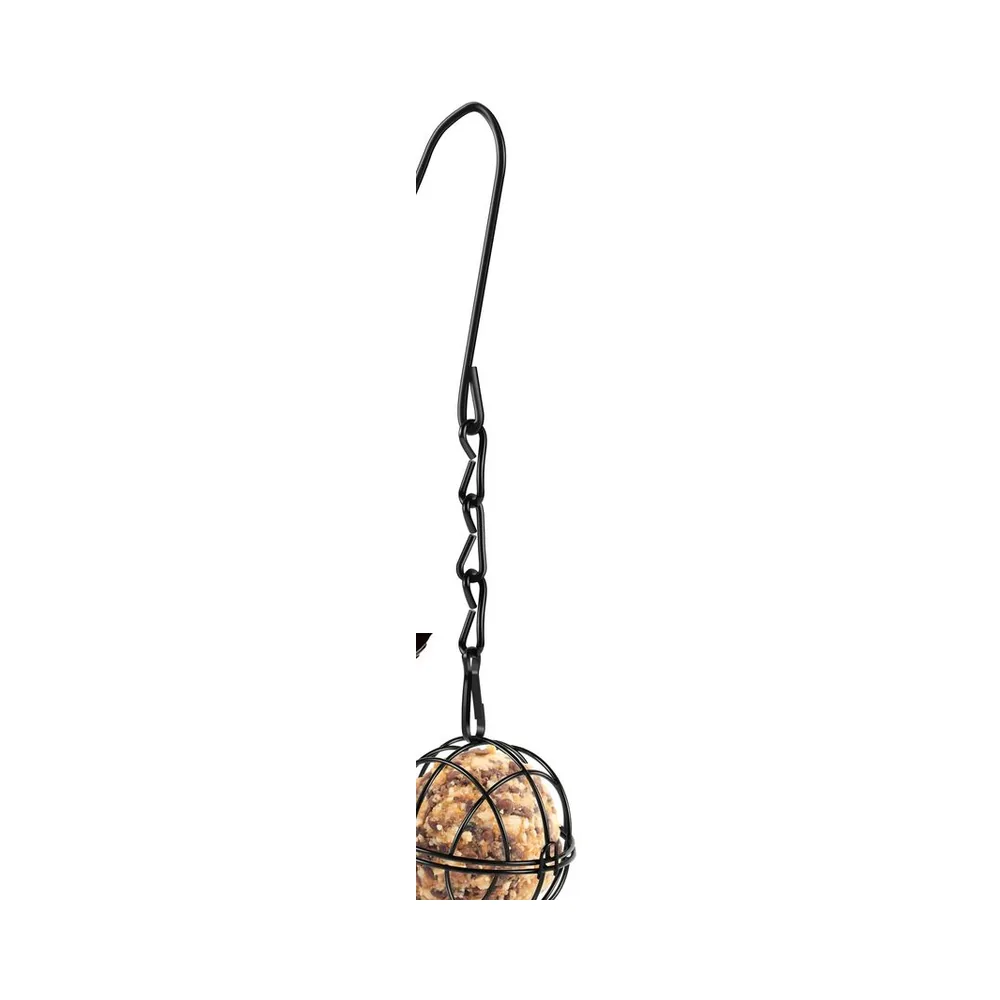
 Hanging Metal Fat Ball Feeders (Set of Four)
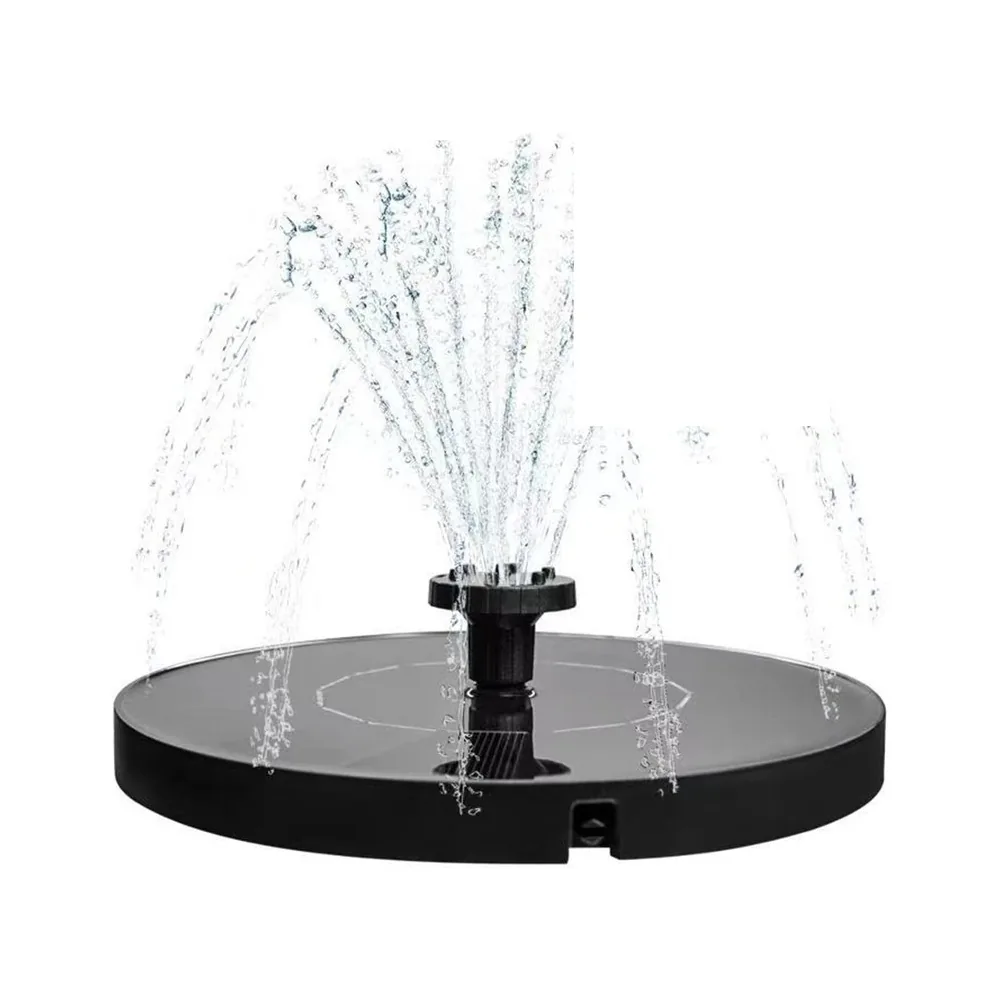 Solar Fountain for Your Bird Bath
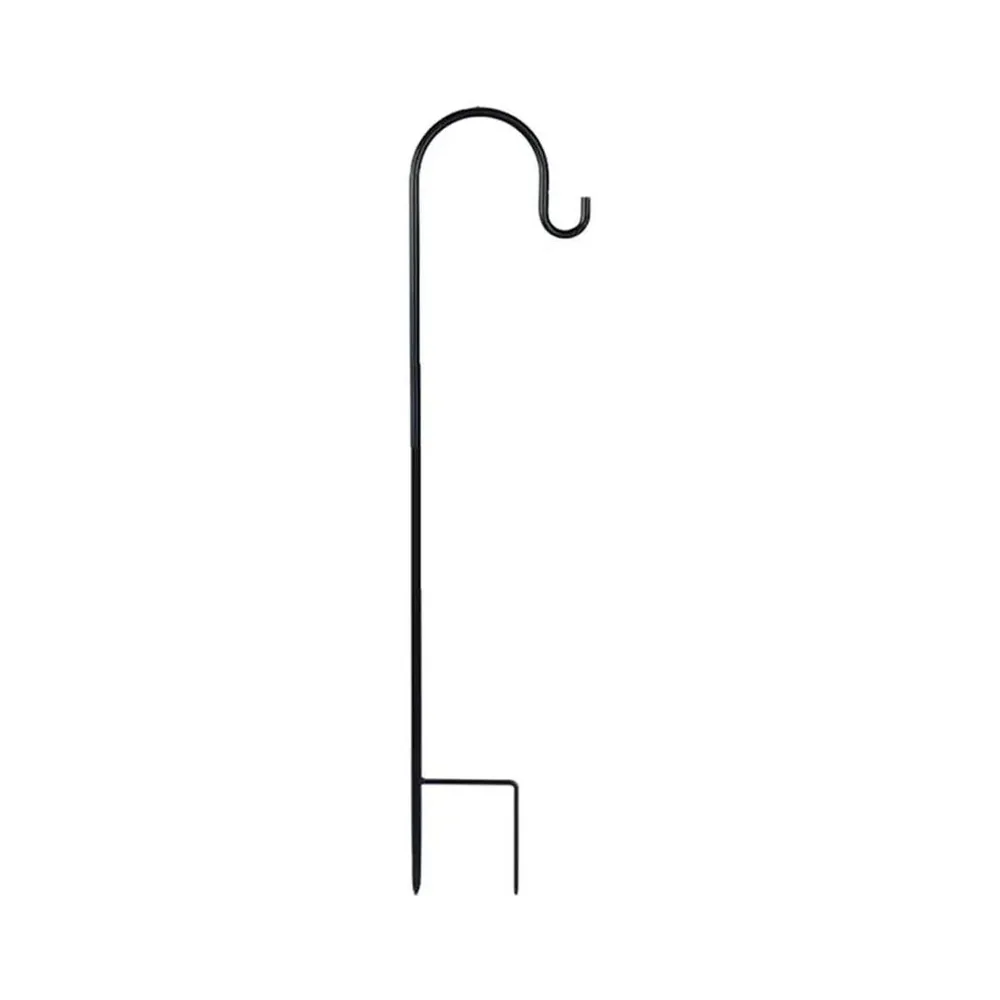 Shepherd Hook Feeder Pole
This is the question I get asked most often, usually about a fortnight after somebody has bought their first feeder, and usually with a note of genuine disappointment.
The good news is that the answer is almost always in the first four items on this list.
1. Give it longer
Birds are cautious about new objects, and a feeder is a large shiny thing that appeared overnight.
Blue tits are the boldest and will often find one within a few days. Goldfinches can take three weeks. In a garden with no history of feeding at all, six weeks is not unusual.
Keep it stocked while you wait. An empty feeder in week two is how most people conclude it does not work.
2. Is there cover nearby?
This is the biggest single cause.
Small birds will not feed in the open with nowhere to retreat to. They want a shrub, a hedge or a low branch two to three metres away — one short flight.
Too far and they feel exposed. Right against the feeder and it becomes a cat hide. Full detail in where to position a bird feeder.
If your garden is genuinely bare, a potted shrub near the feeder for the first season makes a surprising difference.
3. Is the food right?
Look at what is actually in the feeder.
Cheap mixes padded with wheat, split maize and dyed pellets get ignored by tits and finches. They will pick out any sunflower and kick the rest onto the ground, which looks like disinterest and is actually selection.
Switch to sunflower hearts. If nothing comes to hearts in a well-sited feeder, the problem is not the food. See what to feed garden birds.
4. Is there a cat?
A cat that sits under the feeder every afternoon will empty a garden of birds within a week, and they will not come back while the routine continues.
Move the feeder somewhere with no cover at ground level for a cat to wait in, and keep the space underneath clear. Prickly planting round the base of a pole helps.
5. Is the seed fresh?
A feeder that looks full can be useless. Sunflower hearts absorb damp and clump into a plug that blocks the ports, and mouldy seed gets abandoned quickly — birds are better at detecting it than we are.
Empty it, look at what comes out, and if it smells musty or holds together in a lump, bin it, scrub the feeder and start again with less in it. More in sunflower heart feeders.
6. Is the feeder clean?
Related but distinct. A feeder with a build-up of old residue is unappealing and unhealthy, and birds do move on from a station that has become dirty.
Fortnightly cleaning, weekly in mild damp weather. See easy-clean feeders.
7. What are the neighbours doing?
Birds work a circuit of several gardens. If somebody two doors down has four feeders, a bath and a bird table, you are competing with a better restaurant.
That is not a lost cause — it means there are birds locally, which is the harder part. Offer something they do not: water is the usual gap, since far more people feed than water. See why water matters as much as food.
8. Is it the time of year?
Feeders go quiet in late spring and early summer, and this alarms people every year.
Adults are catching insects for chicks and there is natural food everywhere. A June lull is normal and it is not a verdict on your feeder. Traffic returns in autumn.
9. Is a sparrowhawk working the garden?
If your feeder was busy and went silent overnight, this is worth considering.
Birds will avoid a station for days after a strike. It is unsettling to watch but it is a sign of a functioning food chain, and cover a few metres away gives the small birds a fair chance.
The order I would check them
Cover, food, cat, freshness. Four things, ten minutes.
In forty years I do not think I have seen a genuinely well-sited, clean feeder full of sunflower hearts that stayed empty for a season. There is more in the attracting garden birds guide, and the rest of this series at attracting UK garden birds.
A sudden stop means something different from a slow decline
Before working through the checklist, it is worth separating the two patterns, because they have different causes.
A garden that empties overnight — busy on Tuesday, nothing on Wednesday — is almost always a predator. A sparrowhawk that has made a kill will work the same garden for days, and a new cat in the neighbourhood does the same thing more slowly. Birds are not gone, they are avoiding one specific place, and they usually return within a week or two if nothing else changes.
A slow fade over several weeks is something else: stale seed, a dirty feeder, natural food becoming abundant, or the seasonal lull. Those need a different response.
So date it. If you can name the day it stopped, look for a predator or a disturbance. If you cannot, look at the food, the feeder and the calendar. It saves working through nine possibilities when the shape of the problem has already told you which three matter.