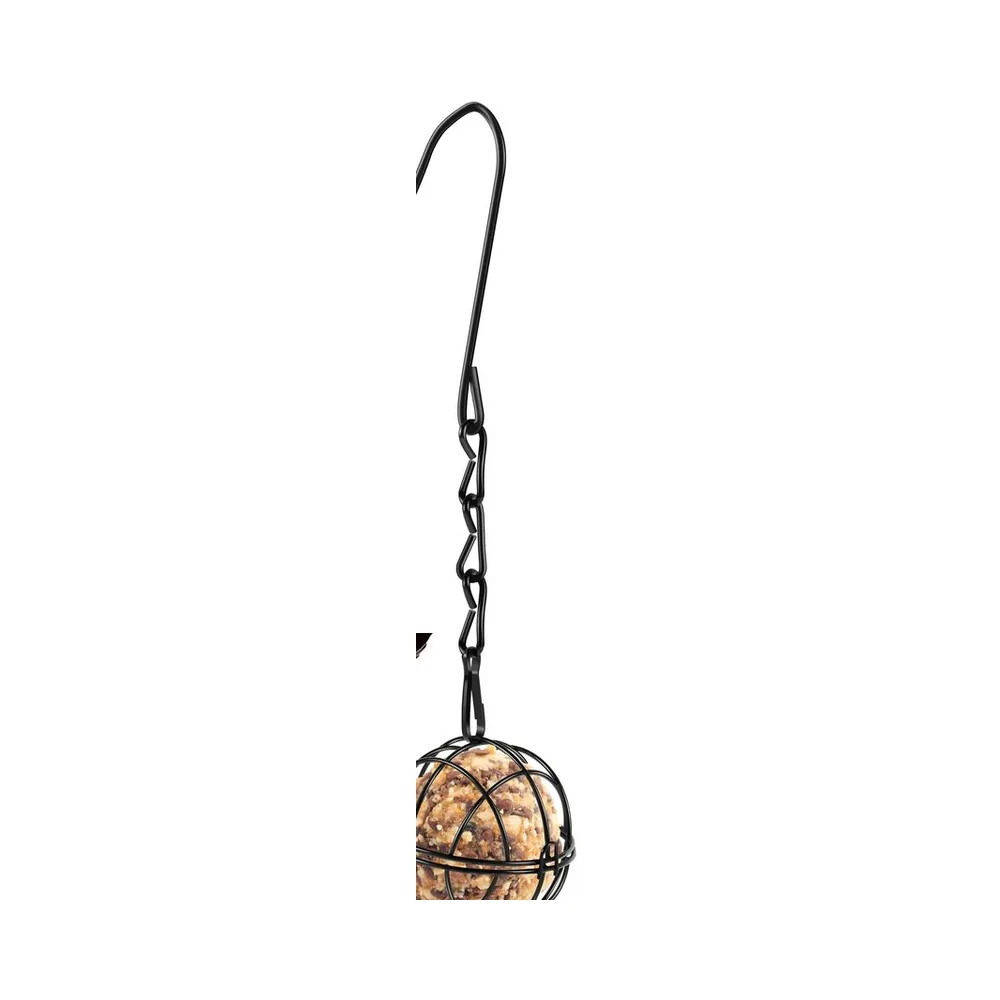
 Hanging Metal Fat Ball Feeders (Set of Four)
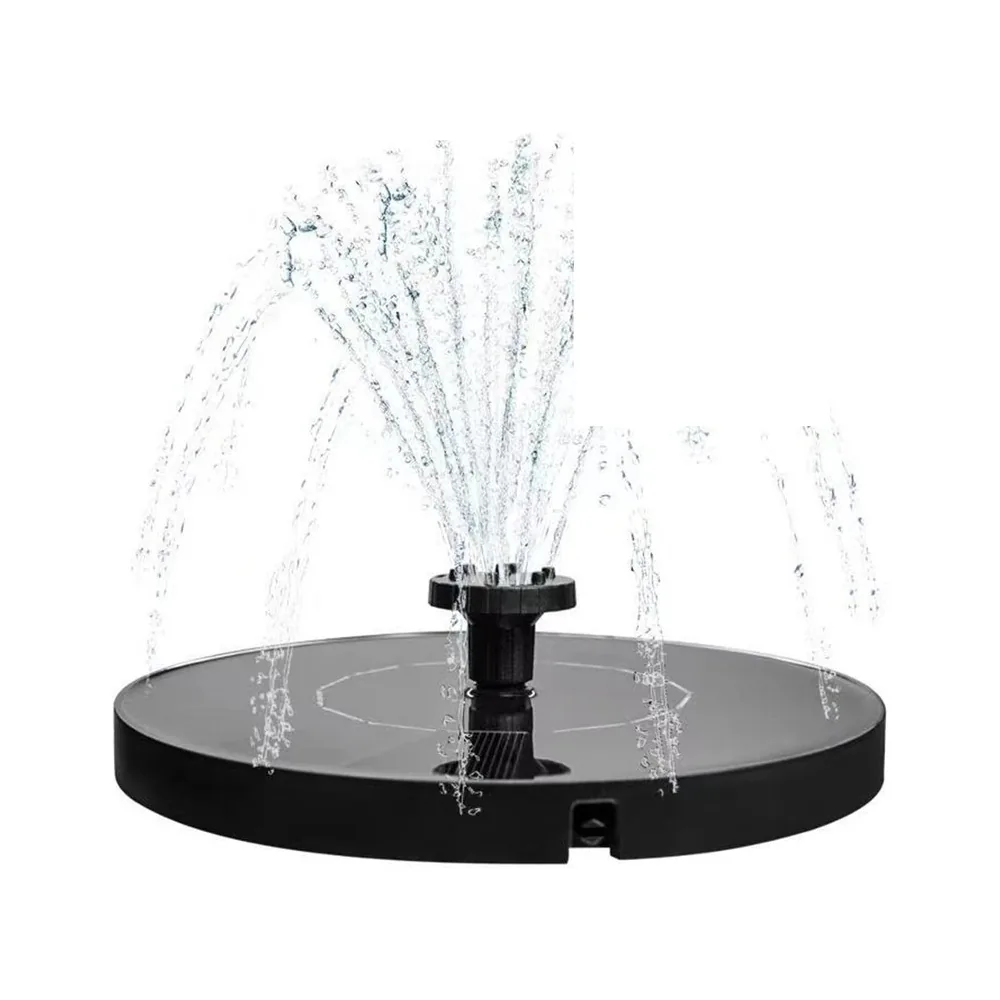 Solar Fountain for Your Bird Bath
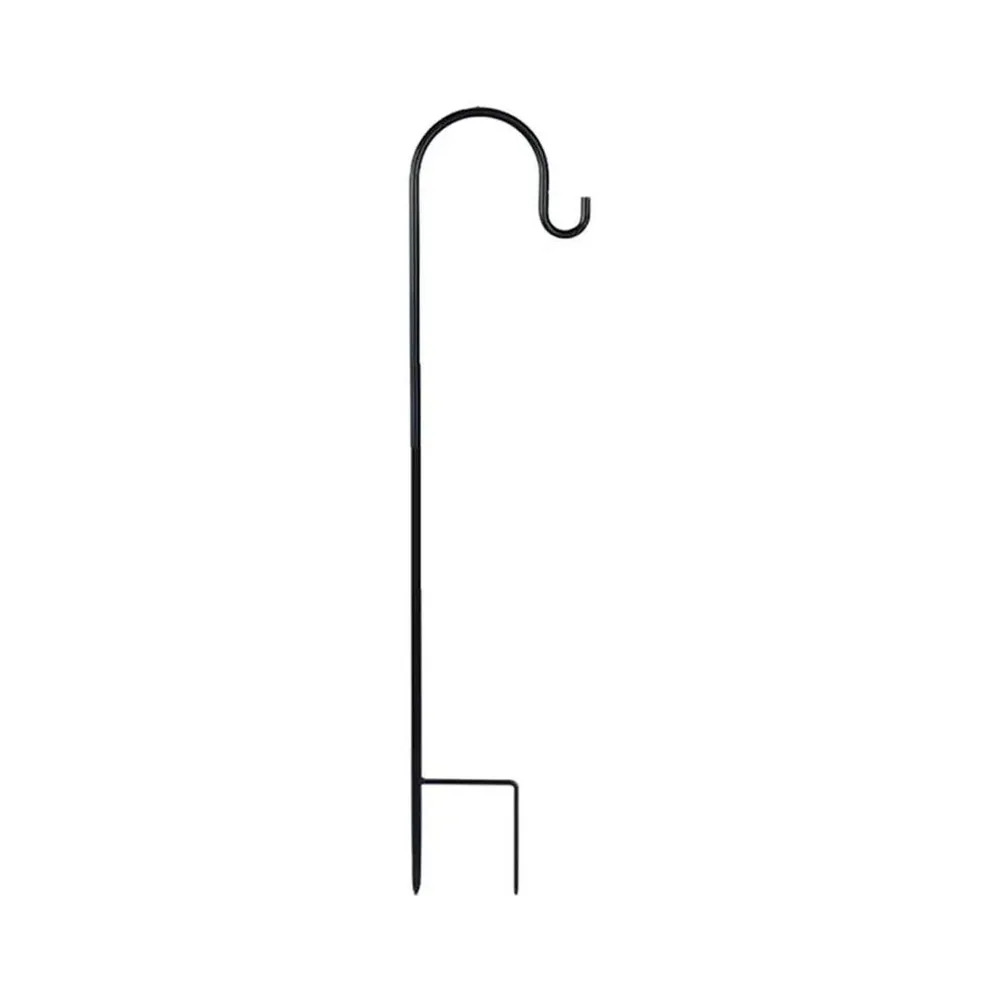 Shepherd Hook Feeder Pole
A charm of goldfinches on a feeder is one of the genuine pleasures of a British garden. Red faces, gold wing bars, and a constant tinkling chatter that sounds like nothing else.
Forty years ago they were a much rarer garden bird than they are now. The rise of nyjer and sunflower hearts changed that almost single-handedly.
The two foods
Nyjer seed
Tiny, black, oil-rich, and the classic answer. Goldfinches love it and so do siskins and redpolls if you have them.
The catch is the feeder. Nyjer is small enough to pour straight out of standard ports, so it needs a dedicated feeder with very fine slits. Put it in an ordinary tube and you will empty the bag onto the lawn.
There is more detail in nyjer seed feeders explained.
Sunflower hearts
Here is the thing nobody tells you when you are starting out: sunflower hearts bring goldfinches in almost as reliably as nyjer, and everything else in the garden eats them too.
If you are buying one food and one feeder, buy hearts. If goldfinches are specifically what you are after and you want to be certain, add a nyjer feeder alongside.
Mine use both. Some days the nyjer is untouched and the hearts are mobbed, and I have never worked out the pattern.
Expect a group, not a bird
Goldfinches are sociable outside the breeding season and arrive together — the collective noun is a charm, and it fits.
That has a practical consequence. A single-port feeder means one bird feeds and five wait, and they will often give up and go elsewhere.
Two feeders a few metres apart, or one with several ports, holds a charm far better. Ours are here: seed feeders.
The garden does half the work
Goldfinches are seed specialists with fine beaks built for getting into seed heads that other birds cannot manage. You can feed them without buying anything.
Leave standing through autumn and winter:
- Teasel — the classic. A charm will work one head for days.
- Knapweed and scabious — smaller seed heads, heavily used.
- Evening primrose — a favourite, and it self-seeds obligingly.
- Lavender — leave the spent flower spikes rather than cutting back in autumn.
Cutting the border down in October is tidy and it removes a winter's food. There is more on this in getting the garden ready for winter.
Where to put the feeder
Goldfinches like a clear approach and somewhere to queue.
An open position with a bare branch, a washing line or a tall shrub two or three metres away is ideal — they will perch up and come down in ones and twos. Full siting rules are in where to position a bird feeder.
They are less nervous than tits about feeding in the open, but they still want a bolt-hole.
Give it longer than you think
Blue tits find a new feeder in three days. Goldfinches can take three weeks.
They travel in loose flocks over a wide area and have to happen across you. Once they do, they are among the most loyal birds you will get — mine are usually the last ones on the feeder at dusk.
So keep it stocked even when it looks untouched. An empty nyjer feeder in week two is how most people conclude nyjer does not work.
Nyjer housekeeping
Two practical notes, since this is where it goes wrong.
Nyjer absorbs damp readily and goes off. Fill the feeder part-way so it turns over in a week or two, and empty it completely if the seed clumps or smells.
And buy it fresh in small bags. Old nyjer loses its oil and the birds simply stop bothering with it, which looks exactly like the feeder not working.
Is that a goldfinch or a siskin?
Two birds get mistaken for goldfinches on a nyjer feeder, and both are good news.
Siskins are smaller and streakier, yellow-green rather than gold, with a black bib on the male. They turn up in numbers some winters and not at all in others, depending on the conifer seed crop further north.
Redpolls are browner and streaked, with a small red forehead patch and a black chin. Easy to overlook as a sparrow until you see the red.
Both take nyjer and sunflower hearts, so a feeder set up for goldfinches will catch them if they are about. Worth a second look at any "goldfinch" that seems a bit small.
Water
Goldfinches drink often — a high-oil, dry-seed diet needs it — and they bathe enthusiastically.
A shallow bird bath two or three metres from the feeder will get used daily. See where to place a bird bath for the siting.
The rest of this series is at attracting UK garden birds, and the pillar guide covers the other species.
What they were doing before feeders
Goldfinches are a genuine conservation success story and understanding why explains a lot about how to keep them.
They are seed specialists with fine tweezer bills built for teasel, thistle, knapweed and burdock — plants that were common in rough ground and field margins and became much less so through the twentieth century. Numbers fell accordingly.
Garden feeding, and nyjer and sunflower hearts in particular, gave them a reliable alternative supply, and goldfinches are now among the most frequently recorded garden birds in Britain when they were once an occasional sight.
The practical lesson is that they are looking for small oil-rich seeds and they will take them from a plant as readily as a feeder. Leaving teasel and knapweed standing through the winter, rather than cutting the border back in autumn, feeds them for nothing and holds them in the area between visits to your tube.