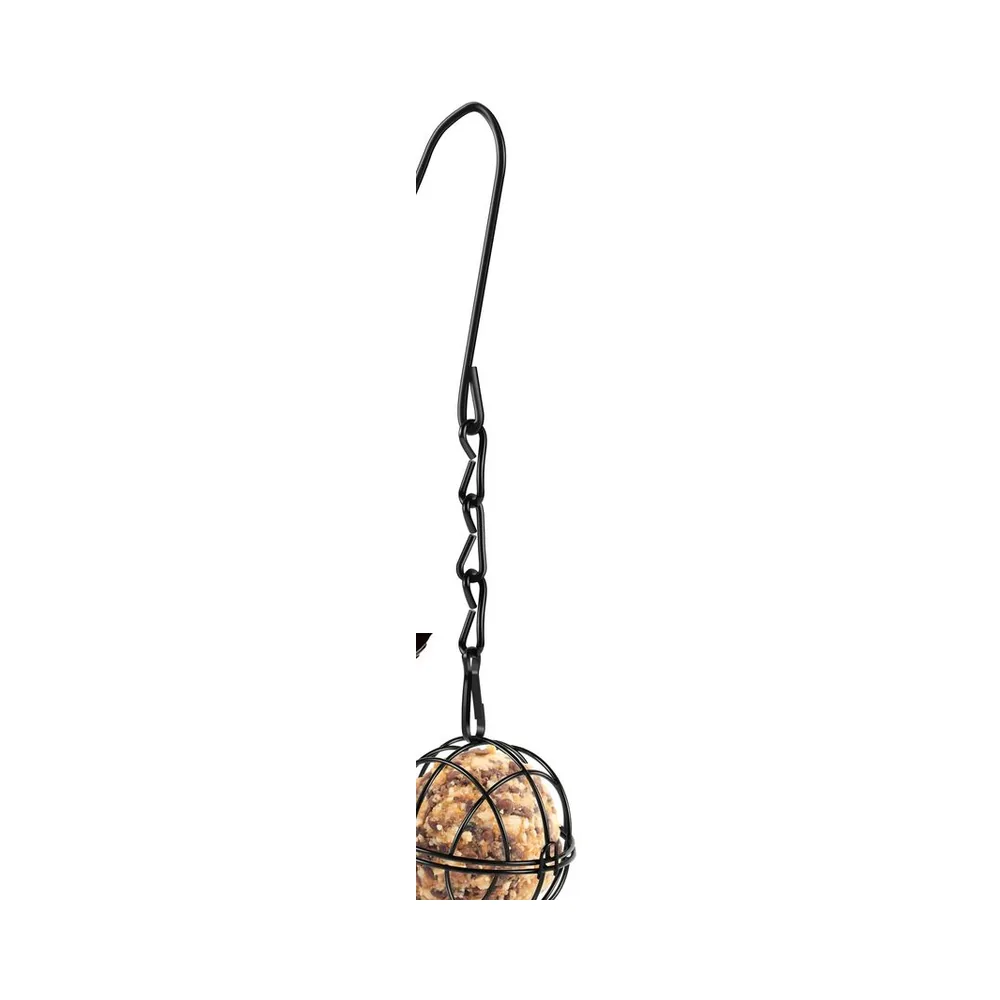
 Hanging Metal Fat Ball Feeders (Set of Four)
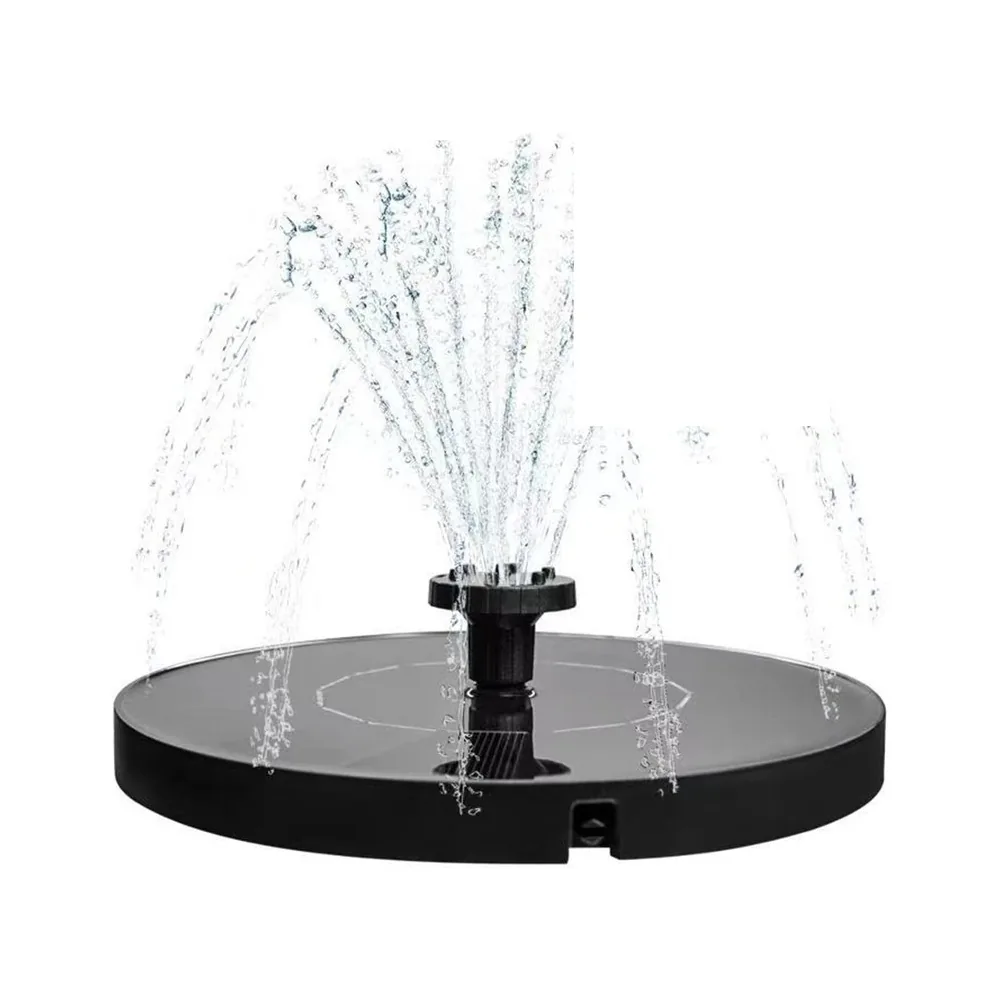 Solar Fountain for Your Bird Bath
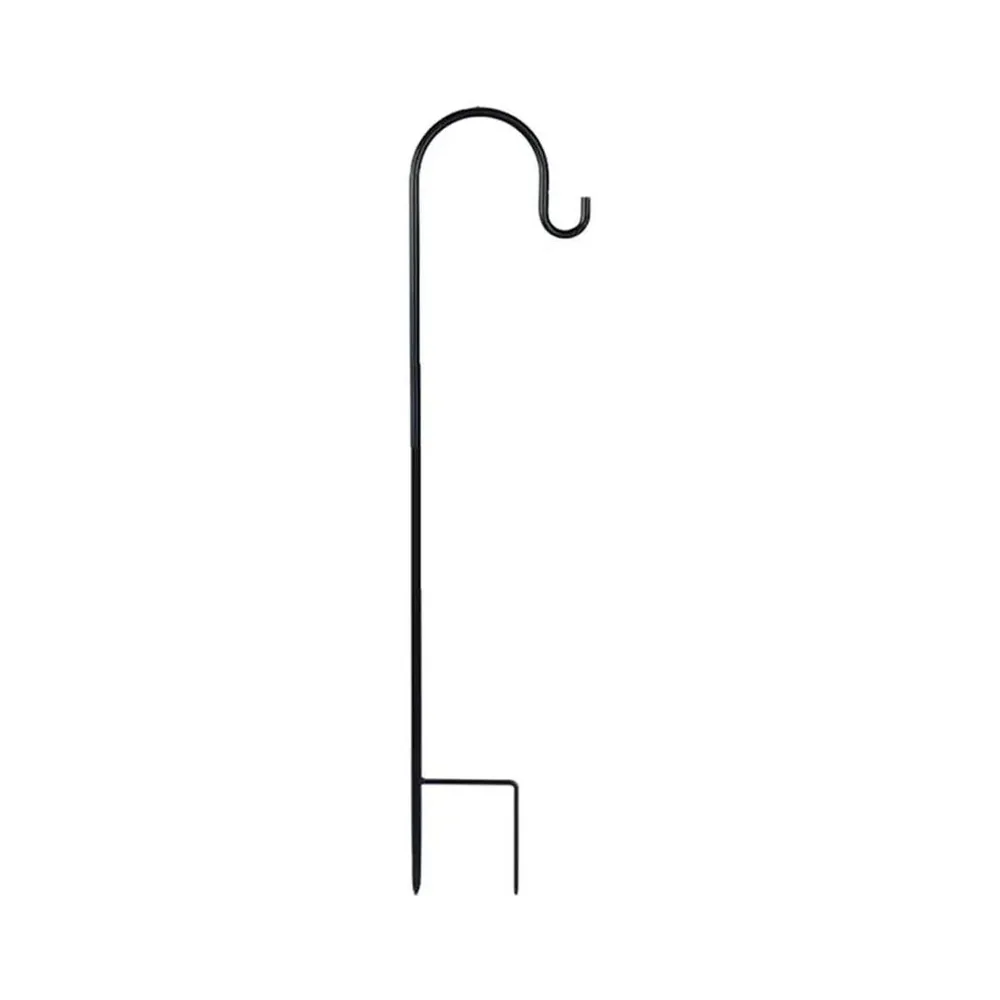 Shepherd Hook Feeder Pole
You look out, the feeder is full. You look out twenty minutes later and there are eleven starlings on and around it and the fat balls have gone.
It is genuinely frustrating, and it is also worth saying up front that starlings are on the UK red list. Their population has fallen by around eighty per cent since the 1960s. The aim here is to stop them taking everything, not to keep them out of the garden.
Why they are so effective
Three things, all working together.
They arrive as a flock rather than singly, so the pressure is not one bird at a time. They are much larger than a tit and strong enough to hang, cling and shove. And they are clever — a starling will work out a feeder mechanism faster than most garden birds.
The result is that a feeder which lasts three days with tits on it lasts twenty minutes with starlings.
The cage does the work
Gaps of around four centimetres. That is the measurement that matters.
Blue tits, great tits, coal tits, goldfinches, greenfinches, sparrows and wrens go through comfortably. A starling cannot — it is simply too deep in the body, and it will not squeeze.
Go larger and they get in, because they are more flexible than they look. Go much smaller and you start excluding greenfinches and great tits, which defeats the point.
Our caged fat ball feeders work on exactly this principle, and the same cage handles squirrels and woodpigeons. There is more on sizing in best feeders for small birds.
Protect the fat first
If you only cage one feeder, cage the fat.
Starlings are after energy, and fat balls and suet blocks give them the most per mouthful. A whole ball can go in a single visit.
Seed feeders are less attractive to them, especially small-port ones that require precise work. Sunflower hearts in a tube with short perches are quite well protected by design.
The ground is the other half
Starlings feed on the ground a great deal — probing lawns for leatherjackets is their natural mode.
So spilled seed under the feeder is a standing invitation, and it also brings woodpigeons and rats. A catcher tray plus husk-free hearts removes most of it. The detail is in how to stop feeders making a mess.
The bird table problem
An open table is a starling buffet and there is no clever fix.
But robins, blackbirds and dunnocks genuinely need a flat surface — none of them can cling. So the answer is not to remove the table, it is to change how you use it.
- Put out small amounts, when you are around to watch.
- Choose a table with a roof and a narrow platform, which is awkward for a bigger bird.
- Use suet pellets and soaked mealworms rather than a big spread of seed.
Ours are here: bird tables.
Timing helps more than you would think
Starling flocks tend to sweep through at fairly predictable times, often mid-morning and again before roosting.
If you put fresh food out early and again late afternoon — which is what you should be doing in winter anyway — the small birds get a clear run at both ends of the day. See feeding garden birds in winter.
What does not work
Plastic hawks and reflective tape: three days, then ignored. Netting over the feeding area: traps small birds and is genuinely dangerous. Feeding them separately to draw them off: you will simply have more starlings.
And anything lethal is both illegal and, for a red-listed species, indefensible.
A case for tolerating them
I will admit I came round on this.
A starling in good light is not a black bird at all — it is iridescent green and purple with white spangling, and it is a remarkable mimic. They are also declining fast enough that a garden that supports them is doing something genuinely useful.
Cage the fat feeder so the tits get their share. Then let the starlings have the lawn and the spill, and enjoy them for what they are.
The rest of this series is at squirrel and pest-proofing.
The June invasion, explained
Almost everybody who feeds birds has the same experience in early summer: a manageable pair of starlings becomes a screaming mob of twenty, and it happens in about a week.
Those are juveniles. Young starlings fledge in a rush in late May and June, they are a dull grey-brown rather than glossy, and the adults bring them to whatever food source they already know. The flock is a family group multiplied several times over.
It is temporary. Within a few weeks they disperse to farmland and open ground and the pressure drops sharply. If you can put up with it for a month, you do not need to change anything permanently — and it is worth recognising what you are watching, because a successful starling brood is not a bad thing to have caused, given how far the species has fallen.