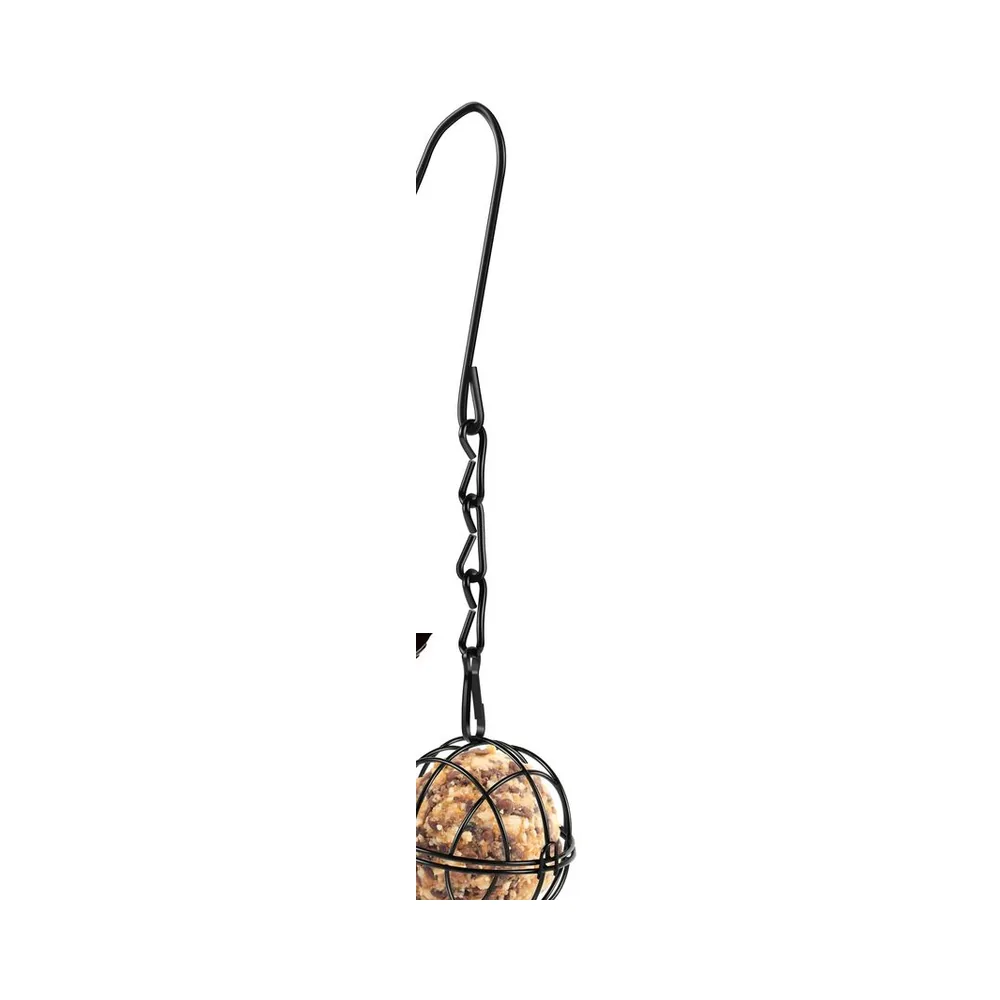
 Hanging Metal Fat Ball Feeders (Set of Four)
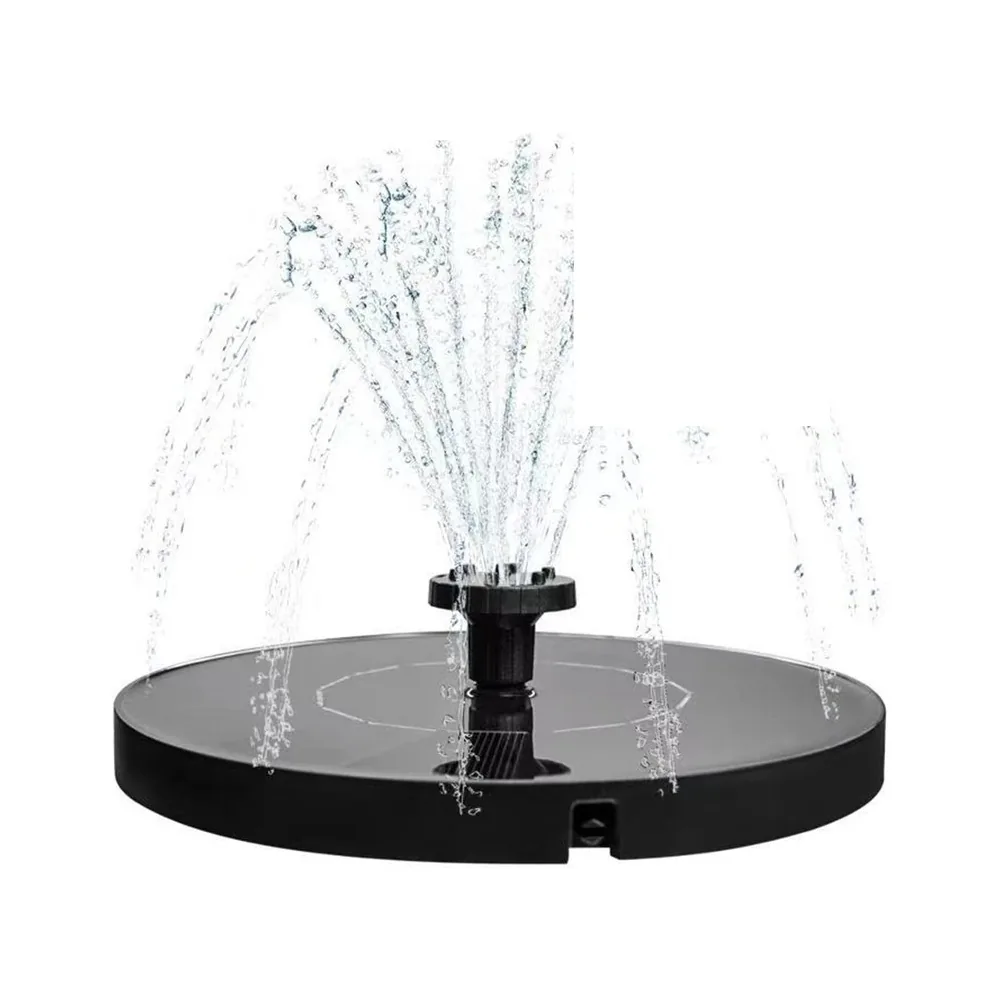 Solar Fountain for Your Bird Bath
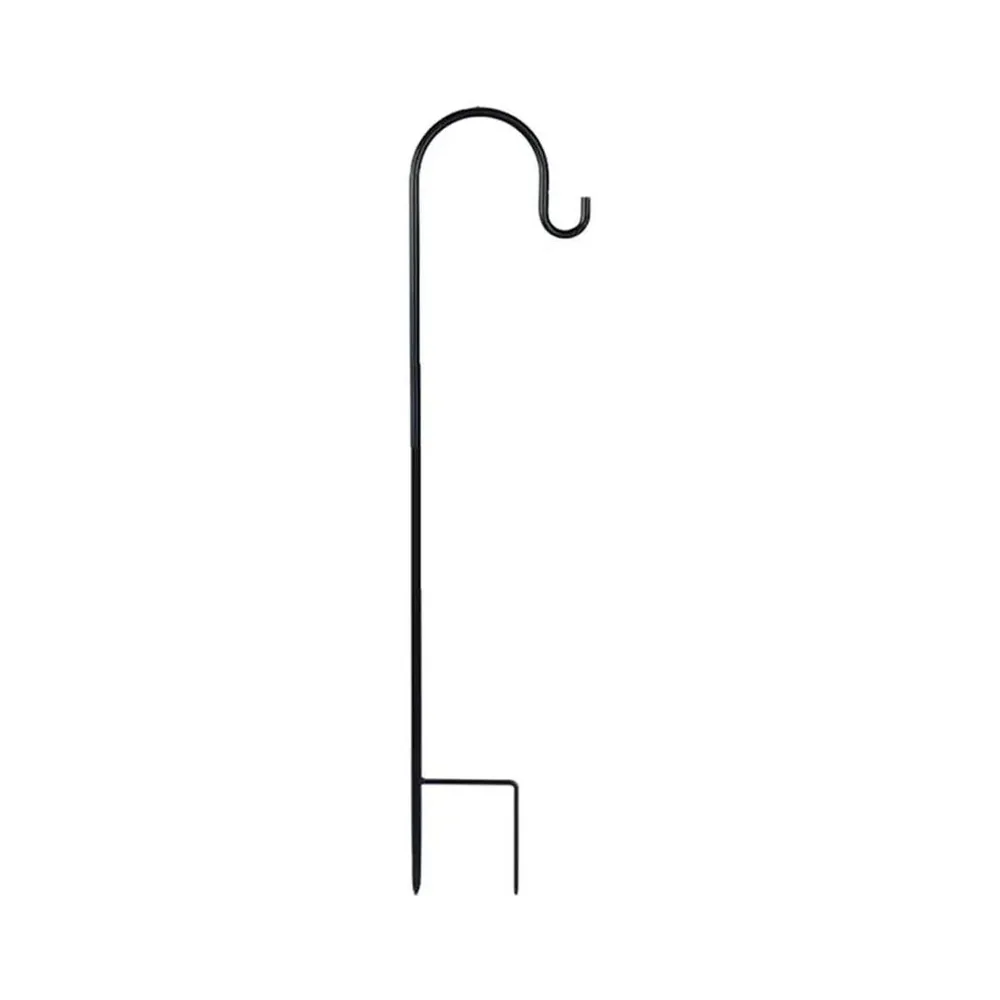 Shepherd Hook Feeder Pole
People treat this as a budget question, as though a table is the fancy version of a feeder. It is not. They serve different birds, and if you buy the wrong one for the birds you have, nothing happens.
The dividing line: can it cling?
That is the whole thing.
Tits, finches and sparrows have feet built for gripping a vertical perch and feeding at odd angles. A hanging tube or cage is natural to them.
Robins, blackbirds, dunnocks, wrens and song thrushes are ground feeders. They forage on a flat surface, hopping and scanning, and they physically cannot use a hanging feeder no matter what is in it.
If a robin is ignoring your feeder, it is not the food. It is that the robin cannot hold on.
What a hanging feeder does well
- Keeps food dry and off the wet ground.
- Keeps it away from ground predators.
- Deters heavier birds, because it swings.
- Needs cleaning fortnightly rather than weekly.
- Can be caged to exclude starlings and squirrels.
It is the more efficient option, and if you only ever buy one thing it is what I would buy. Ours are here: hanging feeders.
What a bird table does well
- Feeds the ground birds, which no hanging feeder will.
- Handles foods a tube cannot: mealworms, suet pellets, sultanas, chopped apple.
- Gets used by more species at once, which is pleasant to watch.
- A roof keeps the food dry and hides feeding birds from above.
Ours are here: bird tables.
The honest downsides of a table
Two, and both are real.
Hygiene. An open surface collects droppings much faster than a hanging feeder, and that is exactly how disease passes between birds. A table needs brushing off daily and scrubbing weekly. See feeder hygiene.
Bigger birds. Starlings and woodpigeons love a flat surface and there is no clever fix. The answer is small portions put out when you are around, rather than a permanent spread. More in keeping starlings off.
The cheap halfway house
If you have a hanging feeder and want to serve the ground birds without buying a table, fit a catcher tray underneath it.
It catches the spill, keeps the lawn clean and gives robins and dunnocks a clean flat surface at the same time. One feeder, two audiences, for very little money.
That is what I would do first, and only add a proper table if you specifically want blackbirds and song thrushes.
Siting them differently
A hanging feeder wants 1.5 to 2 metres up, two to three metres from cover, two metres clear of squirrel launch points.
A table wants to be lower, still in the open with a clear view all round, and closer to a hedge — ground birds are more nervous and want a shorter dash to safety. Not right against it, though, for the usual cat reasons.
Full siting detail in where to position a bird feeder.
What to put on each
Hanging feeder: sunflower hearts, peanuts in mesh, fat balls in a cage, nyjer in a fine-port feeder.
Table: soaked mealworms, suet pellets, sultanas, chopped apple, a little grated mild cheese in winter. Not whole peanuts, ever, and nothing salted.
More in what to feed garden birds.
Ground feeding without a table
Worth mentioning, because it is what blackbirds and dunnocks would choose themselves.
Scattering a handful of sultanas, suet pellets or soaked mealworms on the ground works beautifully and costs nothing at all. The rules are simple: put it in the open where nothing can creep up, scatter rather than pile, and only put out what will be gone by dusk.
Anything left overnight is a rat invitation. That is the entire reason people move to a raised table in the first place.
So: which?
One hanging feeder covers more species and is less work. Add a tray under it and you have covered most of the garden for the price of a tray.
Buy a table when you want the blackbirds specifically, and accept that it is a weekly-scrubbing commitment rather than a fortnightly one.
The rest of this series is at which feeder for which food.
Keeping a table usable through a wet winter
The weakness of an open table is not birds, it is British weather. A flat surface collects rain, and wet food on a wooden platform sours within a day or two.
Two features fix most of it. Drainage — gaps between the boards, or drilled holes in a solid top — lets water off instead of pooling. And a roof, even a small one, keeps the worst of it out in the first place.
The habit matters as much as the hardware. Put out only what will be eaten during the day, scrape the surface clean every few days rather than adding fresh food on top of old, and give it a proper scrub every fortnight. A table used that way stays pleasant to look at; one that is simply topped up becomes a grey mess by February and stops being used by anything you wanted.