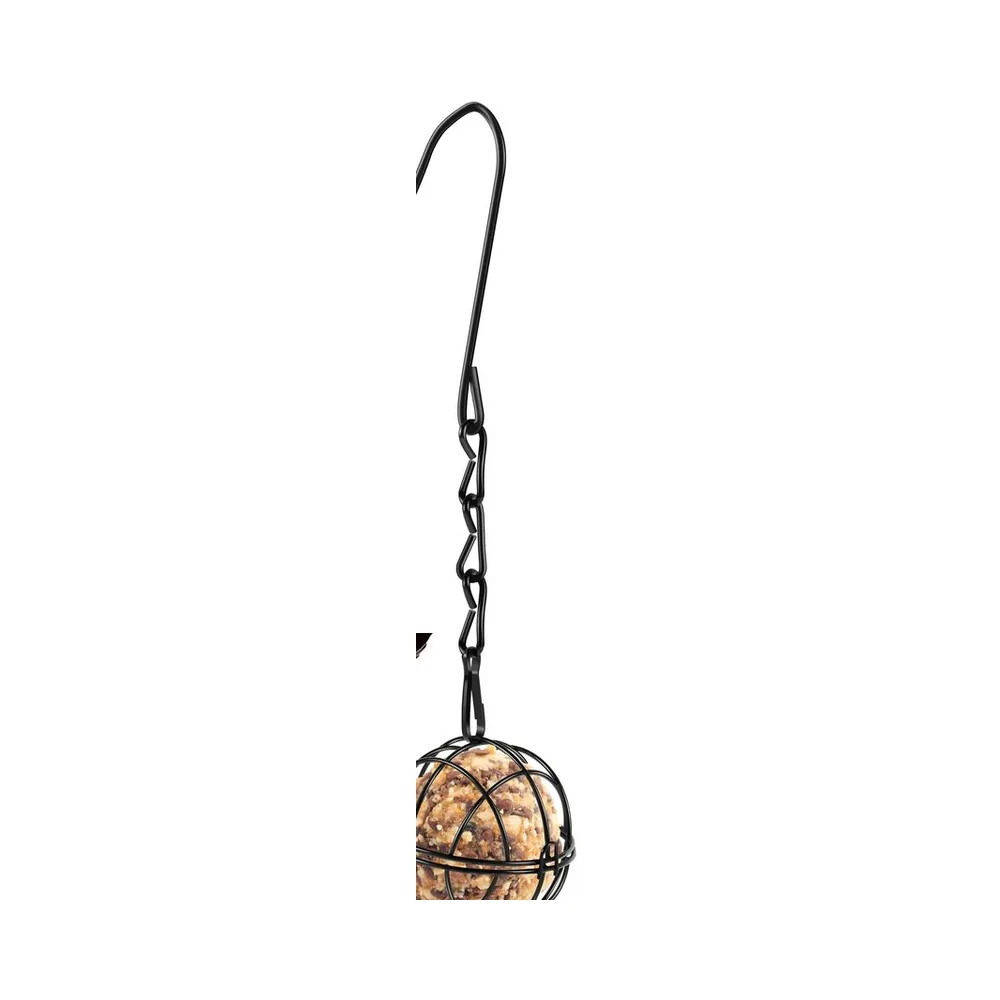
 Hanging Metal Fat Ball Feeders (Set of Four)
 Solar Fountain for Your Bird Bath
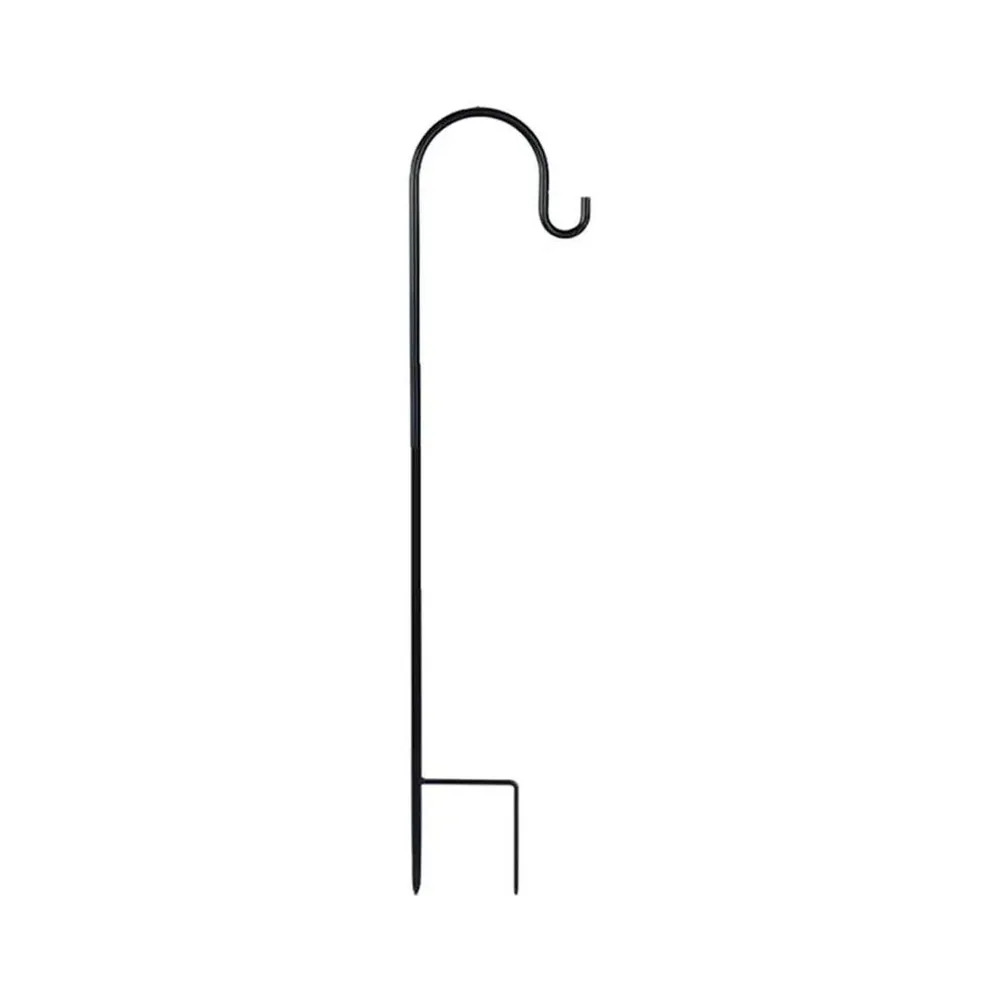 Shepherd Hook Feeder Pole
Quick answer: Choose a powder-coated steel feeder pole around 1.8 to 2.2 metres tall with a screw-in or multi-prong base for firm ground anchoring. Site it in the open, two metres from launch points, add a baffle below the arms, and one good pole will carry three or four feeders for years.
No tree in sight of the kitchen window? A feeder pole is the single best thing you can buy. Good poles for bird feeders let you plant a feeding station exactly where you want to watch it, keep the food clear of cats and squirrels, and carry several feeders from one spot. I came to birdwatching through wildlife gardening, and after testing a fair few poles I would rather save you the trial and error. Here is how to pick one that stays upright, holds a loaded feeder, and earns its keep for years.
Why a pole beats a branch
Most of us start by hanging a feeder off whatever is handy: a washing line, a shed bracket, a low branch. It works, but you rarely get to choose the view, and those spots nearly always hand a squirrel its launch pad.
A free-standing pole fixes both problems at once.
- You pick the spot. Plant it where you can see it from your chair, not where a tree happened to grow.
- You set the height. Feeders sit at proper viewing and refill level, above a cat's leap.
- You feed the whole cast. A multi-arm station carries a seed feeder, a peanut feeder and a fat ball rack together, with a dish for water and a tray beneath.
Browse the full range of feeder poles and stands to see how the multi-arm stations are laid out.
Base type is the decision that matters
The base is what keeps everything standing, so start there. Three types cover most gardens.
- Corkscrew bases twist into lawn or soft border by hand, no tools needed, and hold well in firm ground. My pick for most gardens.
- Multi-prong spike bases push straight down and suit heavier, taller stations, though they want firm soil to stay put.
- Weighted flat bases sit on patio and paving where you cannot dig in, but they need real ballast to survive a gusty day.
Push any in-ground base fully home, then check it after the first proper blow. A pole that leans within a week was never planted deep enough.
Height, reach and material
Aim for a pole that puts feeders at around head height. That keeps them beyond a cat's spring, easy to refill without a ladder, and comfortable to watch. A simple shepherd's-hook pole is perfect for a single feeder in a border, while a taller shepherd's hook gives more clearance in a larger garden.
For material, powder-coated steel is the honest answer. It shrugs off British weather, does not flex under a full feeder, and gives a squirrel nothing to chew. Avoid thin aluminium canes that bow the moment a wood pigeon lands.
The squirrel question
A pole is your best chance to beat squirrels, because a smooth vertical mast is easy to defend. The trick is a baffle clamped about 1.2 metres up, plus sensible placement.
The rule the RSPB and most seasoned feeders agree on is roughly two metres of clear space around the station: no fence, shed, branch or garden furniture within a squirrel's leap. Get the distance right and the baffle finishes the job.
Match the station to your garden
Small garden or balcony? A single hook pole with one seed feeder is plenty to begin. Once the regulars arrive, you add arms. Busy garden with a full roll-call of tits, finches and sparrows? Go straight for a multi-arm station so you are not refilling three separate feeders in the rain.
Whatever you choose, pair the pole with the right food. The BTO Garden BirdWatch survey shows sunflower hearts pull the widest crowd, so that is the surest first fill. For the complete picture on choosing kit, our bird feeder buyer's guide walks through every feeder type in plain terms.
Frequently asked questions
Will a feeder pole stay upright in wind? Yes, if planted properly. Corkscrew and multi-prong bases anchor into firm lawn or border and hold a loaded pole steady. Push the base fully home and re-check after the first big blow.
How do I stop squirrels climbing the pole? Fit a baffle around 1.2 metres up and keep the pole at least two metres from fences, sheds and branches. The baffle stops the climb and the distance stops the jump.
What should I hang on a feeding station? A seed feeder plus a peanut or fat ball feeder is the classic pairing, covering finches and the tit flock in one go. Add the tray and dish for mealworms and water to complete the setup.
About the author Priyanka Shah - The right feeder for the right food Priyanka is a Reading-based garden writer with an RHS Level 2 qualification who came to birdwatching through wildlife gardening. She loves matching feeders to foods and species and testing what actually draws visitors in. Her small suburban garden hosts a surprising roll-call of finches and tits. Writing for British Bird Feeders.