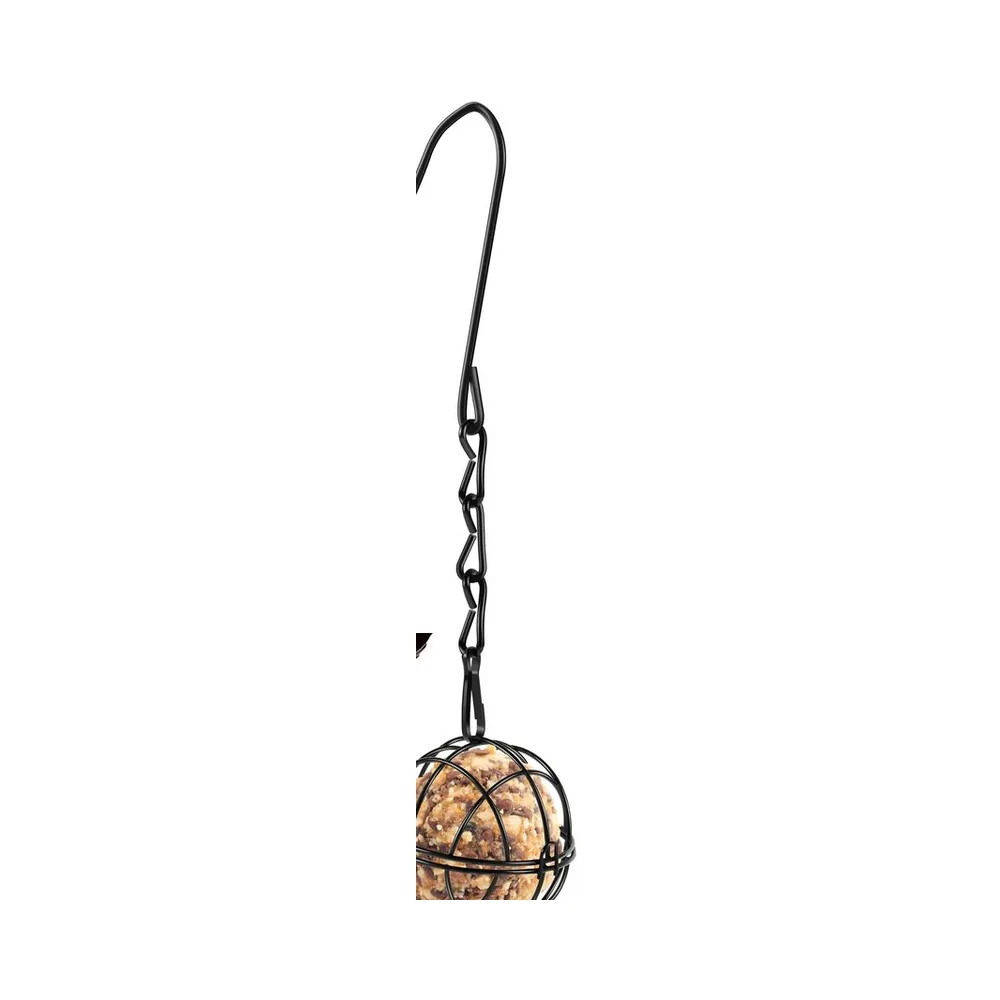
 Hanging Metal Fat Ball Feeders (Set of Four)
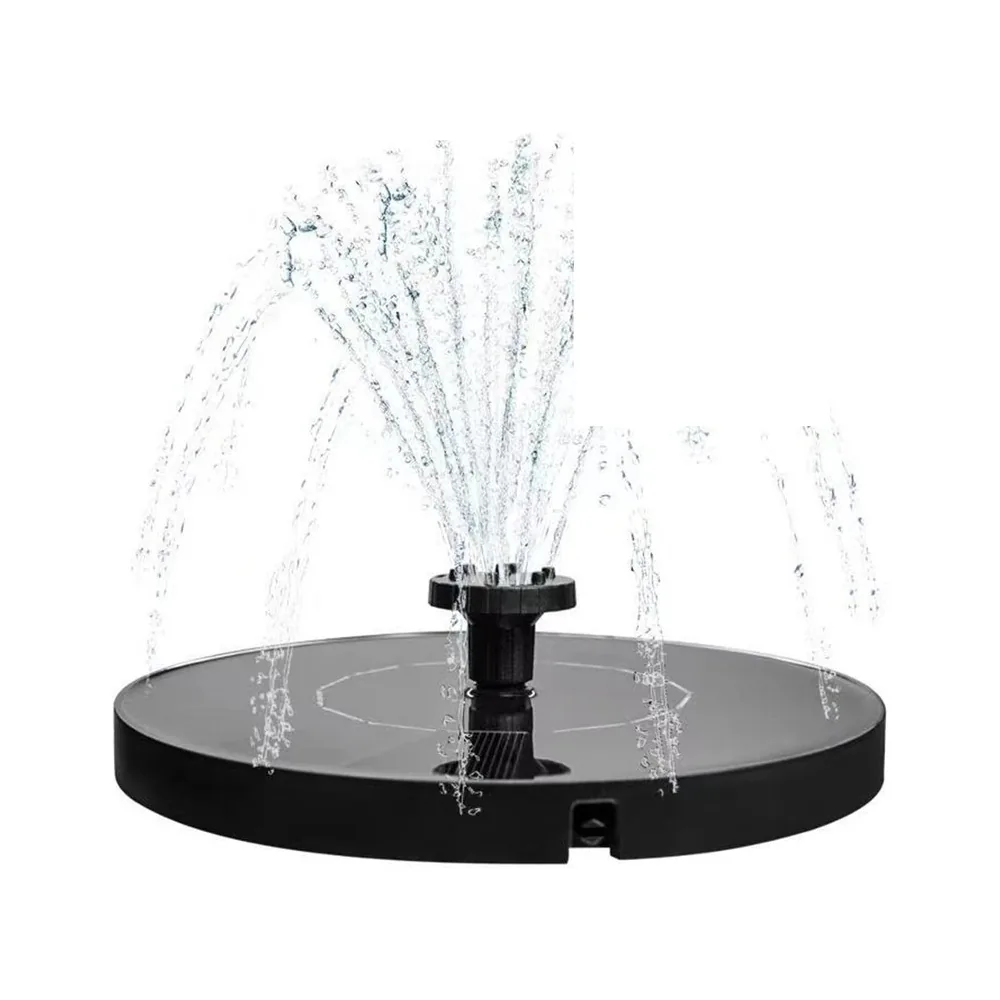 Solar Fountain for Your Bird Bath
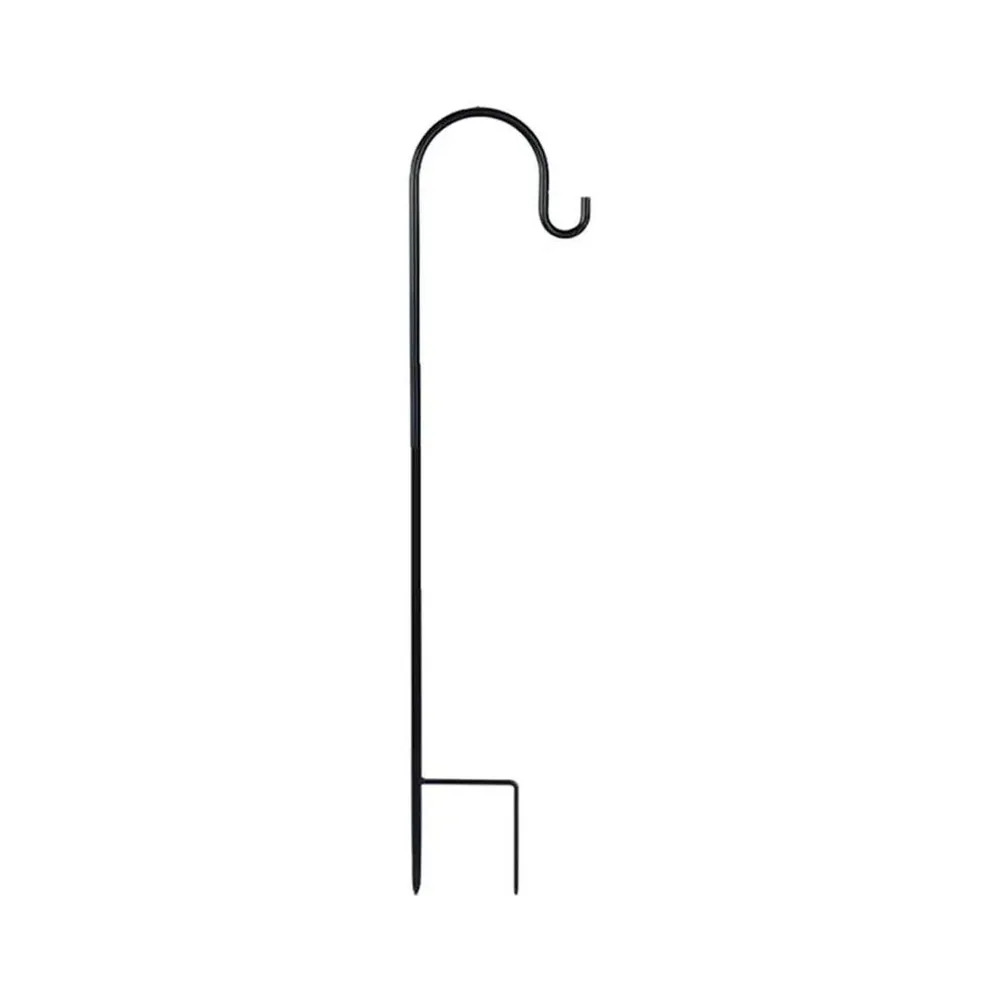 Shepherd Hook Feeder Pole
Quick answer: Bird feeders for windows fix to the glass with strong suction cups and bring tits, robins and finches within centimetres of you. Clean the glass first, press the cups on firmly, fill with sunflower hearts, and place the feeder either within a metre of the window or on it to prevent bird strikes.
A blue tit feeding thirty centimetres from your kettle, close enough to see the light in its eye. That is what a window feeder gives you, and nothing else in the garden comes near it. Bird feeders for windows fix to the glass with suction cups and bring the birds to you: a robin at eye level while you work, a coal tit darting in and out while the tea brews. They are ideal for flats, balconies and home offices, and for anyone who cannot easily get out into a garden. As someone who tests kit in a small suburban plot, I rate these as the best-value bit of joy you can buy. Here is how to choose one and get birds using it fast.
Why a window feeder works so well
A window feeder puts birds where you already spend your time. You do not have to remember to look out; the movement catches your eye while you make tea. For anyone short on outdoor space it is often the only practical option, and it turns a pane of glass into the best seat in the house.
The classics to start with are a simple clear window feeder or a slightly larger house-style transparent window feeder with a removable tray. Both let you watch through the glass with no frame in the way. Browse the full window feeders range to compare sizes.
What makes a good one
Not all window feeders are equal. After a couple that slid down the glass by lunchtime, I look for three things.
- Heavy-duty suction cups. They must hold through wind and rain, not just on a calm day.
- A slide-out tray. So you can refill without unsticking the whole thing.
- Proper drainage. Small holes that keep seed dry after a downpour.
Get those three right and the feeder becomes a fit-and-forget fixture.
Mounting it so it stays put
The commonest complaint about bird feeders for windows is that they fall off, and it is almost always down to the mounting. Do this and they hold for months.
- Clean the glass with washing-up liquid and dry it fully.
- Press each suction cup on firmly until it sits flat with no air gaps.
- Re-seat the cups every month or so, especially before winter.
A warm, clean pane makes all the difference. Cold, greasy glass is why cheap cups let go.
Getting birds to visit
Start with sunflower hearts, which no UK garden bird refuses, and expect the first visitor within one to two weeks. Quieter windows see faster results, so a side or back window often beats a busy front one. A tub of sunflower hearts is the surest first fill.
If your window looks onto a garden with tits and finches already about, you are halfway there. Their curiosity does the rest.
Are window feeders safe for birds?
This surprises people, but yes. The RSPB notes that feeders mounted directly on the glass can actually reduce the risk of collisions, because birds approach slowly to land rather than flying at reflections at speed. It pays to keep the feeder clean, too: the BTO Garden BirdWatch links good feeder hygiene to healthier garden birds, so give the tray a rinse every couple of weeks.
For a fuller look at matching feeders to food and setting, our guide to bird feed and feeders covers every option.
Suction cups, and the cold-weather failure
The one recurring complaint about window feeders is a cup letting go, and it is nearly always avoidable.
Suction depends on a completely clean, dry, smooth surface. Grease from a hand, dust or a smear of rain is enough to break the seal slowly over a few days. Clean both the glass and the cup itself with a little washing-up liquid, dry both thoroughly, then press firmly and hold for a few seconds.
Cold is the other factor. The rubber stiffens as the temperature drops and cups are far more likely to release on a frosty night than a mild one, so check them at the start of winter and again after the first hard frost. Warming the cup in your hands for a moment before fitting it makes a noticeable difference in January.
Frequently asked questions
Will birds really come right up to a window? Yes. It usually takes one to two weeks for the first bird to feed, then the habit spreads. Quieter windows see faster results, and sunflower hearts speed things up considerably.
Do window feeders fall off? Not if mounted well. Clean the glass with washing-up liquid, dry it, and press each suction cup on firmly. Re-seat the cups every month or so, especially before winter.
Are window feeders safe for birds? Yes. Feeders mounted directly on the glass actually reduce the risk of collisions, because birds approach slowly to land rather than flying at reflections at speed.
About the author Priyanka Shah - The right feeder for the right food Priyanka is a Reading-based garden writer with an RHS Level 2 qualification who came to birdwatching through wildlife gardening. She loves matching feeders to foods and species and testing what actually draws visitors in. Her small suburban garden hosts a surprising roll-call of finches and tits. Writing for British Bird Feeders.