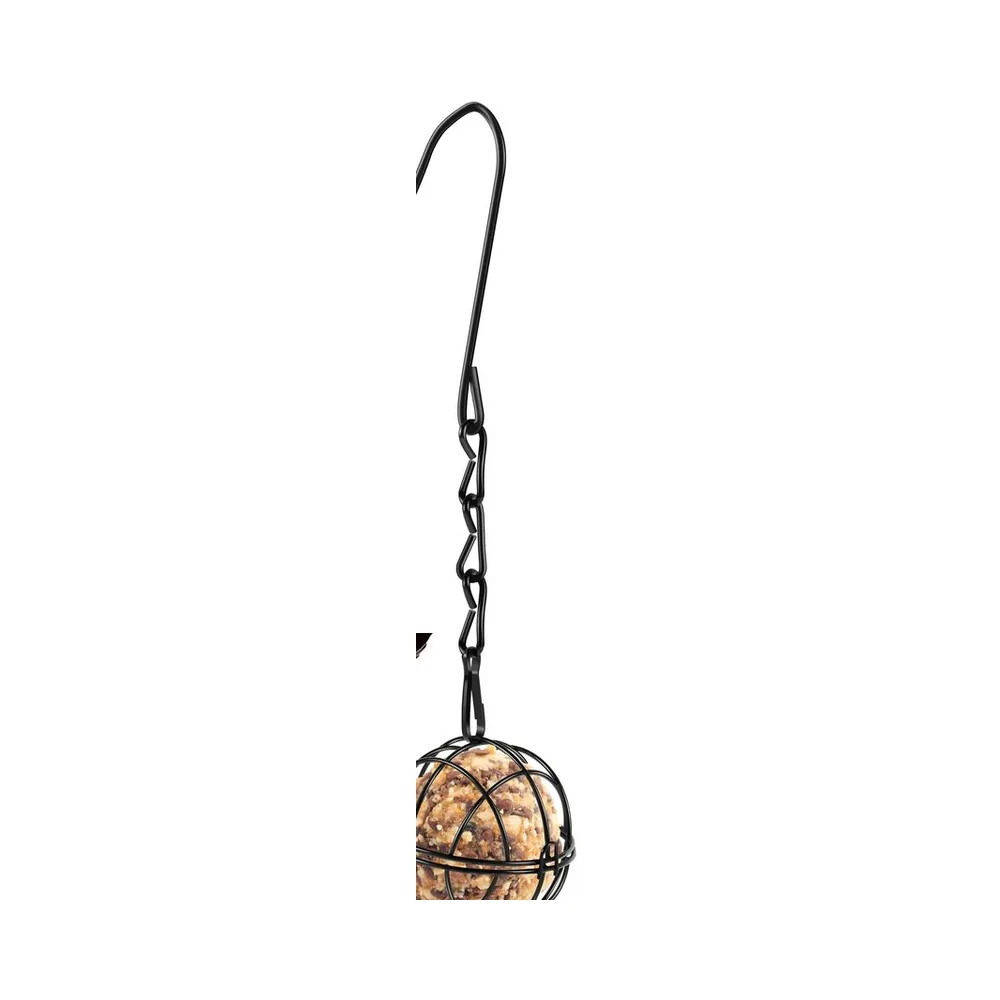
 Hanging Metal Fat Ball Feeders (Set of Four)
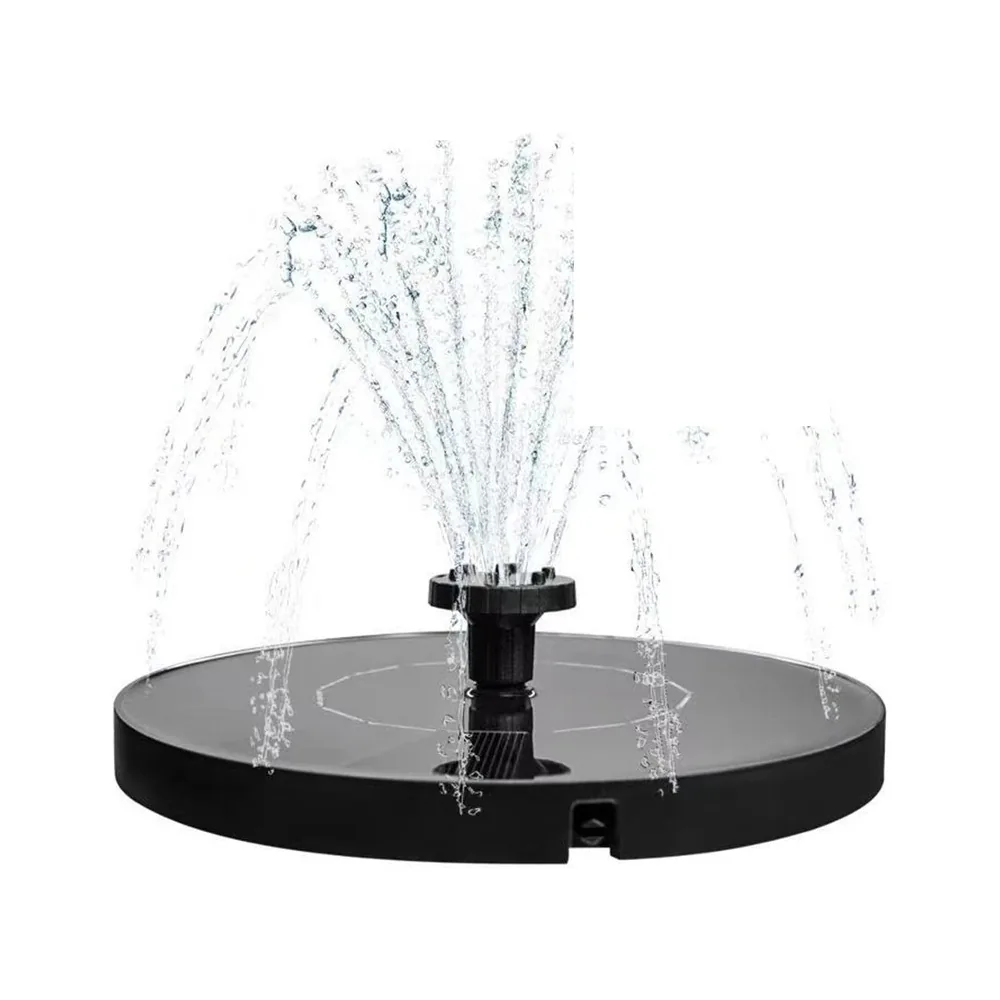 Solar Fountain for Your Bird Bath
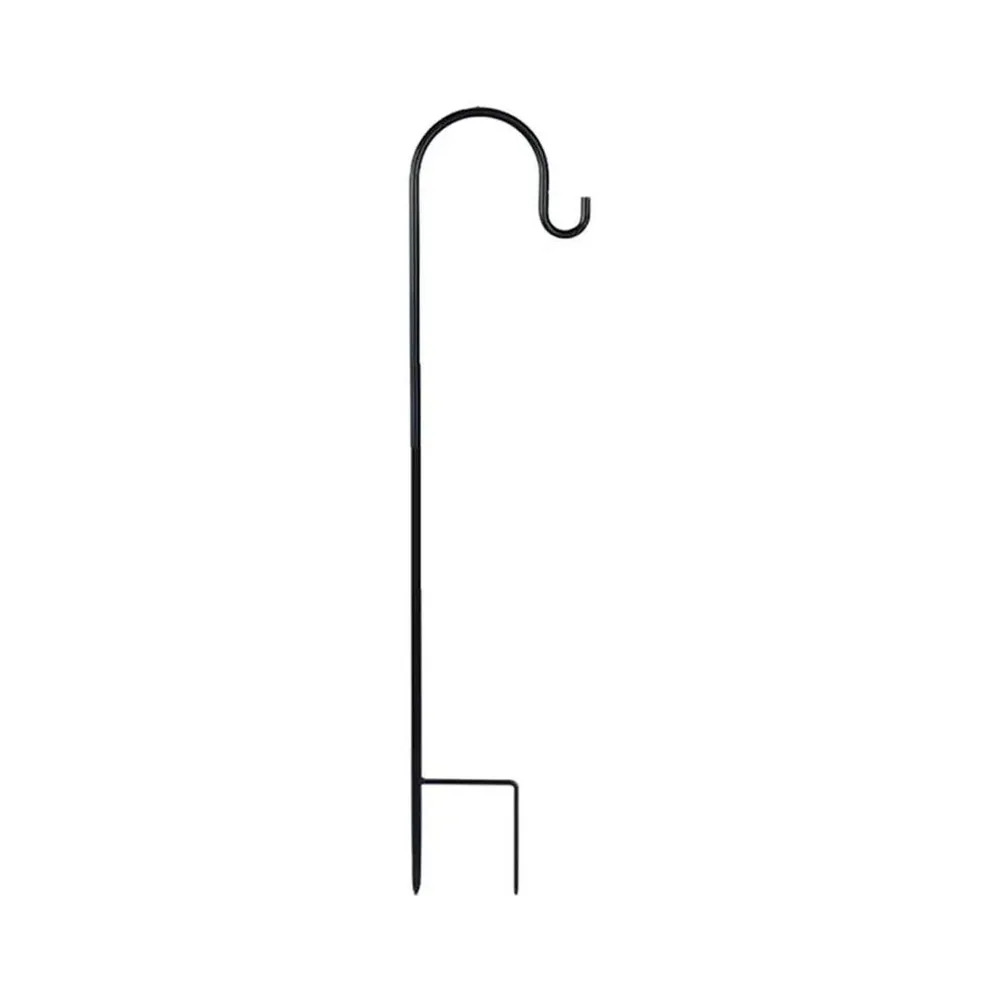 Shepherd Hook Feeder Pole
Feeding garden birds in London
Gardens across London sit within the Thames corridor, and that geography does more to decide what lands on a feeder than anything you buy. Birds move along river corridors and green space rather than across open brick, so a garden with a hedge, a tree or a neighbour's shrubs on the flight line fills up far quicker than an exposed one a street away.
Cover is what makes a feeder feel safe. Small birds work in short hops from a shrub or hedge, grab a seed and take it back to eat, so a feeder within two or three metres of dense growth gets used constantly while an identical one in the open barely gets touched. Do not go closer than about a metre, though, or you have simply built a cat ambush. Birds move between gardens and open ground, so a garden near Whitehall Garden is on a route already in use.
South-west London holds the largest established population of ring-necked parakeets in Britain, and they will empty a peanut feeder in a morning.
London at a glance
London, verified
Real places, with the distance measured from the city centre. We are an online shop, not a branch in London.
NationEngland
RegionGreater London
PostcodesE, N, SE, SW and W postcodes
Green spaceWhitehall Garden (0.4 km south-east), Victoria Embankment Gardens (0.5 km east), St James's Square Gardens (0.5 km west)
Nature reservesWetland Pen nature reserve (3.1 km north-west), Camley Street Natural Park nature reserve (3.1 km north)
WoodlandChris's Wood (6.6 km east)
WaterSt. James's Park Lake (0.7 km south-west), The Boating Lake (3.0 km north-west)
Nearest reserveRSPB Rainham Marshes
Also coversCroydon, Richmond, Enfield, Bromley, Barnet, Kingston upon Thames
What should I feed garden birds in London?
For London gardens: sunflower hearts in a tube, peanuts in mesh, fat balls from October, and a low tray for robins and blackbirds. Hang it near a hedge at head height and keep a shallow bath through frost and drought. Ring-necked parakeet is the local bird worth watching for.
- Two feeders at opposite ends of the garden cut the squabbling
- Put feeders under a metre from glass, or over three metres from it
- Site the bath in the open with cover a couple of metres off
- Sunflower hearts suit the widest range of garden birds and leave no husks
- Clear spilled seed from the ground before dusk to avoid rats
The Ring-necked parakeet factor
South-west London holds the largest established population of ring-necked parakeets in Britain, and they will empty a peanut feeder in a morning.
Water matters as much as seed
Put the bath where a bird can see out of it. A wet bird flies badly, so an open position with cover a couple of metres away is exactly right, and a bath tucked under a dense shrub will be avoided no matter how clean it is. Raised baths deter cats; ground baths bring in blackbirds and thrushes that will not perch on a pedestal.
Keeping the station healthy
Do not let old food sit. Wet seed cakes into the base of a tube and goes mouldy long before it looks obviously wrong, and fat products soften and go rancid in warm weather. Fill feeders no more than a few days at a time in summer, which keeps everything fresh and makes the cleaning routine easier to stick to.
Timing it right in London
Do not stop in spring. There is an old idea that feeding should end once the weather warms, and it is simply wrong: adults raising a brood are working at their limit, and sunflower hearts, suet and live or dried mealworms all help. Whole peanuts are the one thing worth pulling in the nesting weeks, or offering only in a mesh feeder.
Our pick
What we would put up first in a London garden
- Seed Catchers & Trays — catching the husks is how you avoid feeding rats
- Metal Feeders — metal ports survive squirrels far better than moulded plastic
- Window Feeders — vertical space is what a small garden or yard actually has
Common questions
Feeding birds in London
A caged feeder is the reliable answer: small birds pass through the mesh and squirrels cannot. A pole with a baffle also works, as long as the pole stands well clear of fences, walls and overhanging branches, because a squirrel will happily jump a couple of metres to reach it.
The same cage that stops squirrels stops most larger birds, and it is the least fiddly solution. Beyond that, clearing spilled seed from the ground removes the reason they visit at all, since large birds usually come for what has been dropped rather than for the feeder itself.
It makes more difference than most people expect. Birds need water for drinking and for keeping their feathers in condition, and in frost or drought a reliable supply can matter more than the food. Shallow is essential, no more than two or three centimetres at the edge, with something rough to grip.
Also covering
London and the surrounding towns — Croydon, Richmond, Enfield, Bromley, Barnet, Kingston upon Thames. Delivery and returns are the same wherever you are in England.
Nearby cities
All cities we cover · Which bird visits you? · The feeding calendar