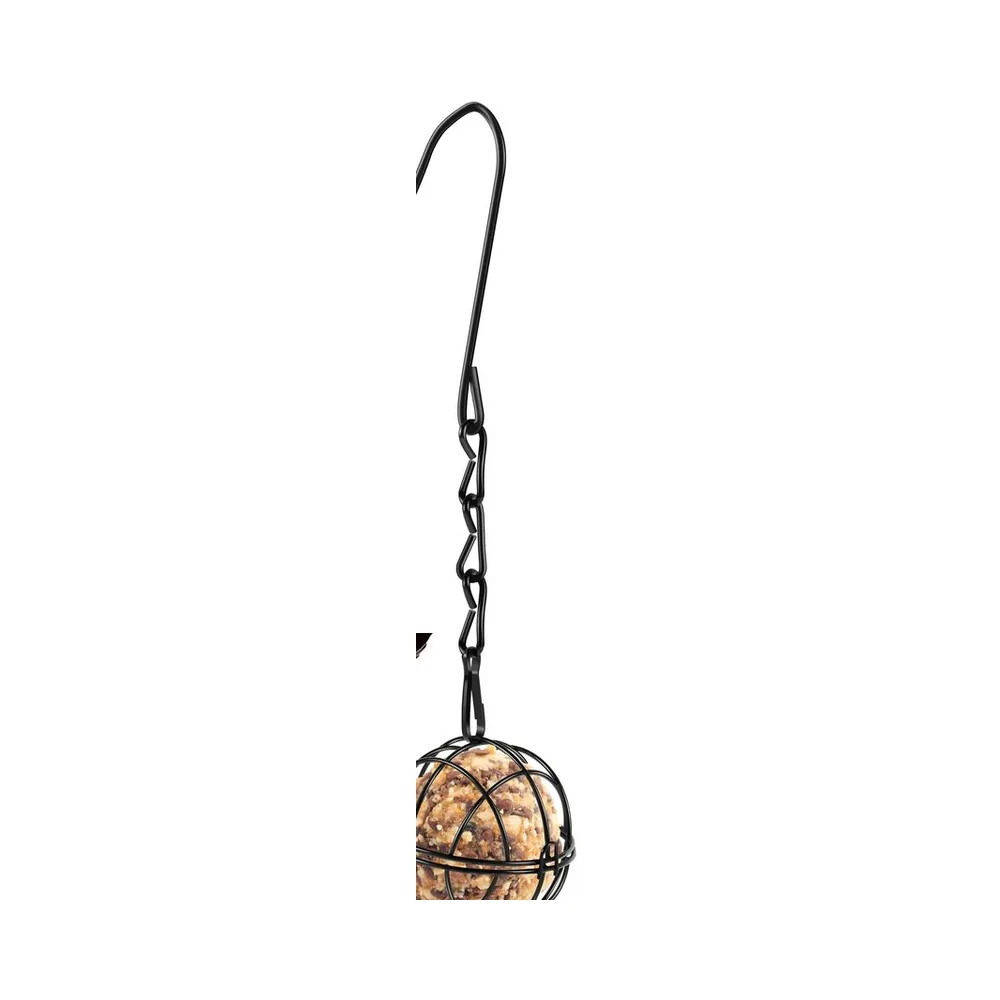
 Hanging Metal Fat Ball Feeders (Set of Four)
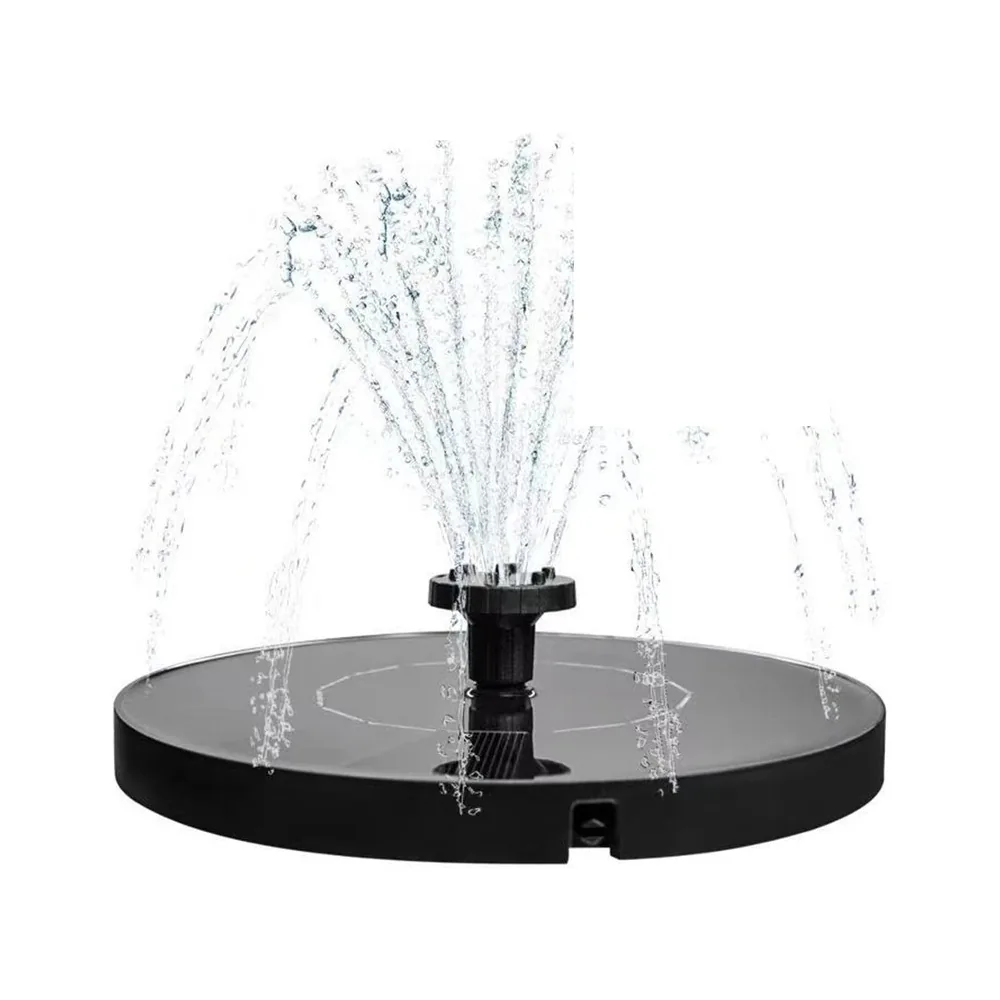 Solar Fountain for Your Bird Bath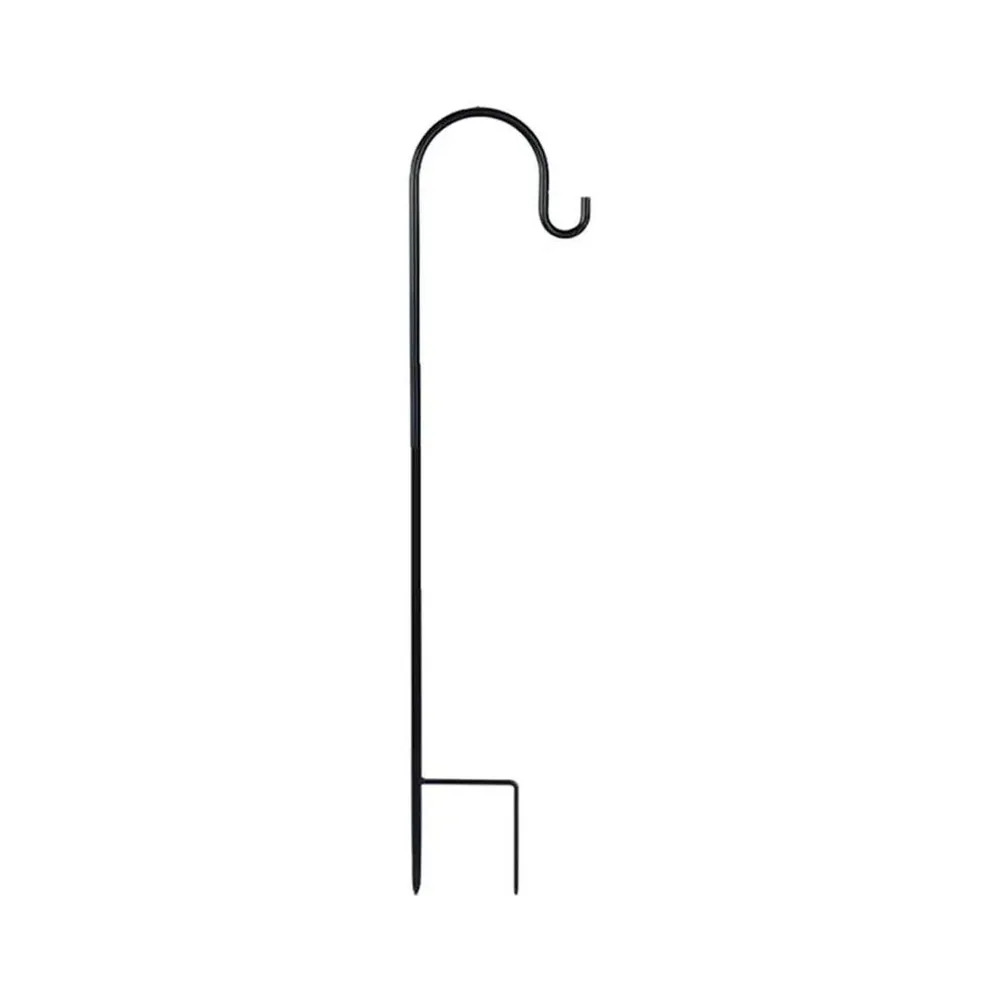
Feeding garden birds in Aberdeen
Weather in Aberdeenshire does most of the deciding. Birds feed hardest in the cold, wet and short-daylight months when natural seed has gone and every hour of foraging counts, so a feeder that is reliably full through that stretch will hold birds that ignored it in August. Consistency matters more here than any particular seed mix.
Height is the first thing to get right. Hanging feeders want to be roughly at head height, high enough that a cat cannot reach from the ground and low enough that you can actually refill them without a stepladder. Ground trays are the exception: robins, blackbirds and dunnocks feed low by instinct and will use a tray on a lawn long before they use a tube.
Skeins of pink-footed geese crossing the city in autumn are the sound of the season here, arriving straight off the sea from Iceland.
Aberdeen at a glance
The ground around Aberdeen
Distances are measured from the centre of Aberdeen. Green space, woodland and water are pulled from OpenStreetMap rather than written by us.
NationScotland
RegionAberdeenshire
PostcodesAB postcode area
Nearest reserveRSPB Loch of Strathbeg
Also coversStonehaven, Inverurie, Westhill, Ellon, Banchory, Peterhead
What should I feed garden birds in Aberdeen?
Start a Aberdeen garden with one hanging tube of sunflower hearts, hung at head height within a couple of metres of a hedge. Add peanuts in mesh and fat balls as autumn comes in, keep a shallow bath topped up all year, and wash everything fortnightly. Give it two weeks before judging it.
- Clear spilled seed from the ground before dusk to avoid rats
- Two feeders at opposite ends of the garden cut the squabbling
- Keep water out all year, shallow at the edge and topped up in frost
- Take peanuts out of open feeders during the nesting weeks
- Give it two to three weeks before deciding a feeder is not working
Pink-footed goose around Aberdeen
Skeins of pink-footed geese crossing the city in autumn are the sound of the season here, arriving straight off the sea from Iceland.
Why water beats an extra feeder
Moving water is a genuine draw. The sound and glint carry much further than a still dish, which is why a solar fountain sitting in a shallow bath brings birds in from further off on a bright day. It also keeps the surface from stagnating, which is the usual reason a bath stops being used by midsummer.
Hygiene, and why it is not optional
Spillage is worth designing out rather than sweeping up. A seed tray under a tube catches the husks and gives ground feeders somewhere to work at the same time, and it is the single easiest way to stop wet seed collecting on soil where it will sour and attract rats. Easy-clean feeders that split apart make the fortnightly job a five-minute one.
The feeding year in Aberdeen
Cold snaps here arrive hard and fast, and that is when a feeder earns its keep. Birds lose condition overnight in a frost, so the priority in January is simply that the food and the water are both there at first light, not that the range is impressive.
Our pick
What we would put up first in a Aberdeen garden
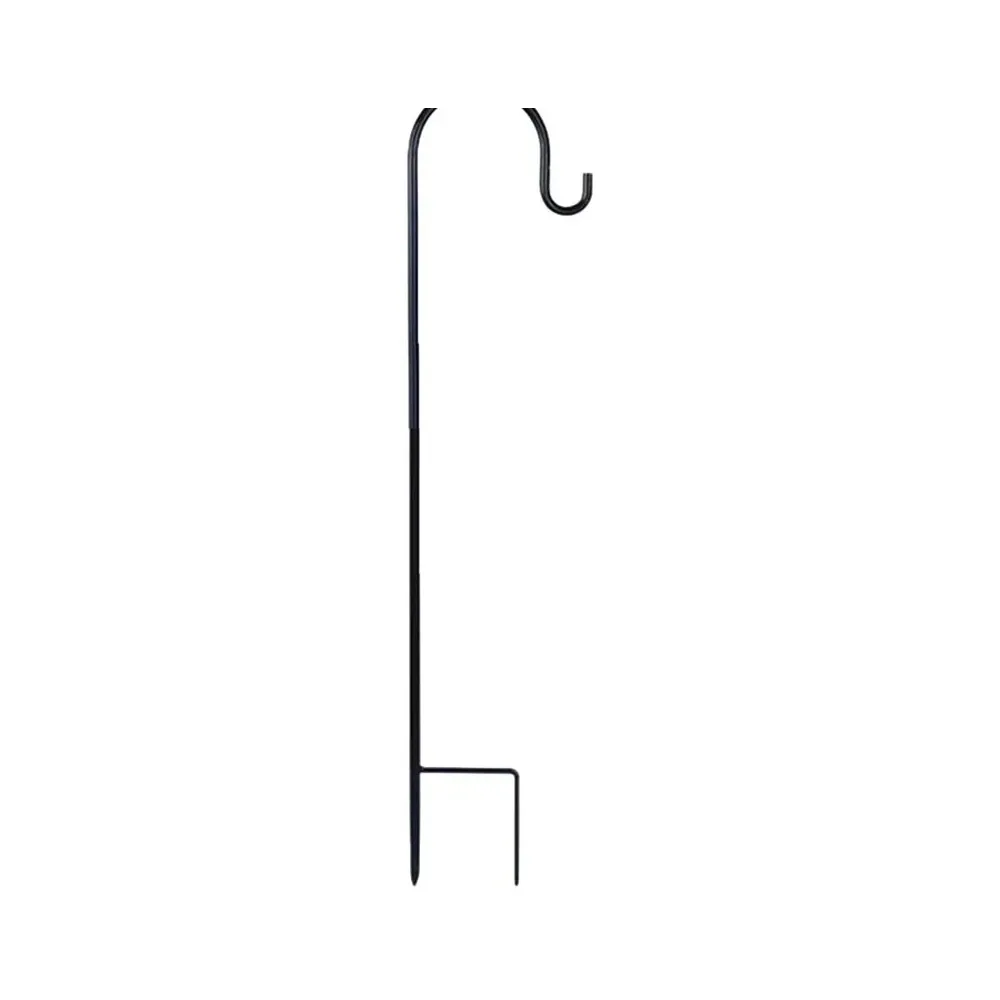
- Feeder Poles — a pole puts a feeding station where there is no tree to use
- Ground Baths — blackbirds and thrushes drink at ground level by preference
- Metal Feeders — metal ports survive squirrels far better than moulded plastic
Where to start
Feeder Poles
Common questions
Feeding birds in Aberdeen
Use the vertical space. A window feeder or a pole gives you height and a clear line of sight where a small plot has no room for a table, and a single well-placed feeder near a boundary hedge will do more than several scattered around. Even a yard with one shrub in a pot can work.
Early autumn is the natural point, when wild seed and insects begin to run out and birds are settling into winter routines. Anything you put up before the clocks change gets built into that routine. Starting in the middle of a cold snap still helps, but it takes longer for birds to find and trust it.
They can be, and it is almost always spillage rather than the feeder. A seed tray underneath catches husks and dropped seed, ground feeding is best done in daylight in small amounts, and anything left on the soil at dusk should be cleared. Feeders that seal properly and do not leak from the base help a great deal.
Also covering
Aberdeen and the surrounding towns — Stonehaven, Inverurie, Westhill, Ellon, Banchory, Peterhead. Delivery and returns are the same wherever you are in Scotland.
Nearby cities
All cities we cover · Which bird visits you? · The feeding calendar