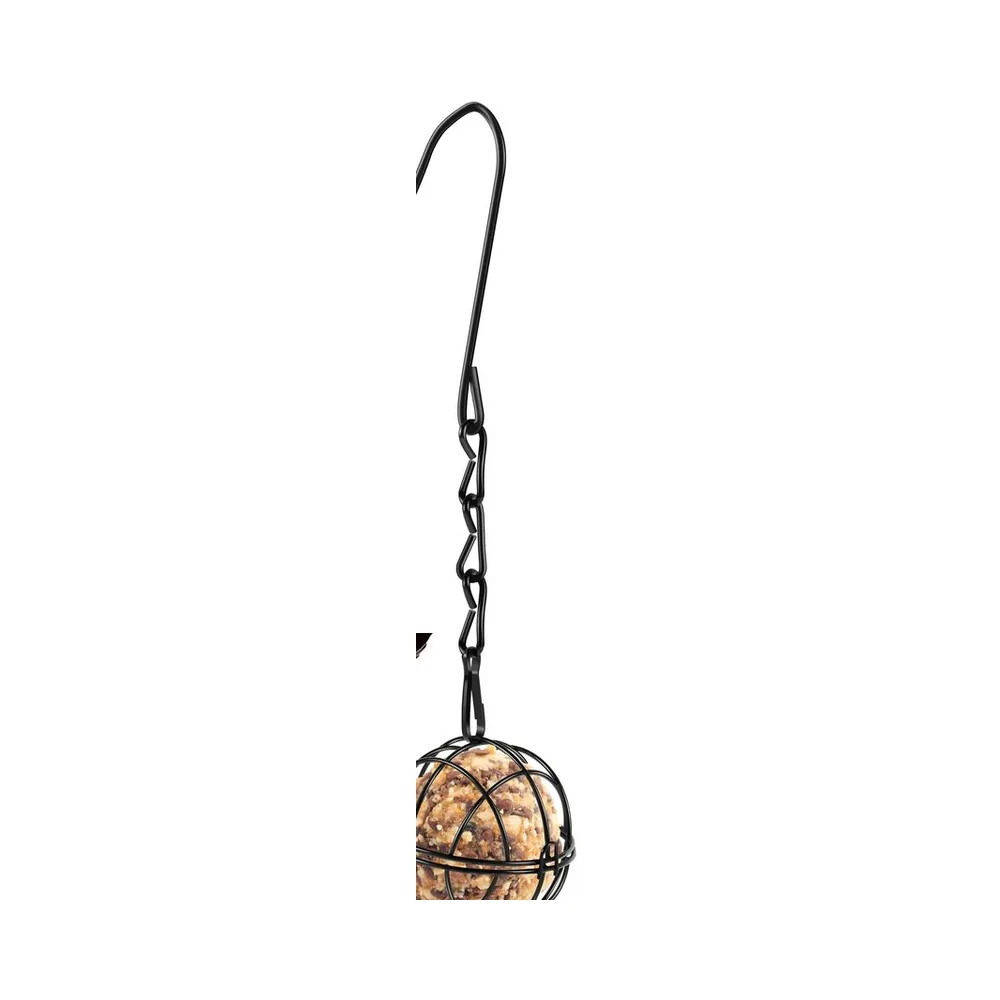
 Hanging Metal Fat Ball Feeders (Set of Four)
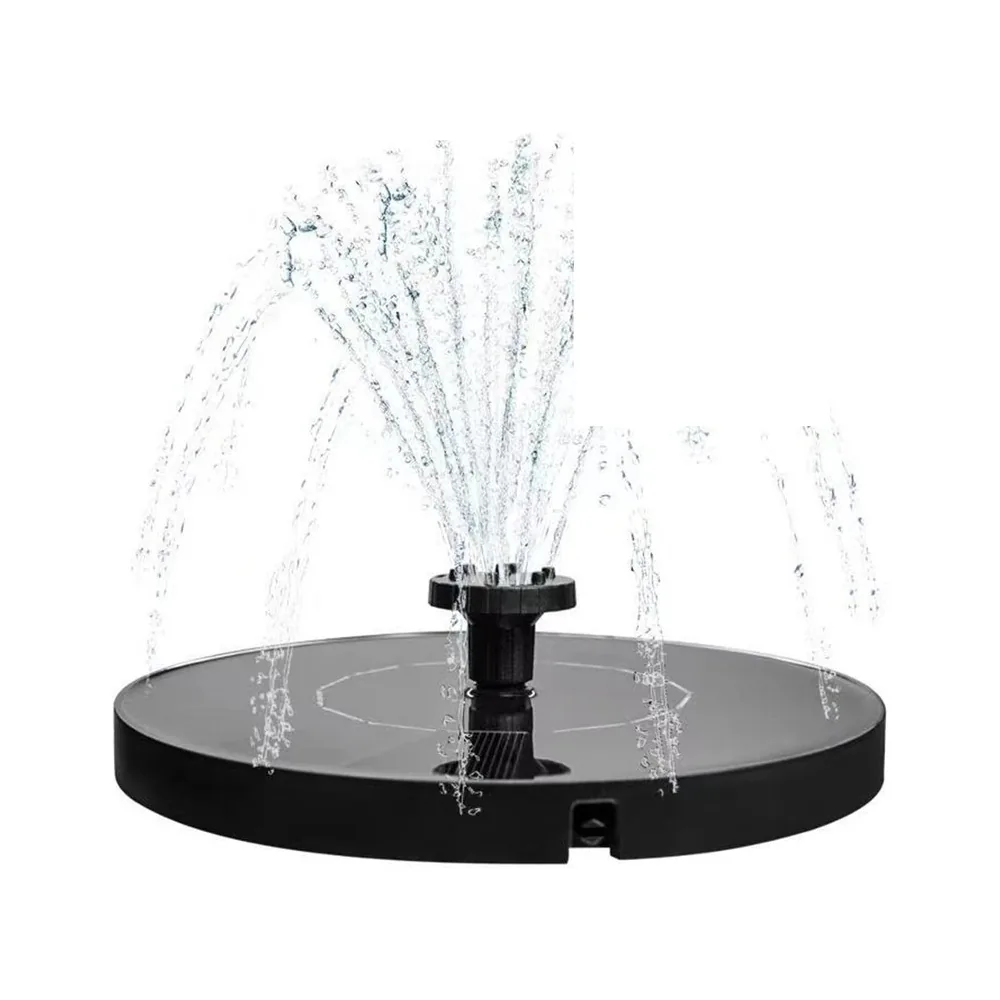 Solar Fountain for Your Bird Bath
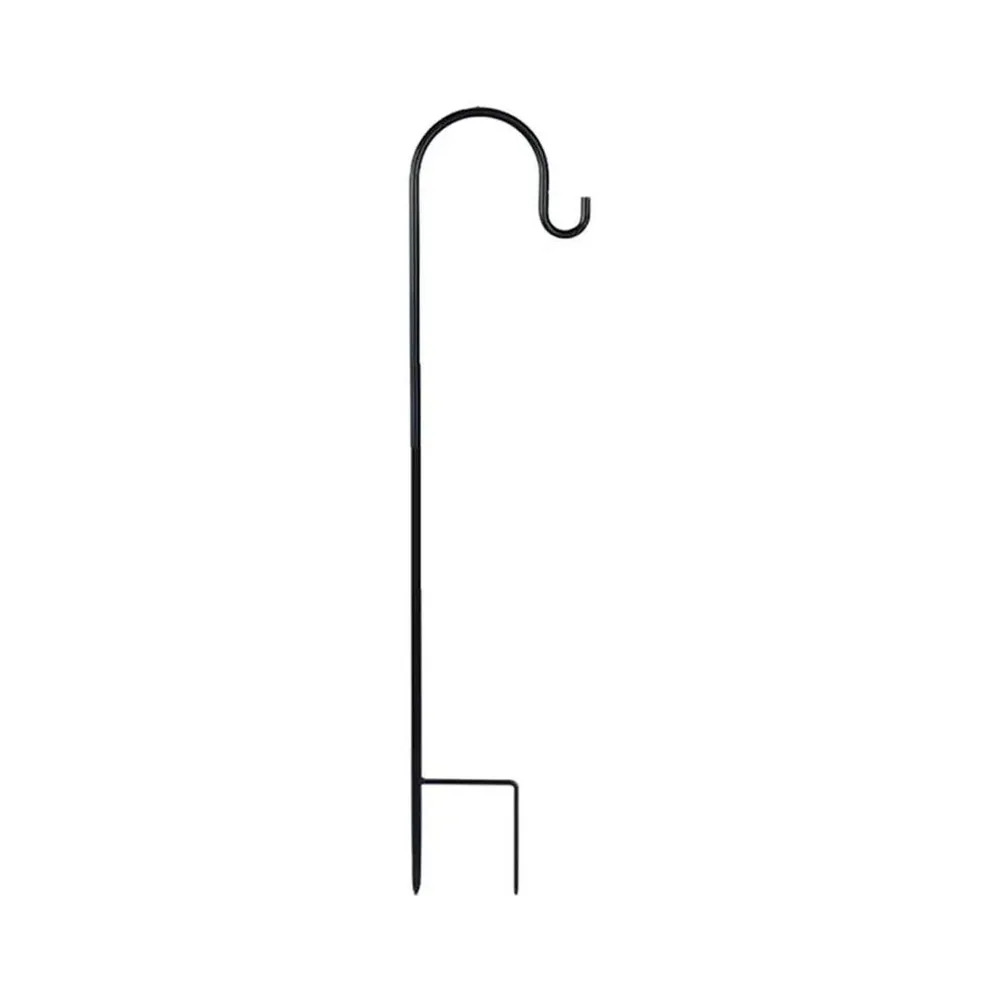 Shepherd Hook Feeder Pole
Feeding garden birds in Edinburgh
Gardens across Edinburgh sit within the Firth of Forth, and that geography does more to decide what lands on a feeder than anything you buy. Birds move along river corridors and green space rather than across open brick, so a garden with a hedge, a tree or a neighbour's shrubs on the flight line fills up far quicker than an exposed one a street away.
Cover is what makes a feeder feel safe. Small birds work in short hops from a shrub or hedge, grab a seed and take it back to eat, so a feeder within two or three metres of dense growth gets used constantly while an identical one in the open barely gets touched. Do not go closer than about a metre, though, or you have simply built a cat ambush.
Edinburgh's street rowans make it a classic waxwing city, with redwings and fieldfares working the same berries alongside them.
Edinburgh at a glance
Edinburgh, verified
Everything below is checkable. Green space and water come from OpenStreetMap; the distances are from the city centre.
NationScotland
Regionthe Lothians
PostcodesEH postcode area
Nearest reserveRSPB Loch Leven
Also coversLivingston, Musselburgh, Dalkeith, Penicuik, Bonnyrigg, Queensferry
What should I feed garden birds in Edinburgh?
Sunflower hearts suit almost every bird in Edinburgh gardens, with peanuts and suet widening the range through winter. Put the feeder near cover but not against it, add a ground tray and shallow water, and keep both clean. The lothians brings waxwing within reach of local gardens.
- Clear spilled seed from the ground before dusk to avoid rats
- Fill little and often in warm weather so nothing sours in the base
- Mix feeder types so several species can use the garden at once
- Sunflower hearts suit the widest range of garden birds and leave no husks
- Take peanuts out of open feeders during the nesting weeks
The Waxwing factor
Edinburgh's street rowans make it a classic waxwing city, with redwings and fieldfares working the same berries alongside them.
Water matters as much as seed
Put the bath where a bird can see out of it. A wet bird flies badly, so an open position with cover a couple of metres away is exactly right, and a bath tucked under a dense shrub will be avoided no matter how clean it is. Raised baths deter cats; ground baths bring in blackbirds and thrushes that will not perch on a pedestal.
Keeping the station healthy
Move the feeding station occasionally. Droppings and spilled husks build up underneath, and shifting the pole a couple of metres every few months breaks that build-up without breaking the birds' routine. If you see a bird sitting fluffed up and reluctant to move, take the feeders down for a fortnight rather than risk spreading anything.
Timing it right in Edinburgh
The feeding year starts earlier this far north. Natural seed and insects run out sooner, the first real frosts arrive ahead of the south, and birds are looking for a reliable garden feeder from early autumn. Keep it going through to late spring: the hungry gap in March and April, when winter stores are gone and nothing has ripened, is harder on birds than midwinter.
Our pick
What we would put up first in a Edinburgh garden
- Peanut Feeders — a mesh peanut feeder brings in tits, finches and woodpeckers
- No-Mess & Easy-Clean — the feeder that comes apart is the one that gets cleaned
- Seed Feeders — sunflower hearts through a tube suits the widest range of birds
Common questions
Feeding birds in Edinburgh
Early autumn is the natural point, when wild seed and insects begin to run out and birds are settling into winter routines. Anything you put up before the clocks change gets built into that routine. Starting in the middle of a cold snap still helps, but it takes longer for birds to find and trust it.
Use the vertical space. A window feeder or a pole gives you height and a clear line of sight where a small plot has no room for a table, and a single well-placed feeder near a boundary hedge will do more than several scattered around. Even a yard with one shrub in a pot can work.
The same cage that stops squirrels stops most larger birds, and it is the least fiddly solution. Beyond that, clearing spilled seed from the ground removes the reason they visit at all, since large birds usually come for what has been dropped rather than for the feeder itself.
Also covering
Edinburgh and the surrounding towns — Livingston, Musselburgh, Dalkeith, Penicuik, Bonnyrigg, Queensferry. Delivery and returns are the same wherever you are in Scotland.
Nearby cities
All cities we cover · Which bird visits you? · The feeding calendar