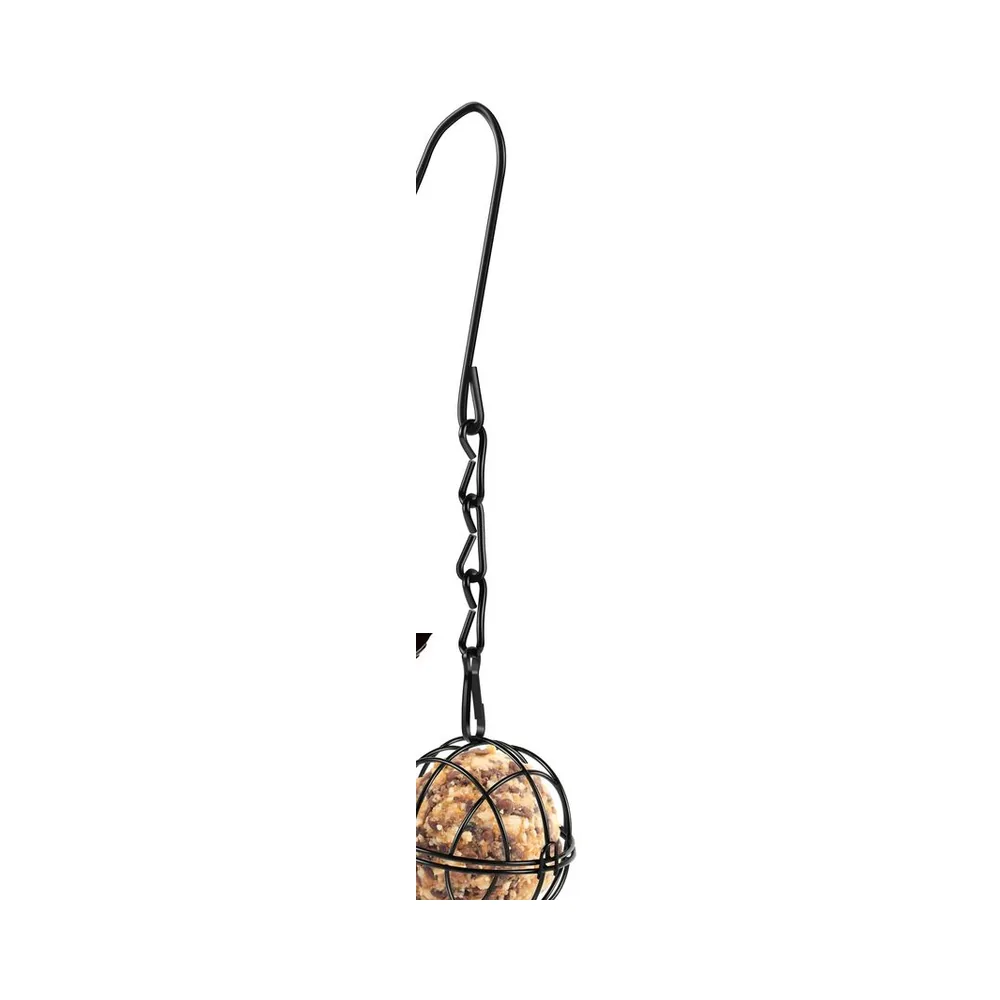
 Hanging Metal Fat Ball Feeders (Set of Four)
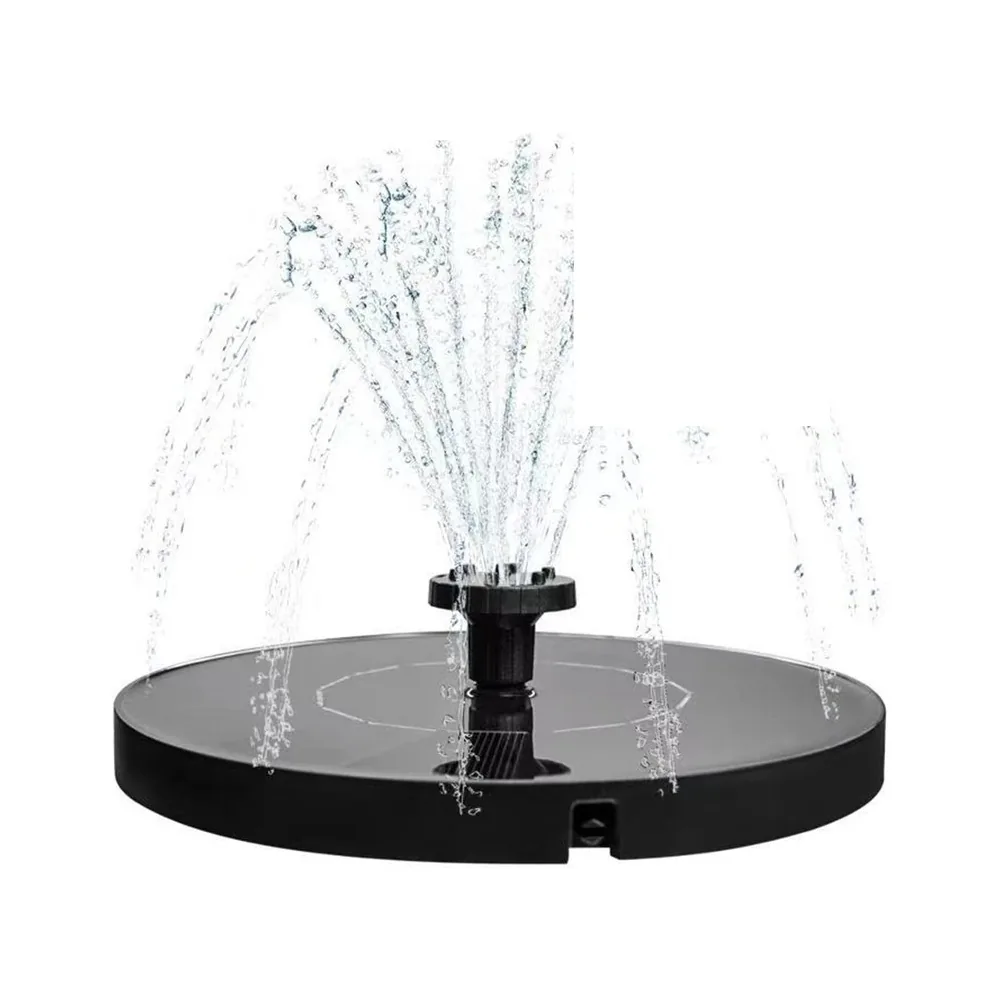 Solar Fountain for Your Bird Bath
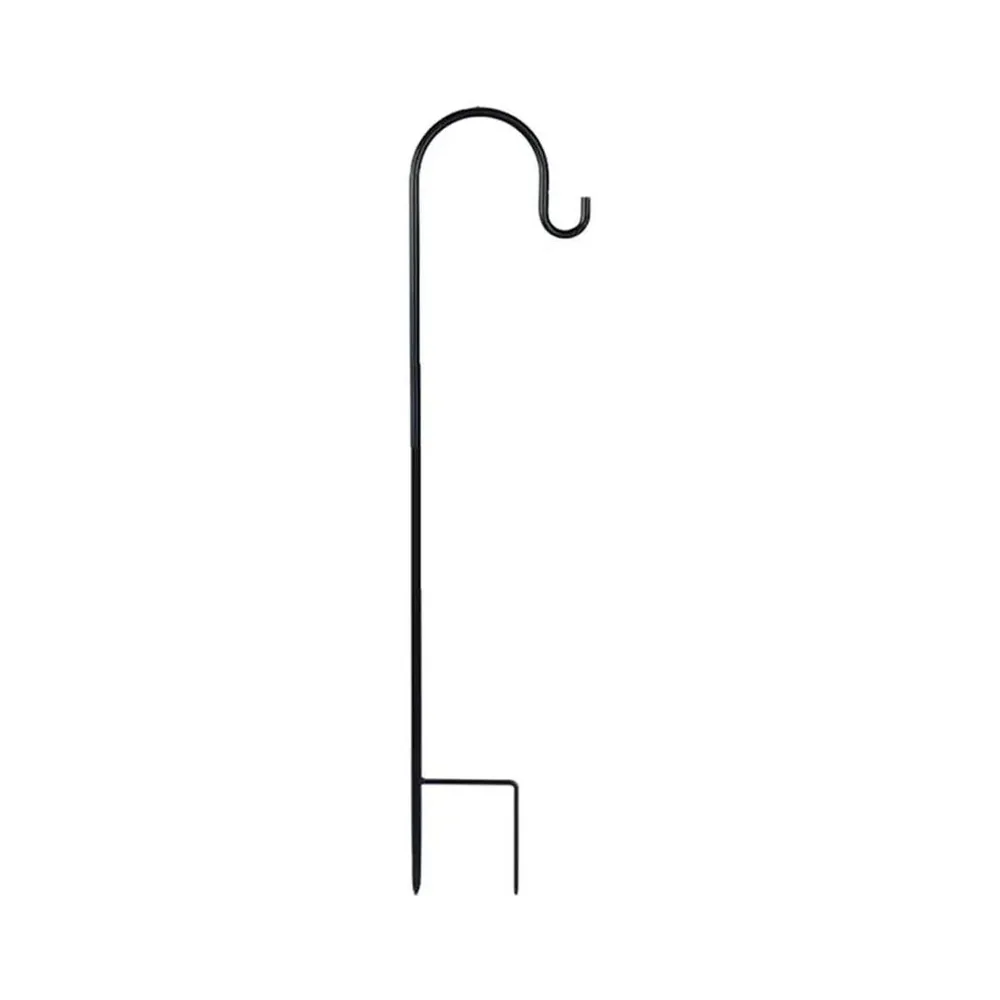 Shepherd Hook Feeder Pole
There is a morning most winters when I go out with the kettle water for the tea and find the bath is a solid disc with a leaf frozen into it.
Birds need to drink every day and to bathe even in cold weather, because clean feathers are what keep them warm. So a frozen bath is a real problem, not a cosmetic one.
Here is what genuinely helps, and what does not.
Start by accepting it
In a proper freeze, a shallow dish of water outdoors will freeze. Nothing short of a heated bath prevents that, and heated baths are rare and expensive in this country.
So the job is not prevention. It is delaying the freeze during the day, and reopening it reliably each morning.
What actually helps
Move it into the sun
The single biggest lever. Low winter sun on a bath can keep it liquid for a couple of hours longer, which may be the whole drinking window on a short day.
This is the opposite of summer siting, where you want afternoon shade to slow algae. I move mine in November and back in March — see where to place a bird bath.
Use a dark, shallow bowl
Dark surfaces absorb more heat. A shallow bowl warms through faster than a deep one, and it is better for the birds anyway — two to five centimetres is what they want.
Stone and concrete hold cold badly. A dark metal or glazed ceramic bowl does better. Ours are here: bird baths.
Float something on it
A small ball, a cork or a stick. Movement in the surface slows ice forming, and when it does freeze, lifting the ball out leaves a hole birds can drink through.
Cheap, safe, and more effective than it sounds.
Line it, if you like
A polythene sheet or a plastic bowl inside a stone bath means the ice pops out in one piece rather than needing chipping. It also protects the bath itself, since water freezing inside porous stone is what cracks it.
The reliable method
Tip the ice out each morning and refill with cool water.
That is the whole thing. Ten seconds, done at the same time you fill the feeders, and it is worth more to a bird on a frozen morning than another handful of seed.
If you go out only once a day in winter, make it early. Birds arrive at first light having gone all night without either food or water.
What never to add
This is the part that matters most, because the folk remedies are all dangerous.
- Salt. Lowers the freezing point and poisons birds. They cannot process it.
- Glycerine. Sometimes suggested online. It coats and mats feathers, wrecking waterproofing at the worst possible time of year.
- Antifreeze. Lethal, to birds and to any mammal that drinks it. Never, in any quantity, for any reason.
- Sugar or alcohol. Both suggested, both bad.
And do not pour boiling water into a cold ceramic or stone bath — thermal shock cracks it. Cool or lukewarm water only.
What about a solar fountain?
Moving water does freeze later than still water, so on a light frost a solar fountain can keep a bath open longer.
In a proper freeze it will not, and water freezing inside the pump housing can crack it. Most floating units are better taken out before hard frost. More in solar fountains explained.
Snow, and what it does not do
People often assume snow solves the water problem. It does the opposite.
A bird can eat snow, but melting it inside the body costs heat — exactly the resource it is short of on a freezing morning. Given a choice between snow and liquid water, every bird takes the water.
So a cleared, refilled bath during a snowy spell is worth more than at almost any other time of year, not less. It is also the moment you will see the widest range of species using it, because everything within range is looking for the same thing.
Two baths beats one
If you can, run two shallow dishes in different spots — one in the sun, one more sheltered.
One is usually open when the other is not, and it takes the pressure off a single bowl on the mornings when everything wants a drink at once.
More on the winter picture in helping birds through a cold snap, and the rest of this series at bird baths and water.
Stopping the bath itself from cracking
Keeping the water liquid is one problem; keeping the bath in one piece is another, and a hard winter will find any weakness.
Water expands as it freezes, and a rigid basin with nowhere to give takes the strain. Glazed ceramic and unglazed terracotta are the most vulnerable — terracotta is porous, so water gets into the material itself and splits it from within. Metal and good resin flex and are largely unbothered. Stone and concrete usually survive but can spall a little at the surface over years.
The habit that saves them is simple: when a hard frost is forecast, tip the bath out at dusk and refill it in the morning. Two minutes, and it removes the risk entirely.
If you would rather not think about it, keep the ceramic bath for spring to autumn and run a cheap metal or resin dish through the winter. That is what most people end up doing, and there is no loss in it — the birds have no opinion about which one they drink from.