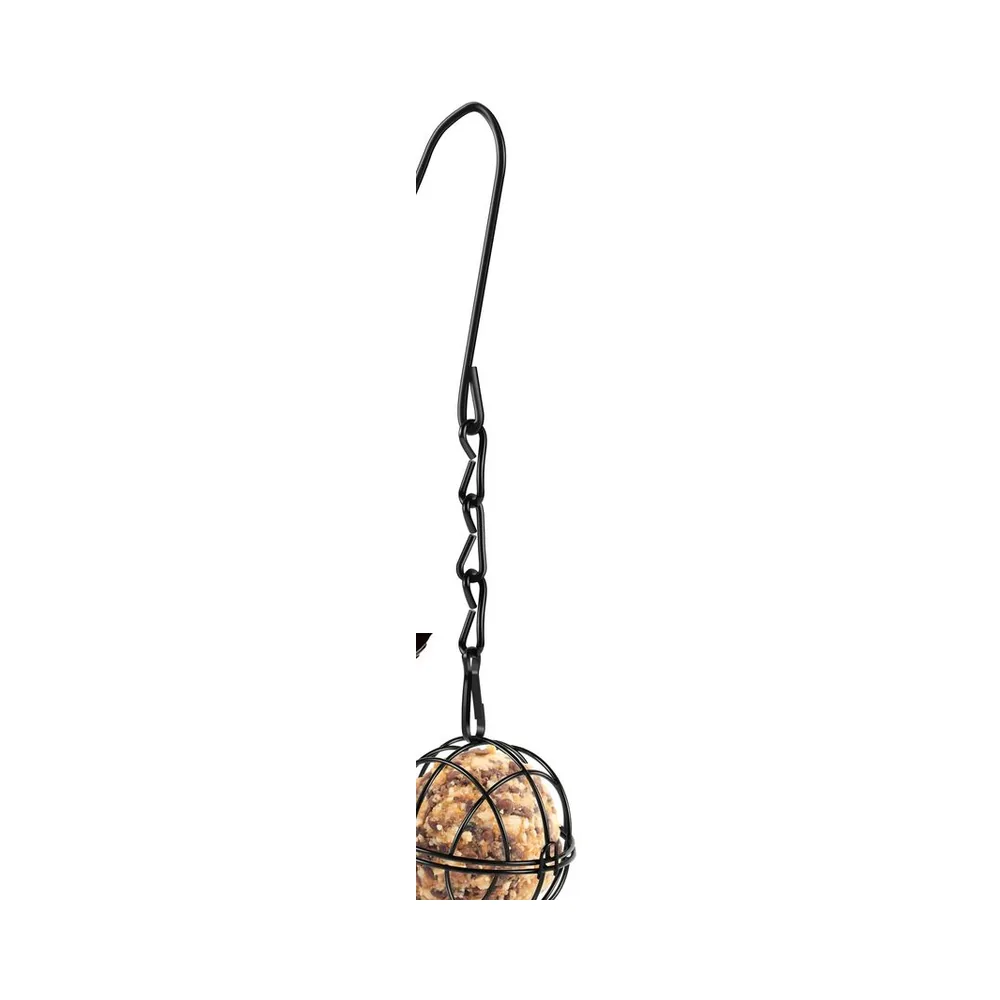
 Hanging Metal Fat Ball Feeders (Set of Four)
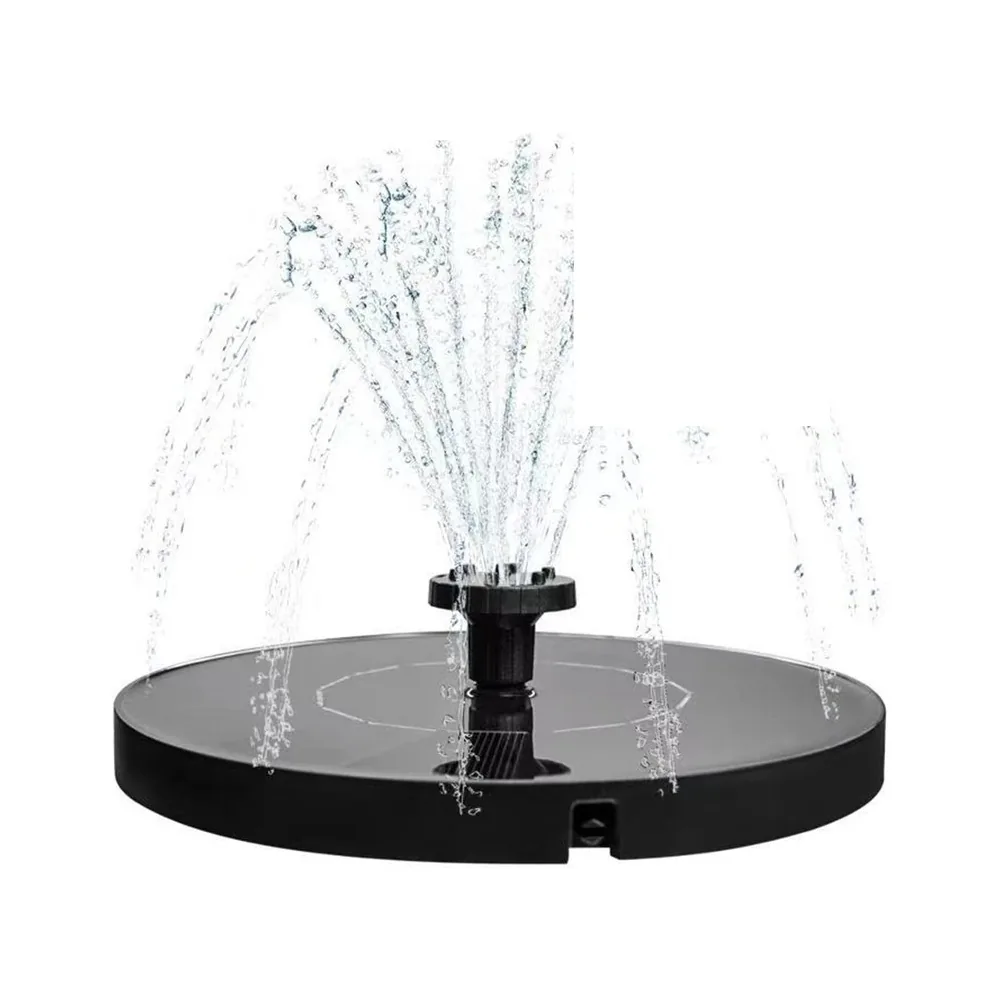 Solar Fountain for Your Bird Bath
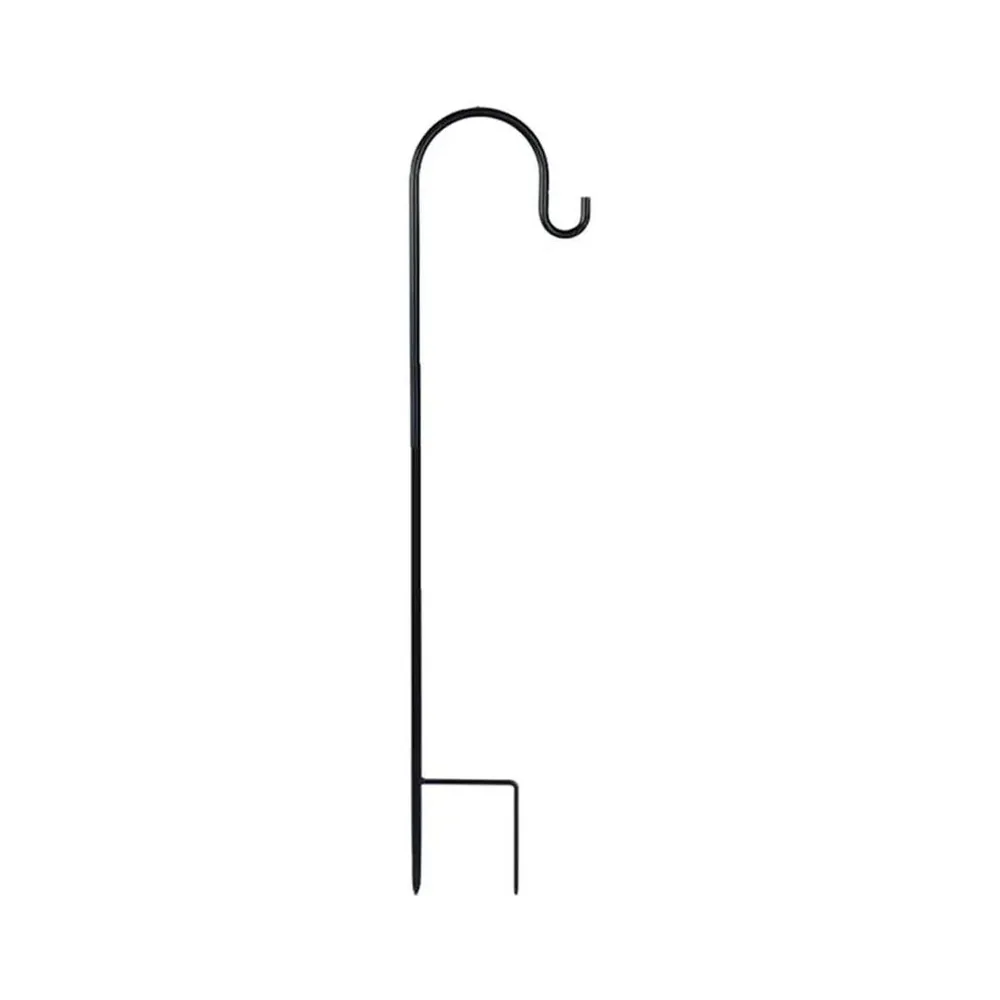 Shepherd Hook Feeder Pole
Most field guides cover six hundred species, which is not much help when there is something brown on the feeder and you have ten seconds.
These are the fifteen you will genuinely see, with the one detail that settles each.
The tits
Blue tit. Small, blue cap, white cheeks, thin dark line through the eye, yellow chest. Everything about it looks slightly frantic.
Great tit. Noticeably bigger. Glossy black head, white cheeks, and a black stripe down a yellow chest. A broad stripe is a male, a thin one a female. The bully of the two.
Coal tit. Smaller and duller, buff rather than yellow. The clincher is a white stripe down the back of the head. Takes food and hides it, then comes straight back.
Long-tailed tit. Unmistakable — a pink, black and white ball with a tail longer than its body. Arrives as a flock of eight or ten, works the fat for ninety seconds, gone. See attracting tits.
The brown ones people confuse
This is where most identification goes wrong.
House sparrow. Chunky, thick conical seed-eating beak. Male has a grey cap and a black bib; female is plain sandy brown with a pale stripe behind the eye. Arrives in noisy gangs.
Dunnock. Looks like a sparrow at a glance and is not related at all. The giveaway is the beak — thin and pointed, because it eats insects. Also a grey head and breast, and it creeps about under the feeder rather than sitting on it.
Wren. Tiny, rich brown, round, with a short tail cocked upright. Louder than anything that size has a right to be.
Robin
Everyone knows the adult. The one that catches people out is the juvenile, which has no red at all — speckled brown and gold, and frequently reported as a mystery bird in July.
Ground feeder, cannot cling. See how to attract robins.
Blackbird
Male is glossy black with a bright orange-yellow beak and eye ring. Female is dark brown with a paler, mottled throat and a duller beak.
Works the lawn and the border edge. In August they moult and can look genuinely wretched.
The finches
Goldfinch. Red face, black and white head, broad gold wing bar. Arrives as a charm and chatters constantly. See attracting goldfinches.
Chaffinch. Male has a blue-grey cap and pinkish chest; female is duller. Both show two bold white wing bars in flight — that is the field mark.
Greenfinch. Stocky olive-green with yellow flashes in the wing and a heavy pale beak built for cracking seed. Numbers fell badly with trichomonosis, which is one reason feeder hygiene matters — more here.
The big ones
Woodpigeon. Large, grey, with a white neck patch. Clatters when it takes off. Ground feeder — see stopping pigeons.
Starling. Looks black at distance; in good light it is iridescent green and purple with white spangling. Walks rather than hops, which no other garden bird of that size does. Red-listed and declining badly.
Magpie. Unmistakable black and white with a long green-glossed tail. Intelligent, noisy, and much disliked, though the evidence that magpies drive songbird declines is thin.
The one that changes everything
Sparrowhawk. Not a garden bird exactly, but it hunts them.
Fast, low, flat-out through the garden and gone. Male is slate-grey above with a barred orange chest; female is larger and browner. If your feeder goes silent for days, this is often why.
Unsettling to watch and a sign of a functioning food chain. Cover a few metres from the feeder gives the small birds a fair chance — siting.
Two habits worth building
Watch how it moves. Starlings walk, blackbirds hop and pause, dunnocks creep, tits are never still. Movement identifies a bird at distance when colour will not.
Learn three calls. The robin's thin winter song, the great tit's two-note "tea-cher", the wren's explosive rattle. Once you know those you will notice birds you never saw.
More on each species at UK garden birds and in the attracting garden birds guide. The rest of this series is at attracting UK garden birds.
The ones you hear before you see
A good deal of garden bird identification is done with your ears, and a handful of sounds will name a bird before it appears.
The wren is the loudest thing in the garden for its size — a fast, hard trill that stops abruptly, coming from somewhere in a hedge you cannot see into. A great tit repeats a clean two-note "tea-cher, tea-cher" all spring. A robin sings a thin, wistful, slightly melancholy phrase, and it is one of very few birds singing in midwinter and after dark under a streetlight.
The one that catches people out is the starling, which mimics. A starling on a rooftop will run through a car alarm, a phone ringtone and a buzzard call in the space of thirty seconds. If you hear something in a suburban garden that sounds impossible, look up at the aerial before you start doubting yourself.