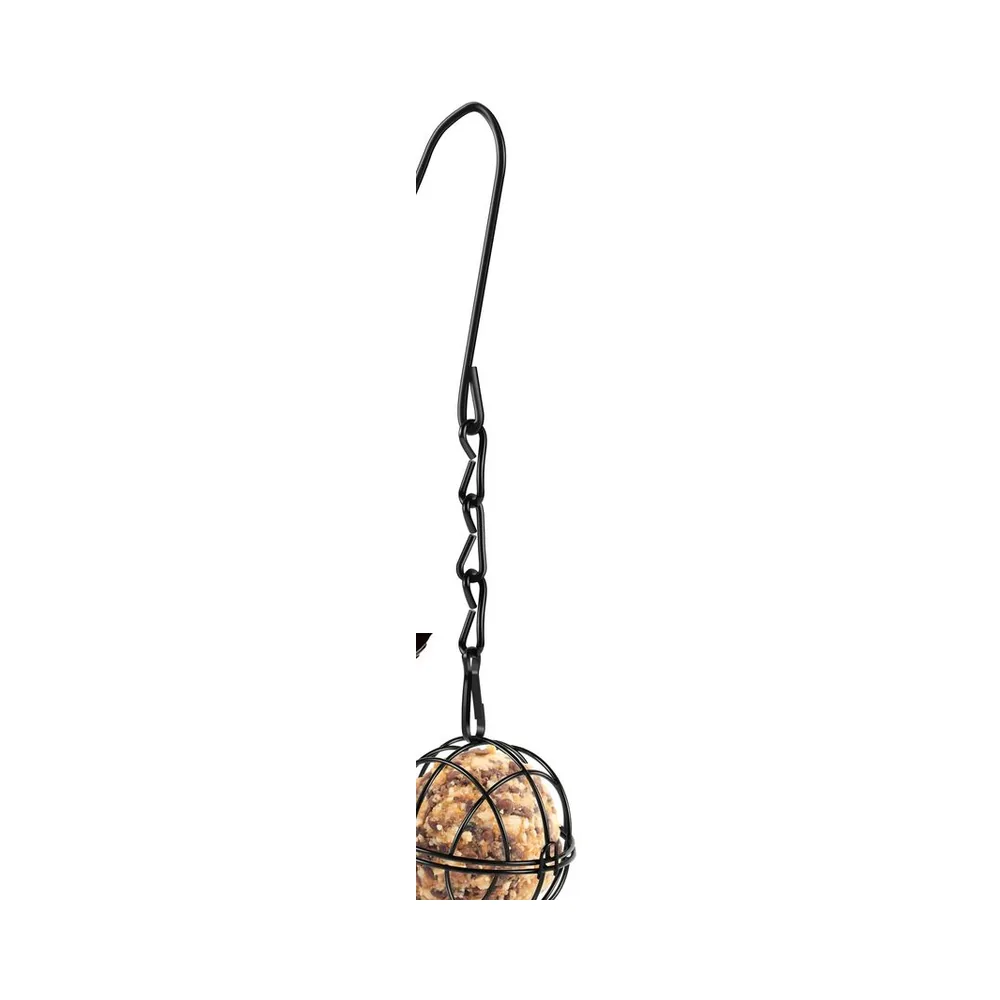
 Hanging Metal Fat Ball Feeders (Set of Four)
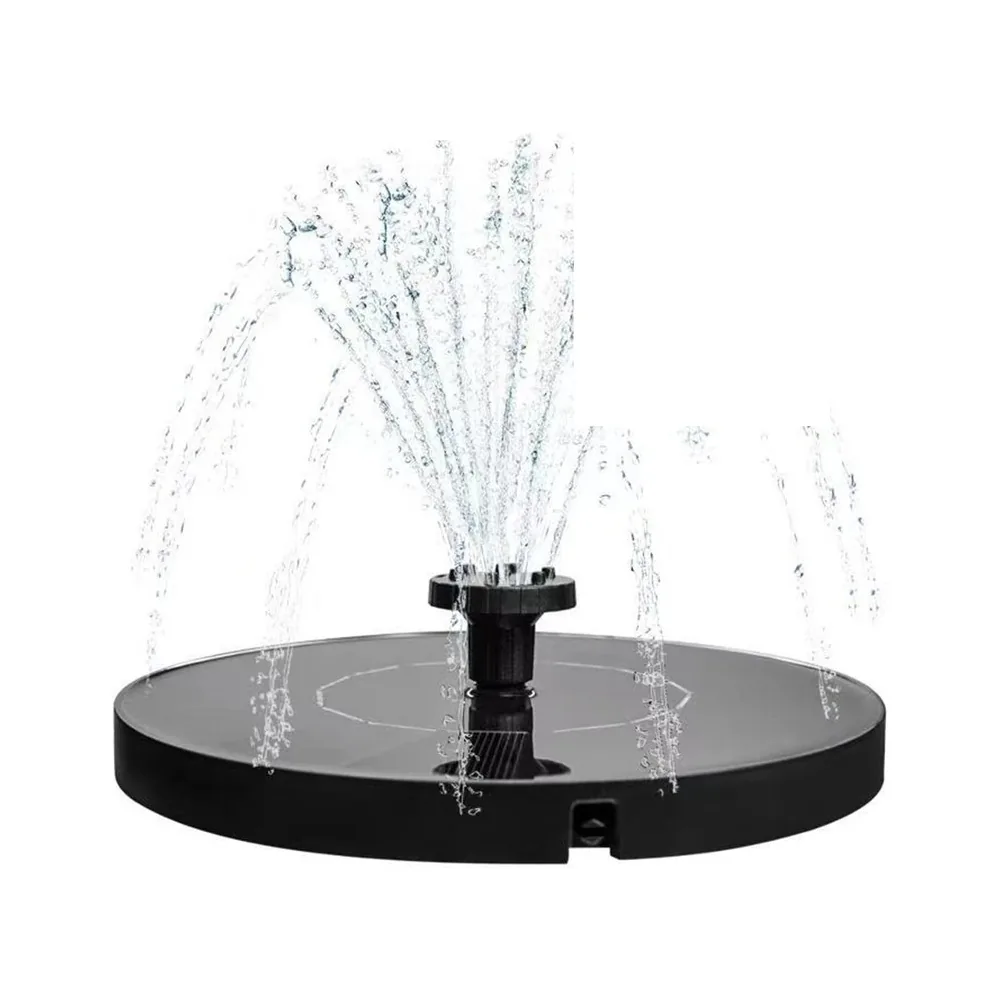 Solar Fountain for Your Bird Bath
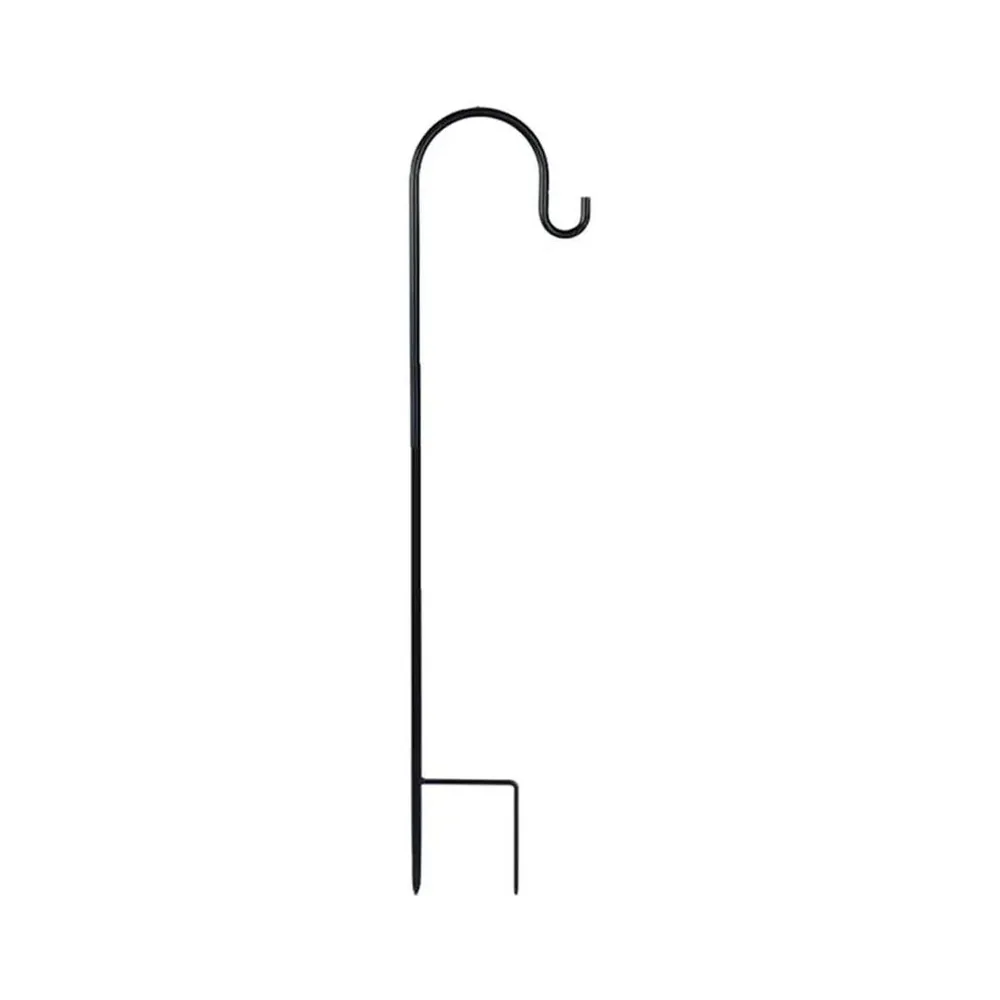 Shepherd Hook Feeder Pole
People often start by buying too much. A five-port feeder, a table, a bag of "wild bird mix", and then a fortnight of nothing happening.
Here is what I would actually buy, in the order I would buy it, if I were starting again in a garden with nothing.
Buy first
1. One hanging feeder
Metal, with small ports and a sheltered roof. Metal because it will not crack in frost or be chewed open; small ports because they hold hearts in; a roof because wet seed is the enemy.
Ours are here: seed feeders. There is more on materials in wooden vs metal vs ceramic.
2. Sunflower hearts
Not a mix. Hearts.
They suit more UK garden birds than any other single food, there is no husk to drop, and nothing gets wasted. Buy the largest bag you have somewhere dry to keep it. Why hearts.
3. A shepherd hook pole
This is the one people skip, and it is the one that decides how well the whole thing works.
A pole lets you put the feeder where it should be — out in the open, two metres clear of any fence or branch — rather than where a branch happens to hang. It also lets you move it around the garden, which matters for hygiene.
Ours are here: feeder poles. Push it in to at least a third of its length.
4. A shallow dish of water
An old plant saucer will do to begin with, with a stone in it for grip and two centimetres of water.
Water brings species a feeder never will, and far fewer gardens offer it than offer food. See why water matters as much as food.
Where to put it all
Stand where you want the feeder and look around. Anything solid within two metres — fence, shed, water butt, low branch — is a squirrel launch pad.
What you want: 1.5 to 2 metres off the ground, two to three metres from a shrub or hedge, and two metres of clear air all round. Full detail in where to position a bird feeder.
Put the water a couple of metres to one side, never directly underneath, or droppings and husks foul it within a day.
Then wait
Three weeks is normal. Six is not unusual in a garden with no history of feeding.
Keep it stocked while you wait, because an empty feeder in week two is why most people give up. If nothing has come after a month, work down the checklist.
Add in month two
Once birds are using the feeder reliably, three things are worth adding, in this order.
A catcher tray under the feeder. It stops the spill reaching the lawn and gives robins, dunnocks and blackbirds a clean flat surface — none of which can use a hanging feeder. Biggest single upgrade for the money. Trays.
A fat ball cage for the winter. Fat is the highest-energy food you can offer and it is what long-tailed tits come for. Net removed, always. More.
A second feeder, a few metres from the first, holding something different. Two feeders spread the traffic and stop one dominant greenfinch holding the whole thing.
What not to buy yet
- A bird table. Only worth it if you specifically want blackbirds and thrushes, and it needs weekly scrubbing. A tray does most of the job. Comparison.
- Anti-squirrel gadgets. Get the position right first. Most gardens never need them. The sequence.
- A nyjer feeder. Only if you specifically want goldfinches, and hearts bring them in almost as well.
- Cheap seed mixes. Padded with wheat that most garden birds ignore.
The running cost, honestly
One feeder in an average garden gets through roughly a kilo of hearts a week in winter and rather less in summer.
Buying in bulk and storing properly — lidded tub, off the floor, scoop inside — makes a real difference to that. So does filling the feeder two-thirds rather than to the brim, which also keeps the seed fresher.
And the one habit
Clean it every fortnight. Take it apart, hot soapy water, stiff brush, rinse, dry completely before refilling.
It is the least appealing part and by some distance the most important — here is why.
More in the buyer's guide, and the rest of this series at buyer's guides.
Starting in the wrong month
A starter setup put up in September behaves completely differently from the same setup put up in January, and it is worth knowing which one you are doing.
Birds spend early autumn working out which gardens are worth including in a daily circuit. A feeder that appears then gets assessed while there is time and slack, and it is usually well established by the time the weather turns.
A feeder that appears in the middle of a January cold snap is competing for attention from birds already working a fixed round, and it can take noticeably longer to be adopted even though the need is greater. That is not a reason to wait — put it up whenever you decide to — but it does mean a slow start in midwinter is normal rather than a sign the setup is wrong. Keep it stocked and it will be found.